
South Africa’s military headed to another province


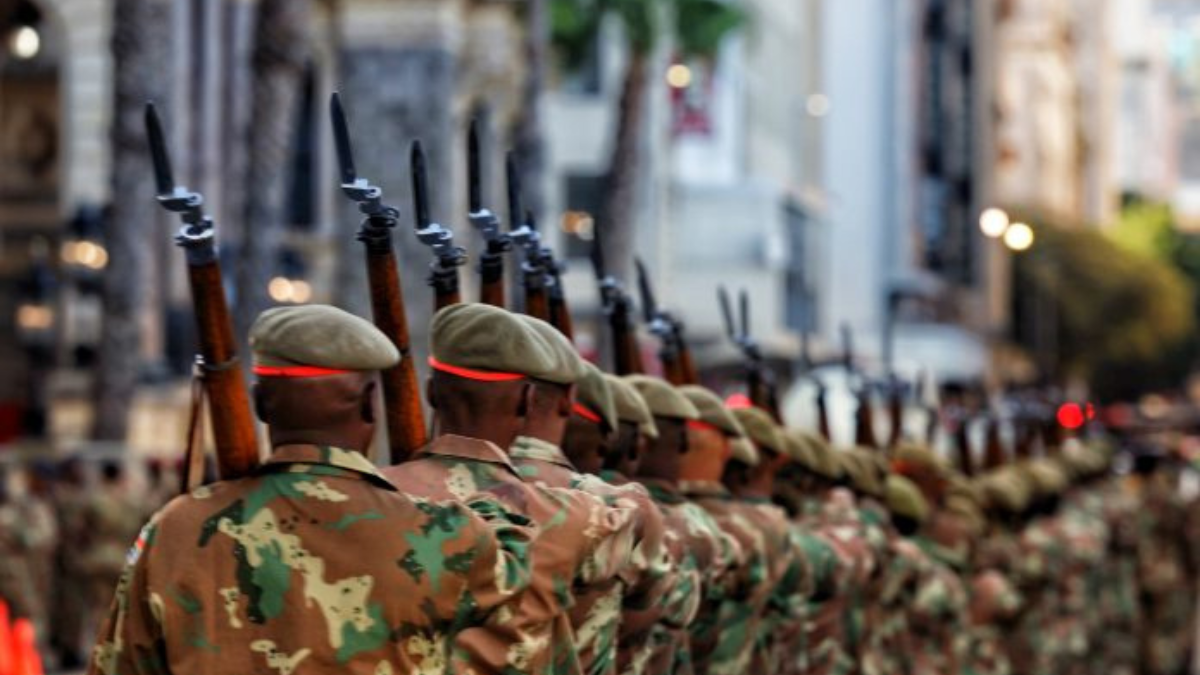
The South African National Defence Force (SANDF) is extending its deployment into the Eastern Cape to combat rising levels of violent crime and gang activity.
The decision to deploy the military follows admissions from provincial leaders and residents that the police are overwhelmed by the scale of gang violence and organised crime.
While some quarterly figures showed marginal declines in overall crime, the severity of violent “contact crimes” remains high enough to warrant the need for military stabilisation.
During the State of the Nation Address (SONA), President Cyril Ramaphosa announced plans to deploy the SANDF to the Western Cape and Gauteng.
He did not elaborate on the numbers to be deployed but said troops would be in the allocated areas within the next few days to deal with gang violence and illegal mining.
The extension of this deployment to the Eastern Cape was confirmed by Acting Police Minister, Firoz Cachalia, during the subsequent parliamentary debate. Deployment is set to start within the next 10 to 14 days.
Ramaphosa faced criticism from multiple parties during the debate. The EFF opposed the deployment, labelling it a “last resort” stemming from the destruction of law enforcement.
Political analyst Prof. Bheki Mngomezulu agreed with this sentiment, questioning the long-term efficiency of this decision.
Mngomezulu noted that SANDF soldiers are not trained for police work and questioned the consequences once the SANDF withdraws from the areas.
Other opposition members argued that the SANDF is not adequately capacitated to deal with crime and that deployment does not address the root causes of violence.
On the other hand, the Minister of Sports, Arts, and Culture, Gayton McKenzie, praised this move and Ramaphosa for listening to South Africans’ cries.
The Minister of Agriculture, John Steenhuisen, stressed the necessity for short-term intervention contingent on sustained, intelligence-led policing and faster court processes.
The ongoing problem of organised crime
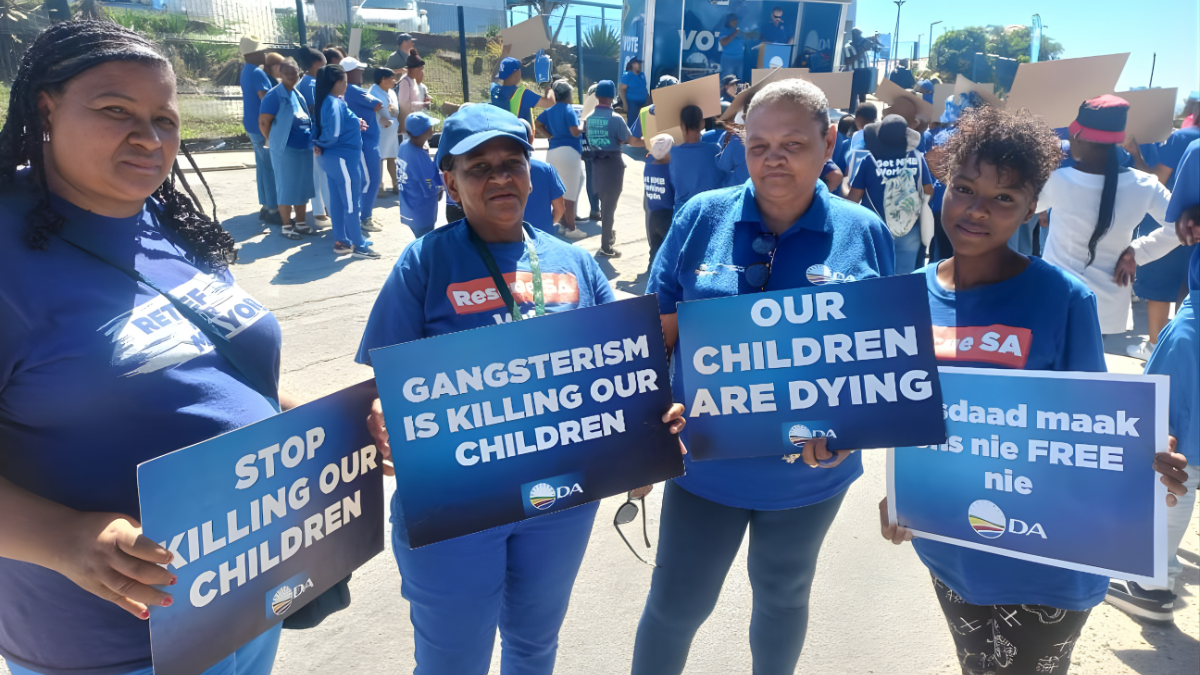
Gang activity in the Eastern Cape is primarily concentrated in the Nelson Mandela Bay Metro with emerging networks in Mthatha, East London, and Humansdorp.
The northern areas of Nelson Mandela Bay are the epicentre of gang activity, including neighbourhoods like Gelvendale, Bethelsdorp, and Missionvale.
As of February 2026, Nelson Mandela Bay has documented 1,060 gang-related killings since 2019.
Five stations in Nelson Mandela Bay frequently appear in the national top 30 for murder, often driven by gang activity.
New Brighton reported 33 gang-related murders in Q1 and 52 in Q2 of the 2025/2026 year. Kwazakhele is consistently ranked among the top 10 most dangerous stations.
Other areas, such as Motherwell, Kwanobuhle, and KwaDesi, are also listed among the top 30 for murder dockets.
Major gangs include the Dustlifes, Spotbouers, and Don Dollos. Many of these local groups maintain strong ties with the Western Cape’s 26s and 28s prison networks.
Frequent shootings in Gqeberha’s northern areas are often the result of conflicts over drug-selling territory between established groups like the Spotbouers and Dustlifes.
Gangs have also expanded into areas like Humansdorp and surrounding towns to avoid city scrutiny. Known active groups are the Demons, Bambi, and 18 Varke.
Other areas, such as Mthatha and East London, are dominated by organised syndicates rather than traditional street gangs.
These groups tend to focus on construction extortion, tender manipulation and contract killings.
Gangs are increasingly moving into rural areas and smaller towns like Jeffreys Bay, Graaff-Reinet, and Kariega
During the first half of the 2025/26 financial year, the South African Police Service (SAPS) observed a complex crime landscape.
Despite a reduction of 1,165 serious reported crimes, the Eastern Cape recorded South Africa’s highest murder rate at 15.6 per 100,000 people.
Surpassing Cape Town and Johannesburg, the environment’s brutality was underscored by 34 multiple-murder cases, involving 78 victims in three months, highlighting severe gang-related hits.
Meanwhile, national efforts to combat this surge in organised crime have resulted in 1,369 arrests in early 2026, targeting perpetrators involved in drug syndicates and gang activities.
This article was written by Zané Steyn















 Loading ...