
Inhumane treatment reportedly on the rise in South African prisons


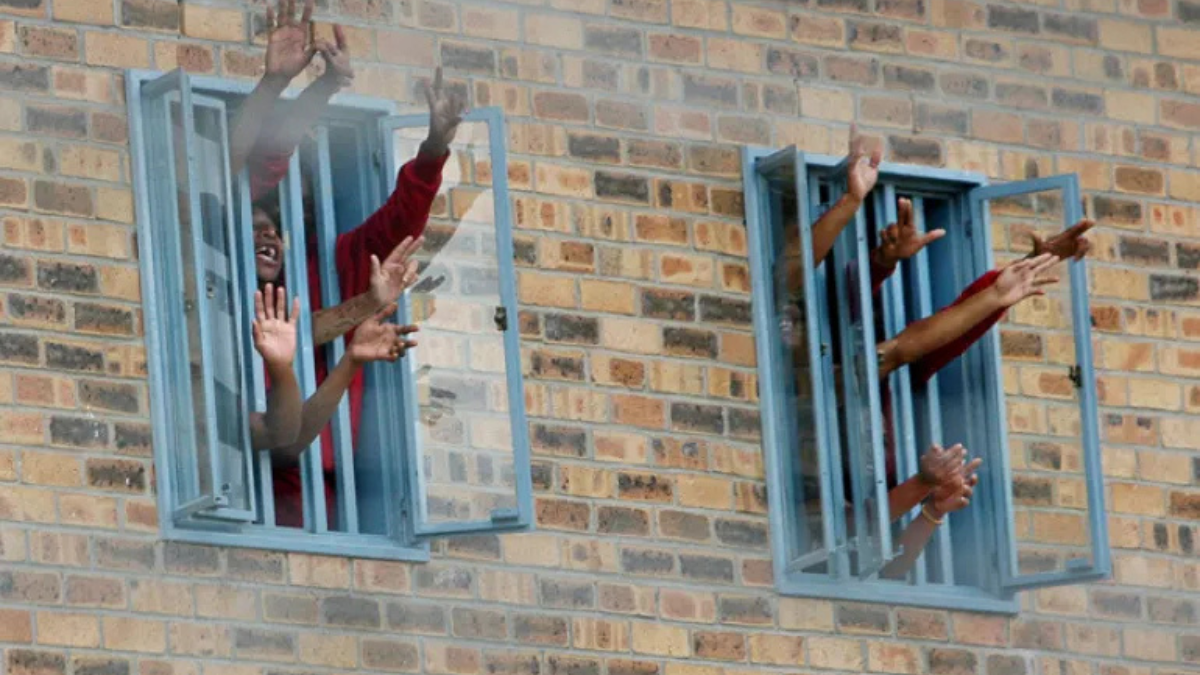
The Judicial Inspectorate for Correctional Services (JICS) recorded 11,889 complaints from offenders in the third quarter (Q3) of the 2025/26 fiscal year, including five allegations of inhumane treatment and one of torture.
Both categories saw an increase compared to the first two quarters of the fiscal year. By contrast, the 2024/25 annual report documented eight cases of inhumane treatment and no torture complaints recorded.
Inhumane treatment, as defined by the Constitution, Nelson Mandela Rules, and the UN Convention against torture, involves actions that inflict physical or psychological harm and infringe upon inmates’ rights and dignity.
In the Eastern Cape Management Region (ECMR), three inmates at Bizana Correctional Centre reported inhumane treatment by officials who verbally insulted them.
The insults and verbal abuse directed at the inmates were allegedly explicitly tailored to the nature of the crimes they had been convicted of.
At East London Medium C Correctional Centre, an inmate complained about a nurse who was constantly swearing at her and calling her names.
Verbal abuse in South African prisons is a widespread and persistent issue. Reports indicate that correctional officials sometimes use abusive language to intimidate inmates.
These incidents often appear alongside physical violence, torture and degrading treatment. Complaints indicate that vulnerable individuals are usually targeted.
In the Gauteng Management Region (GP), an inmate at Odi Correctional Services reported inhumane and violent treatment from an official.
The inmate reported that during court attendance, he wanted to make use of the restroom. The official escorting him allegedly kicked the toilet door open as he was using it.
The inmate sustained an injury to the elbow as a result. He further alleges that he was denied the opportunity to smoke or drink water.
The JISC received one complaint of torture, stemming from the KwaZulu-Natal Management Region (KZMR).
Torture is expressly prohibited by many international human rights treaties and South Africa’s Prevention and Combating of Torture of Persons Act 13 of 2013.
Two inmates who are incarcerated at Ekuseni Youth Centre, alleged that they were brutally assaulted after being accused of stealing R100 Department of Correctional Services (DCS) official’s bag.
The inmates were allegedly seriously injured and had to be taken to Madadeni Provincial Hospital for medical treatment.
The complaint was classified as torture due to the gravity of injuries that the victims sustained.
The six implicated officials were suspended, and the Area Commissioner has commissioned an investigation which is currently underway.
Violent behaviour in South Africa’s prisons and correctional centres stretches far beyond the reported incidents.
A system under strain
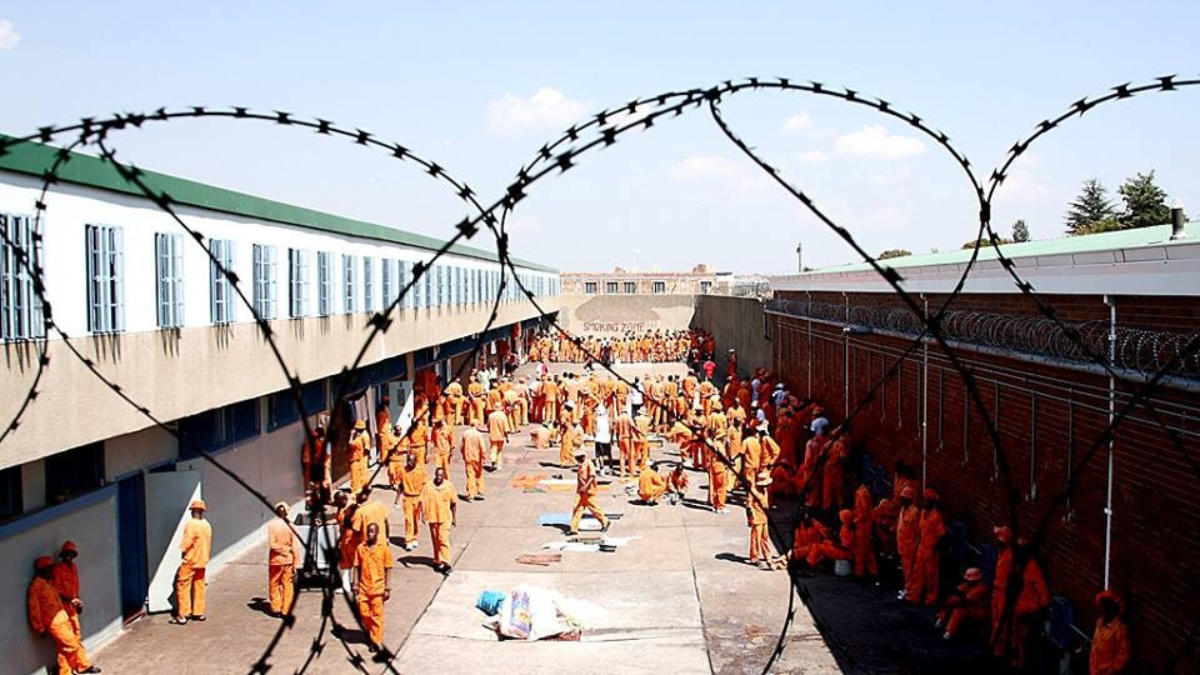
Reports from JISC and DCS indicate that an estimated 58% of solely general assaults go unreported.
Unreported incidents in the sexual violence and unnatural deaths categories are estimated to have an even higher rate of unreported incidents.
During the Budget Vote Speech in July 2025, DCS Minister Pieter Groenewald addressed the crime and violence within correctional facilities.
“Horrendous crimes are committed and organised from within correctional facilities. This must stop,” he said.
The increasing violence and worsening conditions within the facilities can be attributed to multiple systemic drivers.
The severe issue of overcrowding is evident in specific correctional facilities, with alarming statistics indicating the extent of the problem.
Bizana is currently operating at a staggering 306% of its maximum capacity. Similarly, Pollsmoor Correctional Centre is operating at 248%.
This level of overcapacity poses considerable risks to security, inmate welfare, and the effectiveness of rehabilitation programs.
Additionally, there are only 71 psychologists and 77 social workers to serve approximately 160,000 inmates.
The shortage results in leaving mental health issues, which are a primary driver of violence, largely untreated.
Research from the Centre for the Study of Violence and Reconciliation (CSVR) identified three primary reasons inmates remain silent about violence.
Approximately a quarter of inmates who participated in the study experienced a sense of futility, where many inmates believe that reporting won’t make a difference.
Fear was reported by 20% of participants. Victims fear retaliation from prison gangs like the infamous Number Gangs or correctional staff.
JICS has also noted that DCS officials sometimes obstruct investigations or delay post-mortem reports.
This complicates the official recording of violence, causing more incidents to go unreported and hindering the department’s ability to gather accurate statistics.
Violence, overcrowding and a lack of resources heavily affect the effectiveness of the rehabilitation of offenders, often resulting in repeat offenders.
The conditions in South Africa’s prisons call for systemic reform. Groenewald said during the Budget Vote Speech that these issues pose a challenge to facilities’ attempts to rehabilitate offenders and to create safer communities in their entirety.
- By Zané Steyn for Newsday.











 Loading ...
Prison is not a hotel, if you don’t like people swearing at you and “verbally abusing” you, then don’t commit crimes. Complaining about people being rude and swearing at them after the things they did is a joke. You can throw away the key for all I care.