
The South African river so toxic it foams



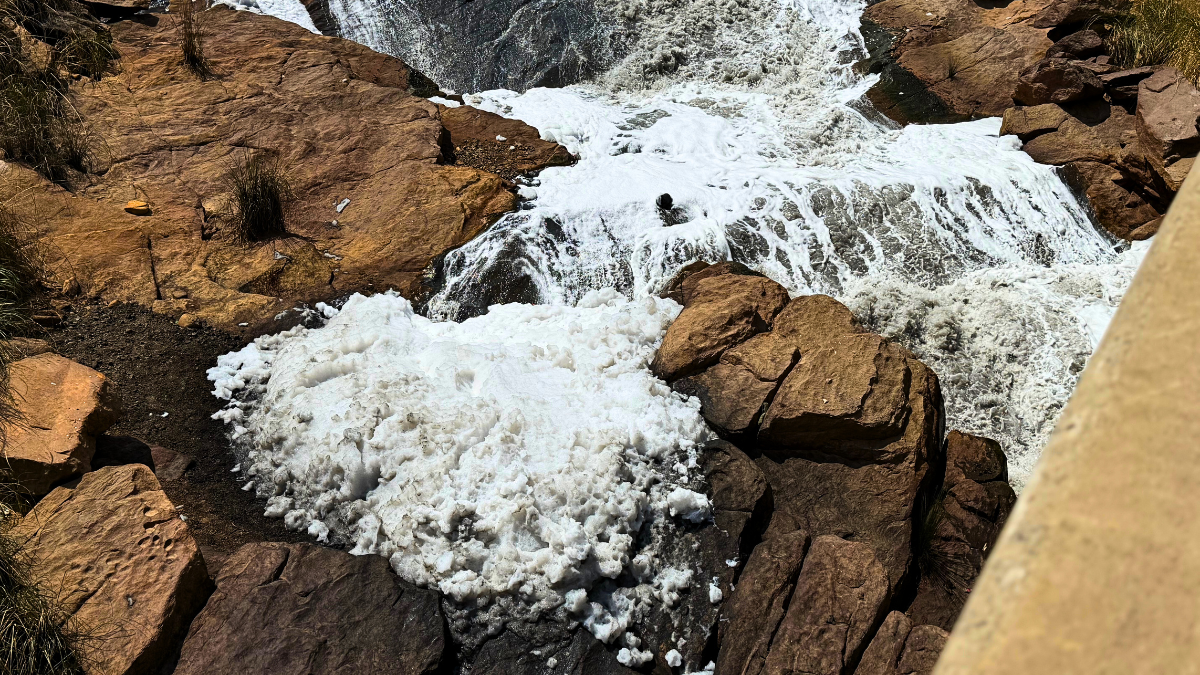
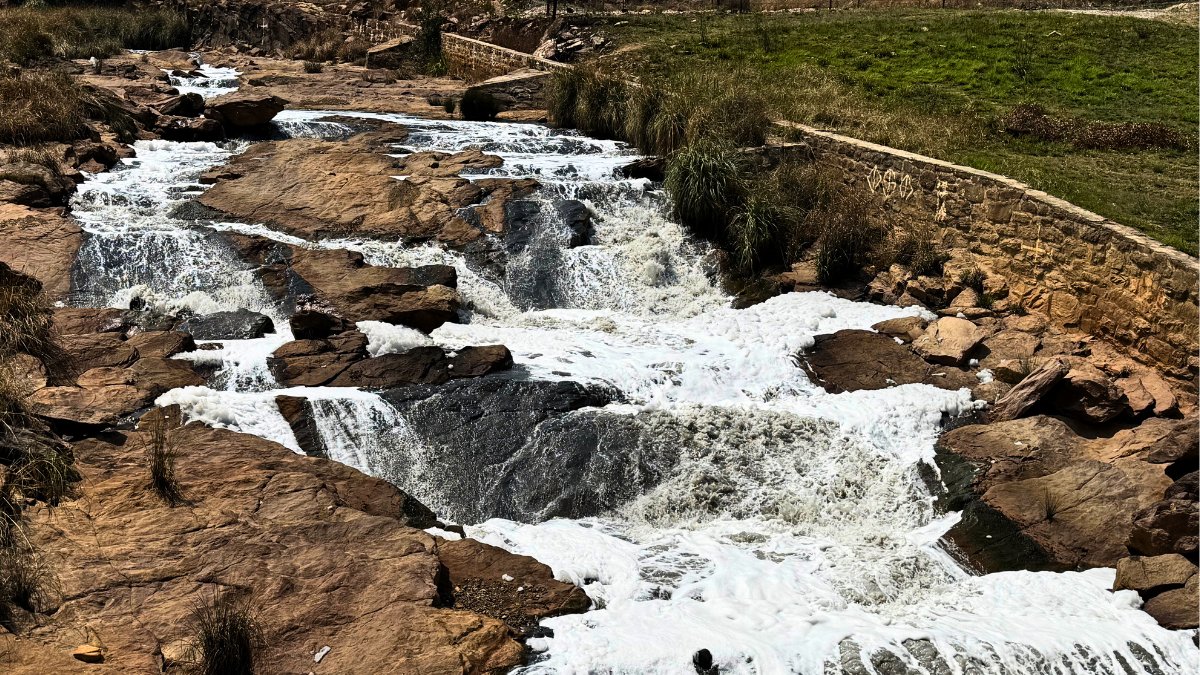
Rushing through the heart of the Gauteng province in South Africa, the 100km Klip River, a vital water source feeding into the Vaal River System, has reached critical pollution levels.
The Klip River flows generally south, turning east along the southern edge of Soweto. It passes through Lenasia, Henley-on-Klip, and Meyerton before joining the Vaal River System.
The water resource serves the surrounding communities, sustaining families, livestock, crops, and local ecosystems. It is also used for religious practices, such as baptisms.
Yet, a study by researchers from the University of Johannesburg (UJ) published this year reveals an alarming presence of polycyclic aromatic hydrocarbons (PAHs) in the river’s sediments.
These are organic chemicals linked to many health problems, including organ damage, developmental disorders, and cancer.
“Beneath its flowing surface lies a hidden danger: cancer-causing organic pollutants accumulating at levels high enough to potentially harm human health, animals, and aquatic life,” said UJ’s Department of Chemical Sciences researchers.
Led by Samuel Makobe, Dr Mathapelo Seopela, and Prof Abayneh Ambushe, the study found that PAH concentrations in Klip River sediments reached 7.41 mg/kg, far exceeding safety thresholds.
“Contaminated sediments threaten communities using river water for drinking, laundry, or irrigation; livestock grazing along banks, risking toxin transfer to meat and dairy; and biodiversity, with PAHs disrupting fish reproduction and amphibian survival,” said Seopela.
Among other findings, Zebrafish embryos exposed to the sediments suffered severe malformations, delayed hatching, and 80% mortality, signalling serious risks for aquatic life and potentially humans.
“The problem is systemic urbanisation, inadequate waste management, and historical pollution have turned the Klip River into a chemical reservoir,” said Seopela.
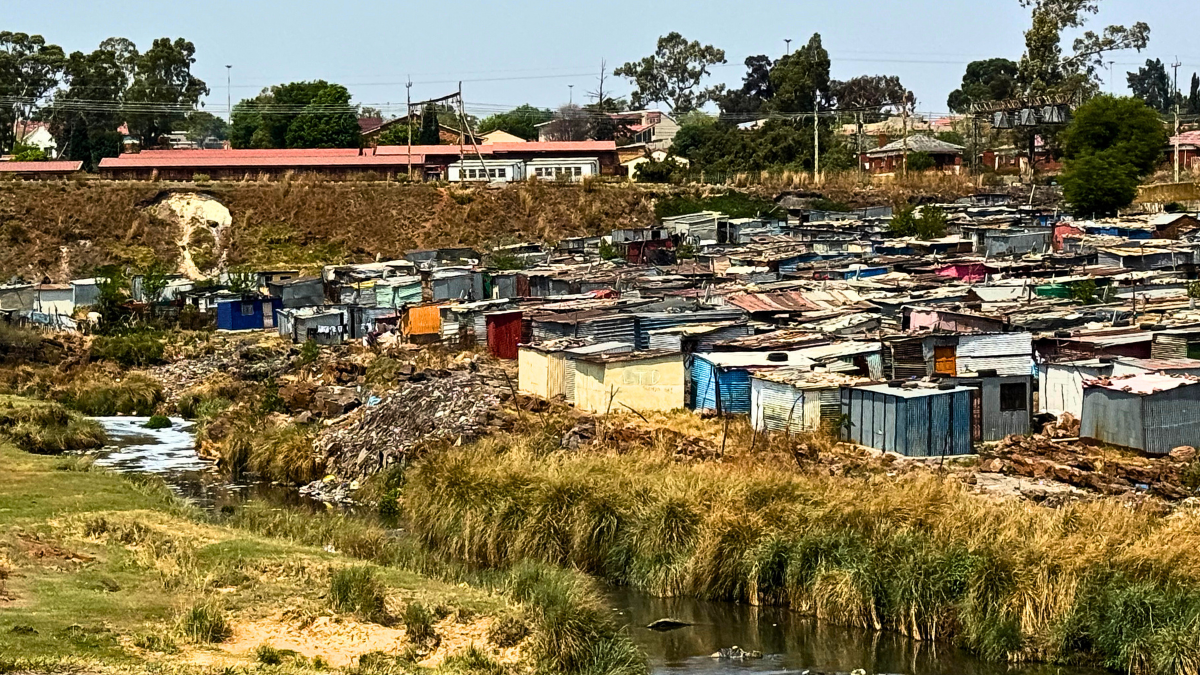
Prof. Ambushe noted that PAHs, persistent and harmful, originate from oil spills, industrial runoff, leaking fuel tanks, and the combustion of coal, waste, and biomass, common in urban and informal settlements near water.
Years of compounding woes
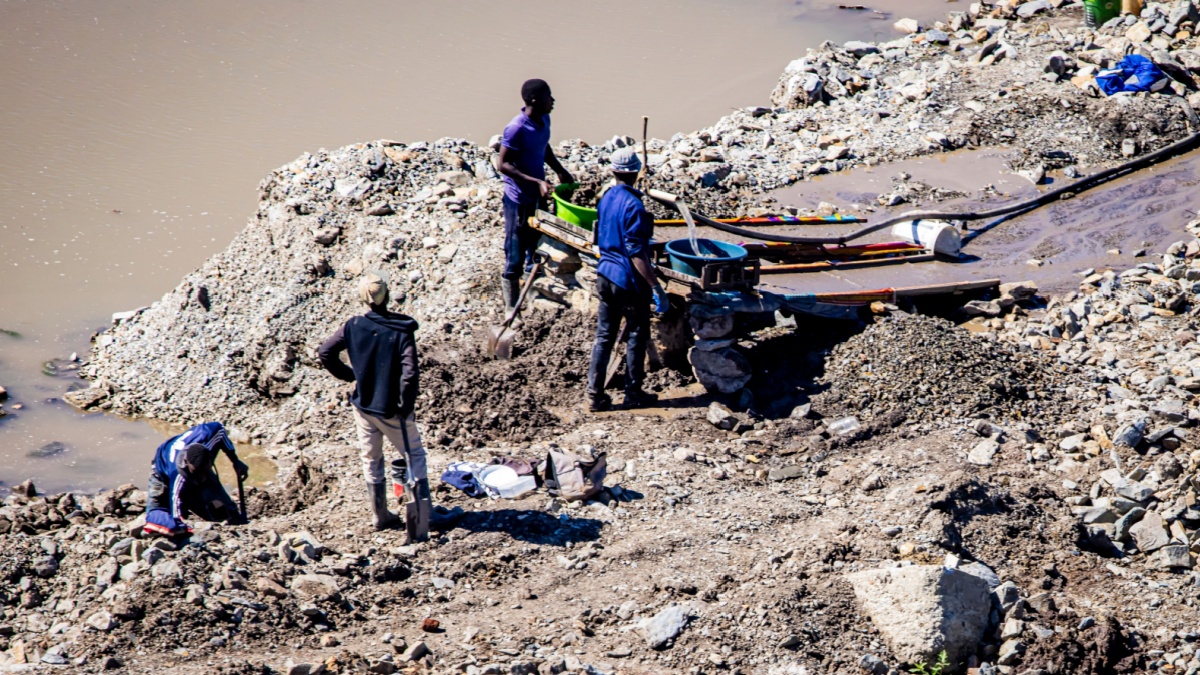
Despite numerous calls for urgent intervention, the Klip River continues to face severe pollution from mining activities, industrial as well as urban runoff, and failing wastewater treatment.
“Ongoing industrial and municipal pollution threatens ecosystems, public health, food security, and basic human rights,” said Dr Ferrial Adam, Executive Manager for WaterCAN.
Adam said that the findings of the research “are shocking, it is unfortunately not unexpected.”
In March 2023, the Klip River was linked to cholera cases in Gauteng when a 10-year-old girl from Katlehong tested positive after being baptised in the river.
Just last year, attempts to use a private company to retrieve the body of a seven-year-old boy who drowned in the Klip River hit a brick wall after police barred divers from entering the contaminated water.
In July 2023, WaterCAN opened a criminal complaint against the City of Johannesburg and its former managers over the ongoing pollution of the Klip River by two leaking wastewater treatment works (WWTW).
The problems were Goudkoppies WWTW in Riversdale and the nearby Bushkoppies WWTW in Eldorado Park.
WaterCAN’s complaint followed the breakdown of the generator at the Goudkoppies WWTW, which forced sewage inflow to be rerouted to Bushkoppies WWTW.
Lacking capacity, Bushkoppies overflowed, spilling raw sewage into the Harringtonspruit, which then flowed into the Klip River and ultimately into the Vaal River.
“We believe that until individuals—whether in government or business—are charged and prosecuted, pollution will continue unchecked,” said Adam.
“Yet, two years after our criminal complaints, no one has been held accountable.” Adam said, “Frustratingly, the wheels of justice turn very, very slowly in the country.”
Water expert and environmental advisor Dr Anthony Turton recently told BusinessTech, “The simple truth is that WWTWs are slowly rendering the country’s drinking water unusable.”
“Without sounding dramatic, South Africa is slowly committing ecocide – national suicide by poisoning its own drinking and crop production water,” said Turton.
He said South Africa mirrors a global crisis, in which a growing population is dependent on a diminishing freshwater supply, with pollution exacerbating the problem.
However, he notes that South Africa is far from mitigation efforts right now, as well as falling behind in key technological advancements in the sector.
Turton said South Africa’s policies are mostly fine but unenforced.
Two key issues exacerbate the crisis:
- The outdated drinking water standard fails to address toxins like cyanotoxins, PFAS, and endocrine disruptors;
- The government’s “Three D’s” approach to the crisis—Deny, Deflect, and Demonise—has eroded public trust, with political parties confusing the public by downplaying dangers like that of blue-green algae.
Turton said the “single most important step is to stand together in holding elected officials accountable, arguing that non-accountability has caused the collapse of the water systems.”
The UJ study highlights Klip River’s pollution crisis and advocates for targeted cleanup, stricter industrial regulations, and community-empowered monitoring.
Seopela urged government departments to enhance environmental monitoring.
Government ‘addressing it’
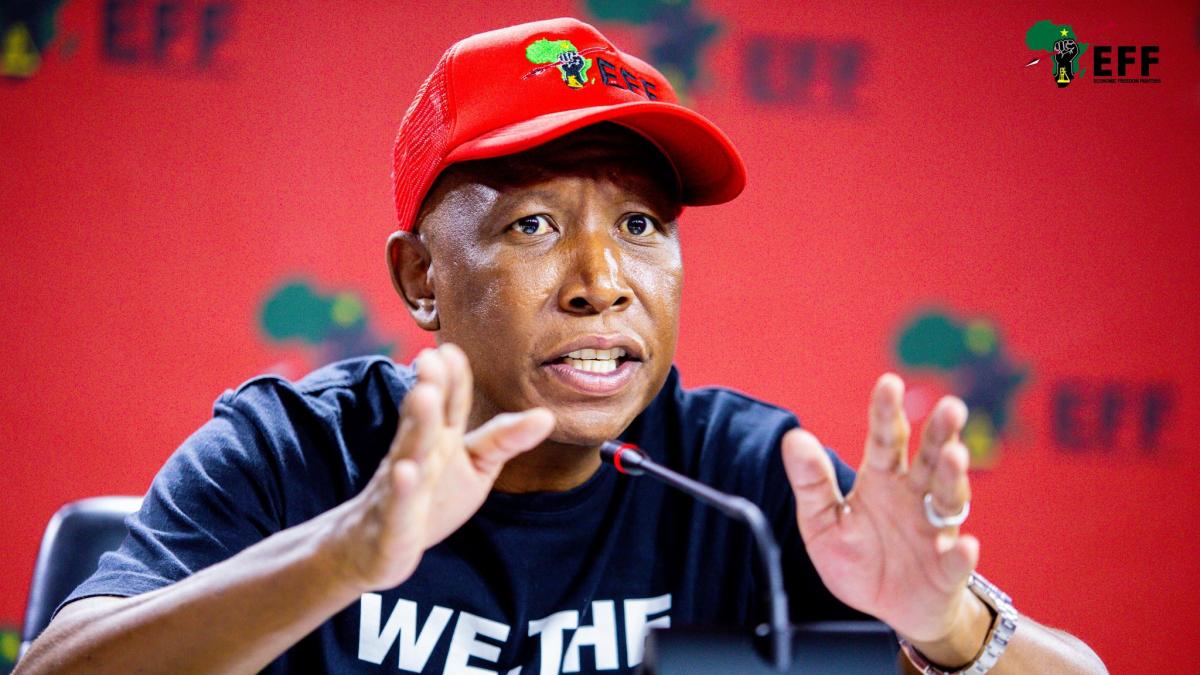
In Parliament, EFF MP Sixolisa Gcilishe grilled Water and Sanitation Minister Pemmy Majodina on her response to the damning UJ study.
The minister said that DWS is addressing water pollution in the Vaal River and Klip River through immediate and long-term measures.
Short-term actions include monitoring effluent discharges, assisting municipalities like Emfuleni and Matjhabeng with wastewater challenges, upgrading the Rooiwal treatment plant, and treating acid mine drainage.
Long-term plans involve implementing the 2022 Mine Water Policy, piloting AMD and sludge reuse, adopting innovative treatment technologies, and enforcing the Waste Discharge Charge System under the Polluter Pays Principle.
Majodina said that legislative reforms are underway to strengthen pollution penalties, hold company and municipal directors personally liable, and improve oversight of water service providers.
Broader sector reforms include a National Water Action Plan, independent regulation, separation of authorities from service providers, improved funding models, and private sector partnerships to ensure sustainable water security nationwide.
In response to questions from DA’s Stephen Moore, Majodina said that the City of Johannesburg, through Johannesburg Water, has implemented an action plan to address pollution from Goudkoppies and Bushkoppies WWTWs.
Bushkoppies is now compliant with its Water Use License, according to the minister, while Goudkoppies is still being improved.
DWS has initiated a criminal case (62/7/2023) against the city for non-compliance and is actively collecting evidence to be handed over to the Directorate of Public Prosecutions.
The minister added that the Department monitors sewer networks and intervenes if blockages or bursts occur.
Water quality in surrounding rivers continues to be monitored, with results shared at catchment forums to ensure ongoing compliance and remediation, she said.
Newsday contacted the Gauteng Department of the Environment for comment, but did not receive a response.







 Loading ...
The problem are those that vote for the cANCer. Where is the so called intelligent people. It cost nothing to keep places clean as the people are the ones that are filthy.