
The school that has produced the most Springbok players



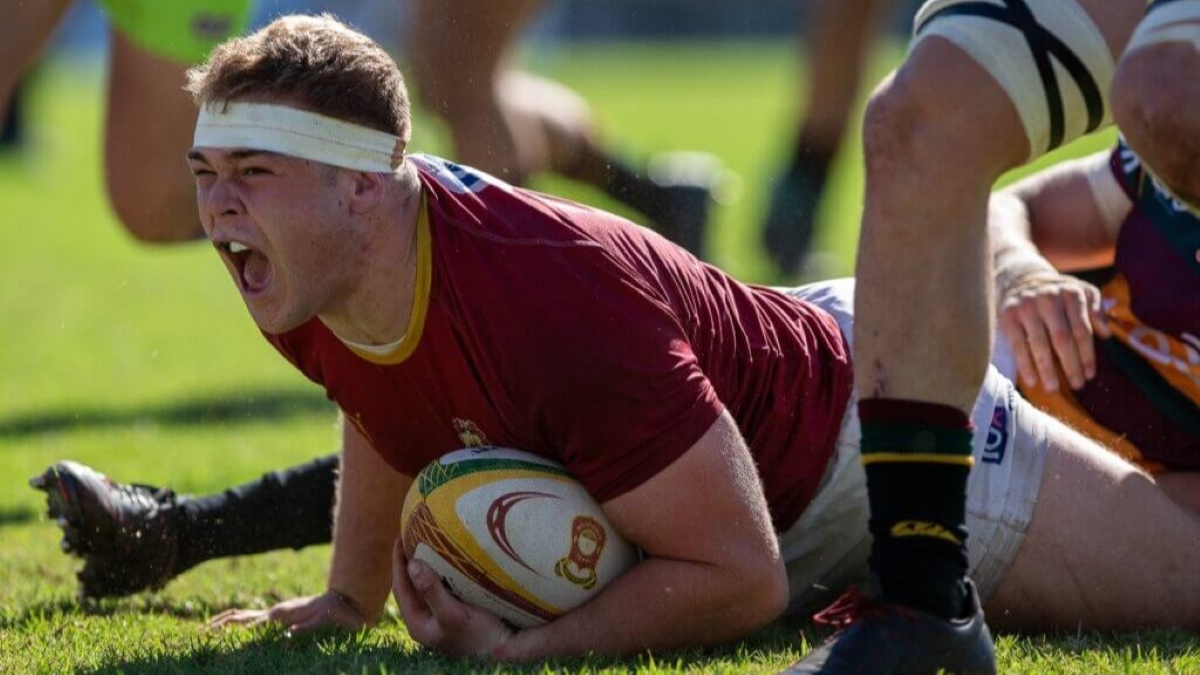
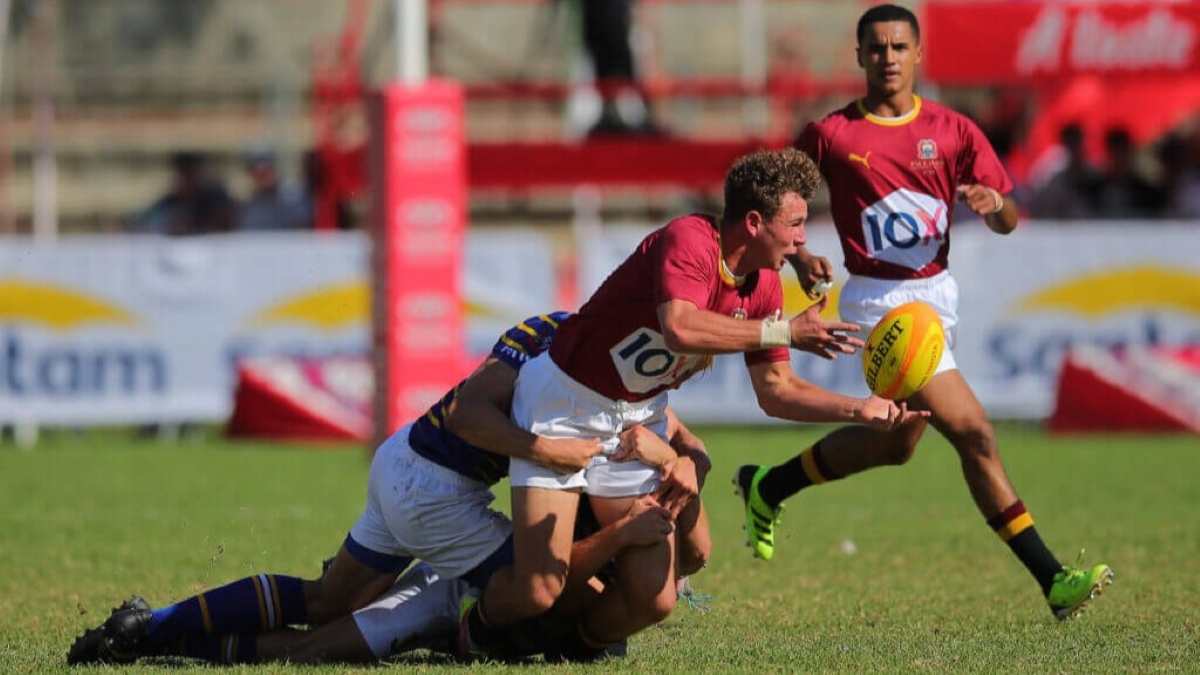
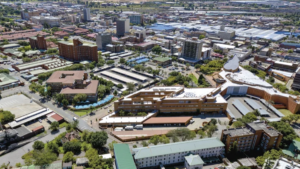
Situated at the foot of the Coetzenberg mountains in Stellenbosch lies Paul Roos Gymnasium, the South African school that has contributed the most rugby players to South Africa’s national team at 56.
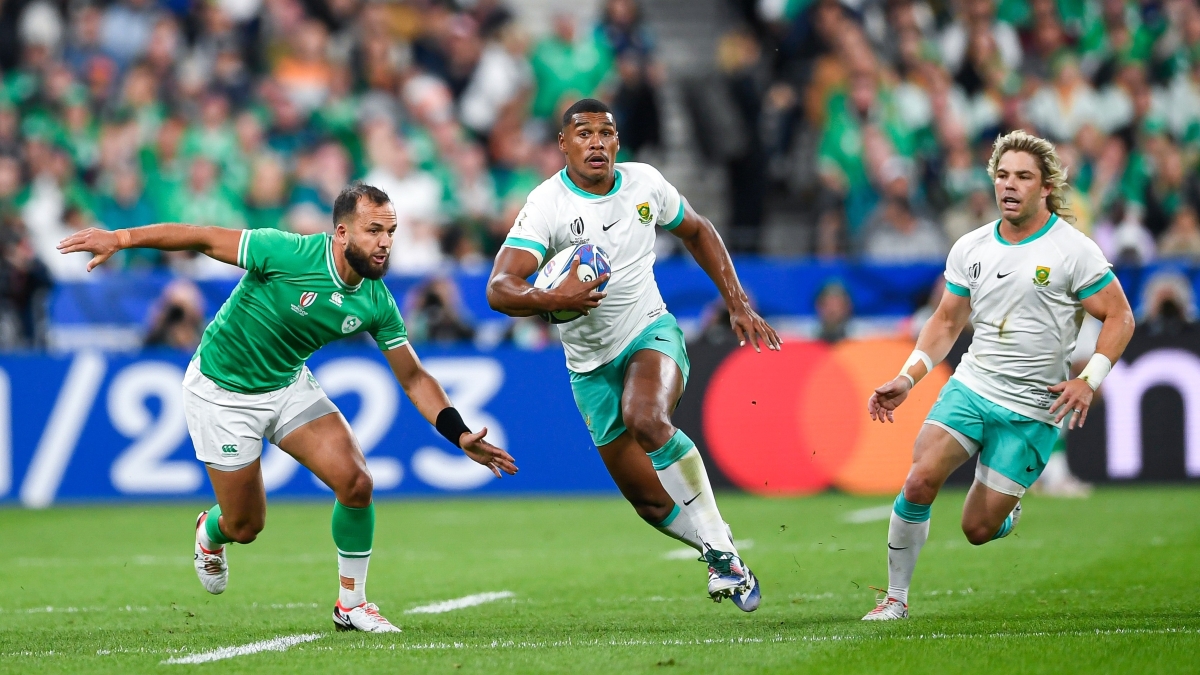
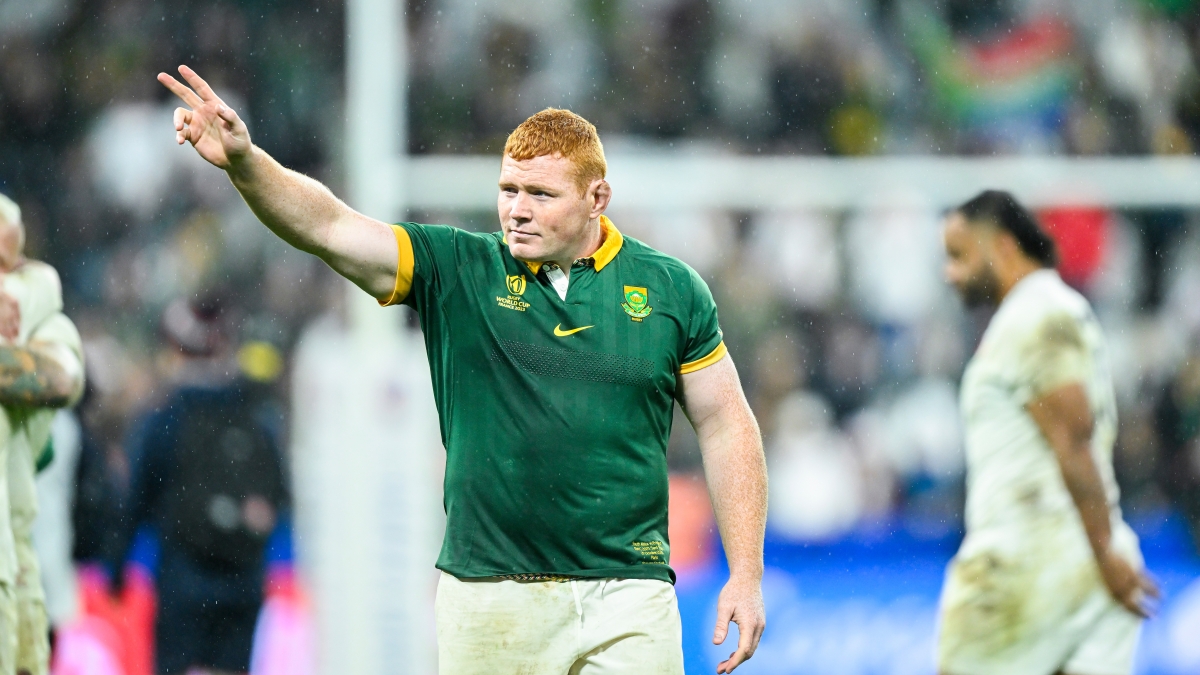
Some notable names include the 2023 Rugby World Cup winners Damian Willemse, Willie le Roux, and Steven Kitshoff, as well as Schalk Brits and Andries Bekker.
The school was founded in 1866 after 30 Stellenbosch residents decided to erect a gymnasium, or Latin school, in the area a few years earlier.
According to a letter written by Reverend J.H. Neethling to the Superintendent-General of Education of the Cape Colony, these residents promised £465 (R930) per annum.
The first headmaster of the school was W.E.W. Braid, and its first building was located in Dorp Street, initially called Stellenbosch Gymnasium.
This was several years before Paul Roos was even born.
It was not until 1870 that the first five students matriculated. Although the institution lacked the capacity for tertiary education, four of these learners achieved Second Class Certificates in 1873.
The following year, several Acts were passed in Parliament that allowed for universities and colleges to be subsidised by the state.
This allowed Stellenbosch Gymnasium to acquire its first professor the following year and to have its first academic senate constituted in 1876.
In 1879, it was decided that secondary and tertiary education at the school would be separated, with the university becoming Stellenbosch College.
In 1885, the tertiary part of the school moved to Van Ryneveld Street and was renamed Victoria College two years later. This would go on to become Stellenbosch University after achieving university status in 1918.
Paul Roos was born in October 1880. His earliest recorded rugby matches were for Victoria College’s third team at the age of 17.
However, he slowly progressed through the ranks and eventually broke into the First XV in 1899. After a brief stint away, he returned in 1901 and was captaining the team in 1902.
Roos was selected to represent the Western Province side in 1903. However, he declined the offer because of his duties as an educator at Stellenbosch Gymnasium.
When Western Province captain ‘Fairy’ Heatlie attempted to convince him, he said, “I cannot go because I have my duties here.”
However, a professor at Victoria College argued that “your team also require you, and that is also a duty.”
Roos eventually admitted defeat and joined the side that went on to win the Currie Cup that year.
After playing his first international match for the Western Province side against the British Isles that same year, he was selected to represent South Africa.
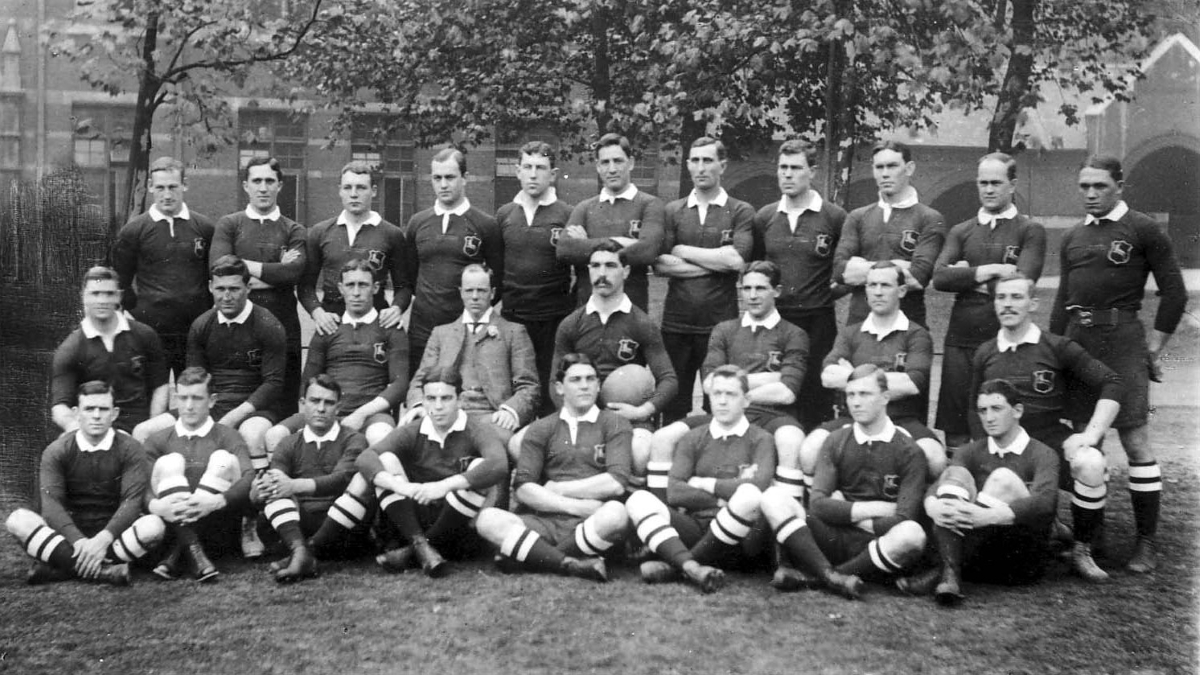
Three years later, he was elected captain of the Springbok side on its first international tour to the British Isles, which included a victory against Wales, considered the best team in the world at the time.
It was on this tour that he told reporters to call his side “De Springbokken” or “Springboks”, earning the team the nickname that is still used today.
Becoming headmaster
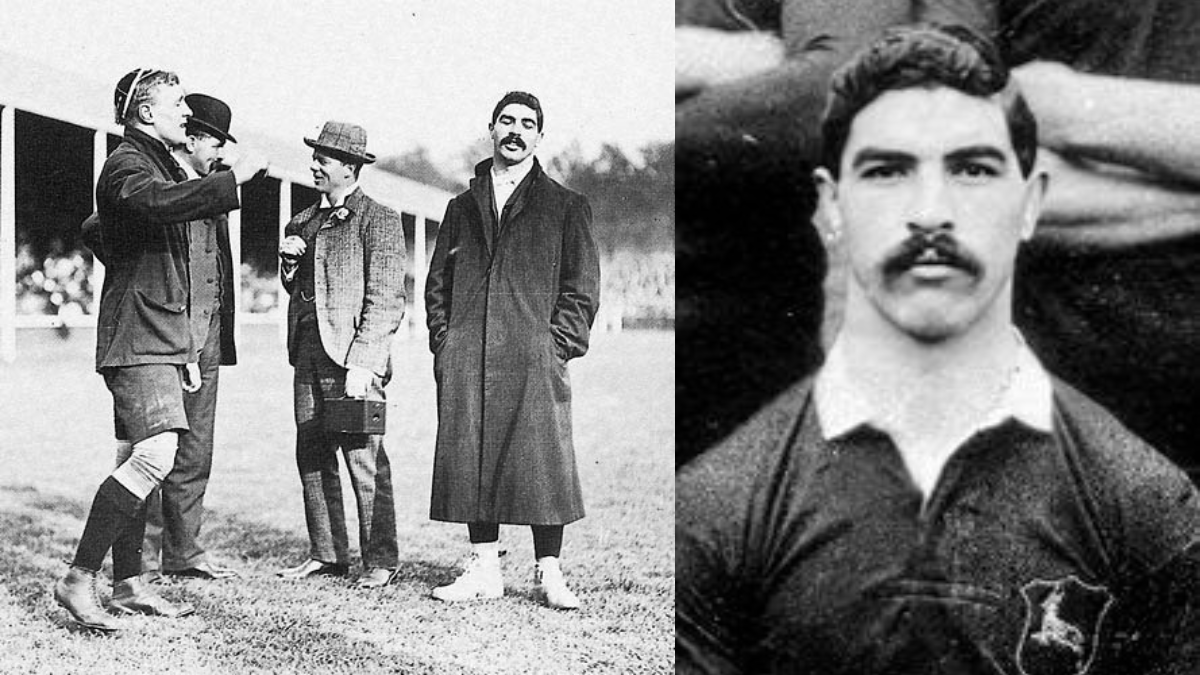
In 1910, Roos returned to the school he had attended as a boy, becoming the rector of the school, which was renamed Stellenbosch Boys’ High School that year.
While he was described as a strict disciplinarian who never spared the rod, many remember him for his interest in the material and spiritual welfare of every learner.
According to the school, “education was his life and education his first love. He was a ‘workaholic’ who was always ‘nearly on time.’”
He remained the headmaster for the next three decades until his retirement in 1940, when the school was renamed Paul Roos Gymnasium.
Since he departed from the school over 80 years ago, several matriculants of Paul Roos Gymnasium have gone on to represent their national teams.
During the 2019 Rugby World Cup in Japan, which South Africa won, the school had more old boys representing their national teams than any other, with five.
Players included Schalk Brits, Willie le Roux, Steven Kitshoff, and Herschel Jantjies, who represented the Springboks, and Braam Steyn, who played for Italy.
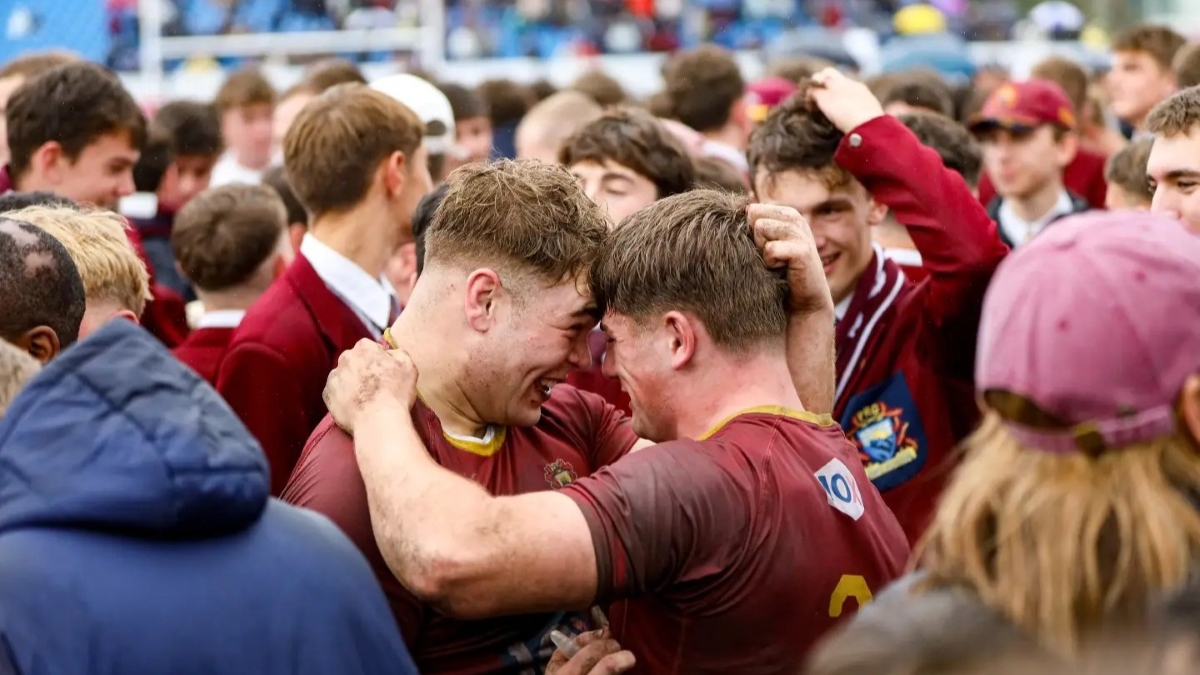
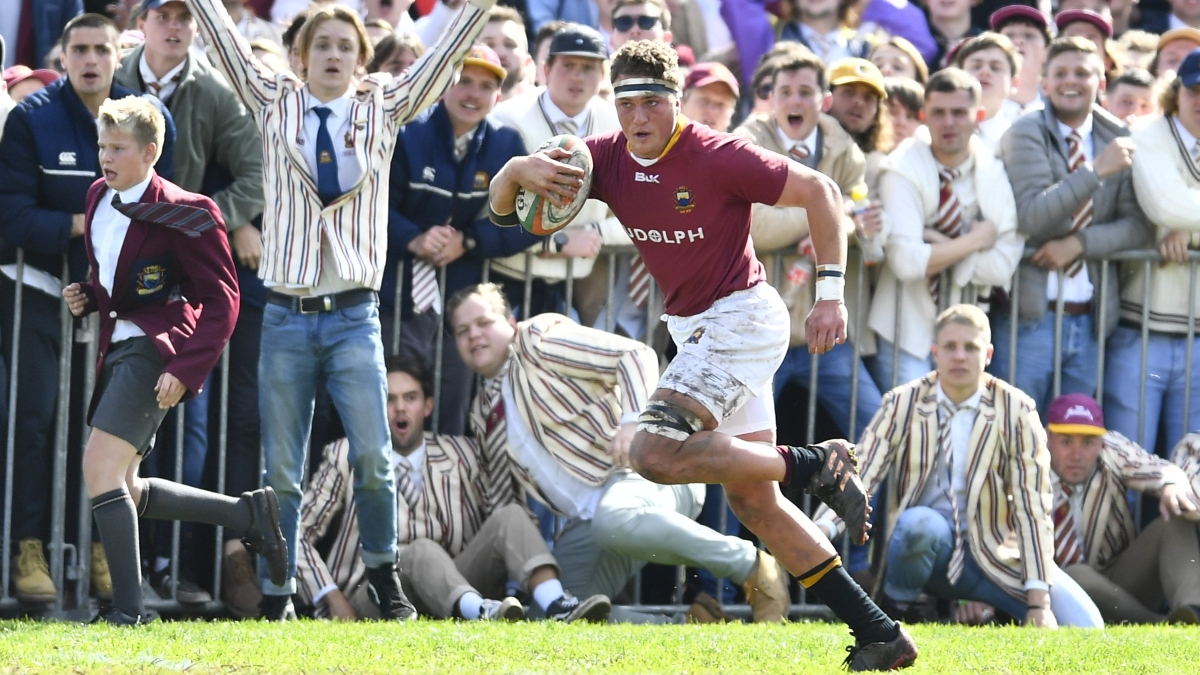
Paul Roos Gymnasium’s biggest school sports derby is against Grey College in Bloemfontein, with festivities and sporting events lasting for several days.
The first team hockey and football teams battle it out on the friday and the first rugby sides conclude the weekend when they battle it out on the Saturday afternoon.
The school itself is a dual-medium institution, offering English and Afrikaans classes, and has two sister schools, Bloemhof and Rhenish, which are solely Afrikaans and English, respectively.
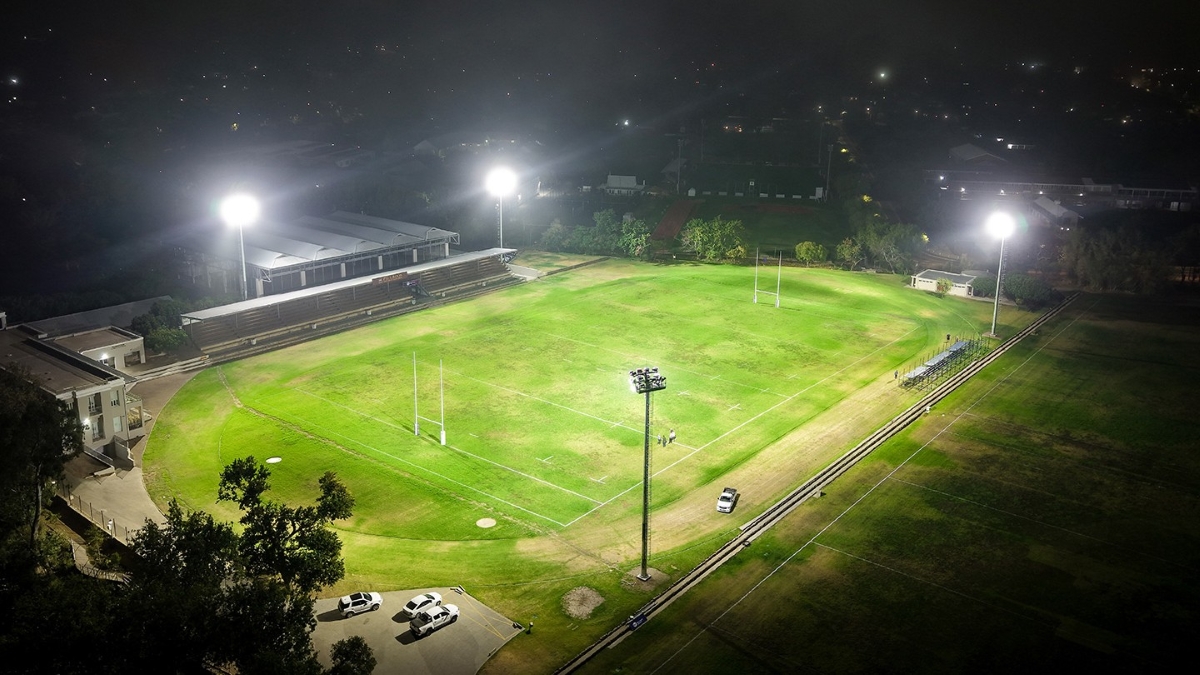
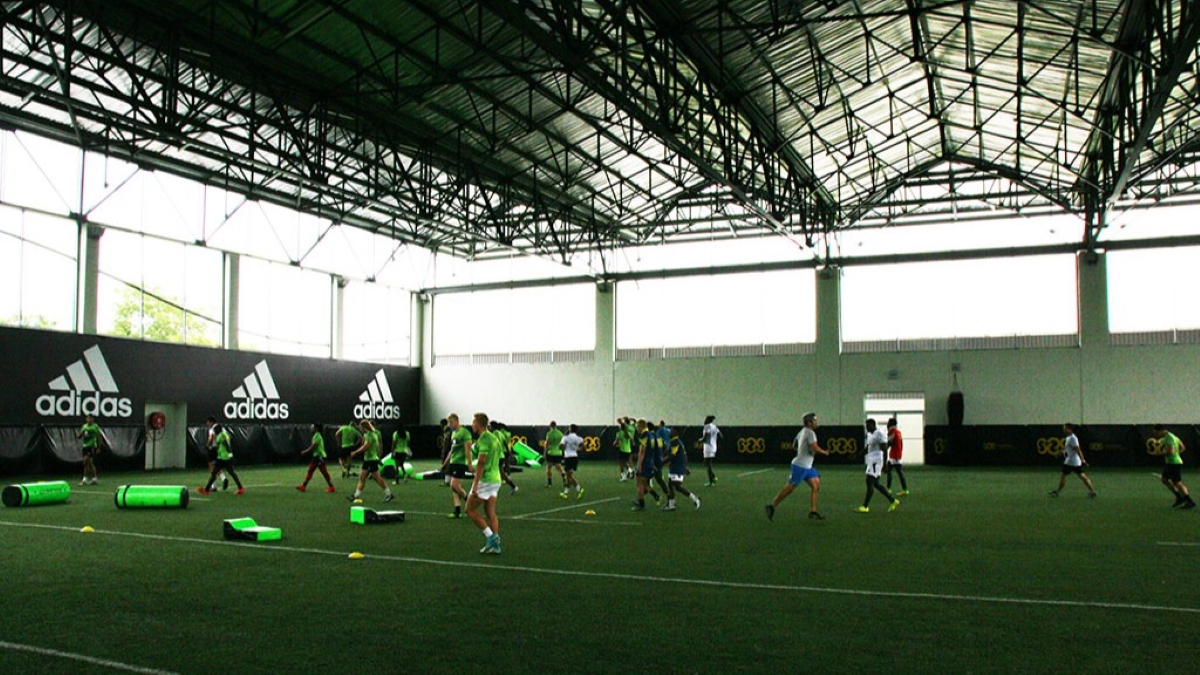
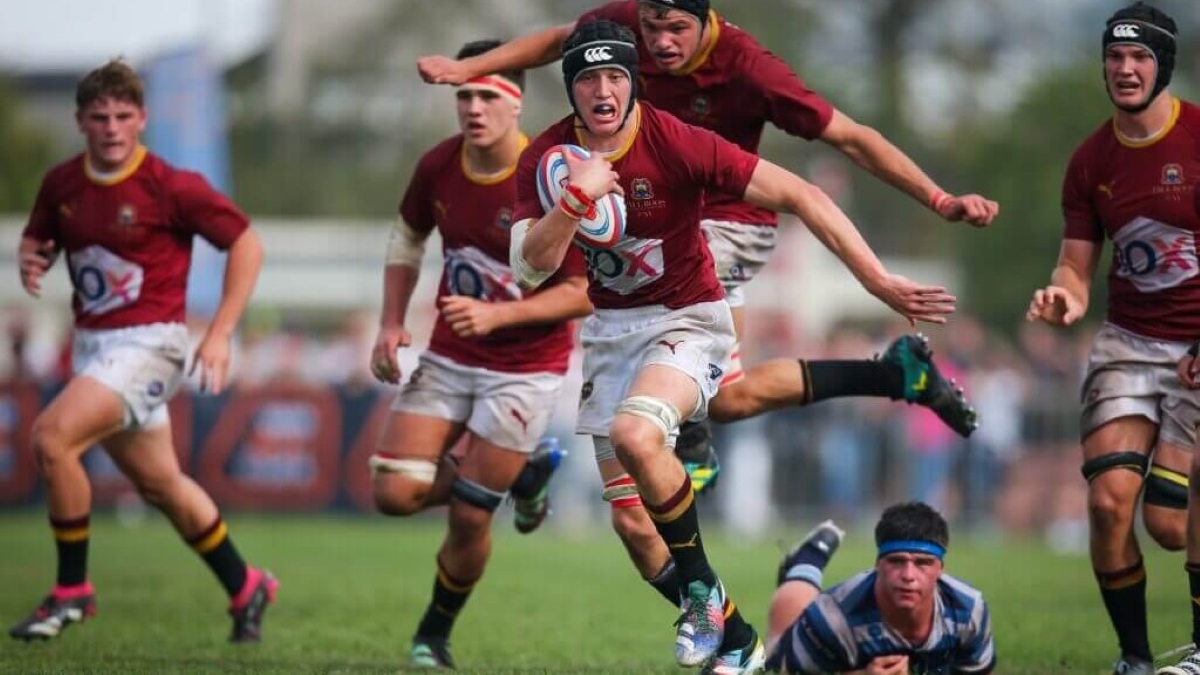
While rugby is a primary focus at the high school, having heavily invested in state-of-the-art training facilities, it also offers a wide variety of other sports.
These include water polo, e-sports, hockey, golf, mountain biking, football, swimming, tennis, cricket, and chess, among others.
It has two boarding houses known as Prima and Nova, which collectively accommodate 245 boarders, nearly a quarter of the school’s headcount.
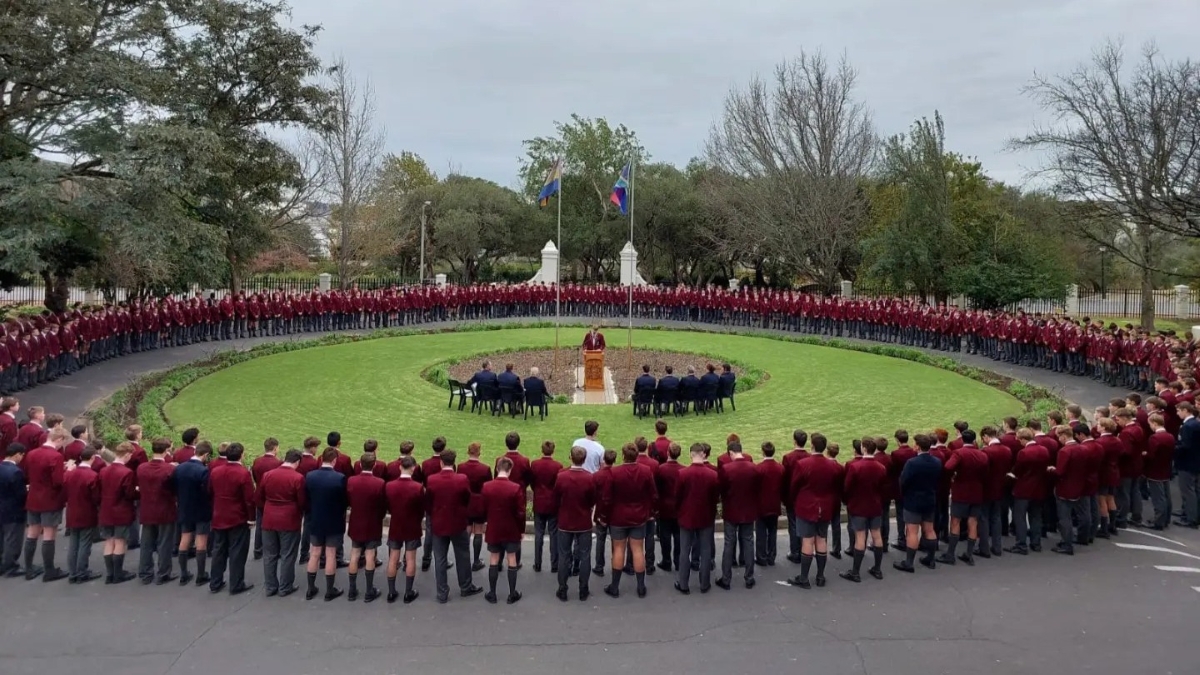
Images of Paul Roos Gymnasium












 Loading ...