
South Africa officially throws its hat in the ring to host the Olympic Games



The South African government has officially announced its intention to bid for the hosting of the Olympic and Paralympic Games in 2036 or 2040.
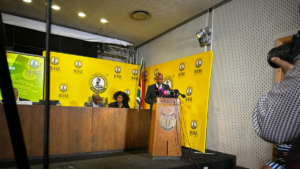
Briefing the media on the outcomes of a cabinet meeting on Thursday, 13 November, Minister in the Presidency, Khumbudzo Ntshaveni, officially announced the plan to try and host the global event.
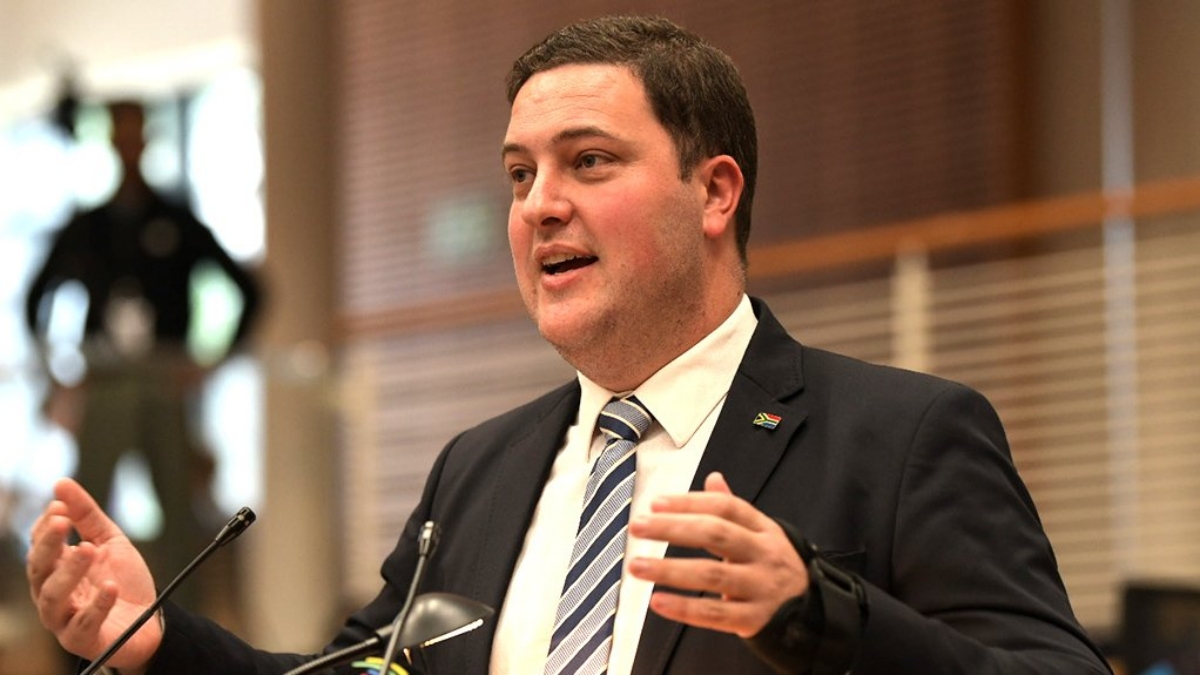
This is after Minister of Sports, Arts and Culture Gayton McKenzie has been pushing to host the event for about a year, holding discussions with the International Olympic Committee.
“Cabinet has approved South Africa to enter into a continuous dialogue with the IOC,” Ntshaveni said.
This preliminary engagement, according to the minister, is a critical step in the process of bidding for the rights to host the Olympics.
“Cabinet is confident in South Africa’s ability and readiness to host the Olympic Games, given South Africa’s available infrastructure,” said Ntshaveni.
The minister added that not much investment in infrastructure is needed to prepare for the sporting event, given the infrastructure from the 2010 FIFA World Cup.
“Even if we are offered the games tomorrow, Cabinet is confident that we would be able to host them.”
The continuous dialogue is the official second step in the bidding process, according to the IOC.
During this stage, South Africa will receive bespoke support from the IOC to help it design a Games plan and vision with maximum benefits for local communities.
This stage is still flexible and does not require financial commitment or guarantees. The IOC will conduct a feasibility study to assess the state of progress and help South Africa make improvements to its plan.
The IOC will also commission an independent, third-party organisation to investigate the human rights situation in South Africa.
The purpose of this stage is to make sure that the organisers have put sustainability and legacy at the centre of their bid proposal.
Costing concerns
Upon successful completion, South Africa will then move to the “targeted dialogue” phase, which is when discussions include a specific Games year.
After the targeted dialogue phase, preferred hosts are chosen, and then a final host is elected. McKenzie initiated the process to host the 2036 games in November 2024.
This sparked debate, with those in favour arguing that the Games could stimulate economic growth and job creation, while elevating South Africa’s image and fostering national unity.
Critics said, however, there is a risk of overspending, unused infrastructure and reputational damage if expectations are not met.
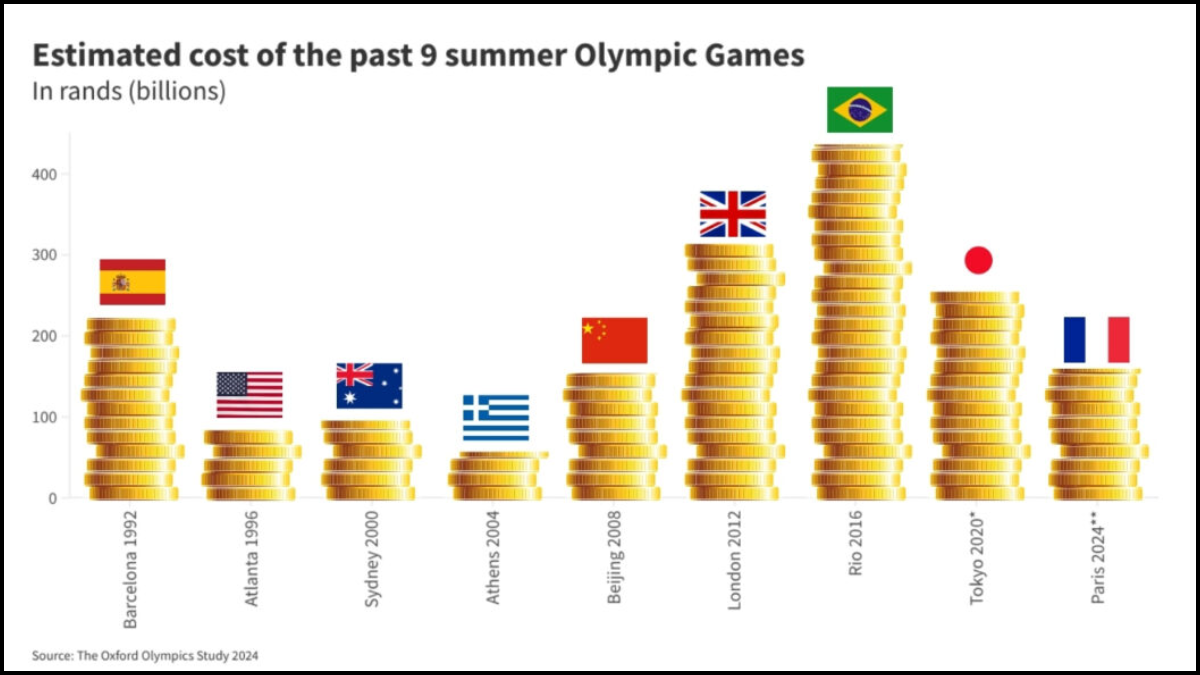
The cost of hosting the Olympics is substantial. In the paper titled Regression to the Tail: Why the Olympics Blow Up, Bent Flyvbjerg, Daniel Lunn, and Alexander Budzier found the average sports-related cost of hosting the games to be $12 billion (R218.8 billion).
Costs have reached up to R526 billion before. This excludes costs such as airport infrastructure and hotel upgrades.
McKenzie began non-committal discussions with the IOC in November, after the ministry met with the committee in Lausanne, Switzerland.
The IOC said at the time that there are a double-digit number of interested parties from four continents to host the 2036 games.
The Olympic Games have often left their host countries with significant financial burdens and economic setbacks.
This was the case for games held in Athens, Montreal, and Rio. McKenzie said that the cost of putting in a bid has now dropped by as much as 80% due to a new approach.









 Loading ...
Oh boy. Tenders, anyone?