
South Africa has one thing the United States wants


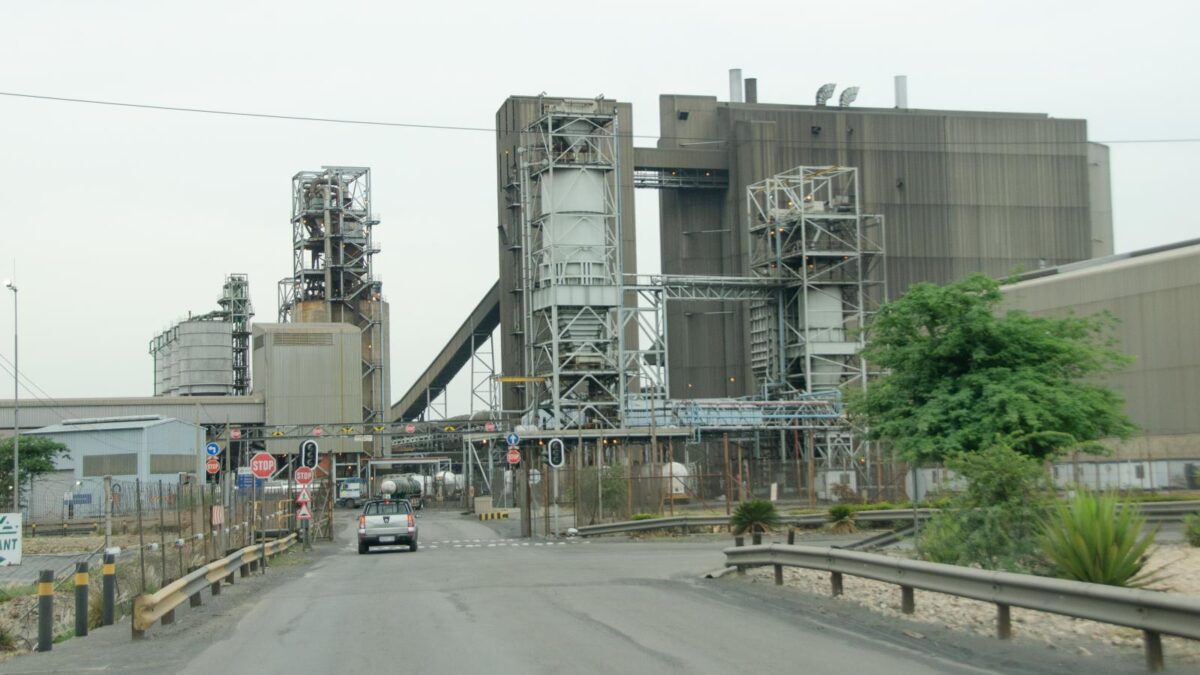
South Africa is the largest supplier of platinum, rhodium, chromium, and military-grade vanadium to the United States.
It is the second-largest supplier of manganese and palladium, and also exports gold, iron ore, and aluminium products to the world’s largest economy.
These minerals are used in important sectors in the United States, including defence, aerospace, semiconductors, and advanced manufacturing.
For many of these minerals, there are no alternative suppliers to the United States among its allies, like Canada and Australia.
If the United States wanted to cut ties with South Africa, it would have to rely on rivals like Russia and China for some of the minerals.
This makes South Africa an important strategic partner for the United States, despite the political turmoil between the two countries.
Unsurprisingly, South Africa has been leveraging its natural resources, particularly critical minerals, in its negotiations with the United States.
Last year, President Cyril Ramaphosa said that South Africa wants to export critical minerals to the United States. However, he had a demand.
“We want the minerals to leave the shores of South Africa as finished products. So that is the type of discussion that we are having with them,” he said.
Gracelin Baskaran, a director of the critical minerals security program at the Centre for Strategic and International Studies (CSIS), said there is an upside to the situation.
She argued that the United States’ demand for critical minerals can help rebuild the two countries’ weakened relationship.
“Despite the political and diplomatic tensions, South Africa remains one of the vital strategic mineral suppliers for the United States,” she said.
She urged the United States government to finance strategic infrastructure and project developments in South Africa.
This financing can de-risk projects, unlock private investment from the United States, and expand funding across mining, power, water, and transport.
To attract and receive this funding, South Africa will need a globally competitive investment regime which safeguards capital.
She suggested exemptions from black economic empowerment (BEE) requirements for strategic mineral projects in South Africa.
United States Senate approved a two-year extension of AGOA
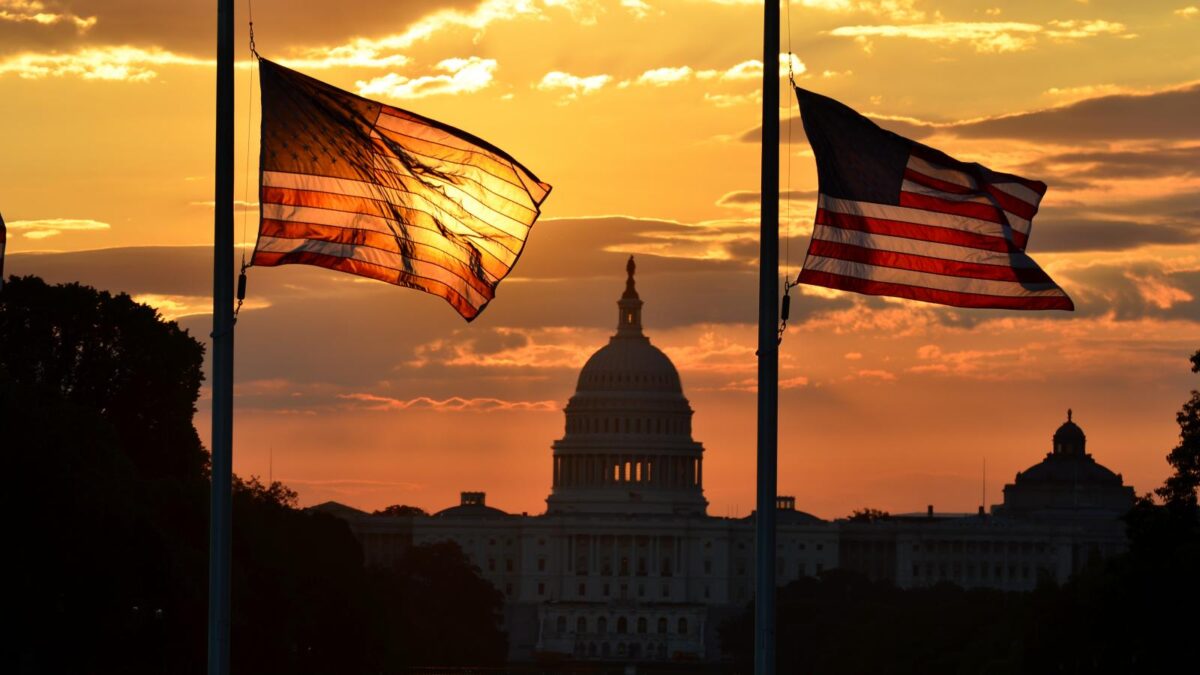
The United States Senate has approved a two-year extension of the African Growth and Opportunity Act (AGOA), keeping it in place until the end of 2028.
AGOA applies to eligible minerals and commodities exported from South Africa to the United States, granting duty-free access.
These include platinum group metals (PGMs), certain ferro-alloys, and critical minerals used in American industrial supply chains.
It is, therefore, good news for both countries if the African Growth and Opportunity Act remains in place.
South Africa receives preferential access to the United States market, and its industries receive more affordable access to valuable minerals.
The Act has been a political plaything. There was a late extension to the programme in February 2026, which allowed the trade deal to continue until the end of the year.
The February extension came five months after the Act lapsed in September 2025, and applied retroactively.
The new extension will ensure that a similar lapse doesn’t occur again, aiming to keep AGOA in place until the end of the current US presidential term.
The bill will now proceed to the House of Representatives for concurrence before it is sent to US President Donald Trump for assent.
Notably, the bill approved by the US Senate only changes the end date of AGOA from 2026 to 2028 and makes no other changes.
This means that all 32 countries, including South Africa, remain eligible for the African Growth and Opportunity Act.
This is a significant boon for South Africa, which has had an icy relationship with Washington under the Trump administration.










 Loading ...
It would be great if our government had a clue about how to negotiate and how to run an economy.
Unfortunately, since we don’t have a clue, our minerals are not going to be well leveraged. We will end up getting cosy with thug nations like Iran, Russia and China and squandering our resources.
This is what happens to dumb and dishonest people.