
One institution which the ANC did not break in South Africa


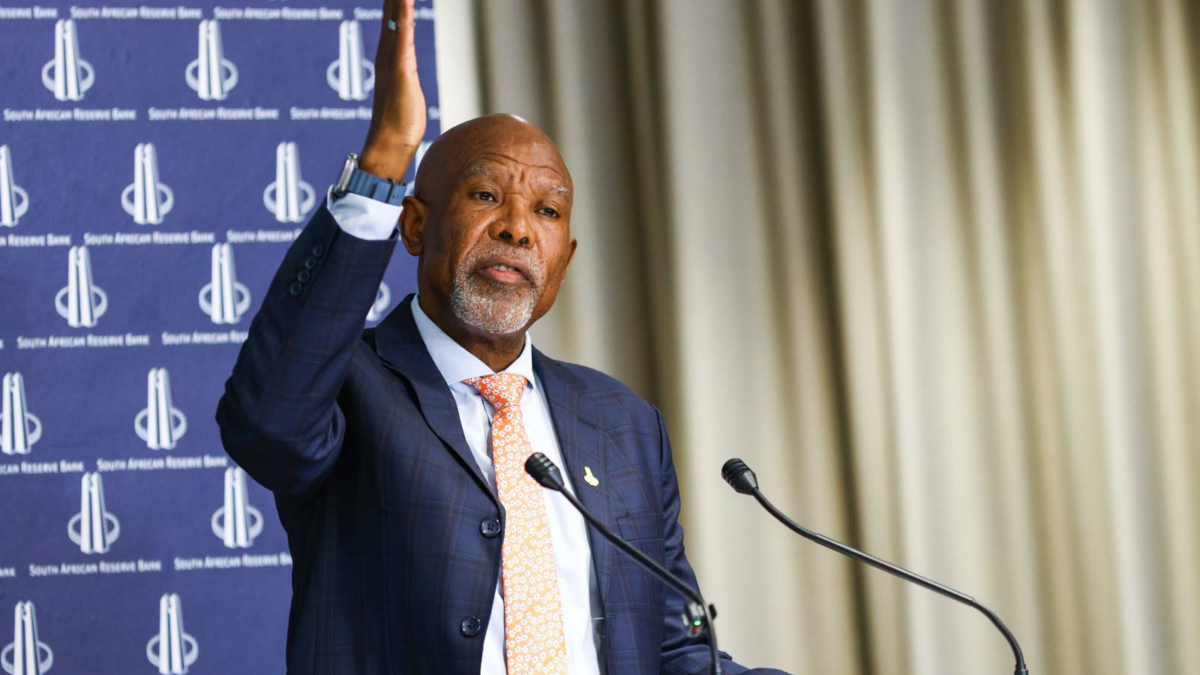
The South African Reserve Bank (SARB) is a well-run institution which does a good job of protecting the value of the currency.
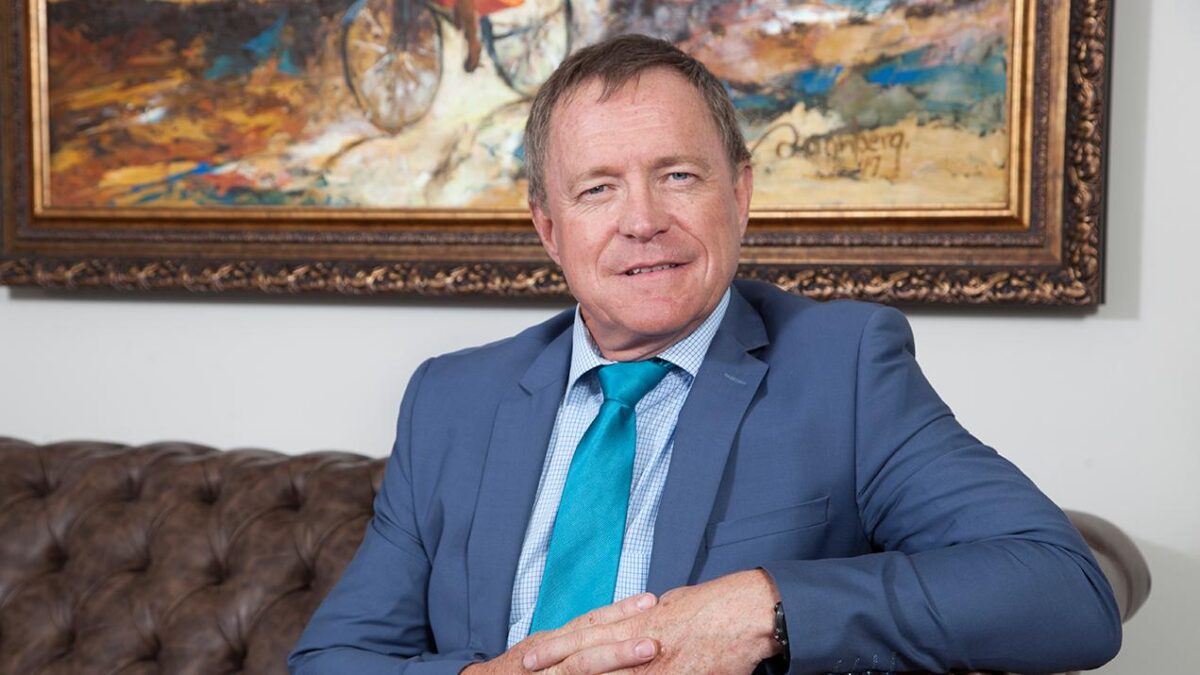
This, Efficient Group chief economist Dawie Roodt said, is an exception to an otherwise poorly run state sector.
The South African Reserve Bank was established in 1921, making it the oldest central bank in Africa and the fourth-oldest outside Europe.
Following the First World War, financial instability and abnormal gold price movements disrupted South Africa’s commercial banking system.
Commercial banks were issuing their own gold-backed notes, leading to gold smuggling and a strain on reserves.
Parliament passed the Currency and Banking Act of 1920, officially forming the South African Reserve Bank.
South Africa’s central bank opened its doors on 30 June 1921, taking over sole authority for issuing banknotes. At the time, the South African Pound was used.
On 14 February 1961, just months before South Africa declared a republic, the country replaced the Pound with the Rand at a rate of 2 Rands to 1 Pound.
The South African Reserve Bank has always been an independent institution, which was written into Section 224 of the 1996 Constitution.
Its mandate is to protect the value of the local currency in the interest of balanced and sustainable economic growth.
In 2000, the South African Reserve Bank adopted an explicit inflation target range of 3% to 6% for the consumer price index (CPI).
This shifted the central bank’s focus from intermediate money supply targeting to interest rate management.
In November 2025, the South African Reserve Bank officially moved its inflation target to 3% with a tolerance band of 1%.
The South African Reserve Bank is a well-run institution
South Africa’s public institutions, including the SA Police Service, the National Prosecuting Authority (NPA), and local authorities, are in a dismal state,
In contrast, the South African Reserve Bank remains a well-run and independent institution which resists political interference.
Roodt said that the Reserve Bank does a fantastic job at handling interest rates and maintaining capital buffers to safeguard the financial system.
He added that the Reserve Bank Governor Lesetja Kganyago, who has led the institution since November 2014, is an excellent leader.
Roodt further praised the decision to lower the inflation targets to 3%, saying it had a positive effect on the South African economy and markets.
He explained that lower inflation expectations reduced risk premiums and initially drove significant foreign capital inflows into South African bond markets.
“Not only were inflation targets lowered, but actual inflation and inflation expectations also started coming down,” he said.
“Now that inflation and inflation expectations have been coming down, the risk margin associated with South Africa was also reduced”.
He explained that the Minister of Finance, Enoch Godongwana, resisted this shift because politicians benefit from higher inflation.
“High inflation erodes the real value of state debt, helping the National Treasury manage national debt levels, and provides cover for wage demands,” he said.
However, South Africa’s interests triumphed, which means the country now has a more stable financial system.










 Loading ...
The article doesn’t mention, that unlike most central banks worldwide,the SARB is privately owned.