
Only factory of its kind in South Africa to be shut down


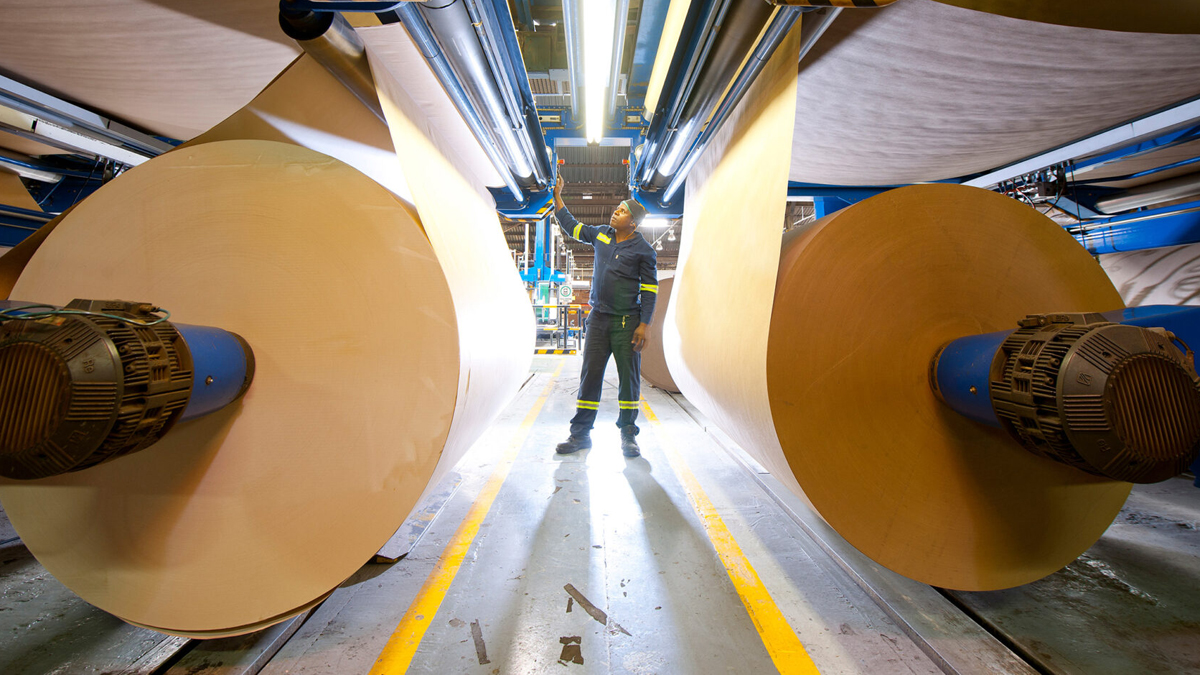
South Africa’s only cartonboard-producing mill, located in Springs, is set to be shut down at the end of March due to the rapid rise in cheaper imports.
The mill cannot compete with these imports due to the global oversupply of cartonboard and the strength of the rand, which makes it even cheaper to import products.
However, this is not the full story, with the mill’s owner, Mpact, regularly highlighting in its annual reports that the Springs mill has been struggling with electricity and water supply disruptions.
Sales from the mill have also been steadily declining over the past few years amid a stagnant local economy, which has resulted in lacklustre demand.
Mpact, founded in Port Elizabeth in 1877, is one of South Africa’s largest producers of packaging, with it being valued at R3.2 billion on the JSE.
Despite its scale and expertise, the company has been forced to consider shutting down the Springs mill after its largest customers have notified it that they will be moving to imports to meet their demand.
This was revealed in a statement from the company released on the JSE’s stock exchange news service. The company said its board has approved the beginning of a section 189A process for the mill’s 377 employees.
Mpact’s Springs mill is the only domestic producer of cartonboard, with it supplying iconic brands such as Blitz firelighters, Freshpak rooibos, and KFC in South Africa.
“The mill is the only domestic producer of cartonboard and competes directly with imports from several countries,” the company said in its statement.
Mpact estimates these importers are able to sell cartonboard at prices 20% below its own cost of production in South Africa.
As a result, companies that used to rely on Mpact for their cartonboard are now turning to imports to meet their demand to reduce operating costs.
Mpact explaiend the tipping point for the mill came in January 2026 when its largest customer notified the company that it would no longer buy cartonboard through the mill and turn to imports instead.
“Despite extensive efforts, Mpact is unable to bridge the cost gap and is unlikely to secure sufficient demand from other customers at sustainable prices,” the company said.
“Subject to the consideration of alternatives, production at the Springs mill is likely to discontinue once all open orders have been completed.”
Mpact expects these orders to be completed by the end of March 2026, after which it will close down, and 377 jobs will be lost.
The full story
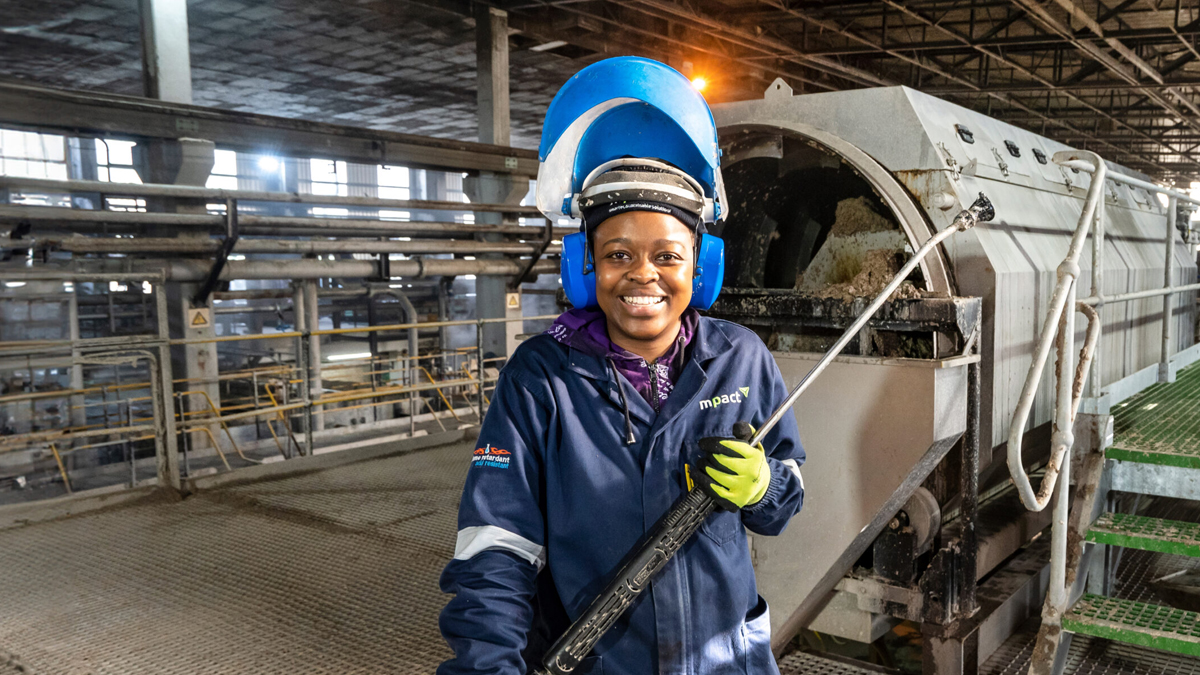
While Mpact points to cheap imports as the reason for the shutdown of the mill at the end of March 2026, its financial reports over the past year point to other challenges.
In particular, the company has highlighted ongoing disruptions to its operations from load-shedding and load reduction, alongside water shortages.
This has been coupled with a stagnant local economy, which has translated into flat demand for the mill’s production. As a result, it is heavily reliant on a handful of large customers.
Mpact’s mill in Springs is no small operation, with its rebuild in the 1980s resulting in its two machines having a combined capacity of over 130,000 tonnes per annum.
However, these machines have been unable to operate at full capacity in recent years, eliminating any benefit from economies of scale.
In its most recent financial report for the first half of 2025, Mpact noted that the Springs mill experienced 18 days of downtime due to external utility supply interruptions. This contributed to the mill’s sales declining by 9.5% year-on-year.
“We also anticipate cartonboard prices and sales volumes to remain under pressure due to weak local demand and competitive imports,” the company said.
“Unplanned utility disruptions continue to be an issue, particularly at the Springs paper mill and some other Ekurhuleni-based operations.”
Some of Mpact’s operations avoid the worst consequences of load reduction through load curtailment agreements with Eskom and municipalities.
In the company’s most recent annual report, Mpact said the mill suffered nearly 30 days of downtime due to municipal water and electricity supply issues. This is over an entire month of production lost.
The company’s other mills, which are not being shut down, get their electricity supply directly from Eskom, thus avoiding municipal distribution, and have direct access to rivers for water.


















 Loading ...