
Gayton McKenzie says he is not to blame for Olympic swimmer Tatjana Smith dumping South Africa for the Netherlands


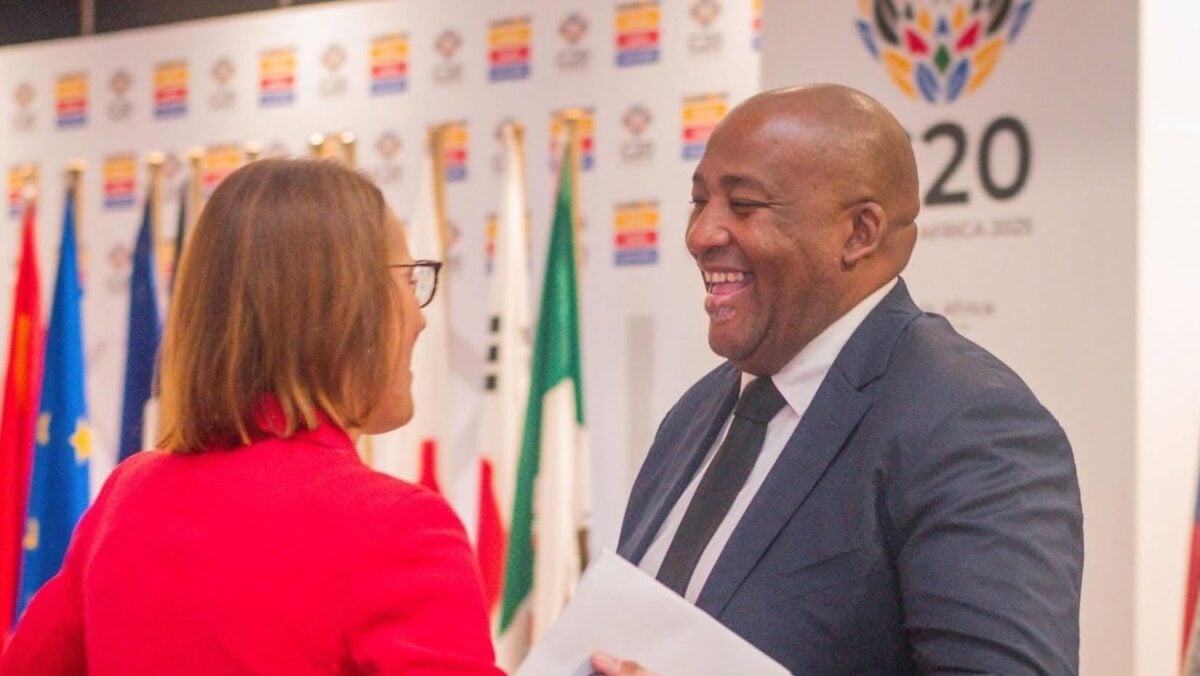
The Minister of Sport, Arts and Culture, Gayton McKenzie, said he is not to blame for Tatjana Smith’s decision to compete for the Netherlands instead of South Africa.
On Tuesday, 10 November 2026, Smith announced that she will represent the Netherlands in the next chapter of her international swimming career.
World Aquatics has confirmed that Smith has changed her sporting nationality from South Africa to the Netherlands.
Smith won gold in the 200m breaststroke in a world-record time and silver in the 100m breaststroke at the Tokyo 2020 Olympic Games.
She added gold in the 100m breaststroke and silver in the 200m breaststroke at the Paris 2024 Olympic Games.
This made her South Africa’s most successful Olympic athlete in history. However, this journey has come to an end.
Smith holds both South African and Dutch citizenship, and her change of sporting nationality explores a new direction in her sporting career.
She explained that the change comes as she sets her sights on the Los Angeles 2028 Olympic Games.
She said that she looks forward to joining the Dutch team at international competitions and training camps.
“I will bring with me the experience and knowledge gained throughout my career with my South African coaches and teammates,” she said.
“I will also embrace the opportunity to learn from a different high-performance environment.”
She will remain based in South Africa, continuing to train with the team that has been part of her journey.
Minister Gayton McKenzie responds
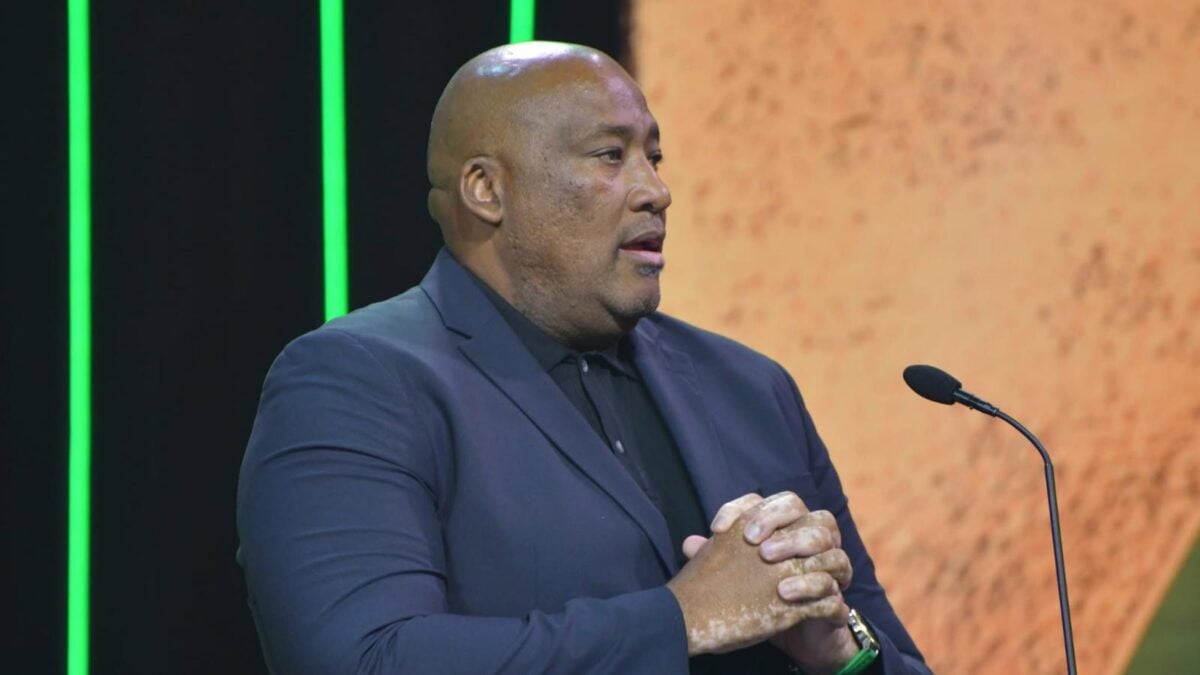
After Smith’s announcement, many people blamed McKenzie for the problems at Swimming South Africa and its lack of support for athletes.
He struck back, saying that he was not to blame for her decision and that Swimming South Africa is an independent body.
McKenzie said that Smith told him about her decision before she made it public, and he thanked her for that courtesy. “It speaks volumes about her character,” he said.
“It is regrettable that some people have used a deeply personal decision by one of South Africa’s most loved athletes to attack me.”
He said that Smith’s choice belongs to her and it should not be turned into a political weapon.
“The Department has twice honoured Smith at the South African Sport Awards, including with prize money,” he said.
“That recognition reflected the pride the whole country feels in what she has done for South Africa.”
McKenzie said the public needs to understand how sport is run in South Africa before attacking him.
“National federations are deliberately independent of government. They are governed by their own boards and answer to their international bodies,” he said.
Where the Department of Sport, Arts, and Culture funds a federation, the federation must account for that funding.
“However, the Department does not run federations, and it cannot cover all their costs. That includes the high cost of competing internationally,” he said.
“The people who lead federations are responsible for running their affairs sustainably and attracting partners and sponsors who can cover these costs.”
McKenzie said he is aware of the problems at Swimming South Africa, including concerns raised by athletes.
“These problems are being addressed through a reform process underway and overseen by World Aquatics,” he said.
The Minister added that the Department of Sport, Arts and Culture will continue to monitor that process closely.
You have read 1 out of 5 free articles. Log in or register for unlimited access.










 Loading ...
Im international sport, the local sport covering body is independent, and may not be interfered with in any way by government.
If they are that sport can find themselves suspended from international competition.
It is the people running Swimming SA who are solely to blame for the situation in swimming
The same goes for football, rugby, tennis, hockey or any other sport.
Government interference – good or bad, deserved or not – and that sport is suspended from international competition.
When it comes to Olympics it becomes even more convoluted, because then SASCOC becomes involved and all sporting teams are “transferred” to their authority for the duration of Olympics. They alone decide on qualification criteria in each sporting code, what financial assistance is provided etc.
As much as we may not like Gayton, as much as he wastes taxpayer money travelling with friends to major tournaments, it remains Swimming SA we need to be looking at firstly – ans SASCOC secondly in terms of Olympics