
Crackdown on illegal light bulbs in South Africa with sting operations in urban hubs


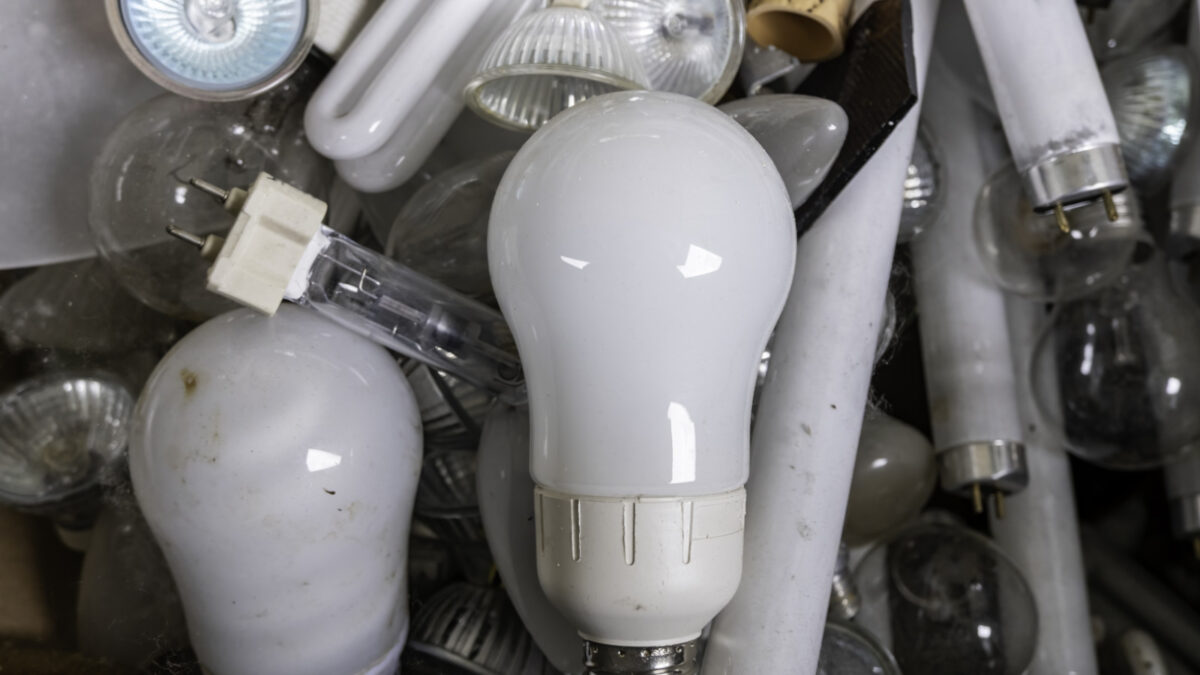
The National Regulator for Compulsory Standards (NRCS) is conducting sting operations in urban hubs to confiscate illicit products, such as inefficient light bulbs.
The NRCS is South Africa’s official product standards enforcer. Its job is to ensure goods providers sell items that comply with South African National Standards.
South African product regulations have banned the sale of light bulbs for general use with a luminous efficiency of less than 105 lumens per watt (lm/W).
The figure refers to the amount of light a bulb produces per watt of energy it consumes.
A MyBroadband investigation found a number of light bulbs that did not meet the minimum standard were being sold online.
In response to a query about the issue, the NRCS told MyBroadband it was tackling the sale of these bulbs.
“The NRCS conducts sting operations across the country, covering the major districts, in conjunction with other government entities,” it said.
“Large volumes of illicit products, including light bulbs, continue to be removed from the market.”
The NRCS also said it was running an educational programme to inform online platforms about the requirements.
To date, it had identified at least 52 platforms for participation in the programme. The regulator also instructs these platforms to delist non-compliant products.
“The programme started with one major platform and is expected to yield positive results in the medium-term,” the regulator stated.
South Africa’s ban on inefficient light bulbs was implemented by the Department of Trade, Industry, and Competition, using a phased approach.
The regulations were published in May 2024 by then minister Ibrahim Patel. The first phase took effect in May 2025.
It saw the sale of bulbs with luminous efficiency below 90 lm/W, covering nearly all incandescent bulbs and most compact fluorescent lamps (CFLs), banned.
Many retailers were still selling these bulbs several months beyond May 2025, but the NRCS said it had given some retailers permission to clear stock.
To obtain permission, the retailers had to apply for Letters of Authority (LoAs) with the NRCS.
The second phase kicked off in March 2026, increasing the minimum luminous efficiency to 105lm/W, effectively making LED the only legal light source for home bulbs.
Makro among retailers with non-compliant bulbs
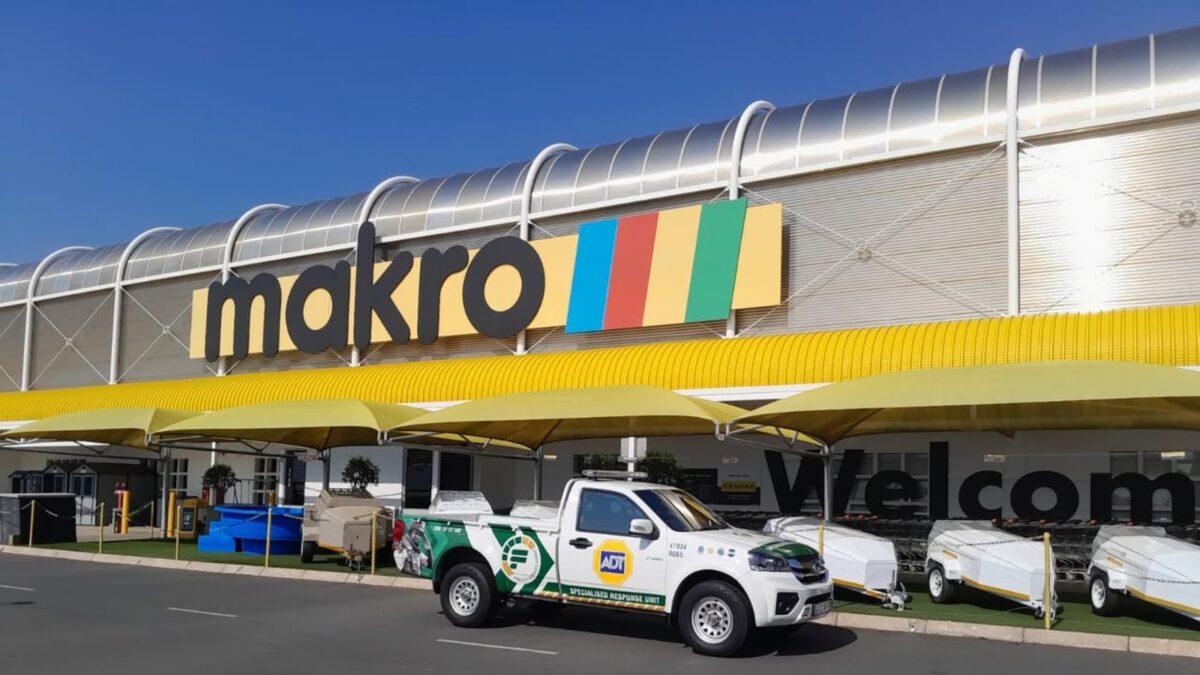
Among the retailers that have recently sold bulbs that do not meet the minimum standard was Makro.
The company quickly removed listings for some of these products after queries from MyBroadband.
“The two examples you have shared with us have been immediately removed from our website,” it said.
“We are taking the necessary actions to address the matter directly with the sellers concerned,” it said.
Makro added that it was reviewing the product category as a whole and would continue to take similar actions where required.
The NRCS subsequently clarified that phase 2 of the bulb changes did not revoke existing LoAs for 90lm/W.
“They are still accepted on the market provided they have a valid LoA obtained under Phase 1,” the regulator said.
Some retailers may therefore still be legally selling inefficient light bulbs. However, the NRCS added that no renewals would be allowed for 90lm/W LoAs going forward.
Some major suppliers also shifted to the Phase 2 requirements instead of running their LoAs to expiry.
The NRCS sent a notice to the lighting industry in May 2026, explaining the requirements and suppliers’ responsibilities under the new regulations.
“LoAs issued under Phase 1 requirements will not be renewable upon expiry,” the NRCS said.
“Only lamps complying with the Phase 2 requirement of 105lm/W will be issued with LoAs or eligible for LoA renewal,” it said.
Exceptions are made in cases where an entity with an LoA still has lamps in stock that comply with the Phase 1 requirements.
You have read 1 out of 5 free articles. Log in or register for unlimited access.









 Loading ...
Really, our country is in the dumps, the politicians are horse trading and stabbing us in the backs, and now light bulbs are a problem. Seriously…..