
Security specialists warn South Africans about their GPS suggesting routes which are dangerous


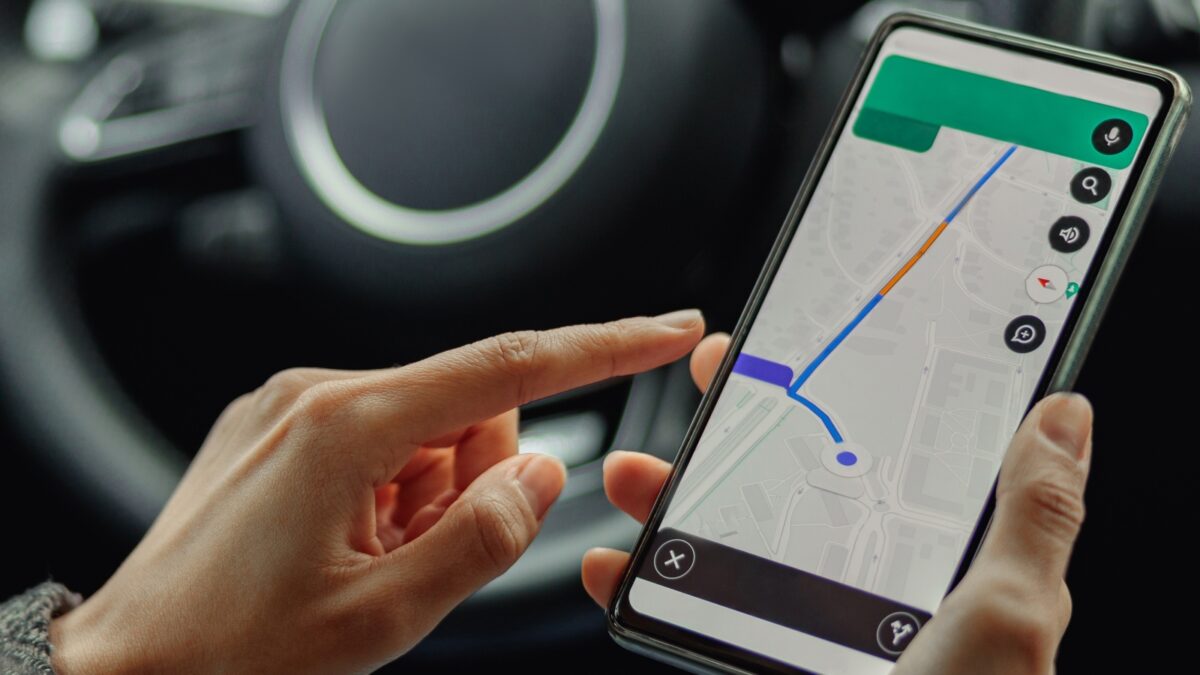
Two South African security specialists have warned motorists not to blindly follow their navigation apps, as certain routes may put them in harm’s way.
In a Facebook post, private investigator Brad Nathanson chronicled how he was directed through an unfamiliar, unsafe area while driving through Johannesburg.
Nathanson arrived in Gauteng after dark, got into a rental car and followed GPS directions to his accommodation in Sandton without knowing the route.
Following the directions blindly, he said the GPS took him off the main roads and highways, directing him through Alexandra township after dark.
“It was pitch dark. Refuse was burning at numerous points along the roads. There were huge numbers of people in the streets and taxis everywhere,” Nathanson said.
“Traffic lights weren’t working, and there was virtually no street lighting. I had absolutely no idea what was happening or where I was.”
He realised he had driven into an extremely tense environment and that he was in the only sedan amongst what seemed like an endless stream of taxis and pedestrians.
Nathanson explained that even though he has spent over 46 years in law enforcement and investigations, he felt “extremely uncomfortable” driving through unfamiliar territory.
After leaving the area as quickly as possible, Nathanson wondered how things could have been different if he had been a woman travelling alone, or a tourist.
Security specialist Mike Bolhuis explained that navigation applications assist with route planning, traffic updates and directions, but cannot guarantee a recommended route is safe.
“Drivers who follow instructions without assessing their surroundings may encounter unfamiliar roads, poor lighting, infrastructure problems, road closures or vulnerable situations,” he said.
“In South Africa, where road conditions and security risks can change significantly between locations and times of day, drivers should assess their routes, prepare for alternatives and respond appropriately when circumstances change.”
Tips for South Africans using GPS apps
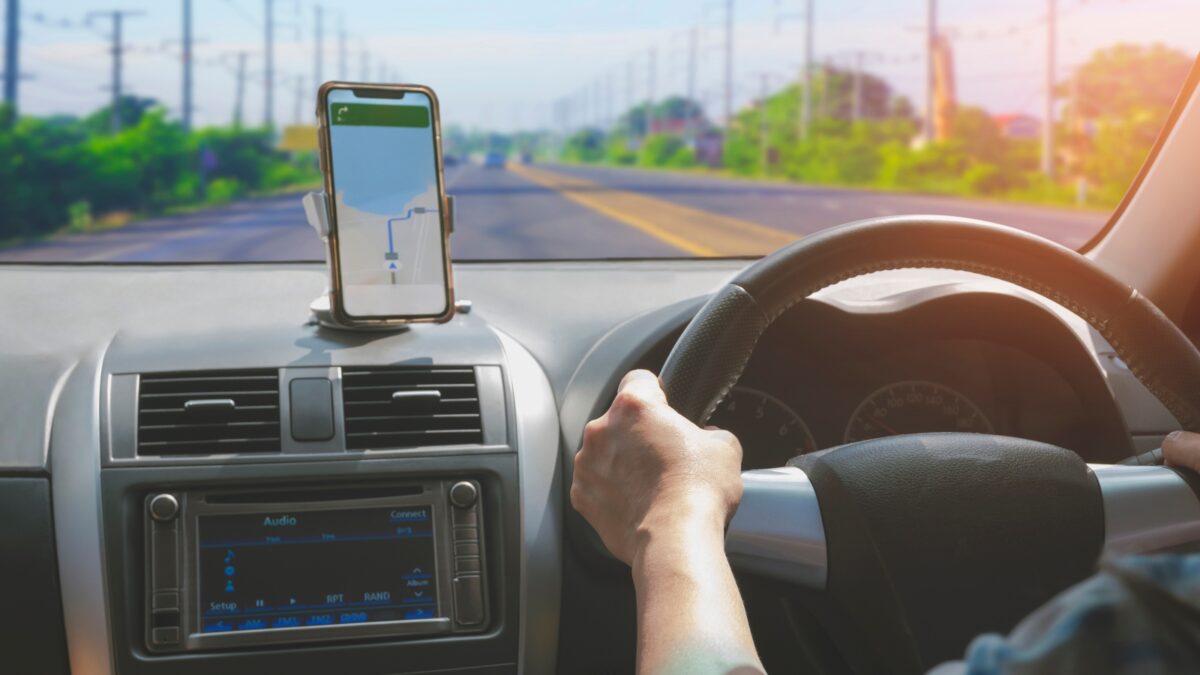
Bolhuis and Nathanson agree that apps like Google Maps and Waze are useful, but are only designed to find the fastest route, not the safest.
“They don’t necessarily know that the route you’re being sent along may put you into an area where you would not normally choose to travel, particularly after dark,” said Nathanson.
His advice for motorists is to check the app’s suggested route before leaving, especially if heading somewhere unfamiliar at night.
His other suggestions include checking the general area, staying on major routes and main roads and reassessing the route while driving if a situation becomes tense.
Bolhuis urged motorists to configure their GPS to prioritise main roads, avoid unnecessary detours, and warn them well ahead of reaching an intersection.
Regardless of the application, Bolhuis’s main suggestions include:
- Motorways and toll roads: Enable these only according to your needs. Do not automatically avoid major roads, as they may offer a more suitable route than unfamiliar side streets.
- Choose routes before you depart: Review the route and alternatives before driving, particularly at night.
- Enable traffic alerts: Where available, use alerts for congestion, road closures and reported incidents.
- Enable voice guidance: This reduces the need to look at your phone while driving.
- Download offline maps: Useful when mobile reception is unreliable.
- Set your destination before leaving: Never adjust the route while driving.
Bolhuis said GPS navigation is a valuable travel tool, but noted that recommendations cannot replace individual road assessments.
“Drivers can reduce avoidable risks by reviewing routes before departure, preparing alternatives, maintaining vehicle readiness and changing course when conditions warrant it,” he said
Bolhuis urged motorists to avoid unnecessary stops and seek assistance if a journey becomes unsafe, adding that a GPS is a guide and should not override sound judgement.
You have read 1 out of 5 free articles. Log in or register for unlimited access.






 Loading ...
Google has repeatedly taken me through EXTREMELY dangerous “fast” routes even during riots and unrest (Cape area). There is NO WAY to report these shocking suggestions and I believe that Google should be forced to add feedback button on every trip as SAFE or UNSAFE that people can use if they want to – I don’t trust Google at all for anything that takes you off the main access roads and freeway (once I got caught in a township and blocked in by a garbage truck). It cost me my wallet cash and a lot of stress following the truck until I was free to leave the access road – I tried to report this and got no feedback at all from them