
Cyril Ramaphosa would rather let South Africans lose jobs and become poorer than condemn Kill the Boer and fight rural crime


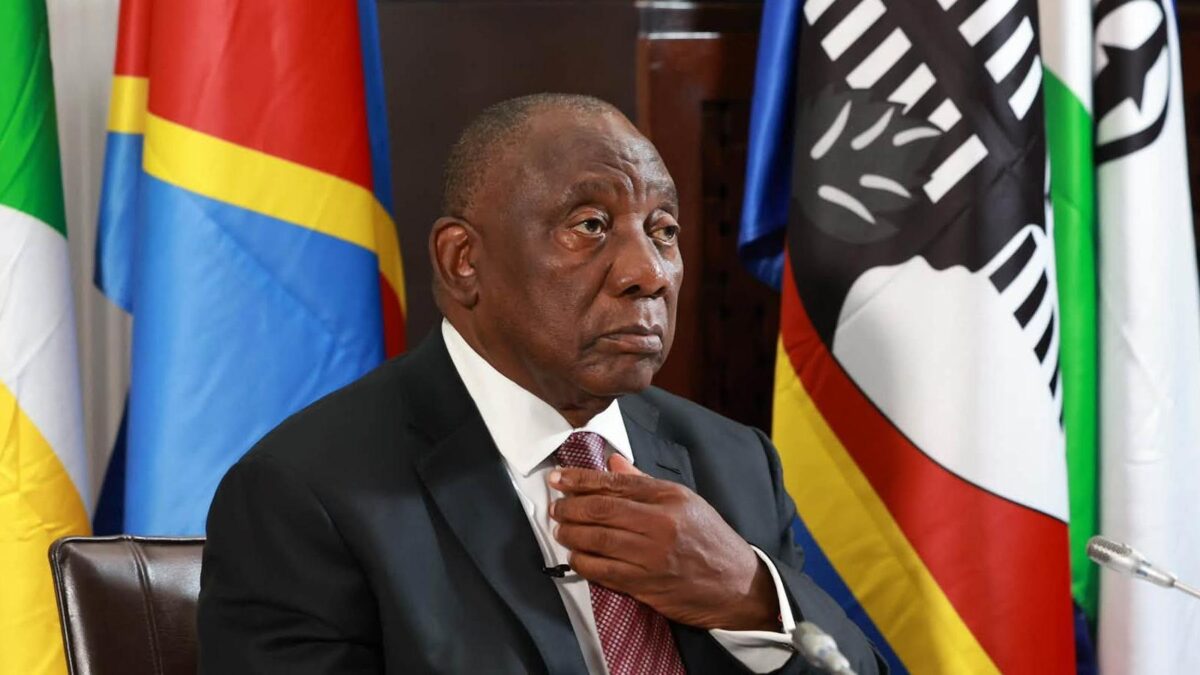
President Cyril Ramaphosa has refused to condemn the Kill the Boer chant or declare rural crime a priority crime, which can cost South Africa 250,000 jobs.
United States Ambassador to South Africa, Leo Brent Bozell III, reiterated the trade-off in a recent The Common Sense interview.
He explained that the United States had five asks of the South African government to improve relations with South Africa.
- The South African government should not interfere with the processing of Afrikaner refugees under the President’s executive order. This has been addressed.
- Uncompensated land seizures should not be allowed. The Expropriation Act has resulted in a legal challenge, which the United States is happy with.
- President Cyril Ramaphosa and other senior government officials condemn the singing of “Kill the Farmer! Kill the Boer!”. This has not been addressed.
- Rural crime must be formally designated a priority crime, with a real, announced plan to address it. This has not been addressed.
- Create alternatives, such as equity-equivalent investment programs (EEIPs), to meet Broad-Based Black Economic Empowerment (B-BBEE) ownership requirements. This has not been addressed.
He explained that two of these issues have been addressed: the Afrikaner refugee programme and the Expropriation Act.
Bozell said that when the United States requested no interference regarding their refugee programme, President Ramaphosa immediately agreed.
He added that they accept that the Expropriation Act is currently in the courts, and that the United States expects a favourable outcome.
This meant there were only three remaining asks to address, which he considered very easy, as they would benefit South Africa. However, this did not happen.
Ramaphosa rejected the other three demands, which means that South Africa now faces additional sanctions which can hurt the country.
The United States is ready to invest billions in South Africa
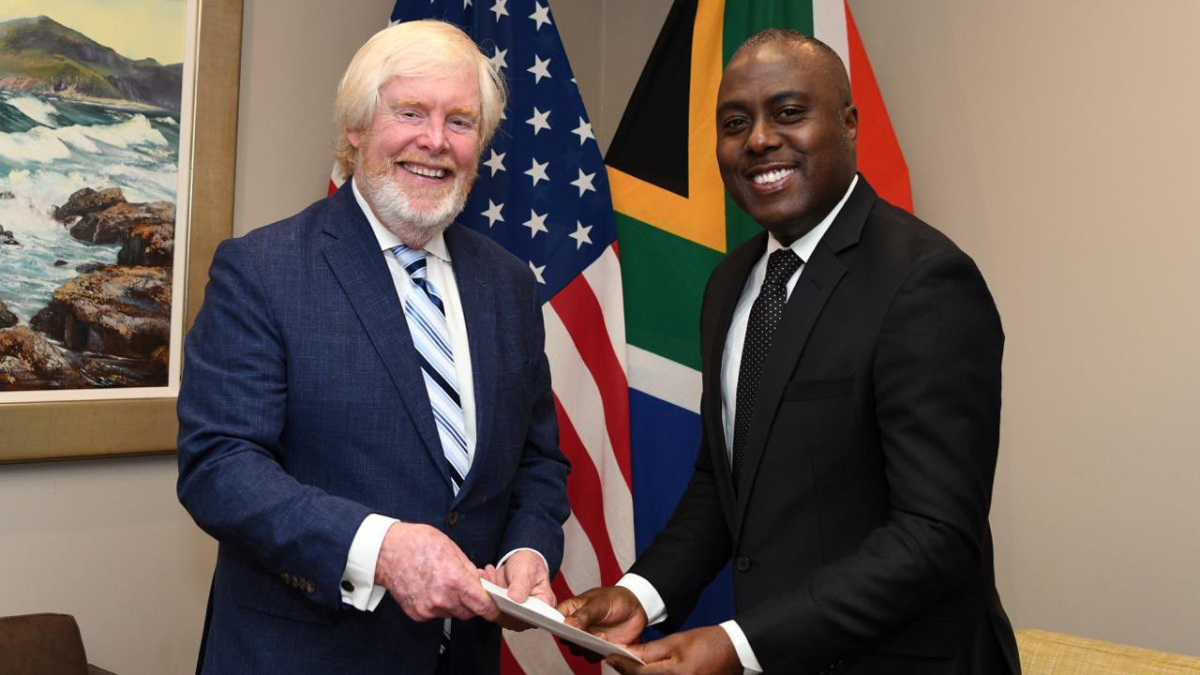
Bozell said the United States is ready to invest billions in South Africa, but the requirements must be met before that happens.
One of the biggest stumbling blocks is black economic empowerment (BEE) in the telecommunications and mining sectors.
“You are putting a 30% tax on capital entering the market. If you want less capital in your country, put a tax on your capital,” he said.
He rejected South Africa’s legislative framework surrounding property expropriation, saying the United States will defend property rights and market-value compensation.
“The Expropriation Act is something that we won’t abide by. We won’t allow an American company to be threatened by this. Market compensation is mandatory,” he said.
Bozell said that South Africa is an important country for the United States and that better relations can benefit both parties.
“If the United States has a healthier relationship with South Africa, their success becomes our success. That is what partnerships are all about,” he said.
He explained that if their concerns are addressed, the United States will invest in mining operations in South Africa where the local economy benefits.
“Once the issues are resolved, that is when the United States goes to its business community and tells them to invest in South Africa,” he said.
“It will be good for the United States, and it will be great for South Africa. This is what partnerships are about.”
Bozell said that the United States is ready and willing to help address problems such as rural crime in South Africa.
“We stated that we would be willing to assist with technology and, if necessary, provide funding to address this as a joint partnership,” he said.
Cyril Ramaphosa is not willing to budge
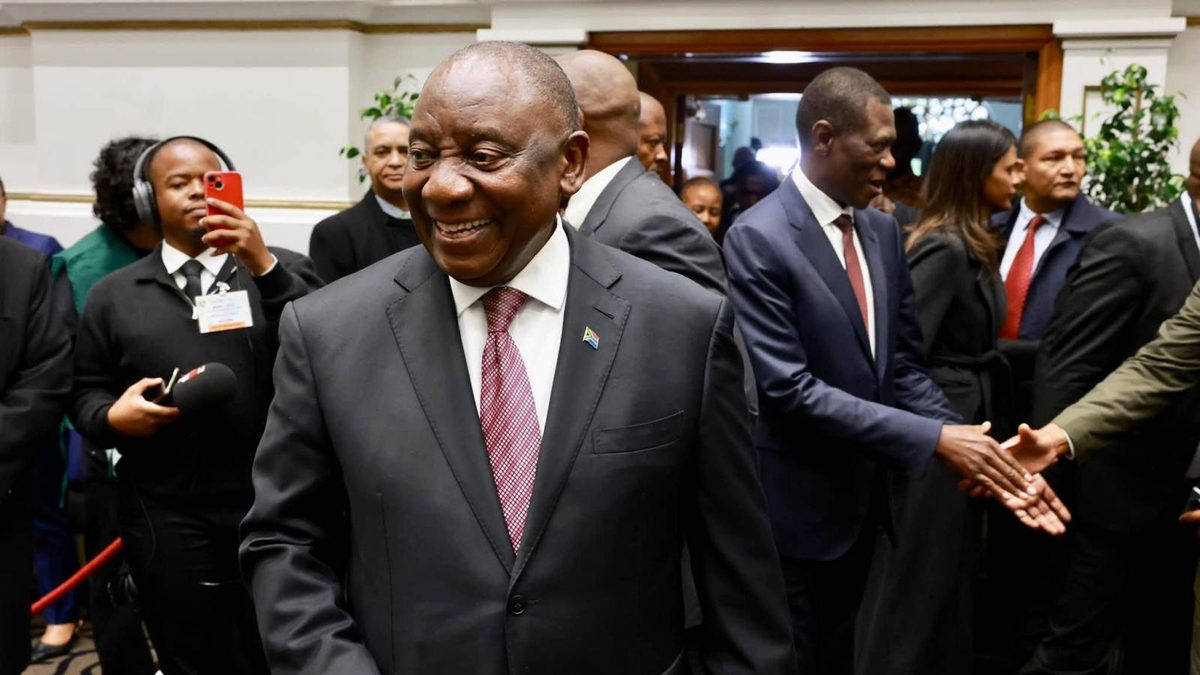
The benefits of condemning “Kill the Boer”, declaring farm attacks a priority crime, and implementing equity-equivalent investment programs are clear.
However, President Ramaphosa refuses, despite the significant consequences of failing to meet the United States’ demands.
Apart from the lower investments and additional sanctions, South Africa also stands to lose its African Growth and Opportunity Act (AGOA) benefits.
Ramaphosa, who is partly responsible for the deteriorating relations with the United States, has warned of the dire consequences of losing AGOA benefits.
He said the country must prepare for its potential exclusion from the United States’ AGOA, as relations between Washington and Pretoria have soured.
“I need, as president, to prepare us if it ever happens,” Ramaphosa said, adding that the impact on jobs would be devastating.
Jaco Kleynhans, head of public liaison at Solidarity, said that it could cost South Africa 250,000 jobs, equivalent to the workforce of the five largest mining companies.
According to Solidarity, South Africa’s exports to the US support more than half a million local jobs. Approximately half of these are in sectors that benefit AGOA.
“Exclusion could weaken businesses’ competitiveness and threaten export orders, income and job security,” Kleynhans said.
Instead of trying to repair relations with the United States, Ramaphosa said they are seeking new trading partners.
He and Deputy President Paul Mashatile have been travelling around the world to explore alternative markets.
However, as the world’s largest economy, the United States is an excellent trading partner which cannot be replaced by a few smaller deals.
The margins on products sold in the United States are much higher than in other countries due to its large and rich consumer base.
It also offers a reliable legal system with strong contract enforcement, transparent trade practices, and clear dispute resolution mechanisms.
Another benefit is that South Africa has a trade surplus with the United States, which is not the case with countries like China.
Ramaphosa picks ideology over the economy
Renowned economist Thomas Sowell pointed out that there are no solutions. “There are only trade-offs,” he said.
This raises the question of what South Africa gains and loses from President Cyril Ramaphosa’s engagement with the United States.
The table below summarises the benefits and disadvantages of Ramaphosa’s decision not to address the United States’ concerns.
| What South Africa gets | What South Africa loses |
| The ” Kill the Boer, Kill the Farmer” chant is not condemned. Farm murders are not declared a priority crime. No equity-equivalent investment programs for BEE in mining and telecommunications. It can institute and drive an ICJ case against Israel. It can form close ties with United States enemies like Iran, Cuba, and Russia. | South Africa loses billions of dollars of investments from the United States. South Africa loses financial and technological support to fight rural crime and protect farmers. South Africa misses out on developing local mining operations that would benefit the country. South Africa faces increased sanctions from the United States. South Africa lost R8 billion in funding for AIDS and other programmes from the United States. South Africa risks losing AGOA benefits, which can cost 250,000 jobs. |






 Loading ...
The ANC government consists of people who are loyal to the ANC and that is the only requirement; no education, no skills, no experience needed. As a result you have a country that is being governed by bunch of ignorant incompetents, which explains why this country is in a state of collapse.