
The iconic 5-star hotel in South Africa, which hosted Michael Jackson, Margaret Thatcher, and Nelson Mandela, is now an abandoned and dilapidated building


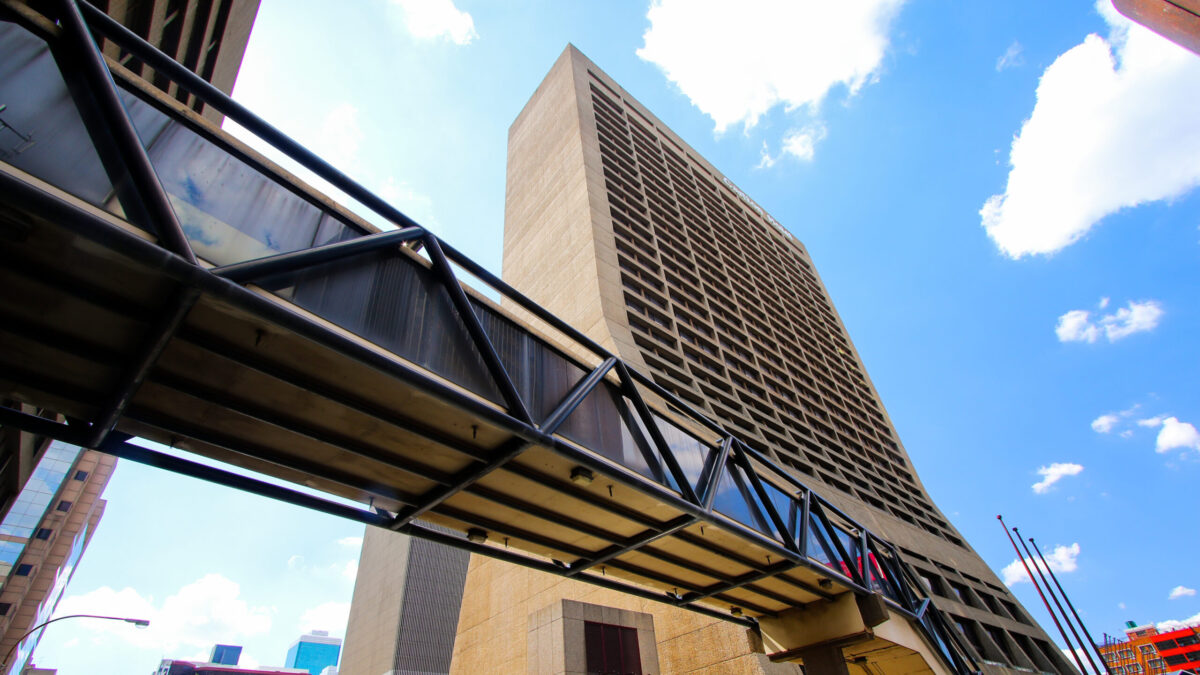
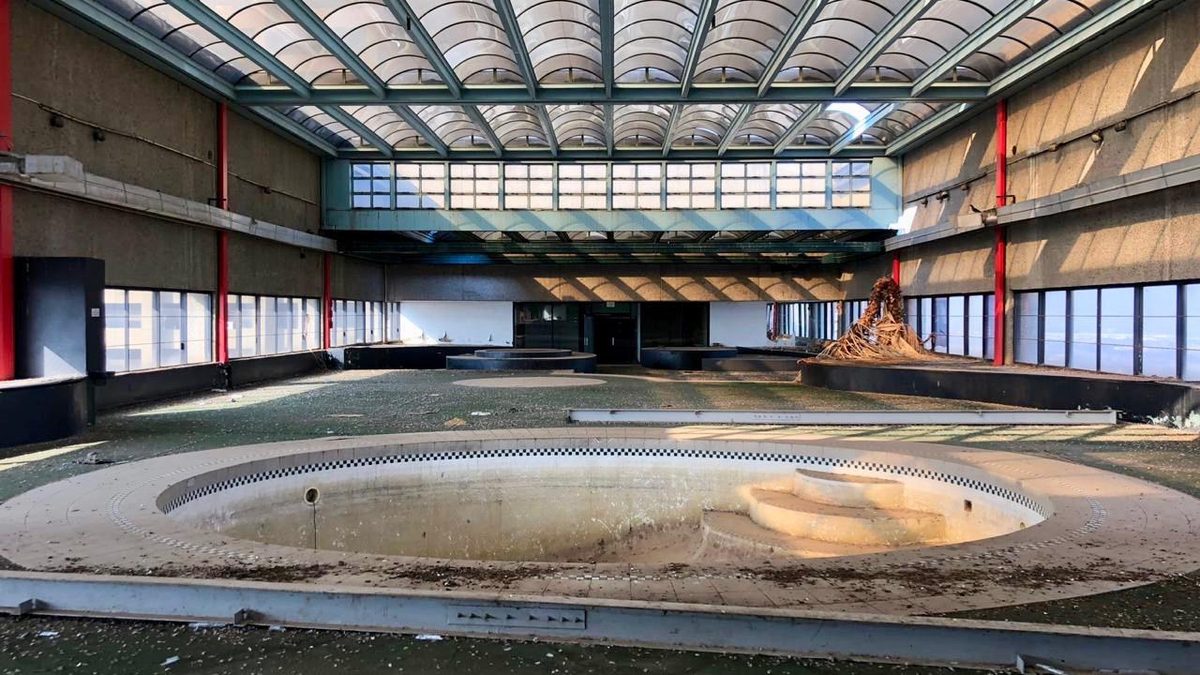
The historic Carlton Hotel hasn’t had a single guest in almost three decades, shutting its doors in 1997 and remaining completely abandoned today.
Located in the centre of Johannesburg, the original Carlton Hotel was built on the corner of Commissioner Street and Eloff Street.
The hotel was conceived in 1895 by the British Randlord and diamond-mining magnate Barney Barnato as a luxury hotel with a theatre.
Construction began in 1903 under Barnato’s heirs, and it opened its doors three years later on 20 February 1906, albeit without the inclusion of the theatre.
The six-storey hotel was the most luxurious in South Africa at the time, with a telephone in each room and an early form of air conditioning.
Numerous high-profile figures stayed at the hotel over the years, including members of the British Royal Family in 1947.
The original Carlton Hotel was demolished in 1963, with mining company Anglo American opting to build a fifty-storey office complex in its place, dubbed the Carlton Centre.
Built at a cost of R88 million, part of the Carlton Centre’s development included the construction of a new, thirty-storey Carlton Hotel two blocks away from the original’s location.
The cost of construction for this hotel was R23 million, and it was connected to the new Carlton Centre via an underground shopping centre.
The new Carlton Hotel opened its doors on 1 October 1972, under the management of Western International Hotels, which owned an 11% stake in the hotel.
During the next 25 years of the hotel’s existence, it was considered the finest in South Africa and earned a five-star rating.
The hotel hosted many celebrities, including British Prime Minister Margaret Thatcher, French President François Mitterrand, and American singer Whitney Houston.
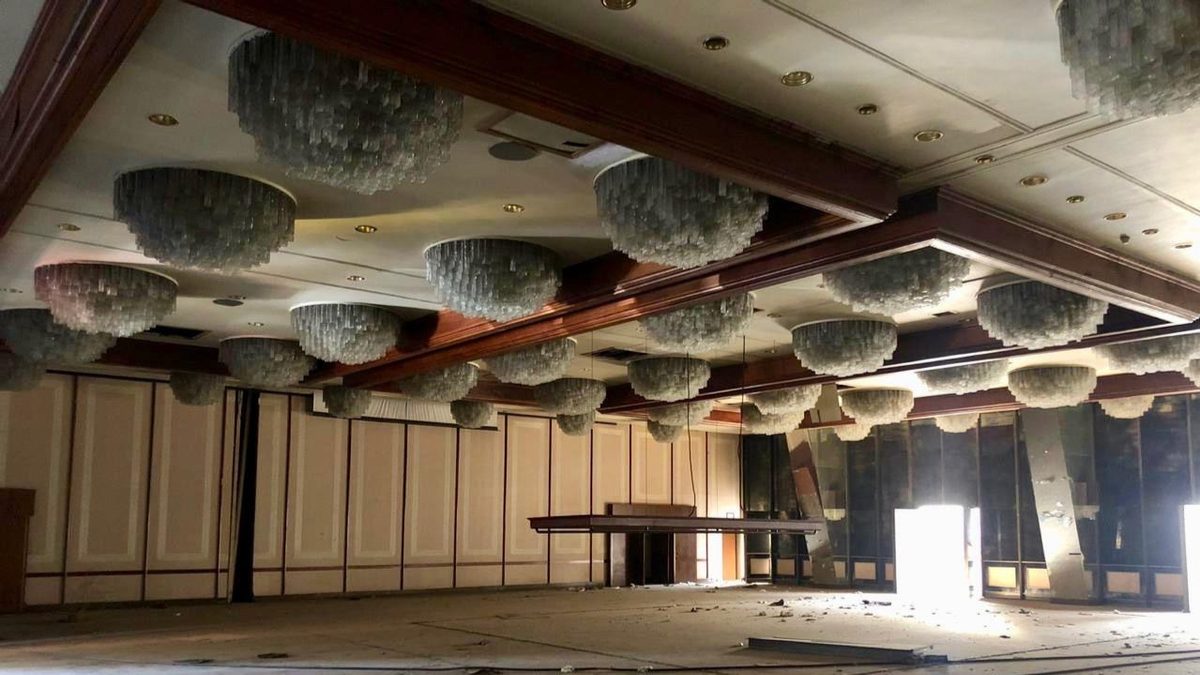
Nelson Mandela used the hotel’s ballroom for his 75th birthday celebration in 1993, as well as to celebrate his victory in the country’s first democratic elections the following year.
Closed and abandoned
By the late 1990s, rapid urban deterioration and rising crime in Johannesburg’s central business district had led corporates to move north to Sandton and Rosebank.
This diminished demand for a five-star hotel stay in the centre of Johannesburg, making it difficult to fill the hotel’s hundreds of rooms.
This was worsened in June 1997 when two hotel employees murdered the hotel’s assistant banquet manager after he found them drinking on the job, hiding his body in the hotel’s linen room.
The killers were later sentenced to 23 years in prison each, while a third man convicted of being an accessory to the murder received a four-year sentence.
Six months later, Anglo American decided to close the main hotel tower after incurring R18 million in losses on the Carlton hotel that year alone.
The hotel’s 276-person staff complement was laid off, with 59 being re-employed on contract to run the smaller Carlton Court annex and Koffiehuis cafe, which remained open temporarily.
Anglo American sought to sell a 70% stake in the hotel to a group of local and Malaysian investors, with plans to redevelop the hotel into a casino for $120 million.
This plan fell through, and the hotel’s furniture was sold to be used at the Protea Hotel at Gold Reef City, where a replica of the Carlton’s Three Ships restaurant was opened.
With the closure of the annex in April 1998, the Carlton Hotel officially shut its doors. Anglo American sold the complex to Transnet the following year for R33 million.
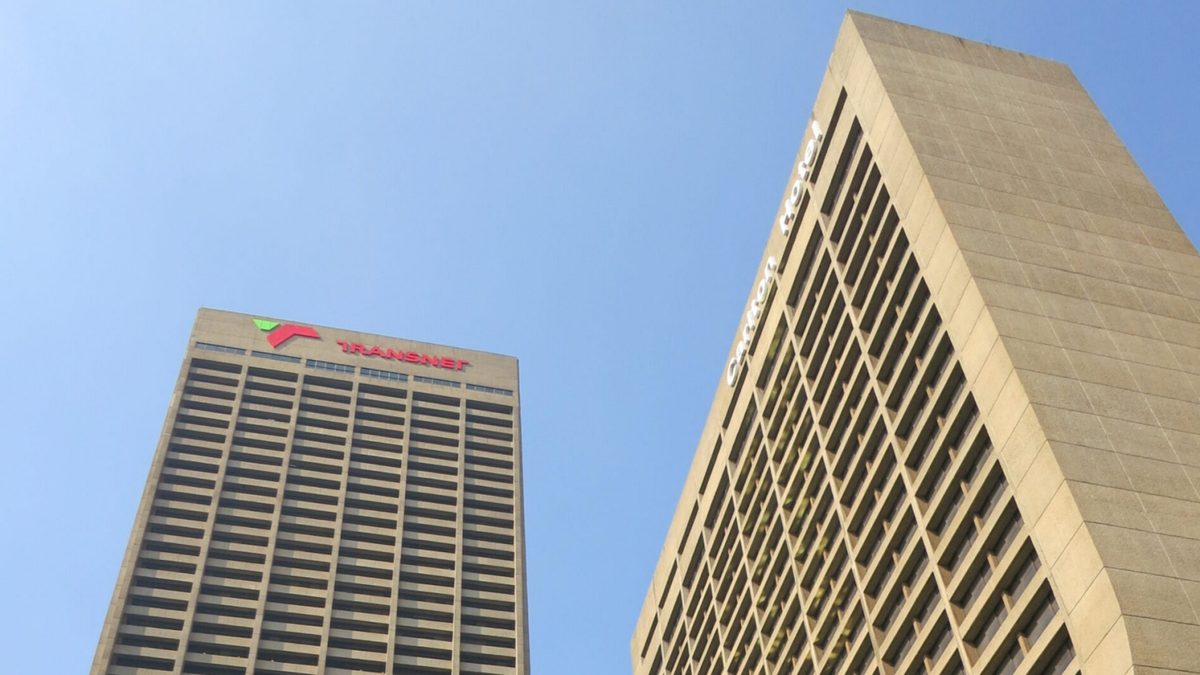
While Transnet has used the Carlton Centre’s office tower as its headquarters, the hotel has remained empty ever since, only occasionally being rented out for functions and film shoots.
Transnet’s sale of the Carlton Centre
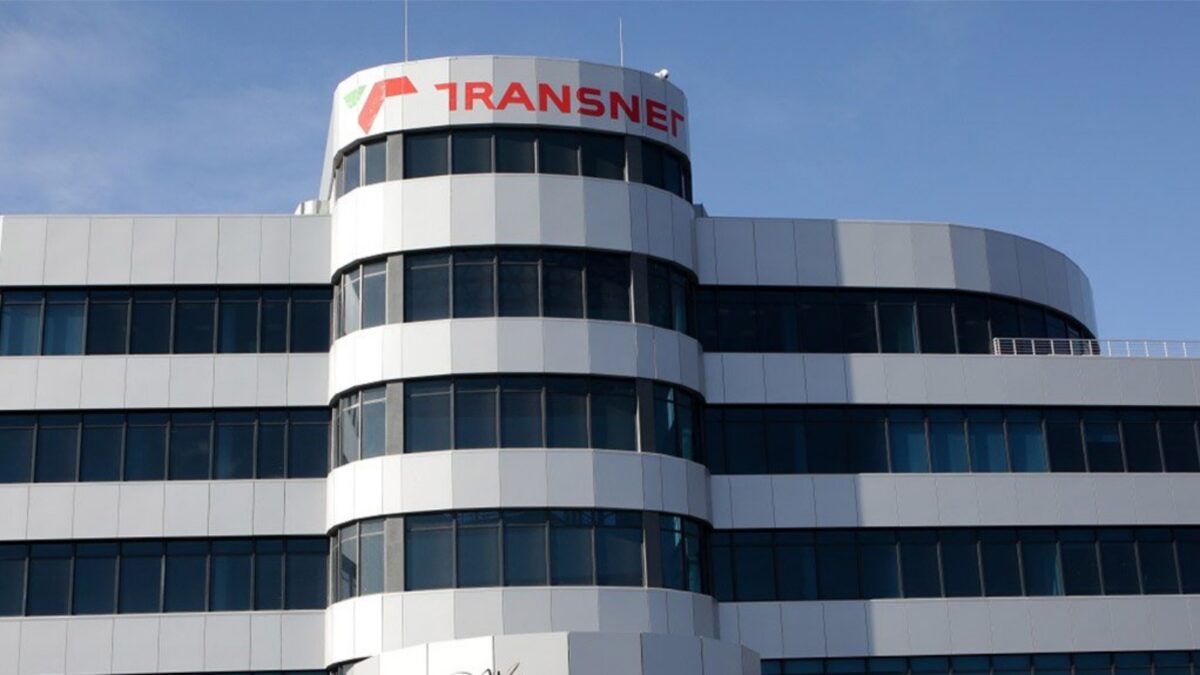
In August 2026, Transnet announced its intention to dispose of 15 commercial properties it owns but no longer considers core assets.
These properties include golf courses, shopping malls, land parcels, and the Carlton Centre, which includes the old Carlton Hotel building.
The disposal process will follow a strict two-stage intergovernmental protocol, including a first Right of Refusal for the public sector over a 30-day window.
During this window, government-linked entities will have the first right of refusal to acquire, lease, or take transfer of the properties for public use.
These entities include national and provincial government departments, municipalities, state-owned companies, and other public organisations.
They had 30 days from the date of publication in August to submit a formal written expression of interest. It is not clear how many expressed interest.
If no formal interest was expressed, Transnet would proceed to issue a public Request for Proposals (RFP) on the open market to interested private-sector parties.
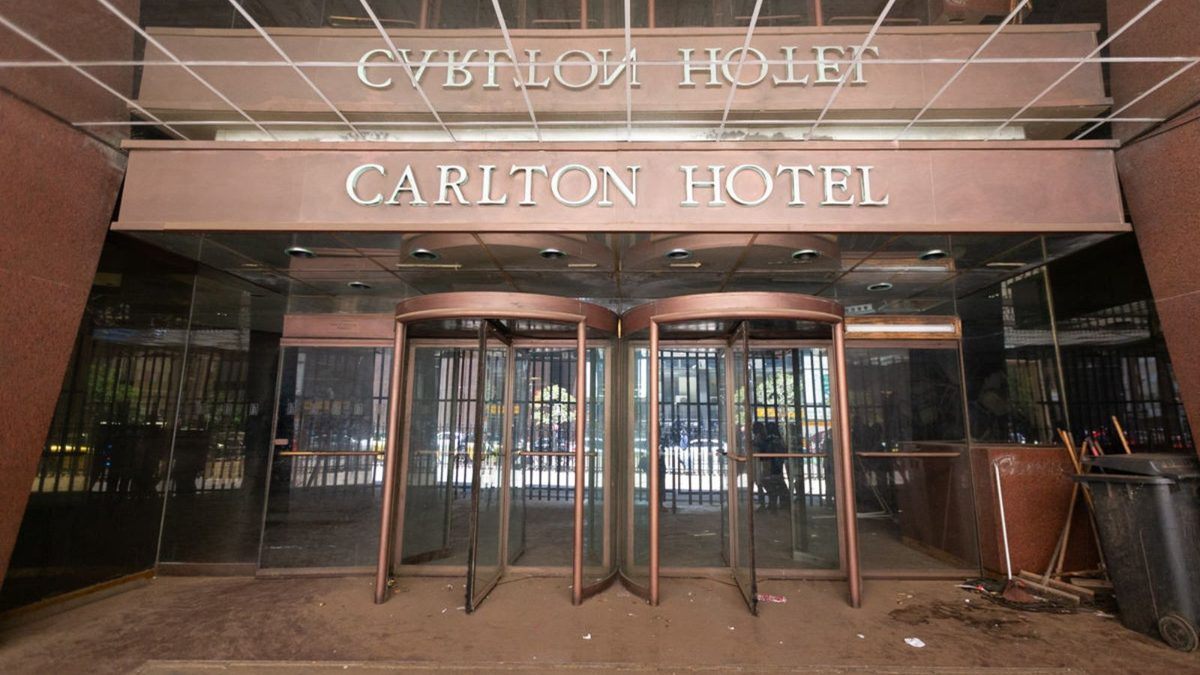
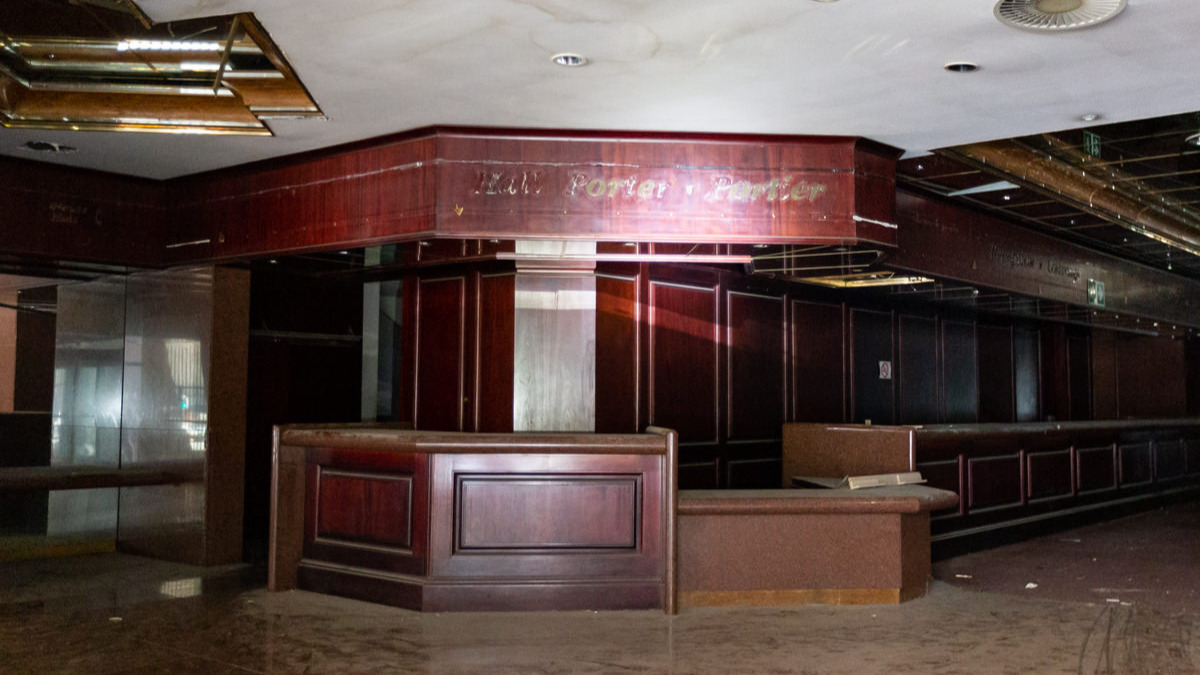
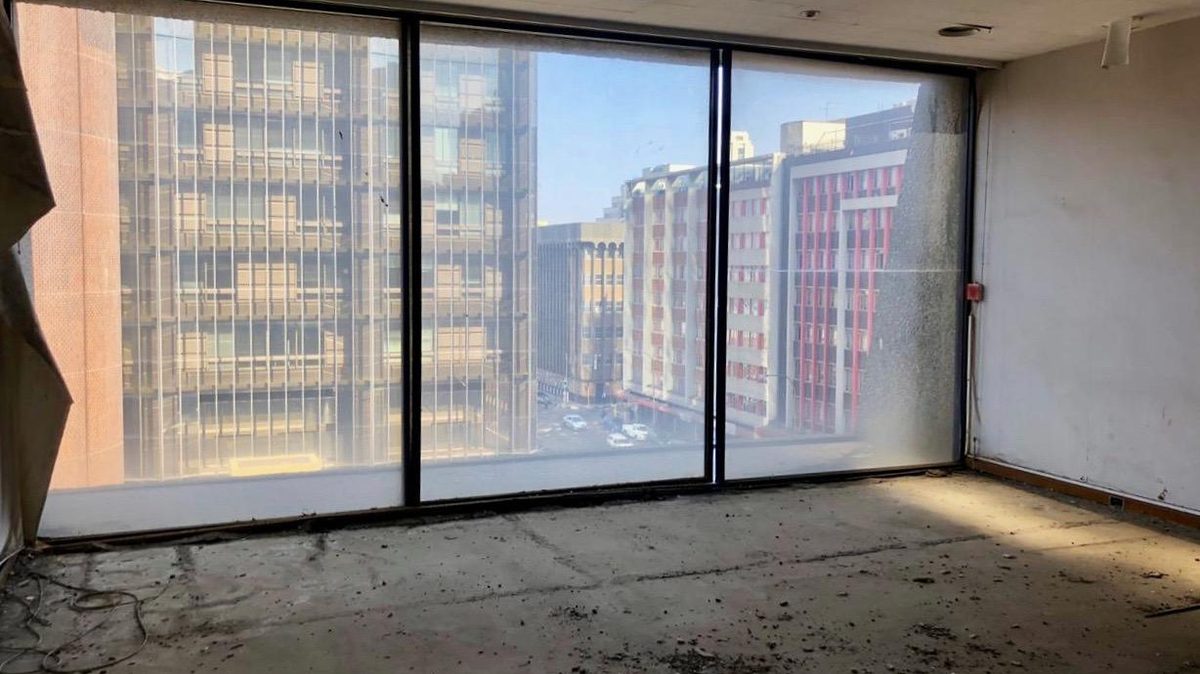
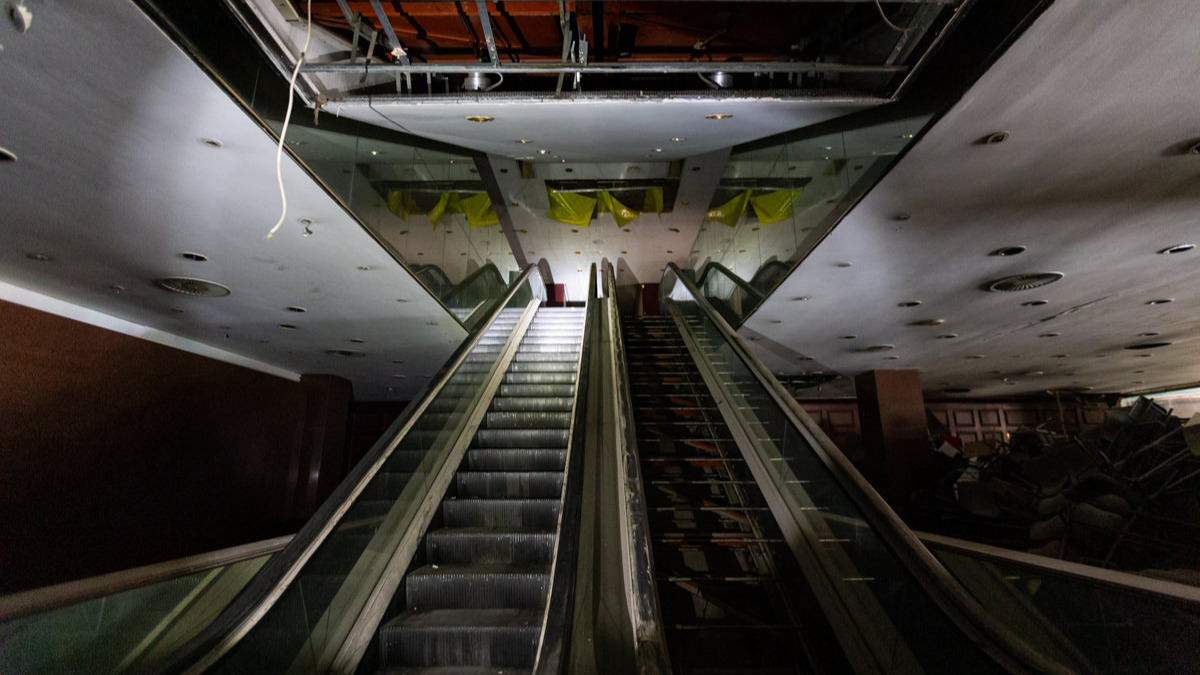
Photos of the Carlton Hotel in Johannesburg:
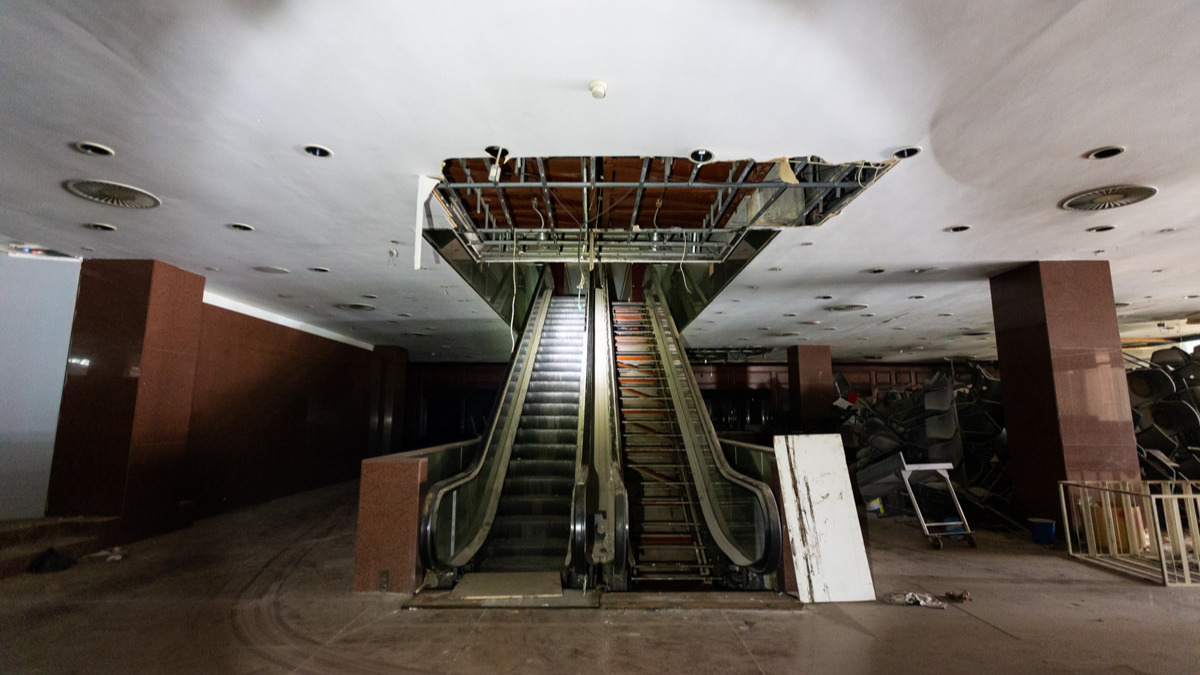
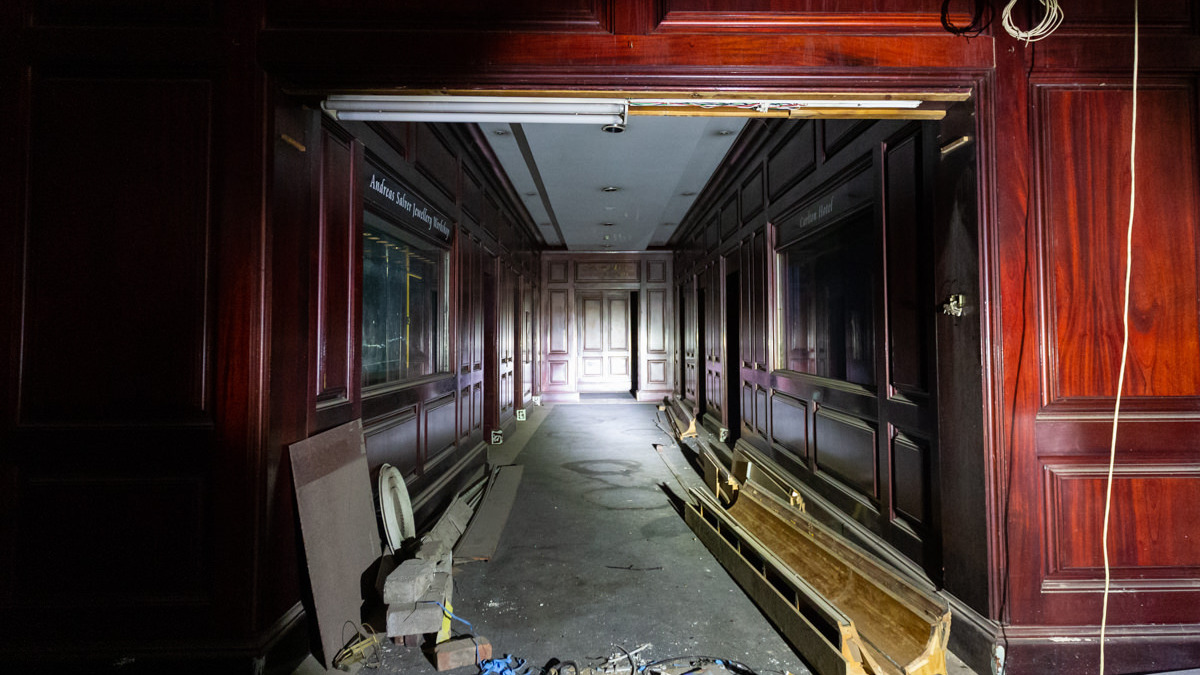
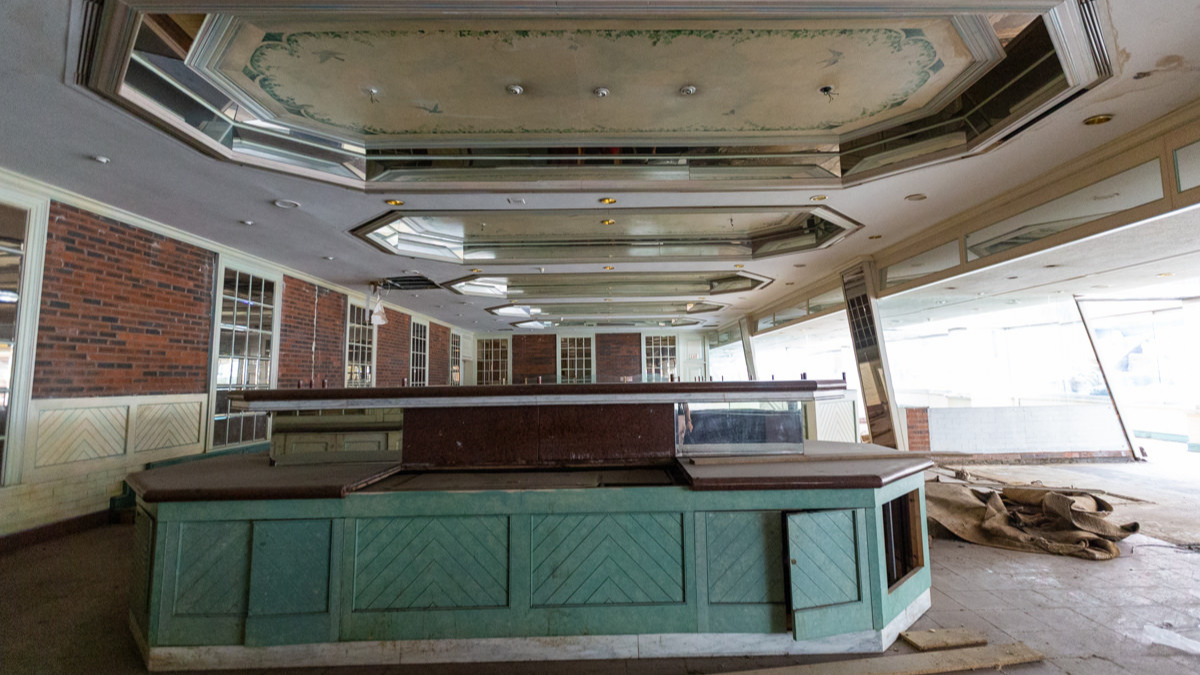
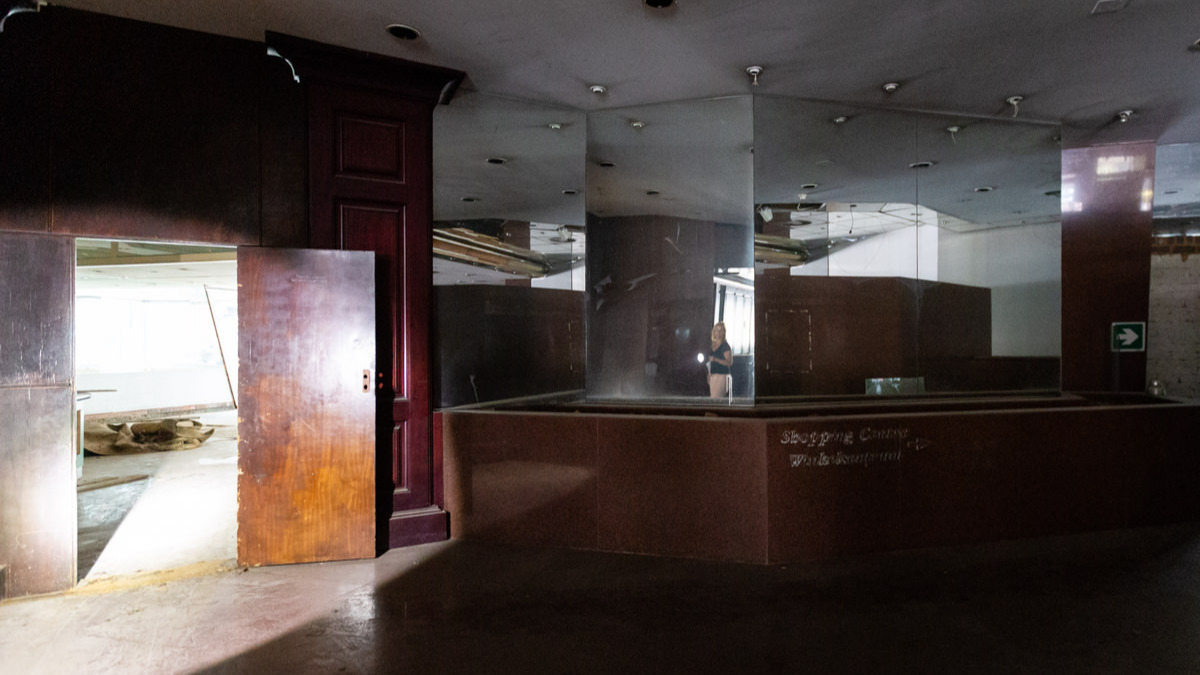





 Loading ...
What a shame.