
Small coastal fishing town known as “South Africa’s Little Greece” where all houses must look the same


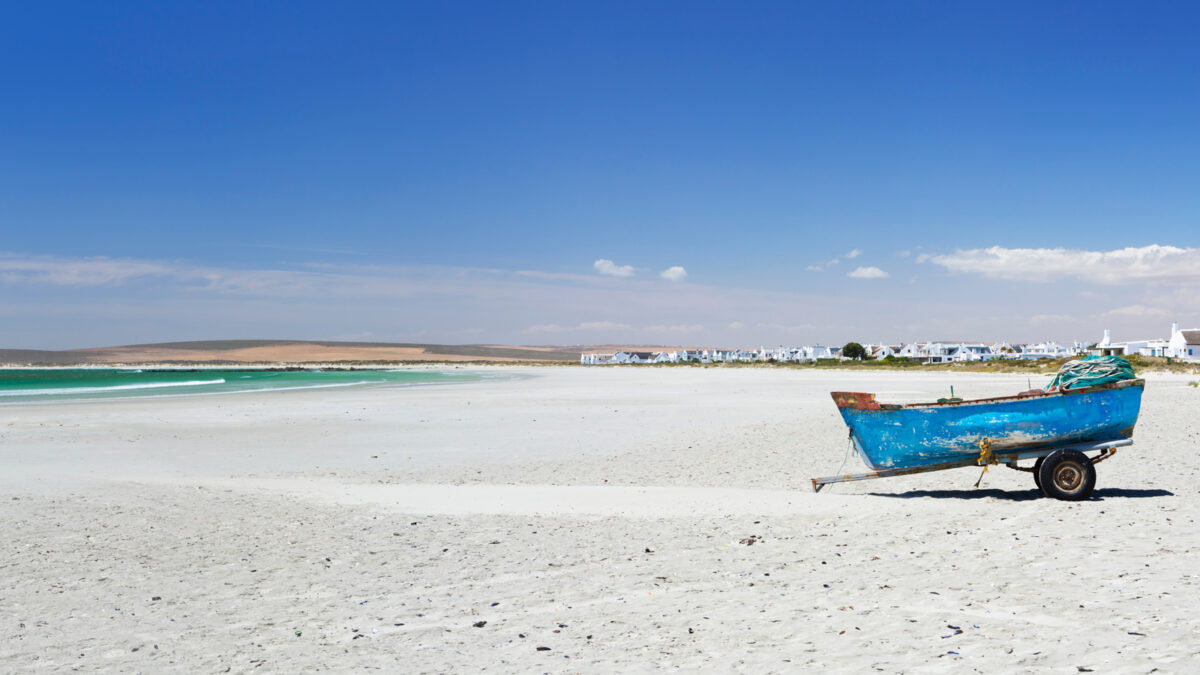
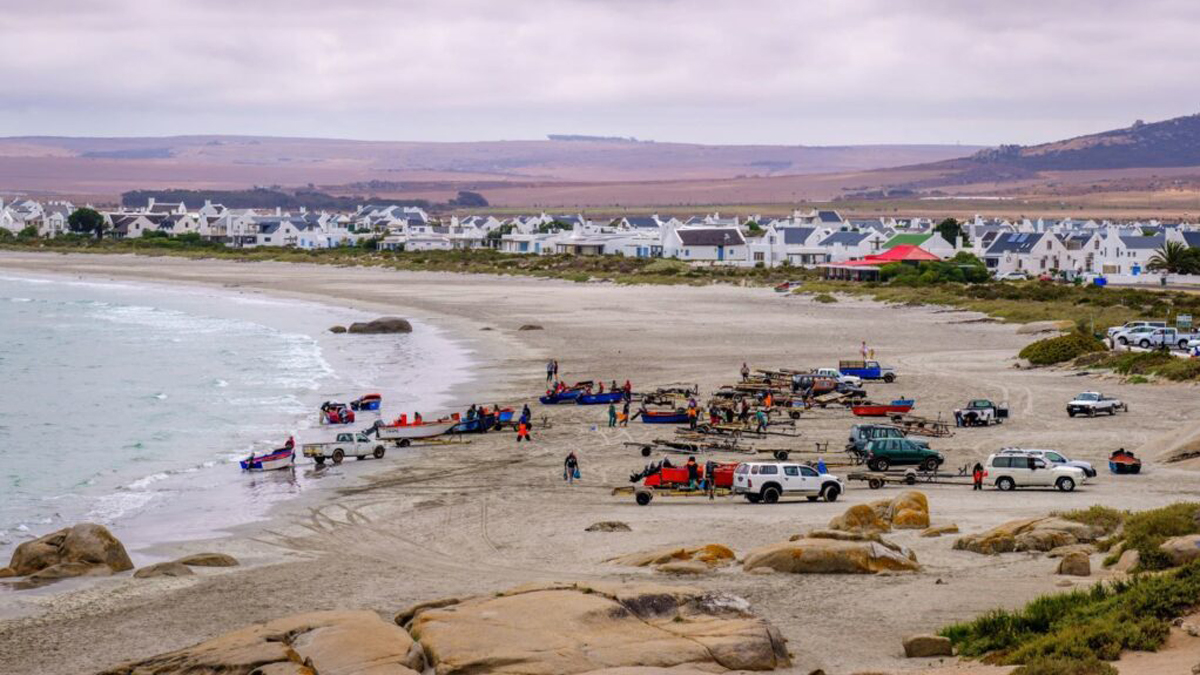
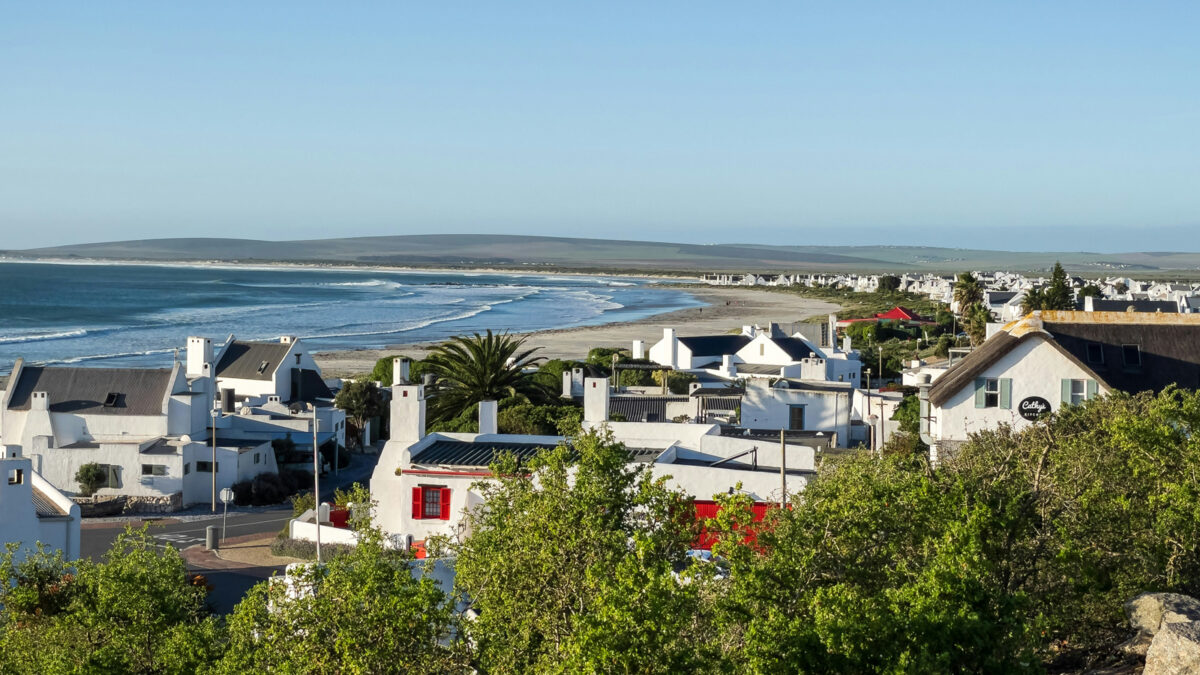
The small town of Paternoster is one of the oldest fishing villages in South Africa, and it is renowned for its traditional whitewashed buildings.
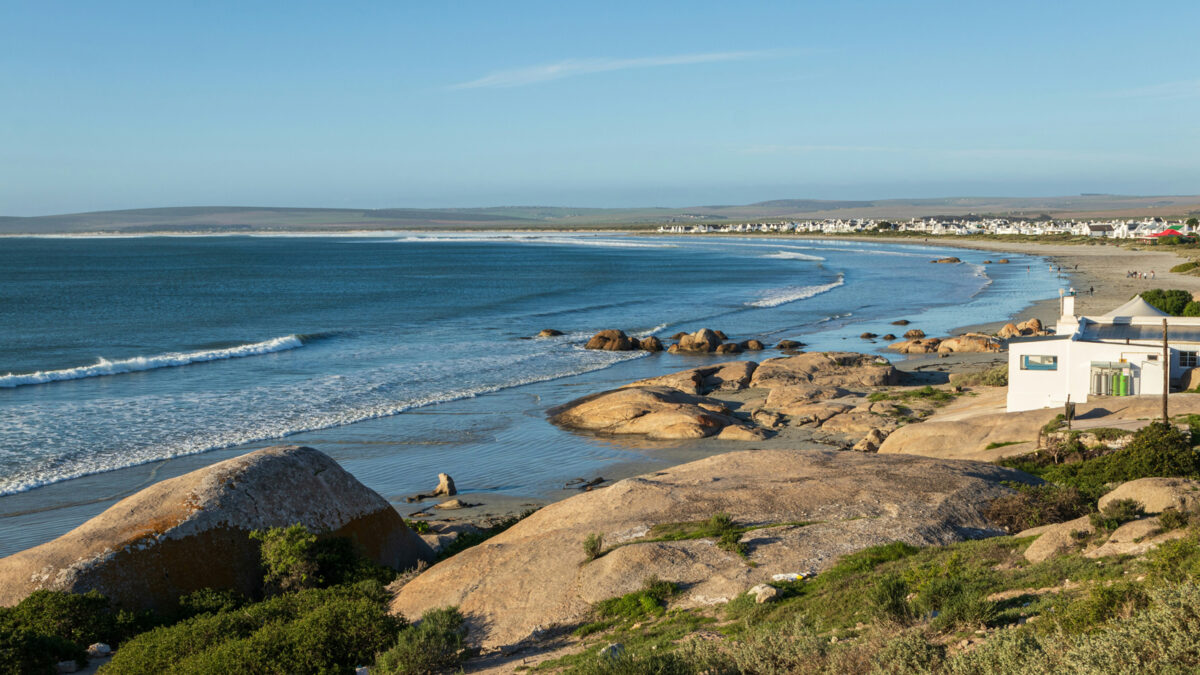
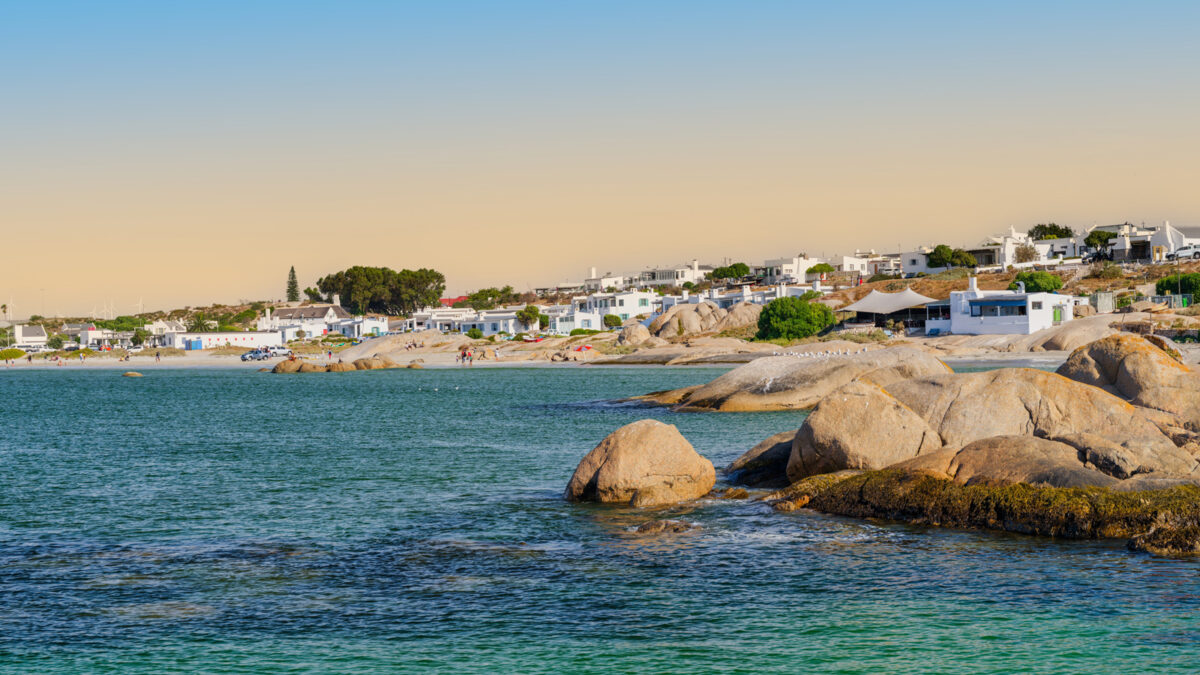
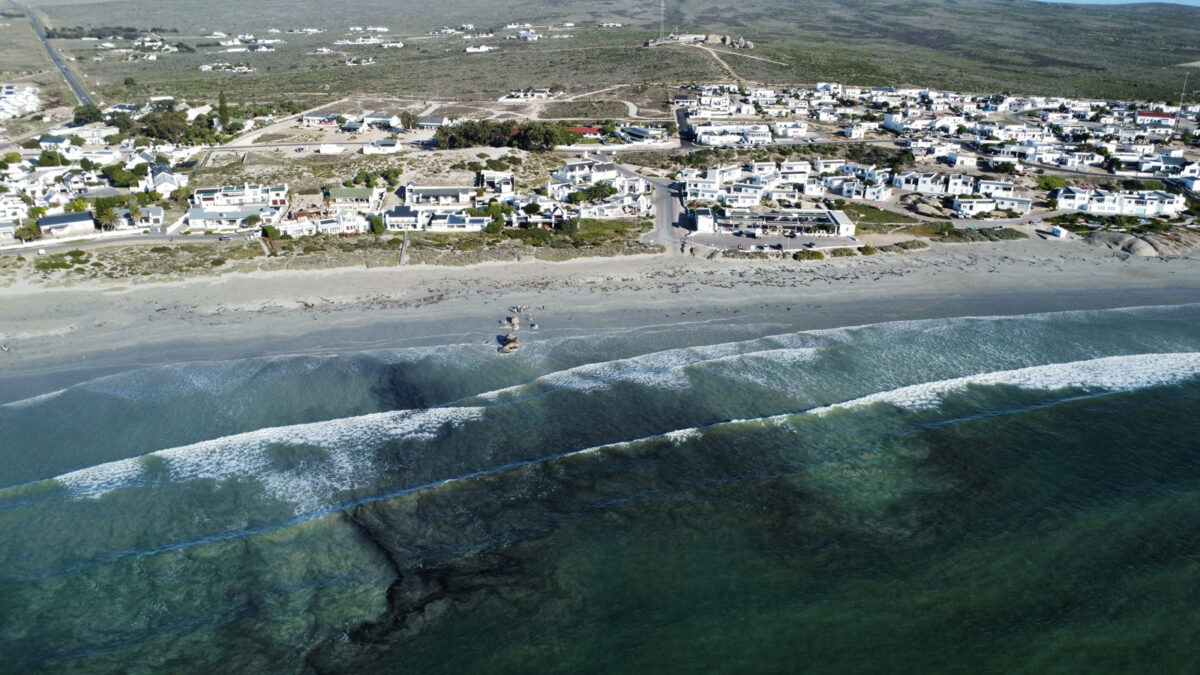
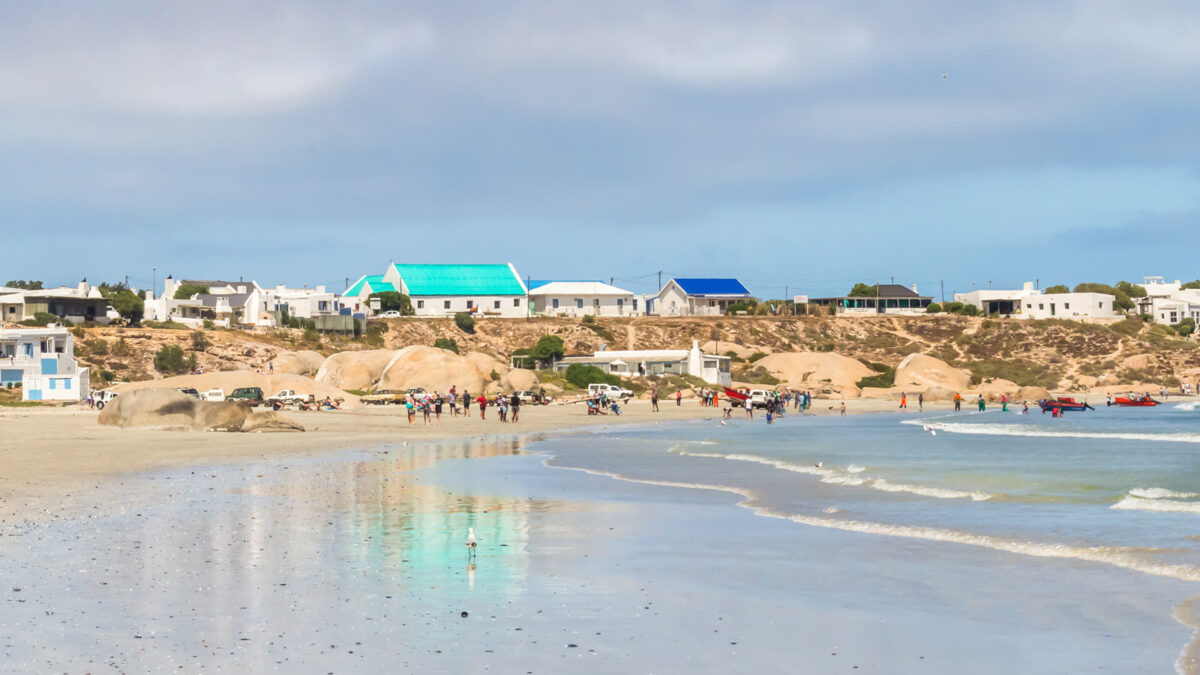
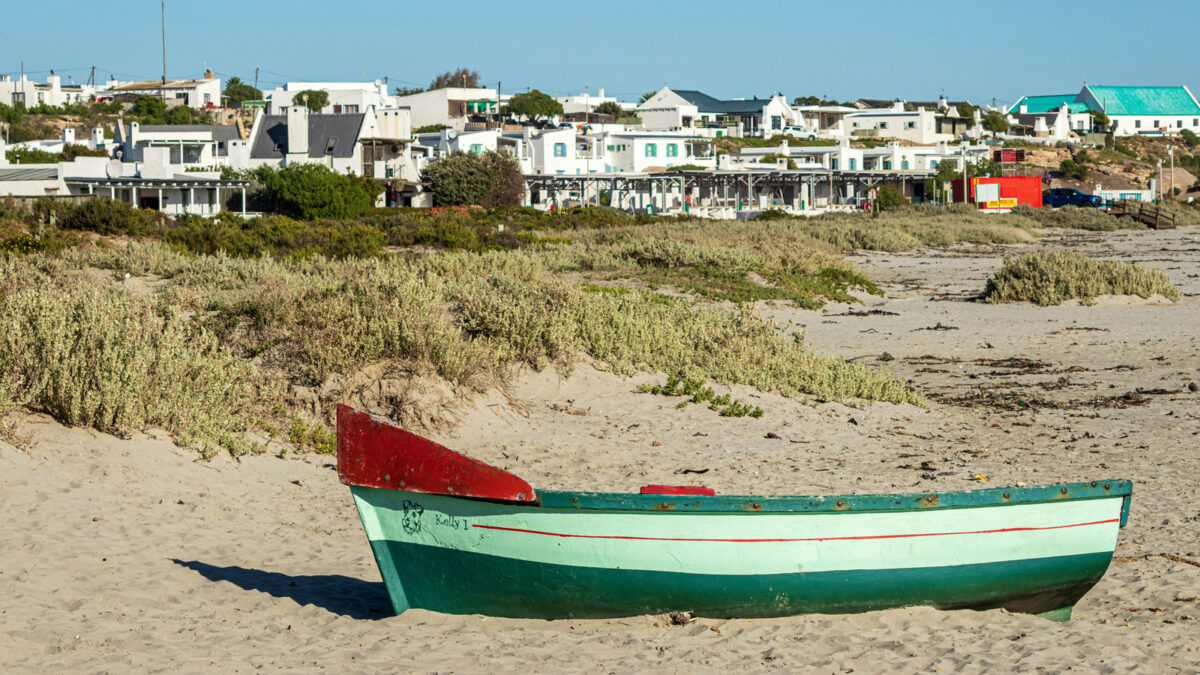
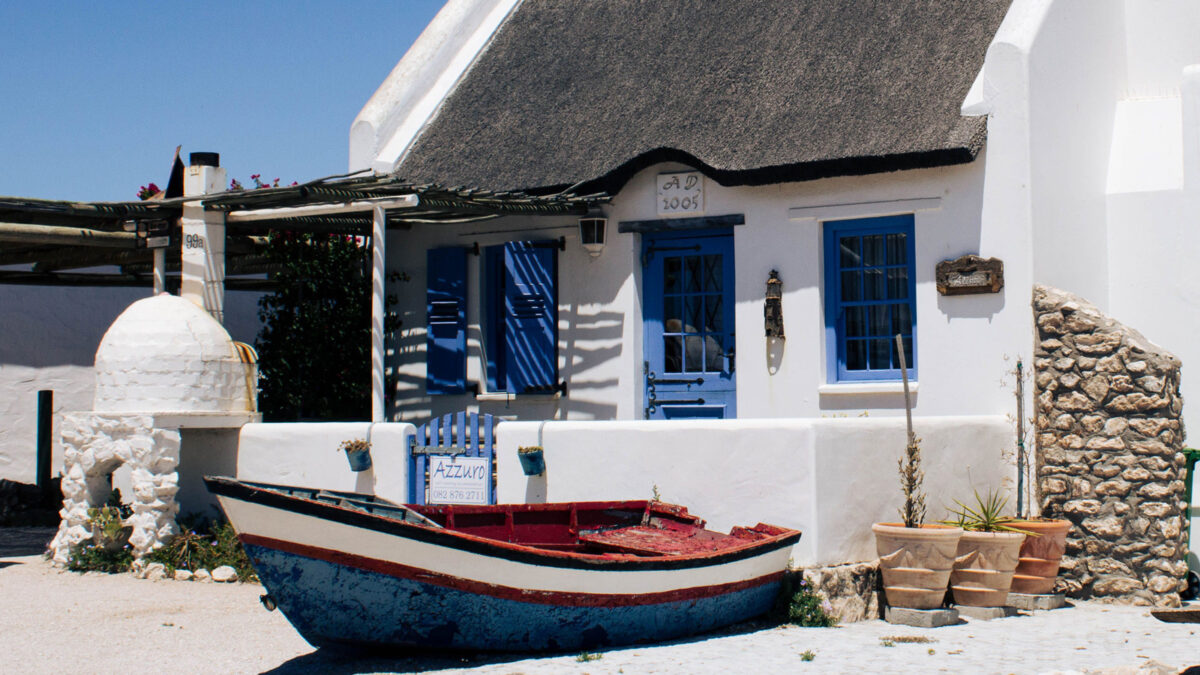
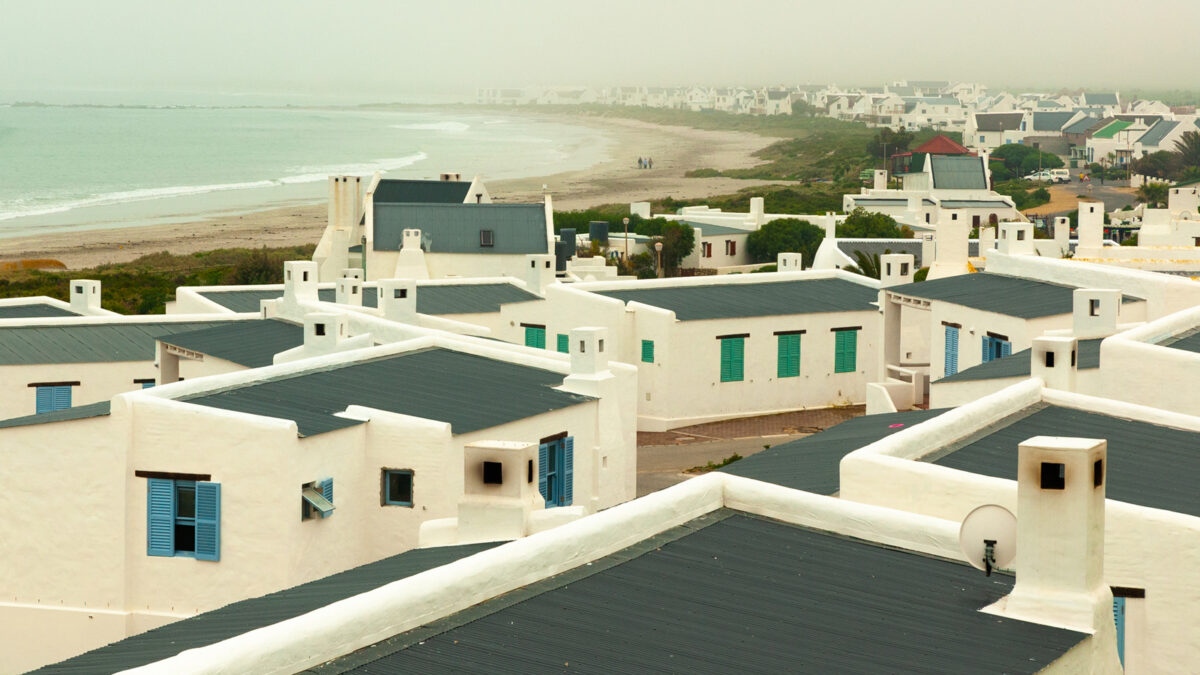
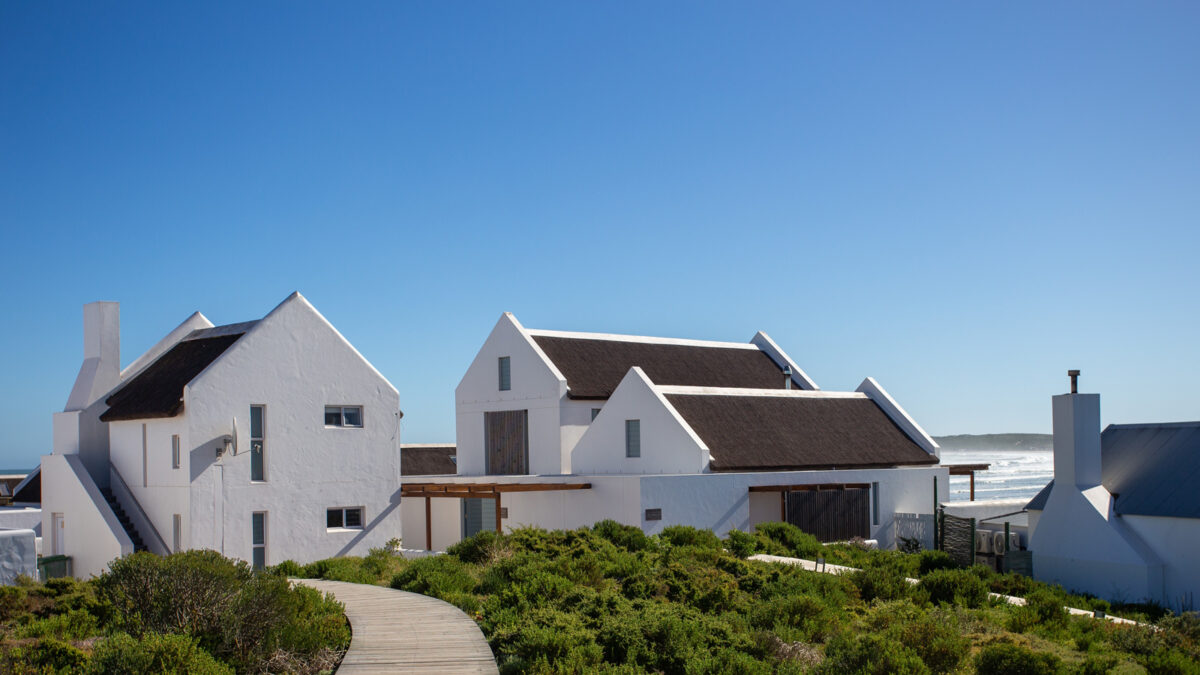
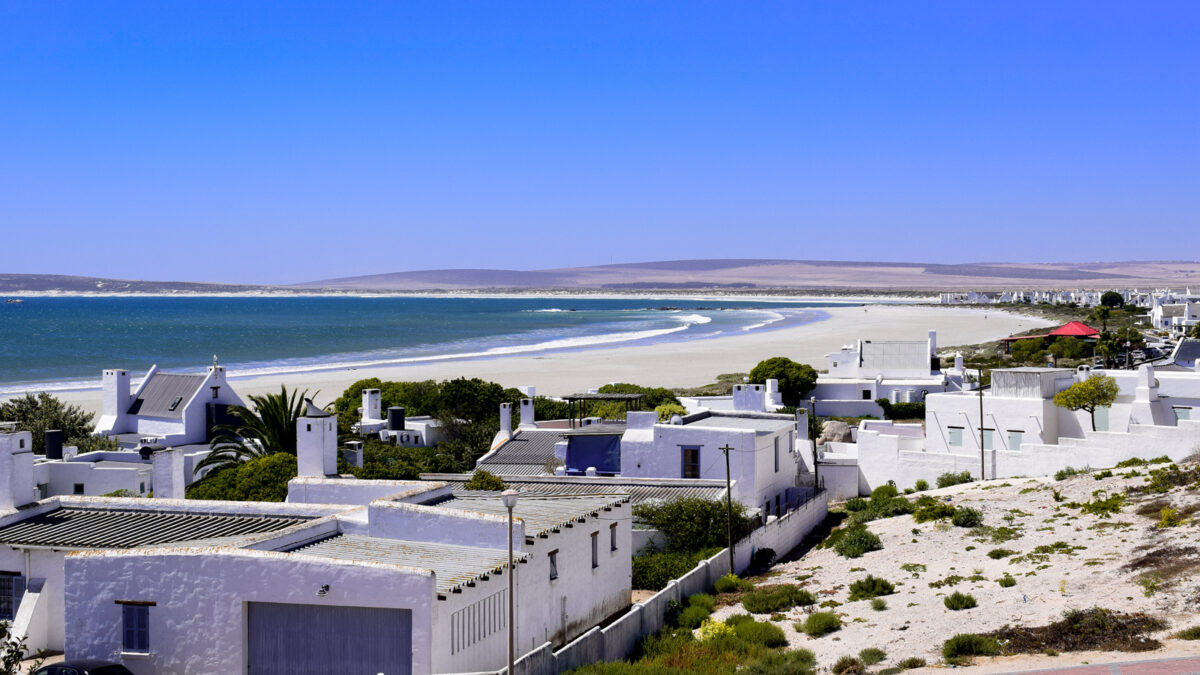
The style of its houses is determined by local heritage guidelines and gives the small town a look resembling Santorini, Greece, giving it its reputation.
Paternoster is located approximately 145km north of Cape Town on South Africa’s West Coast, between Saldanha Bay and St Helena Bay.
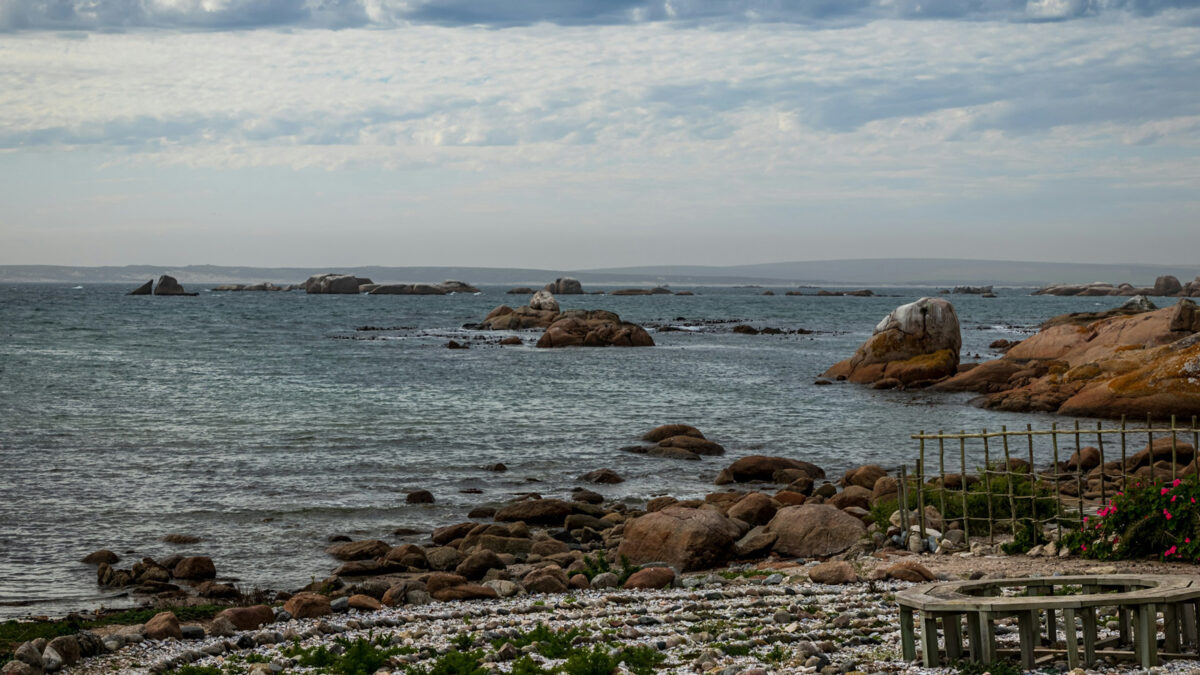
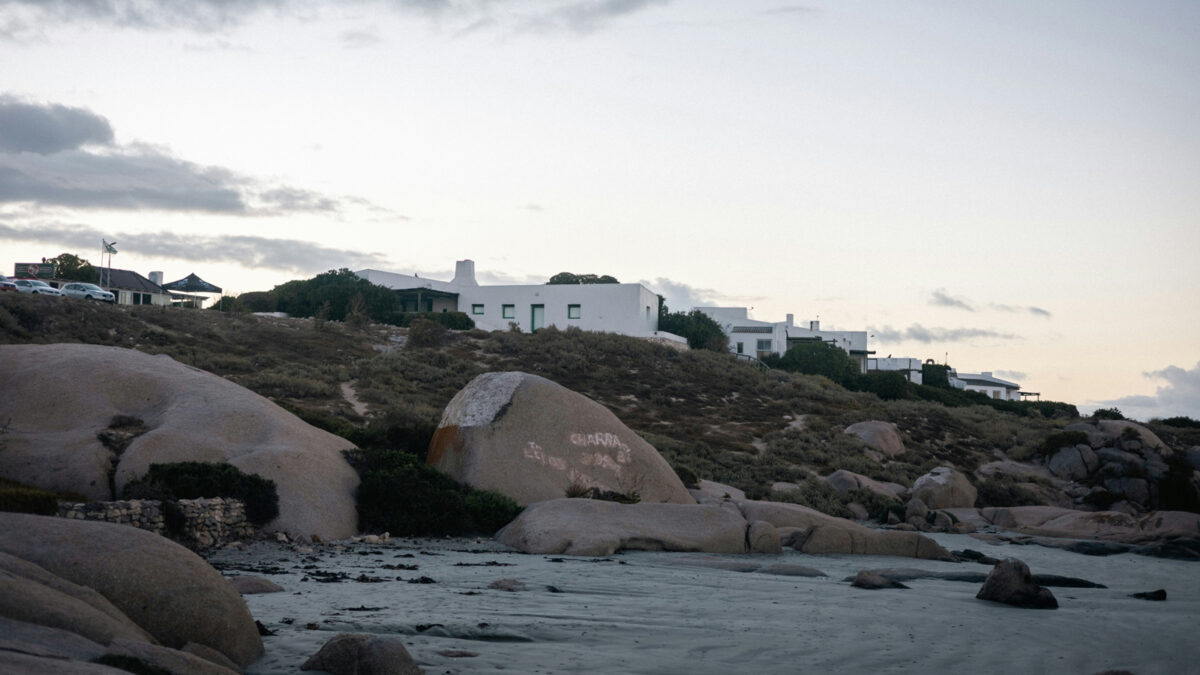
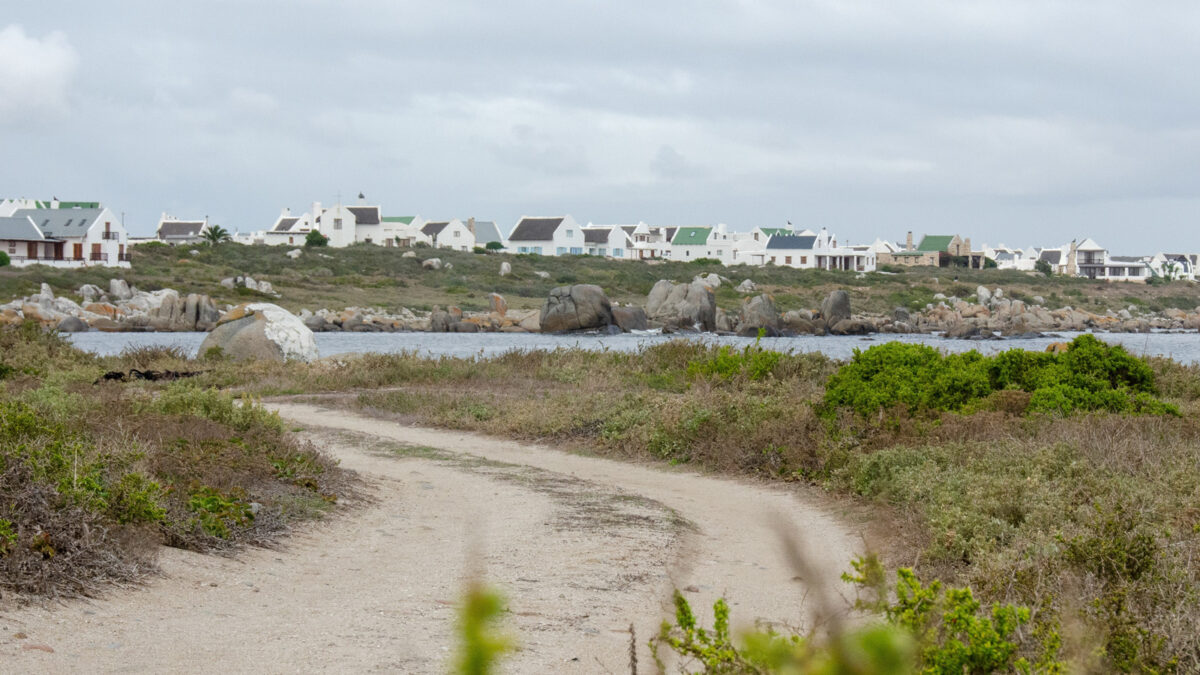
Known for its Mediterranean climate, the town is built on a dry countryside that features strong offshore winds, jagged cliffs, limestone outcrops, and large white boulders.
The origin of its name is unknown, though there are several possible explanations for it.
One popular theory relates to Catholic Portuguese sailors, as “Pater Noster” translates to “Our Father” in Latin.
The theory suggests that a Portuguese vessel was shipwrecked on the harsh and jagged reefs on the coastline, and the survivors recited the Lord’s Prayer in thanksgiving.
It is not clear whether this theory holds water, though there are a number of shipwrecks along the area’s coastline.
Another theory suggests that the name originates from early indigenous Khoi, who wore beads named ‘Paternosters’.
Archaeological features known as ‘shell middens’ indicate that the coastline was heavily inhabited by indigenous Khoisan hunter-gatherers several thousand years ago.
Middens are mounds of discarded mollusc shells, which indicate a historical reliance on marine resources.
The earliest European traders settled in the area in the early 19th century and began operating trading posts along the coast.
In 1863, a limestone building that served as a community gathering hall, general store, holding cell, church, and crop store for local farmers was constructed by the local community.
That building would later be bought by a family and converted into the Paternoster Hotel.
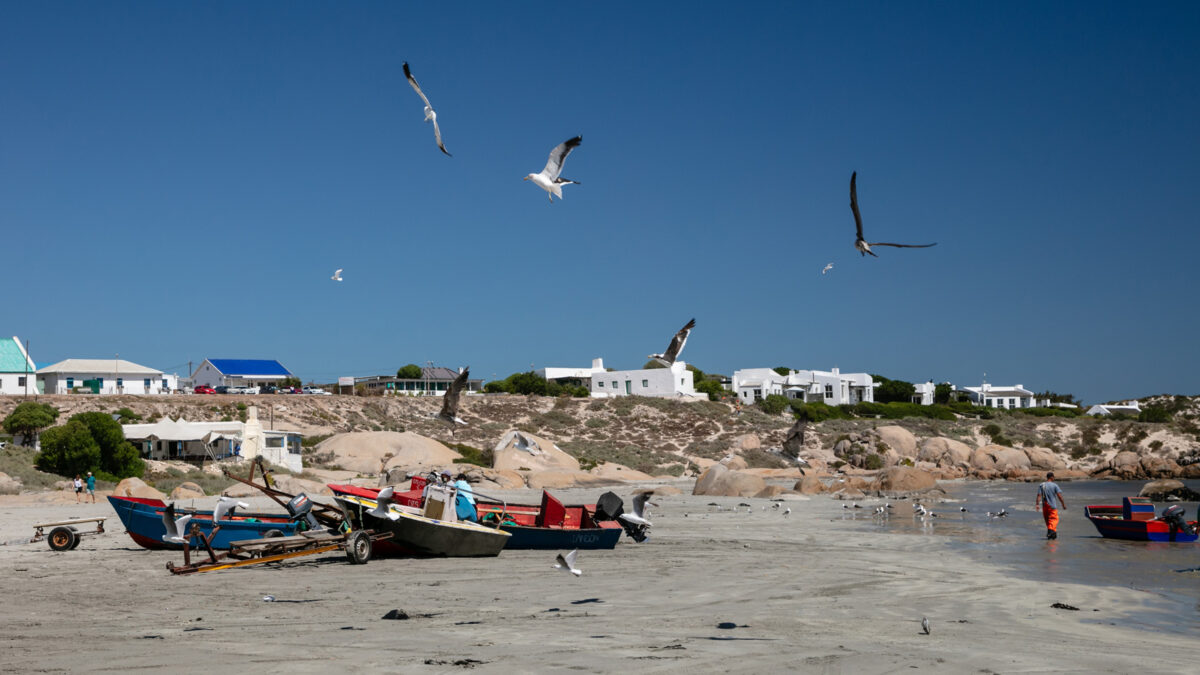
Towards the late 1800s, the town’s economy expanded rapidly as the local lobster industry grew. Two crayfish canning factories, a fertiliser plant, a fish liver oil factory, and a beachfront boatbuilding facility were established.
Centred around the West Coast Rock Lobster (WCRL), the local lobster industry continued to grow into the 1900s, becoming a full-scale commercial operation in 1902.
The industry exported WCRL across the world, most notably to France, and the canning facility also focused strongly on pilchard canning.
Soon after, the Redro fish paste factory was established by the Stephan family to rival imported British spreads.
Redro’s fish paste became extremely popular, and it held a monopoly in the market for decades. It was ultimately bought by the Pioneer Food Group in 2005 and discontinued in 2021.
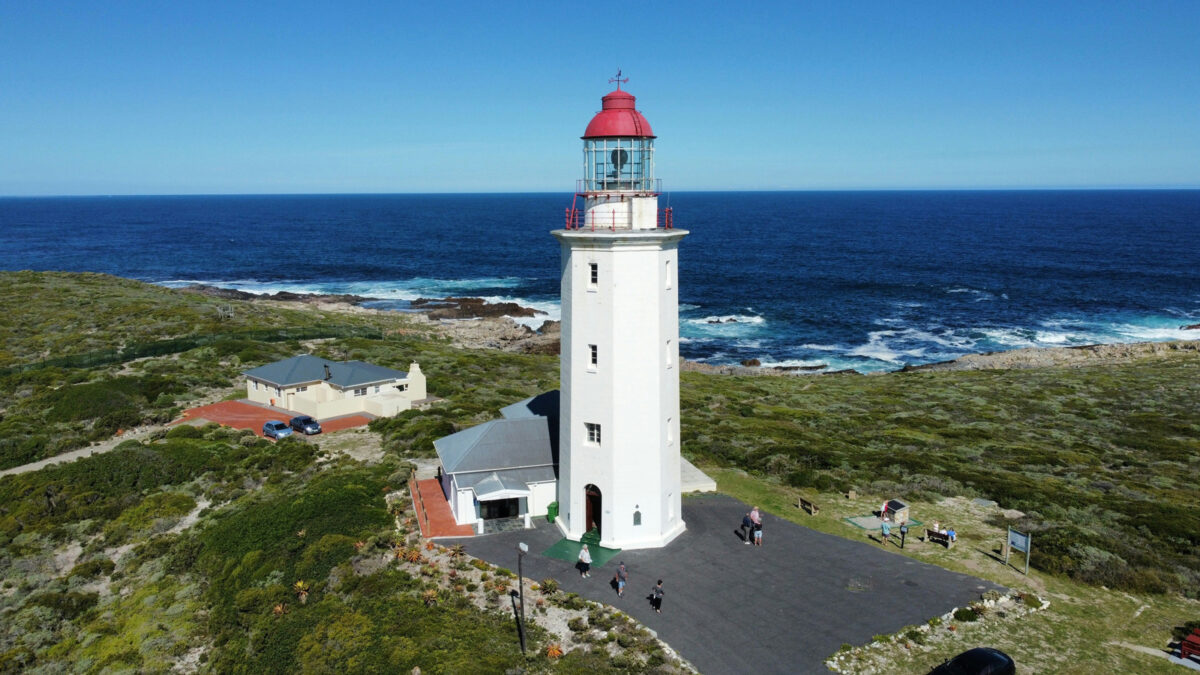
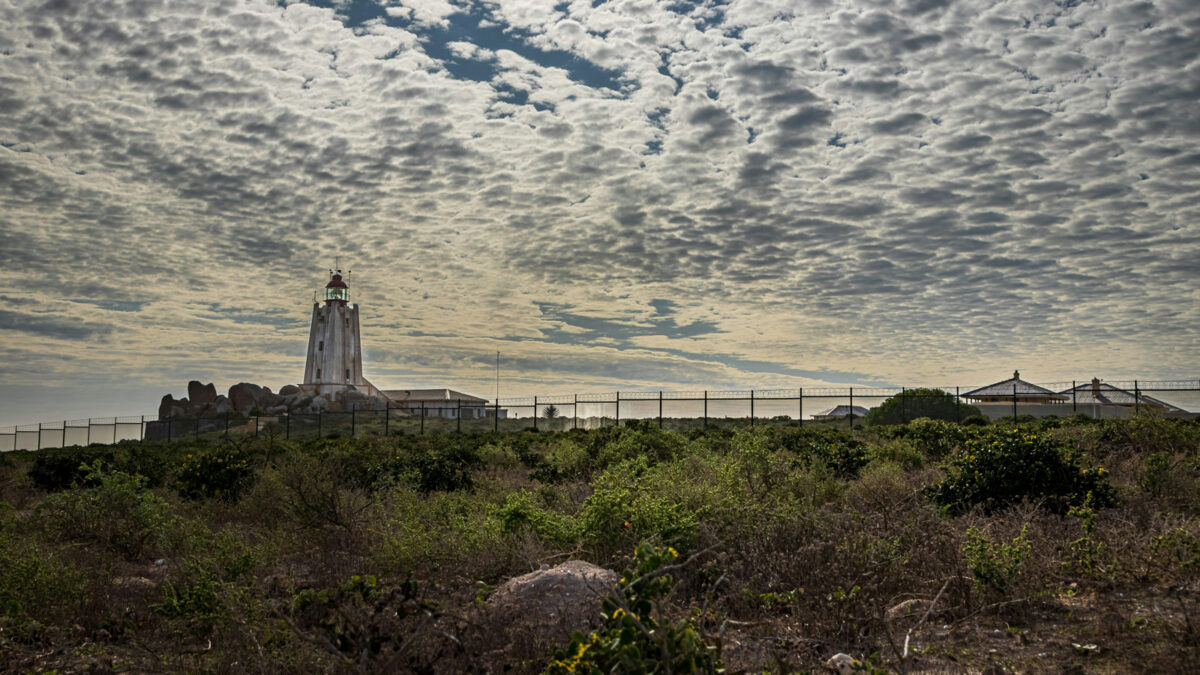
Soon after the introduction of the Redro factory, the Cape Columbine Lighthouse was built on Castle Rock, which now stands as South Africa’s last manually operated lighthouse.
In 1958, large coastal land areas were acquired by Paternoster Vissery (Paternoster Fishery), which dominated the town, owning the fishing fleets, canning factories, workers’ cottages, and hospitality real estate.
This included owning the Paternoster Hotel before selling it in the 1970s.
In the 1980s, the factory was bought by the Pharo family, and poor management ultimately led to its collapse in the 1990s.
At this point, Paternoster was completely dependent on the fishery. Its workers didn’t only rely on it for income; they lived rent-free in the cottages it owned.
The collapse left long-time workers without jobs and pensions, and ultimately led to many evictions from the traditional cottages owned by the fishery.
This paved the way for a tourism boom, shaping Paternoster into its current form.
Paternoster today
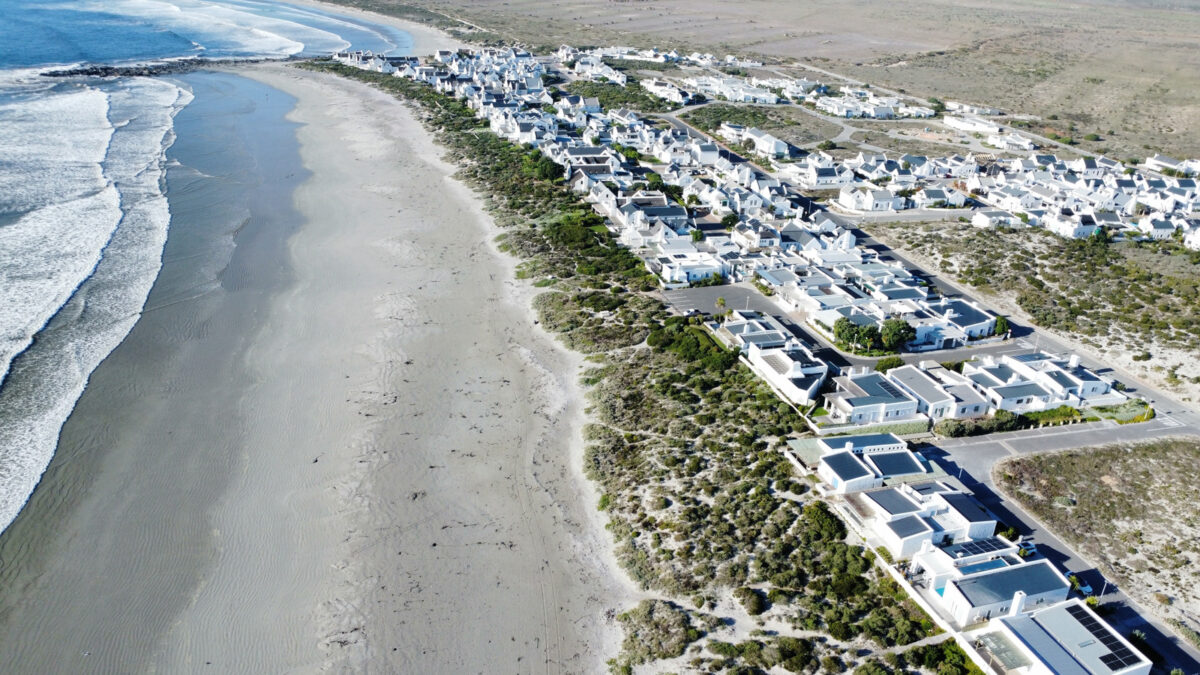
Paternoster transitioned from a 19th-century industrial lobster-canning hub into a culinary and tourist destination.
It remains a small town, at less than three square kilometres in size and home to fewer than 3,000 inhabitants.
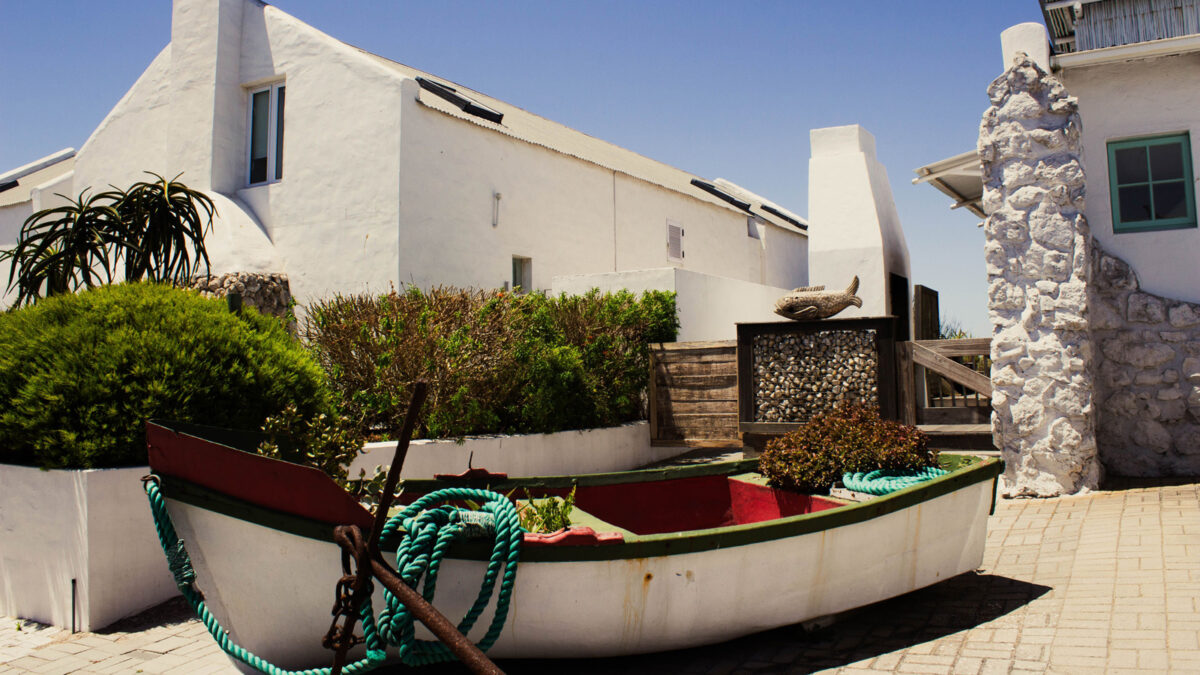
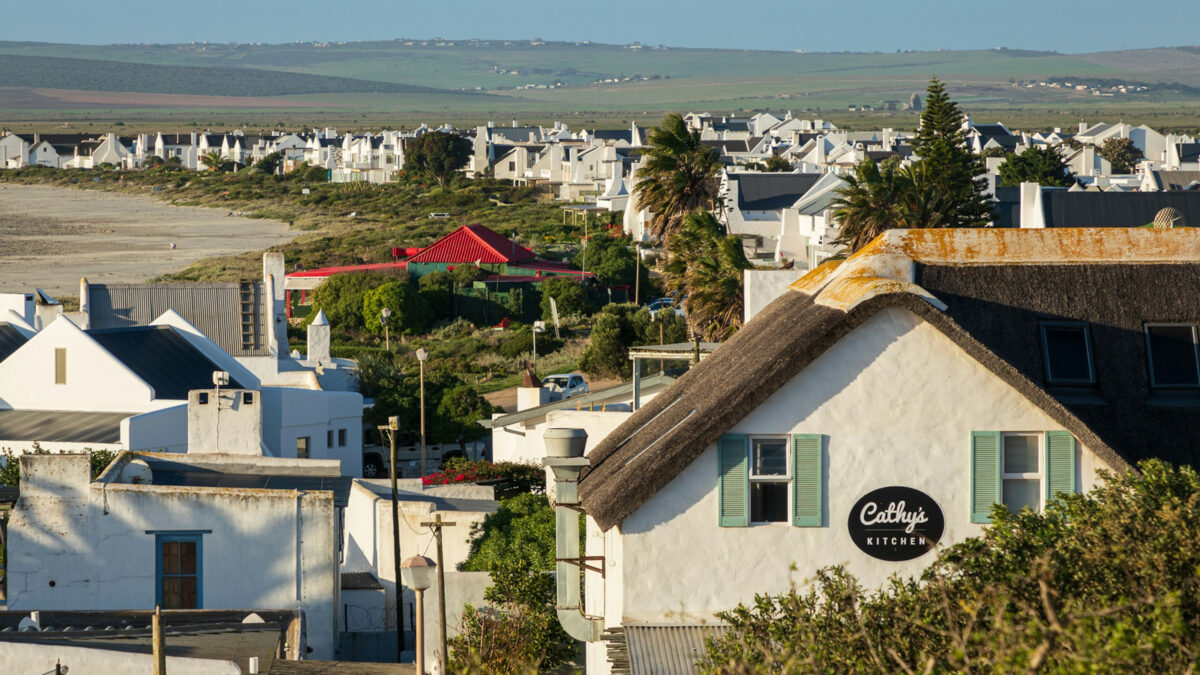
The town has held on to its strict requirement that all houses be painted white, with all plans having to comply with the Saldanha Bay Municipality’s local heritage guidelines.
Guidelines include:
- Whitewashed exteriors for primary walls – must be stark white.
- Limited accent colours are allowed.
- Primary blue is allowed – completing the colour scheme that resembles the Greek town of Santorini.
- Doors and windows must be proportioned to mimic traditional cottage styles.
- New developments are limited to single-storey plans.
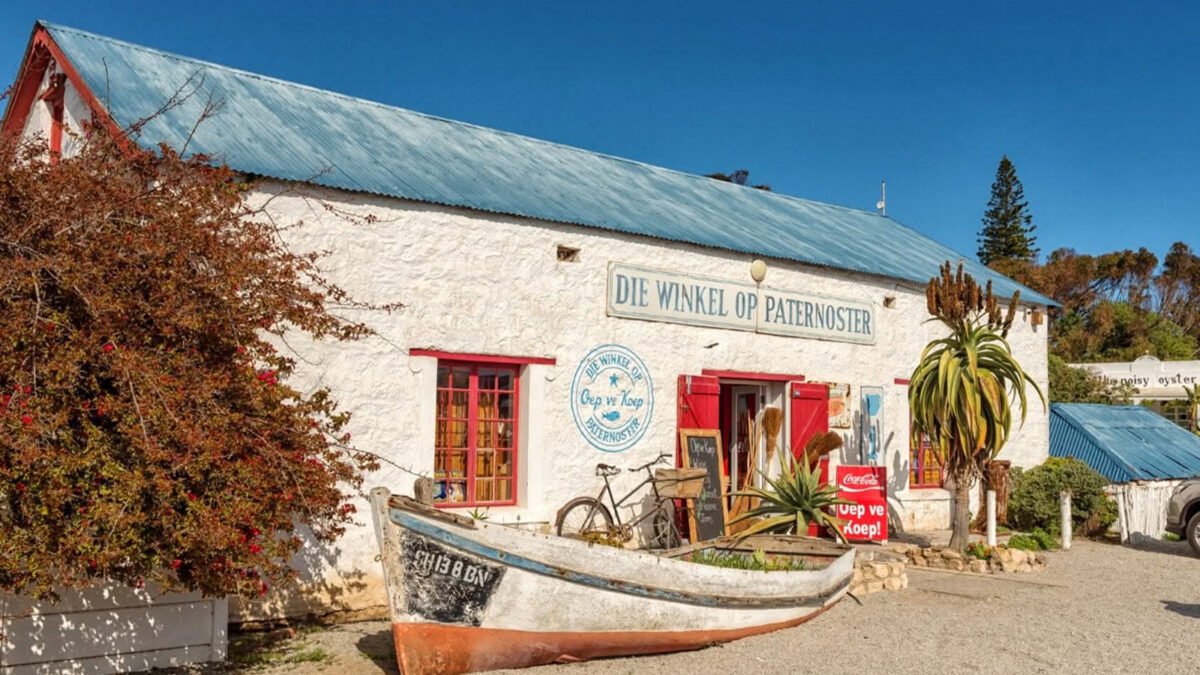
Paternoster’s once-industrial buildings have mostly been converted to serve the tourism industry.
A historic Cape Heritage cottage that served as the Paternoster Fishery foreman’s home is now a popular coastal restaurant.
The ‘koelkamer’, an industrial cold-storage facility once used by the fishery now operates as a theatre and live music venue.
One fisherman’s cottage also became Wolfgat, a restaurant that won the Restaurant of the Year award in 2019.
The historic Paternoster Hotel remains a hotel, and the Paternoster Fishery made a comeback after its 1990s collapse – now serving as the town’s last active commercial lobster packing operation.
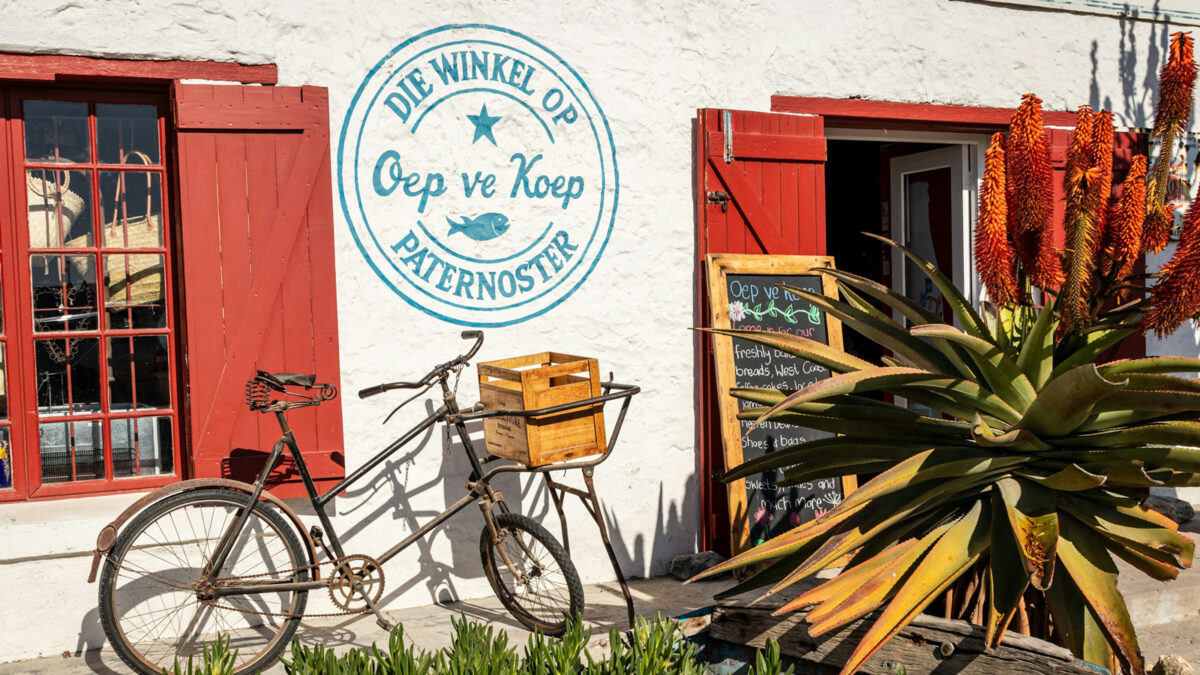
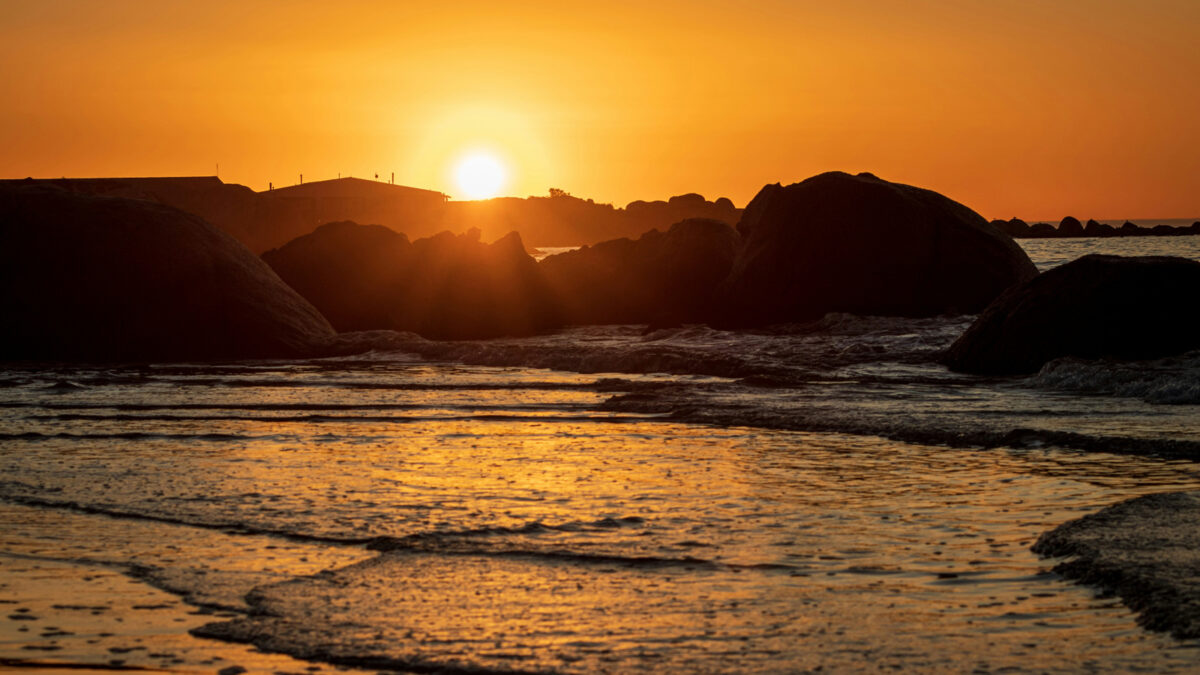
Photos of Paternoster









 Loading ...