
The well-run coastal town known as the “Graveyard of Ships” where two oceans meet and is home to the second-oldest lighthouse in South Africa


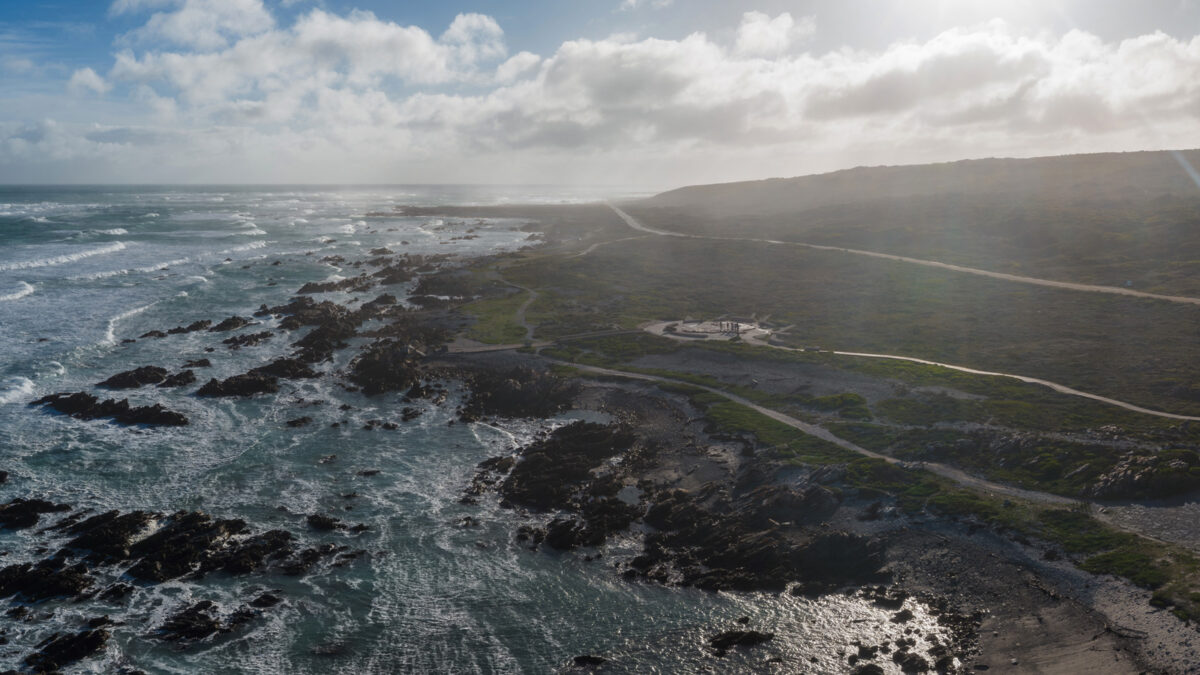
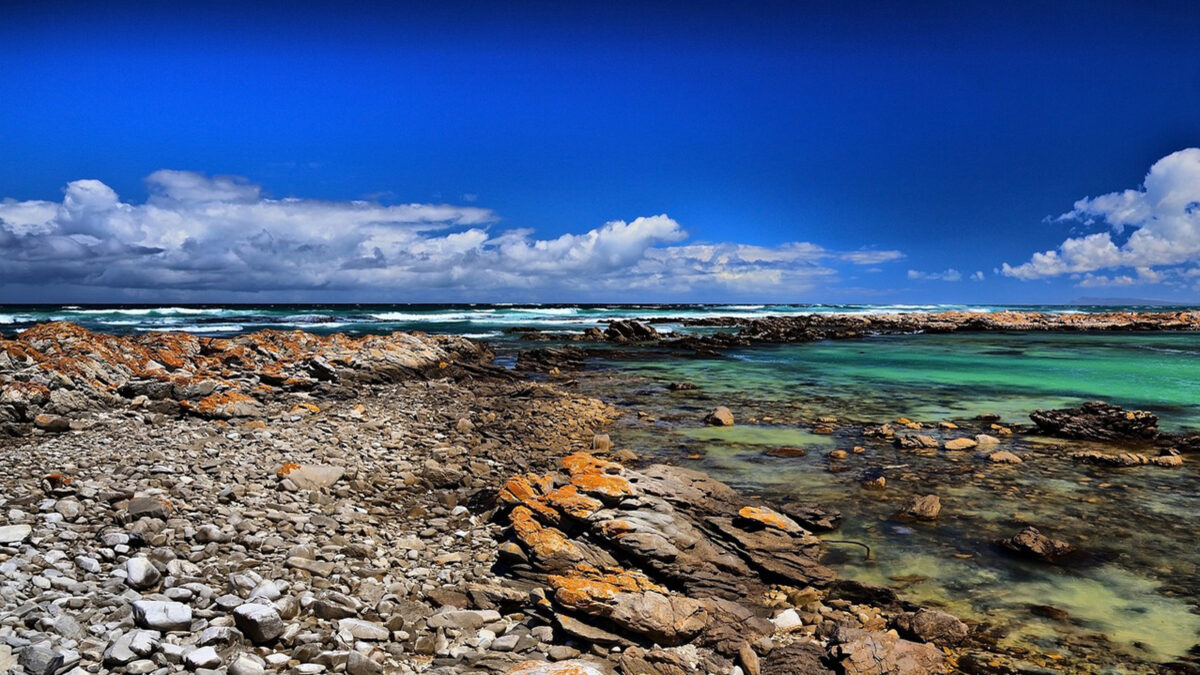
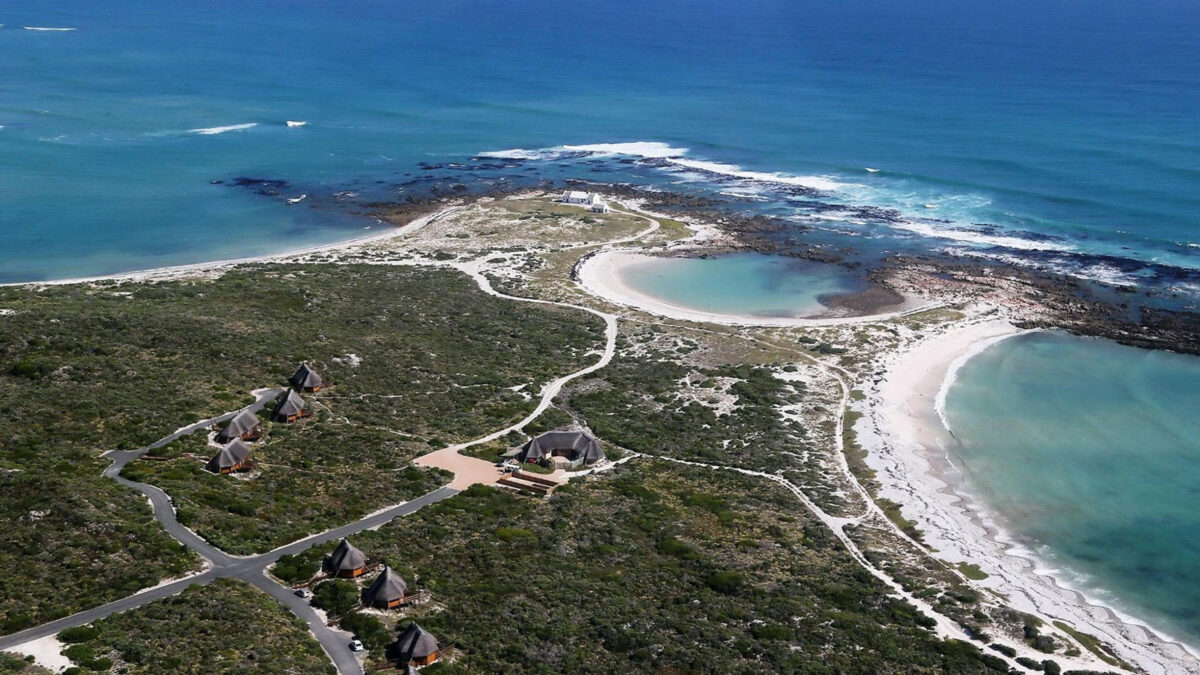
The small town of L’Agulhas is at the southernmost tip of Africa, an area known for its treacherous coastline and fierce storms, and around 130 shipwrecks.
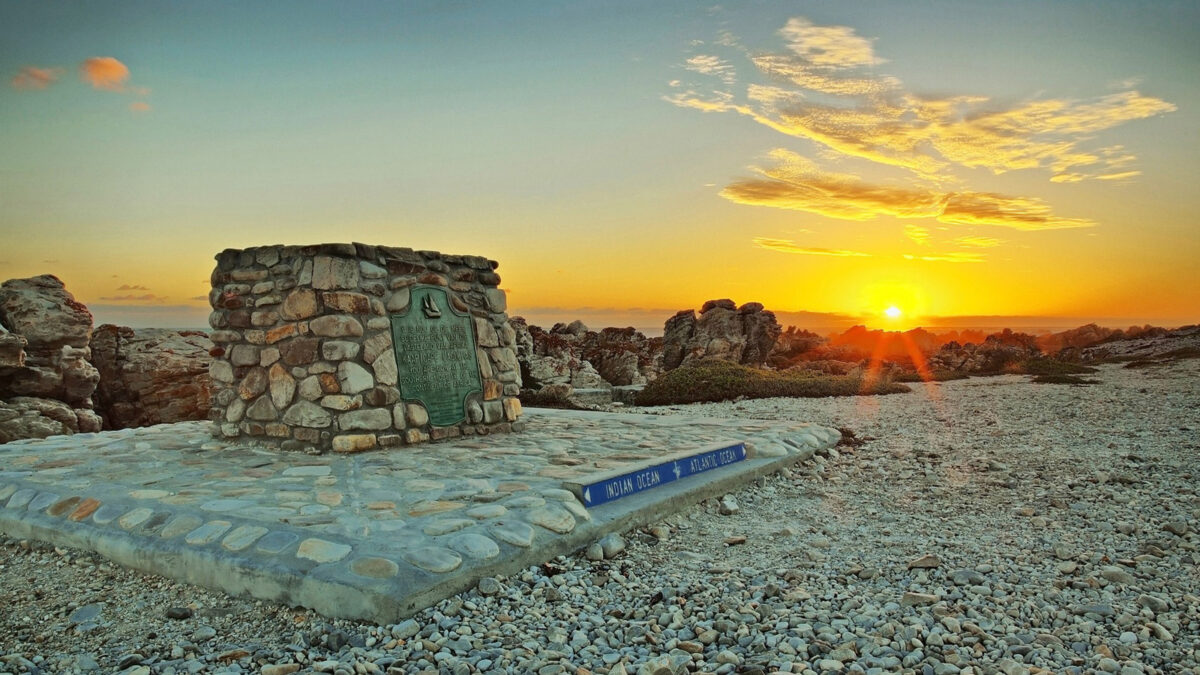
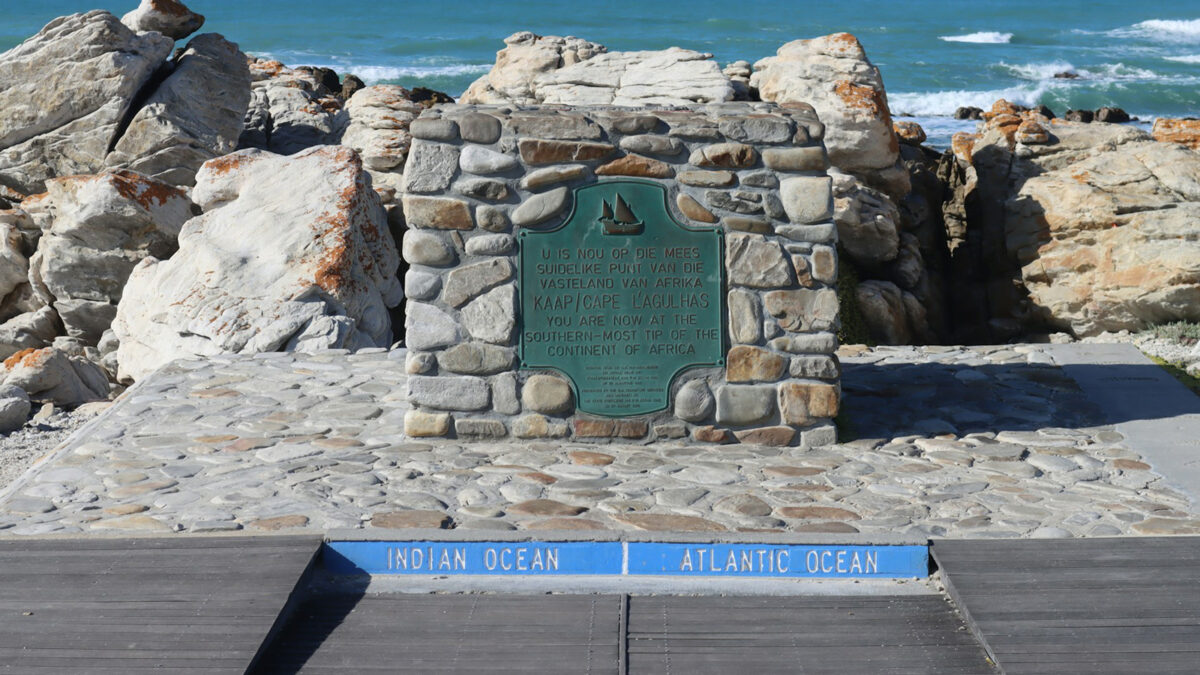
Known by several nicknames, including The Cape of Needles and The Graveyard of Ships, the town marks the exact point where the Indian and Atlantic Oceans meet.
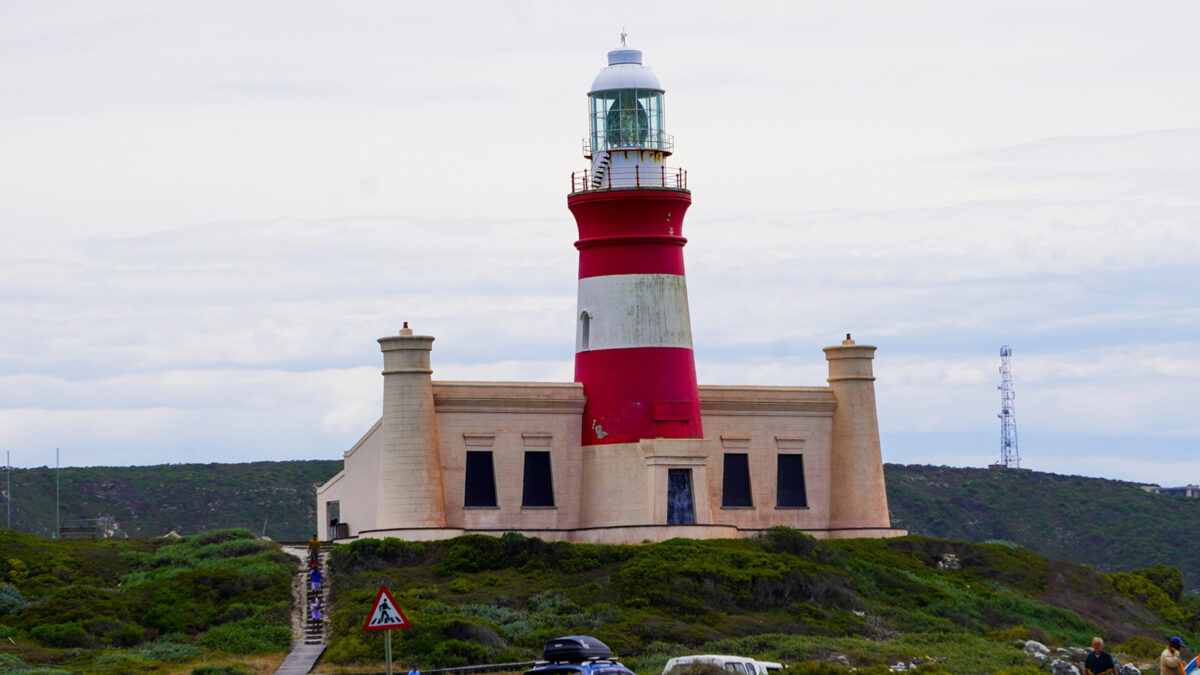
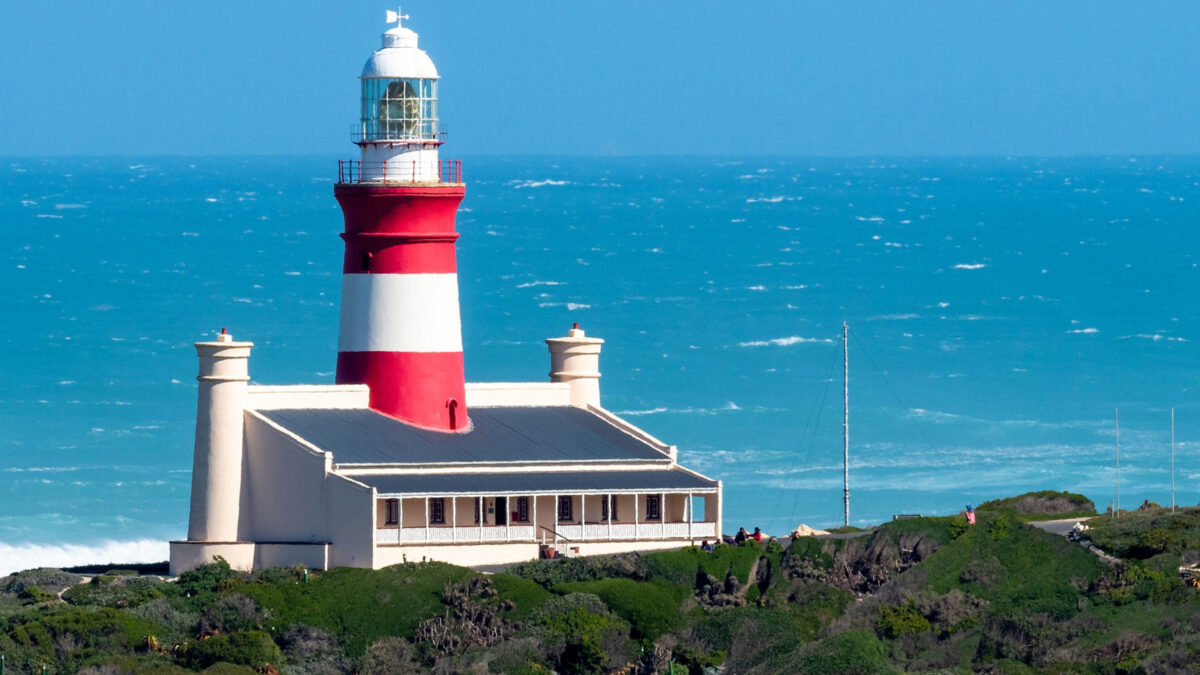
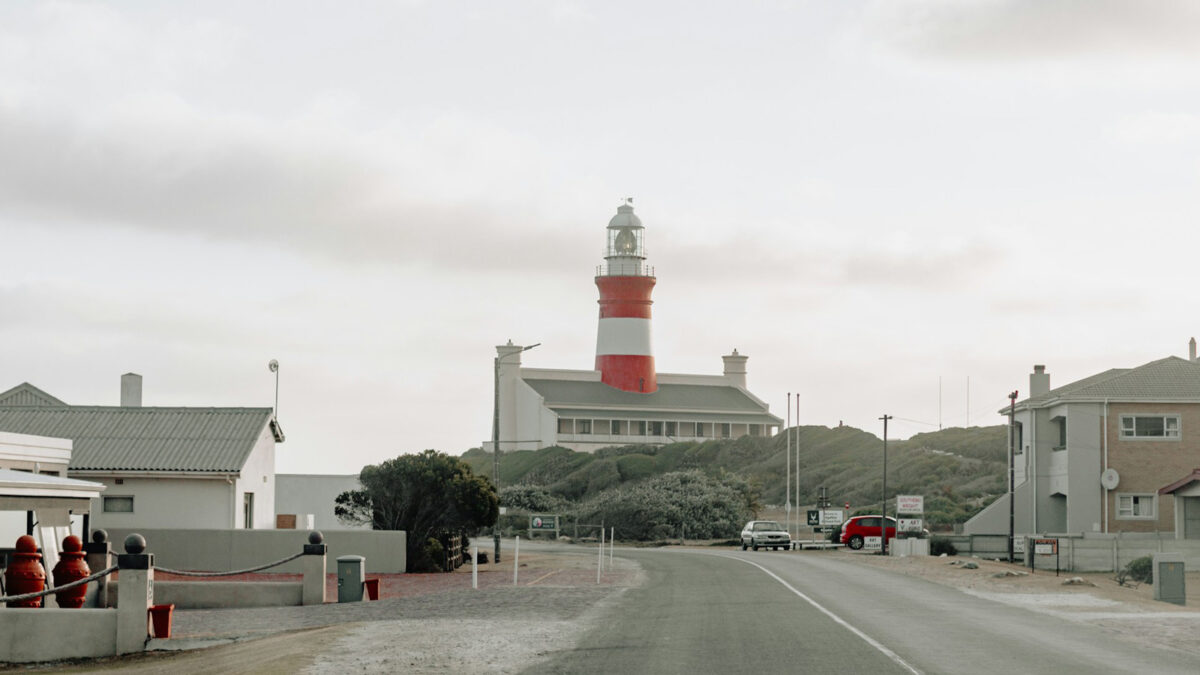
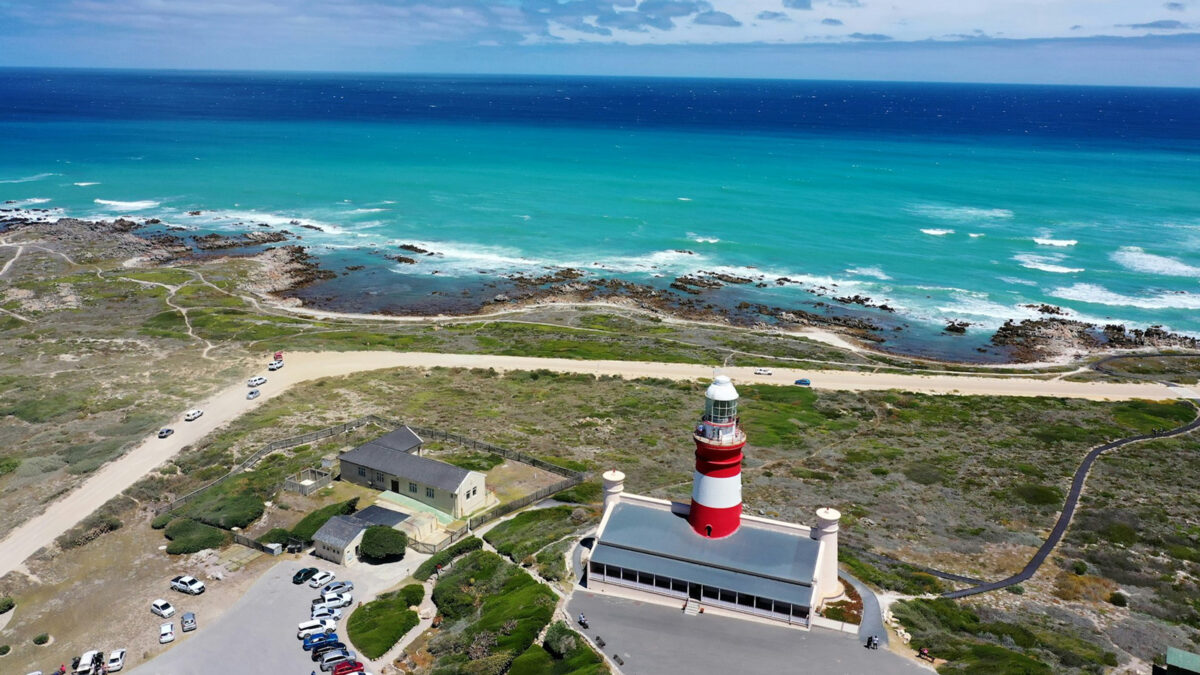
It is also home to the country’s second oldest working lighthouse.
Commonly known as Agulhas, the small town is located in the Overberg District of the Western Cape, under the Cape Agulhas Municipality.
It is situated roughly 170km from Cape Town, on a harsh coastline which has claimed many ships.
The area was first discovered by the famous Portuguese explorer Bartolomeu Dias around 1488, just before he sailed to the Cape of Good Hope.
He mapped the coastline and later gave the area the name ‘Cabo das Agulhas’, meaning ‘Cape of Needles’.
The name comes from the observation that, when passing the area, compasses would point to true north without any magnetic declination.
This rare phenomenon is observed in only a few other areas across the world.
Settlement would not begin for another several hundred years. The earliest formal settlement began in the 1840s and was built around the lighthouse.
The Surveyor-General of the Cape, Colonel Charles Collier Michell, proposed the need for the lighthouse after more than 130 ships were wrecked on the Agulhas Bank.
The area was surveyed for the construction of the lighthouse, which was completed in 1848. It was at this point that a small settlement began to form around the lighthouse keepers.
The lighthouse warns ships of the dangerous Agulhas Bank – a shallow underwater shelf less than 100 metres deep and almost 250 kilometres wide.
It was the third lighthouse ever built in South Africa and remains the second-oldest in the country. It is also still functioning.
For nearly 100 years, the area remained an isolated maritime outpost built purely around the lighthouse and a small-scale shipwreck-salvaging industry.
This small industry transitioned into formal underwater archaeology with the exploration of the famous shipwreck of the British ship Arniston, which sank in 1815.
The Arniston shipwreck was declared South Africa’s first underwater historical monument in 1982.
In 1936, the formal residential settlement of Agulhas began with the completion of the first six houses.
It was officially recognised in 1937, and gradually grew into the small town that it is now.
The surrounding area – which encompasses Agulhas, Struisbaai, and Gansbaai – was officially designated a nature reserve in 1998 due to its wetland biodiversity.
It is popular for its whale watching, famous shipwrecks, and fishing.
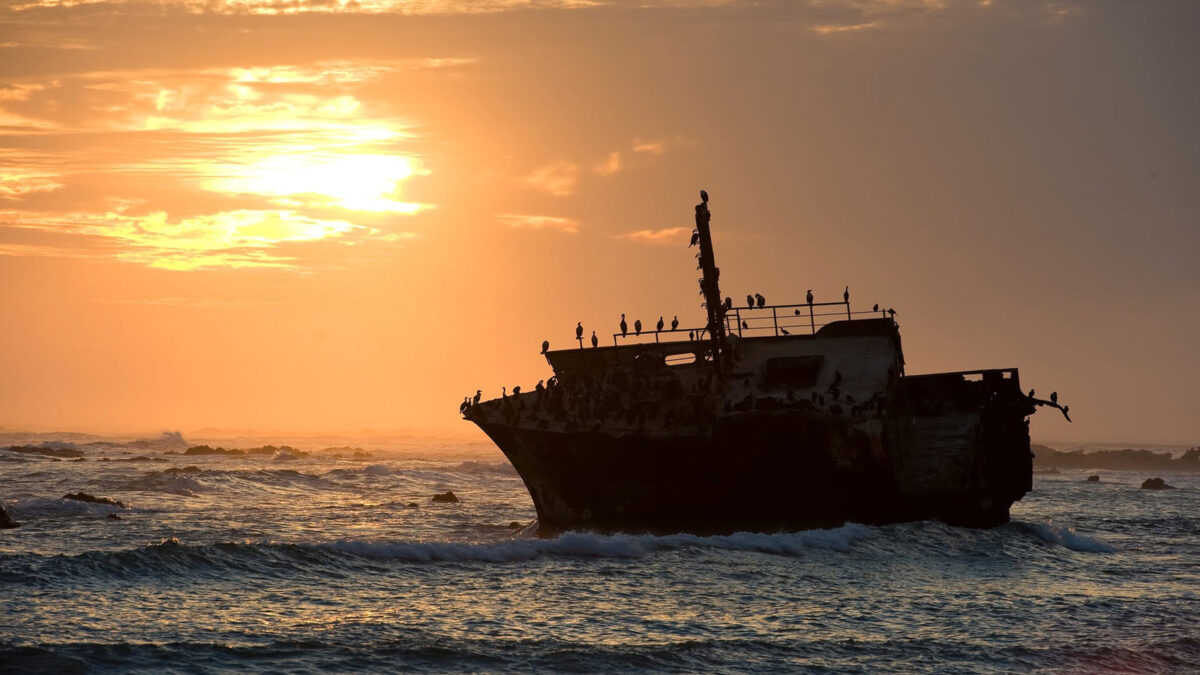
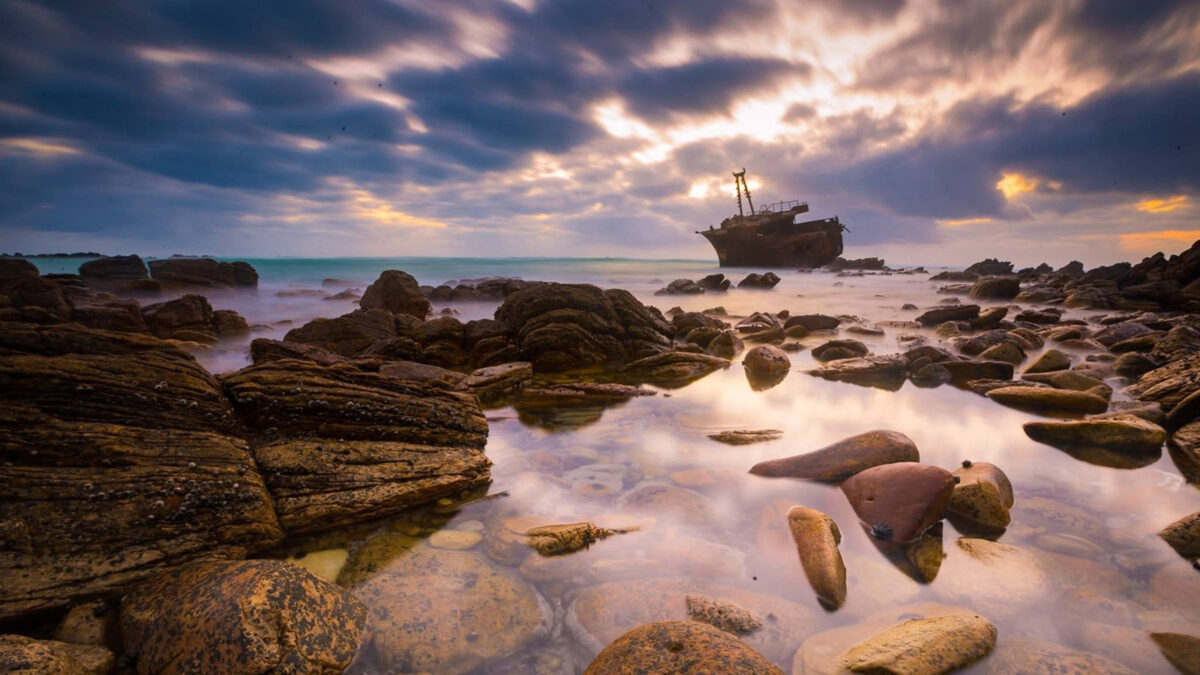
One shipwreck, the Japanese Meisho Maru, ran aground in front of the lighthouse in 1982, during the lighthouse’s decommissioning.
The light was set up to run from a rudimentary aluminium tower during this time.
The lighthouse was decommissioned by the Department of Transport in 1968 due to severe weathering and structural instability.
It was declared a national monument in 1973 and recommissioned in 1988, and is now a Provincial Heritage Site.
Agulhas today
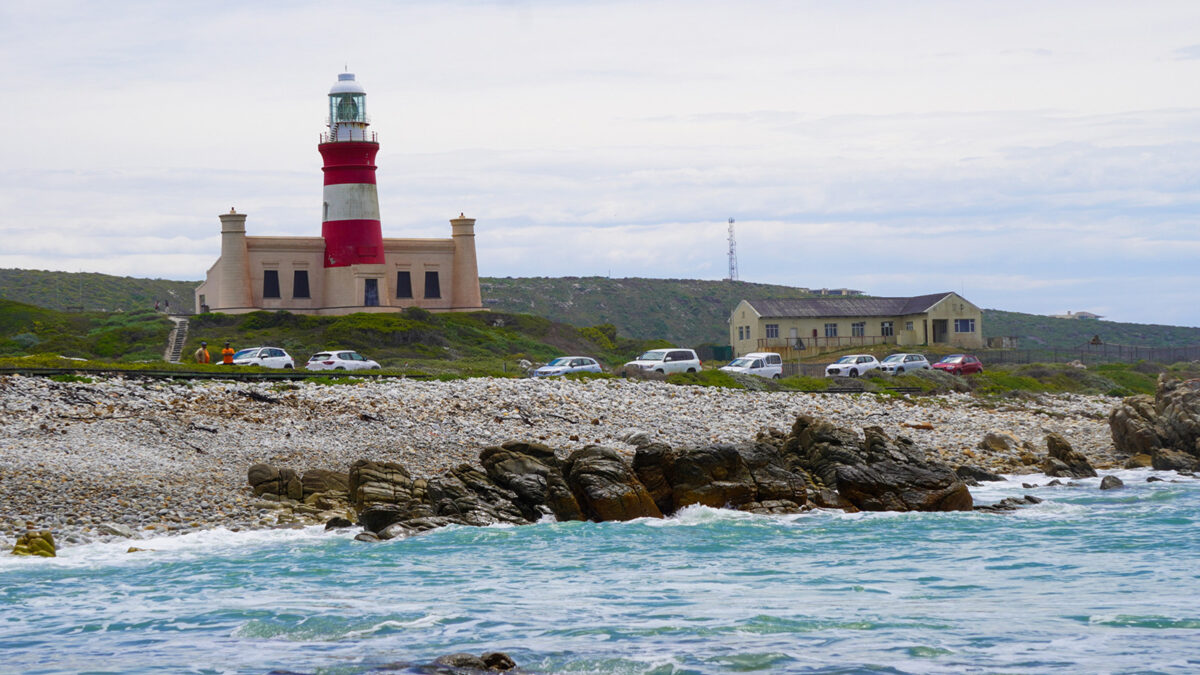
Agulhas has expanded significantly since the first houses were built in 1937, but it remains a small town often designated a ‘village’ and home to around 1,000 people.
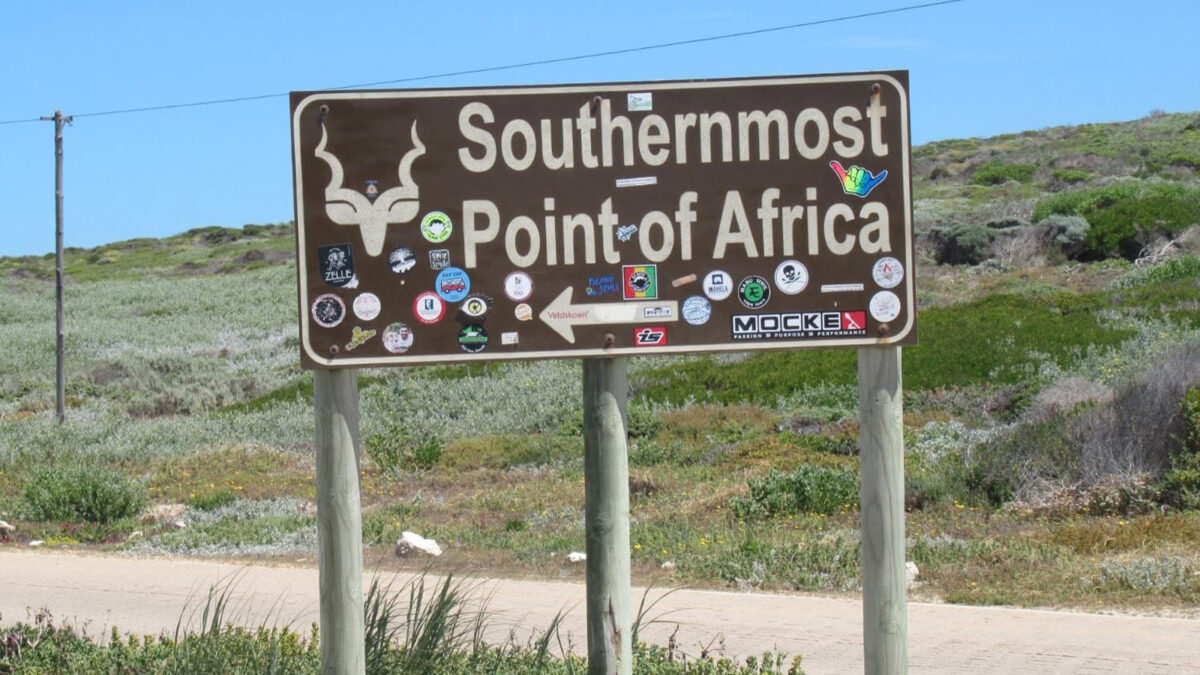
It is both the southernmost tip of Africa and the dividing line between the Indian and Atlantic Oceans.
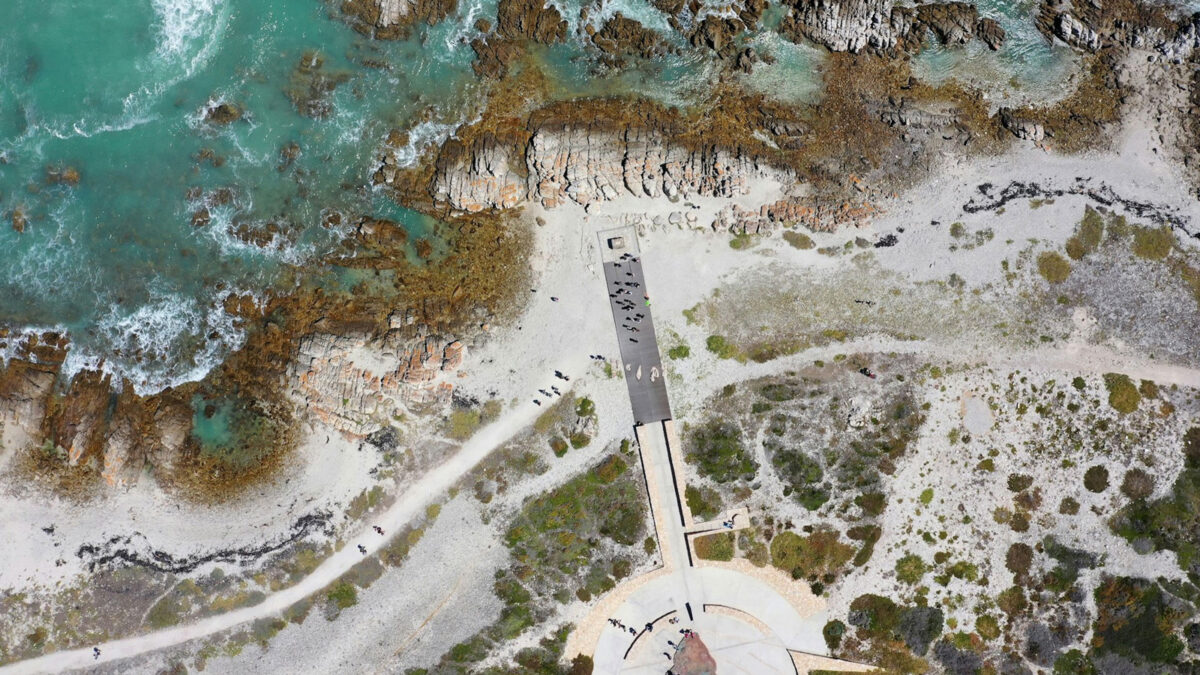
A small monument marks where the two oceans meet, allowing visitors to stand with one foot in the Indian Ocean and the other in the Atlantic.
Its unique landmarks and geographical significance have made Agulhas a popular tourist area.
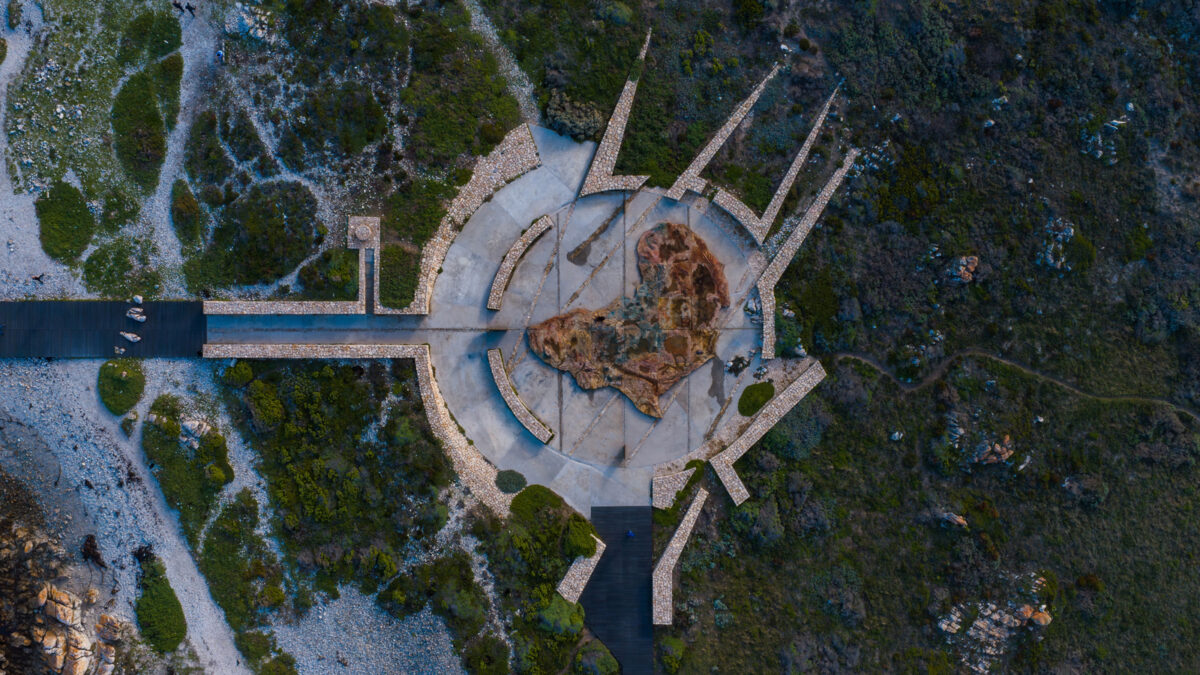
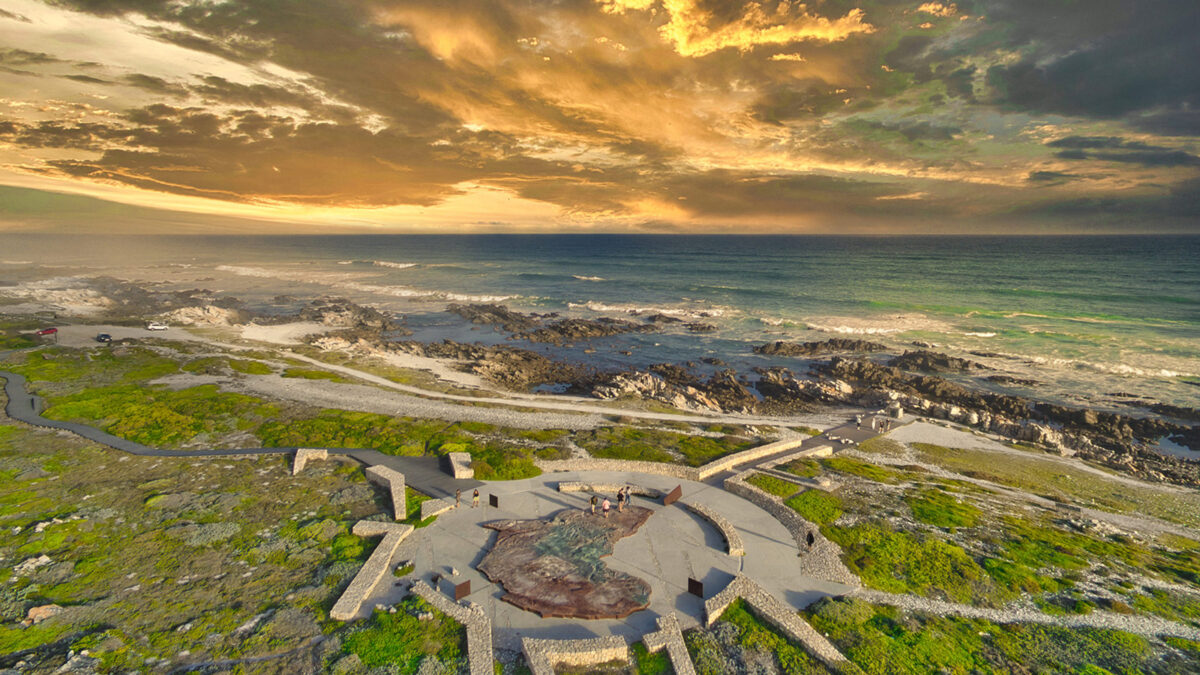
Other popular sights for tourists include the Meisho Maru shipwreck, as one half of the hull remains visible from a distance, and the nearby Map of Africa Monument in Suiderstrand.
Agulhas’ economy is essentially entirely dependent on tourism, hospitality, and real estate. It is primarily a holiday destination and retirement village.
The Cape Agulhas Municipality, which encompasses Bredasdorp, Napier, Arniston, Struisbaai, L’Agulhas, Suiderstrand, Protem, Klipdale, and Elim, allocated R37.5 million to infrastructure overhauls in 2025/2026.
It holds a streak of 12 consecutive clean audits from the Auditor-General, making the well-run area attractive for investment.
For the 2024/2025 financial year, only 15% of South African municipalities achieved a clean audit, making Cape Agulhas one of the best-run municipalities in the country.
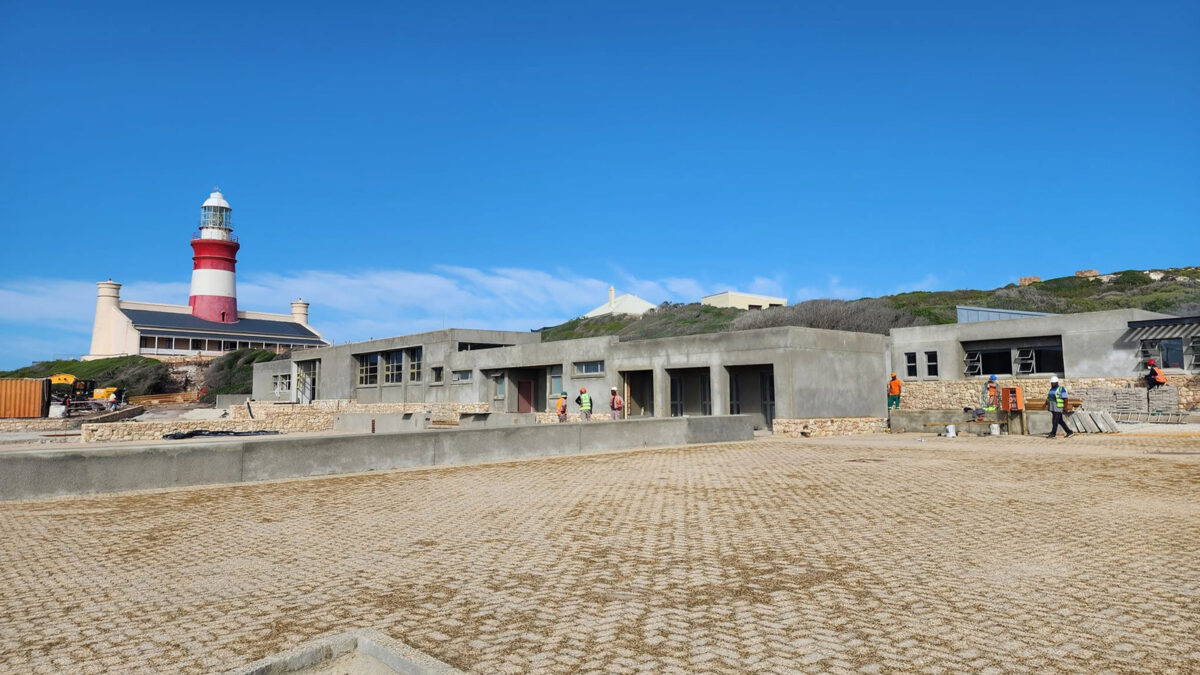
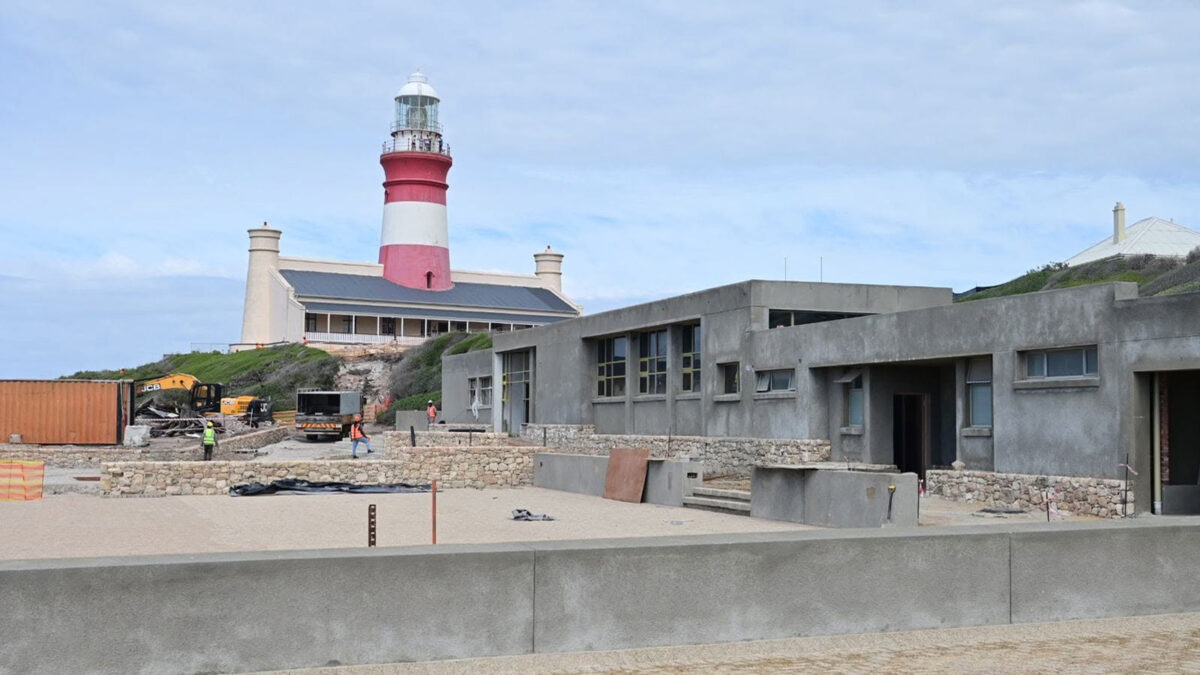
Transnet Freight Rail completed the second set of restorations on Cape Agulhas Lighthouse in 2026, with funding and management from Transnet National Ports Authority.
The total budget for the restoration, with contributions from SANParks and TNPA, was R81.7 million for the entire precinct.
Additionally, the Cape Agulhas Wetlands were designated as a UNESCO Ramsar Site of International Importance in 2026.
Photos of Agulhas
Where oceans meet
Map of Africa Monument
Meisho Maru shipwreck
Recent Agulhas Lighthouse restoration



 Loading ...
What a beauty where two oceans meet. Great 👌😊 staff.
The world at its best.