
A woman makes R75,000 a month by renting out back rooms in Soweto


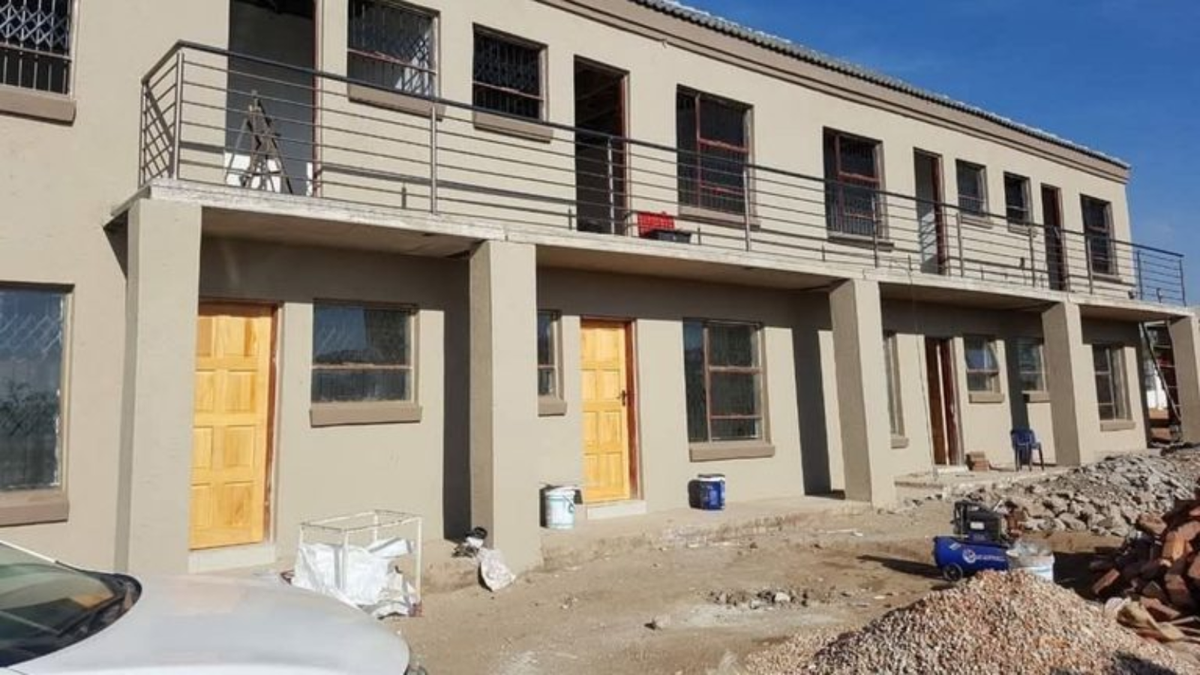
A South African woman earns R75,000 per month by renting out 25 backroom units in a Soweto suburb and has ambitious plans to expand her operations.
The entrepreneur’s next target is the booming student accommodation business. She has plans to construct 31 rental units near the University of Johannesburg.
However, for this growth, she needs a R1.5 million bank loan, which was rejected despite the R75,000 flowing into her account every month.
Informal economy expert GG Alcock said this is a clear example of how financial institutions underestimate the scale of this hidden economic powerhouse.
Daily Investor reported Alcock as saying that banks and other financial institutions only see an individual taking out a loan to build a business in a sector where they lack data.
Because these institutions lack hard data on the backroom rental sector, they do not extend credit to participants or help them formalise their businesses.
This is despite evidence pointing to a large and lucrative backroom rental sector, which Alcock estimates is worth R30 billion a year.
Nthabiseng, as Alcock referred to the woman, is one of many South Africans who have used their formal job to build a side hustle by splitting up her property.
Her story began by breaking up rooms in her house in Protea to develop 14 high-quality backroom rental units. These are rented out for R2,500 to R3,000 each.
These units generate R40,000 per month in rental income for Nthabiseng, which flows directly into her bank account.
During the COVID-19 pandemic, she invested heavily in expanding her business, buying another property in Protea and building 11 more rooms.
These were built using cash savings from the rental income of the first 14 units and were rented out for R3,000 each.
Combined with the first property, Nthabiseng generates R75,000 per month in rental income.
Despite this, Nthabiseng’s bank rejected her application for a R1.5 million loan to further expand her business.
Nthabiseng recognised the opportunity offered by the rise in demand for student housing and bought a house in Pimville in cash.
However, she would need financing to construct the 31 units she planned to build on the property.
“So, she went to a bank and asked for R1.5 million to begin building. She showed them how much money she was earning from backroom rentals,” Alcock said.
“The money she received from the back rooms and her salary went into the same bank account.”
“For three weeks, they asked for more documents about the property and her business. Then they turned her down and said, ‘We don’t believe this has real estate value.’”
Alcock explained that Nthabiseng decided to test the bank out and applied for a R1.3 million vehicle loan to purchase a Mercedes-Benz.
This was approved within 20 minutes by the same bank that was unwilling to extend R1.5 million to fund her business venture.
He explained that this is because of the lack of data banks have access to when analysing the informal economy and how it operates.
South Africa’s large informal economy
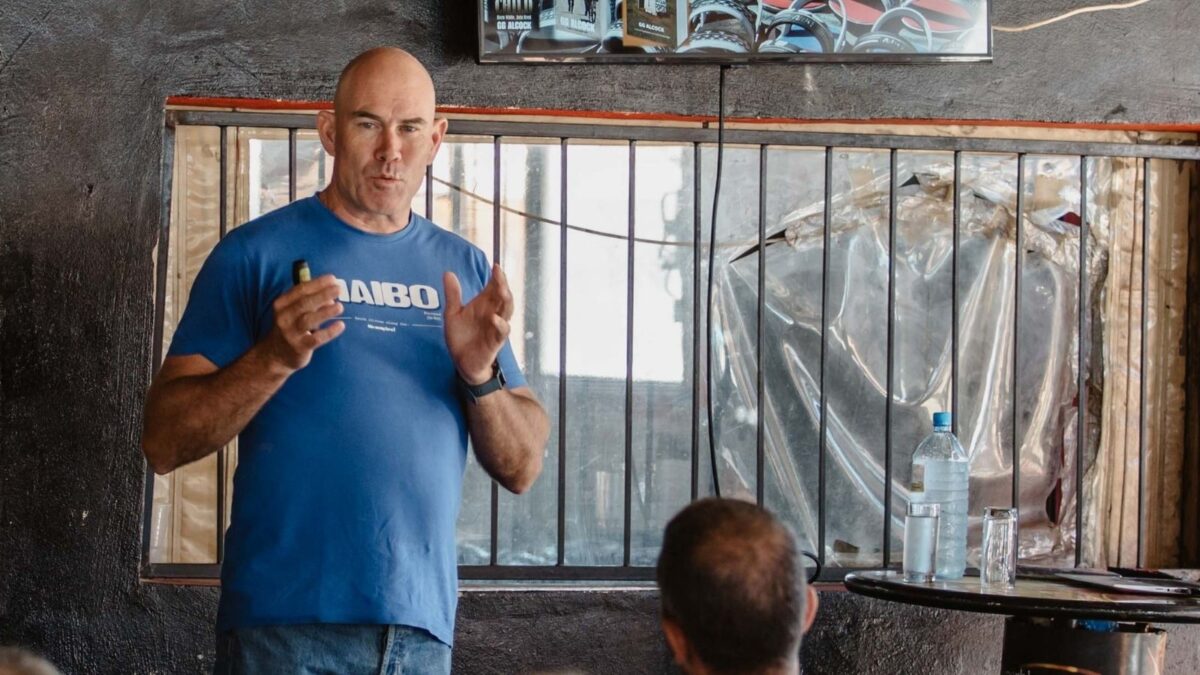
Nthabiseng is an example of a township entrepreneur who forms part of the R1 trillion informal economy in South Africa.
There are many others, but they receive virtually no support from the government, which prefers to spend money on inexperienced businesspeople and startups.
Alcock said the government should support existing informal or township businesses rather than focusing on new startups to support South Africa’s economy.
“Often I hear this thing that we’ve got no entrepreneurs in the townships and we need to create more startups,” Alcock said.
“No, we’ve actually got hundreds and hundreds of thousands of entrepreneurs in the townships, and it’s not about ‘startup’.”
“It’s how do we get them to scale to a different level where they employ more people, generate more income, and so on.”
Many believe that these informal businesses remain informal and unregistered to avoid paying taxes.
However, Alcock has argued that this is not the case, and the lack of formality in these businesses often stems from the heavy administrative burden of becoming a registered entity.
He also said these informal businesses do pay tax, particularly value-added tax, through the goods they buy to supply their ventures and by giving their employees more disposable income.
Misconceptions like these are why Alcock believes the informal economy should be better understood, as this will allow the state to create more supportive policies.
“My issue is that if we recognise this informal economy in terms of how it’s creating jobs at scale and creating incomes, we would create better policies,” he said.
“We would invest more in it, and we would be able to grow this economy more substantially.”
He said the government should consider how it can better stimulate the economic activity already existing in the informal market, adding that this could be the key to unlocking South Africa’s economic potential.







 Loading ...