
Oldest town on South Africa’s West Coast at risk of getting destroyed


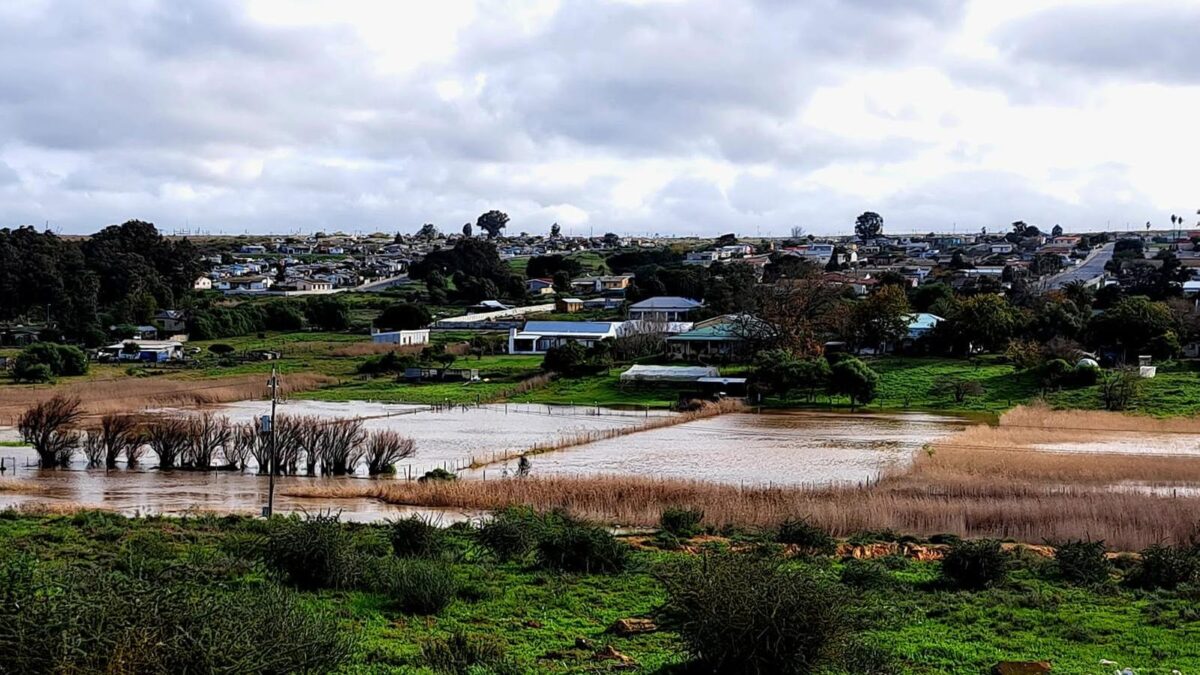
Hopefield, the oldest town on South Africa’s West Coast, is at risk of being destroyed by a new green hydrogen plant planned for the area.
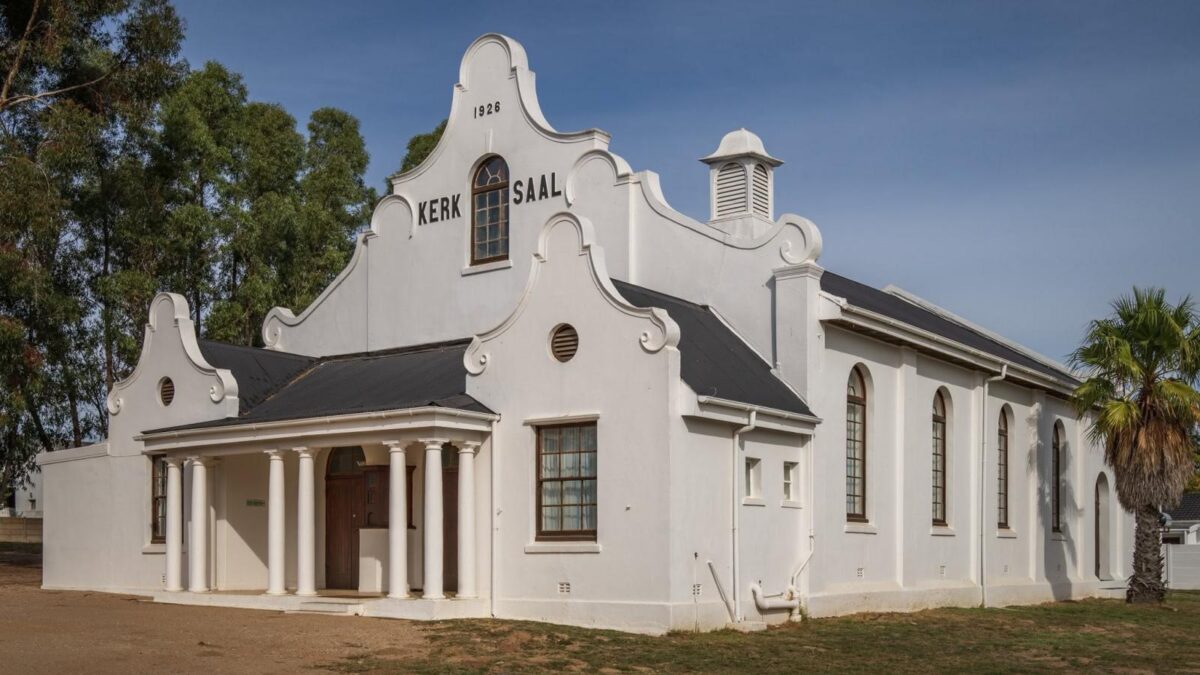
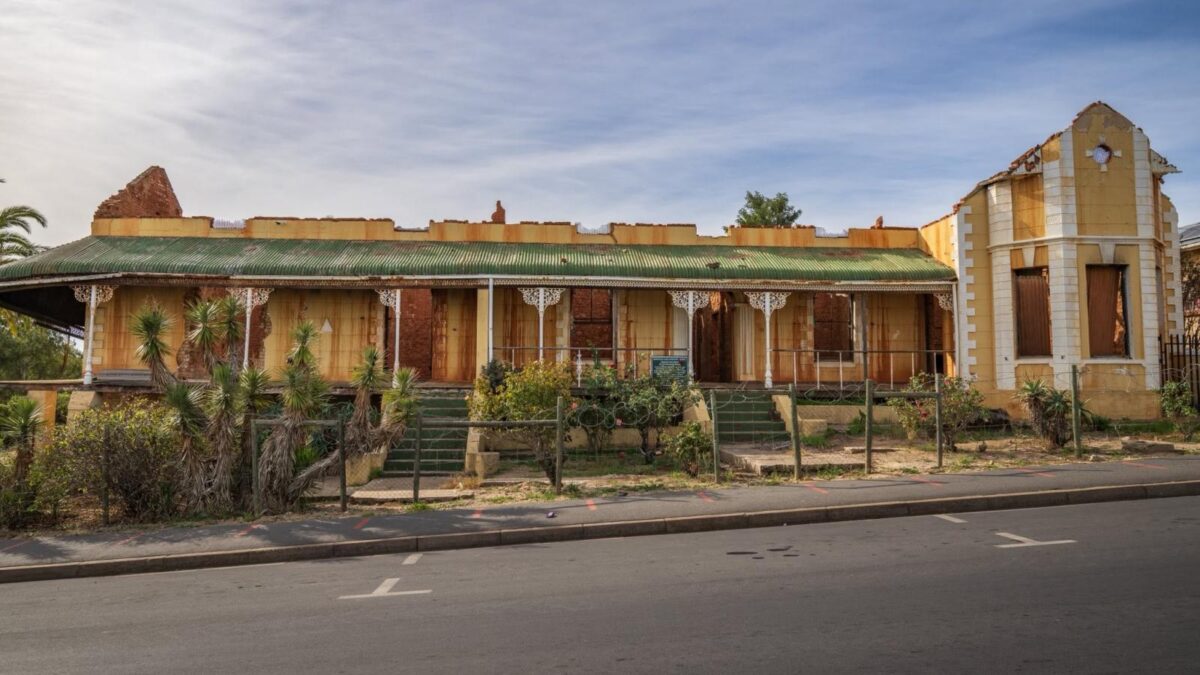
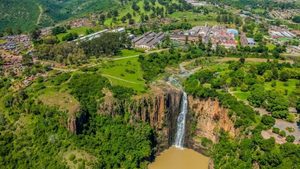
Hopefield, located roughly 120 kilometres north of Cape Town, was established in 1851 on the farm Langekuil.
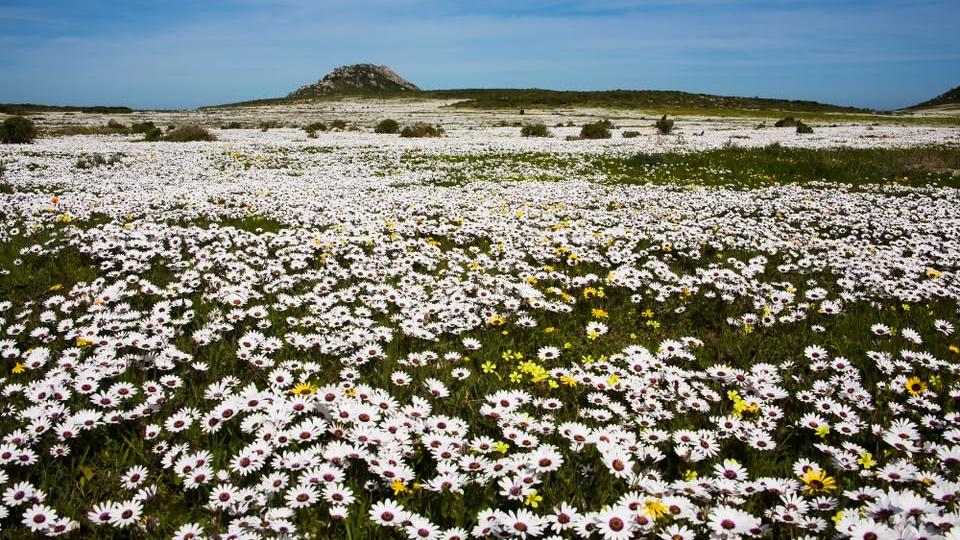
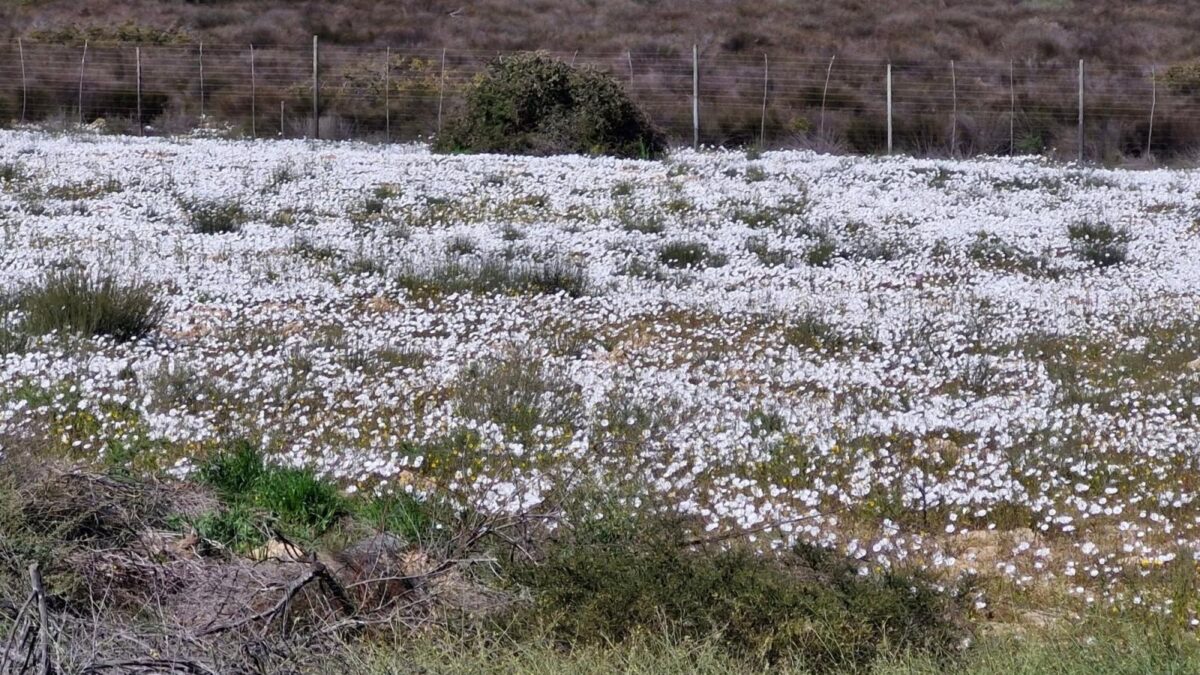
The town serves as an agricultural and historical hub midway between Malmesbury and Saldanha Bay and is known for its rich endemic fynbos species.
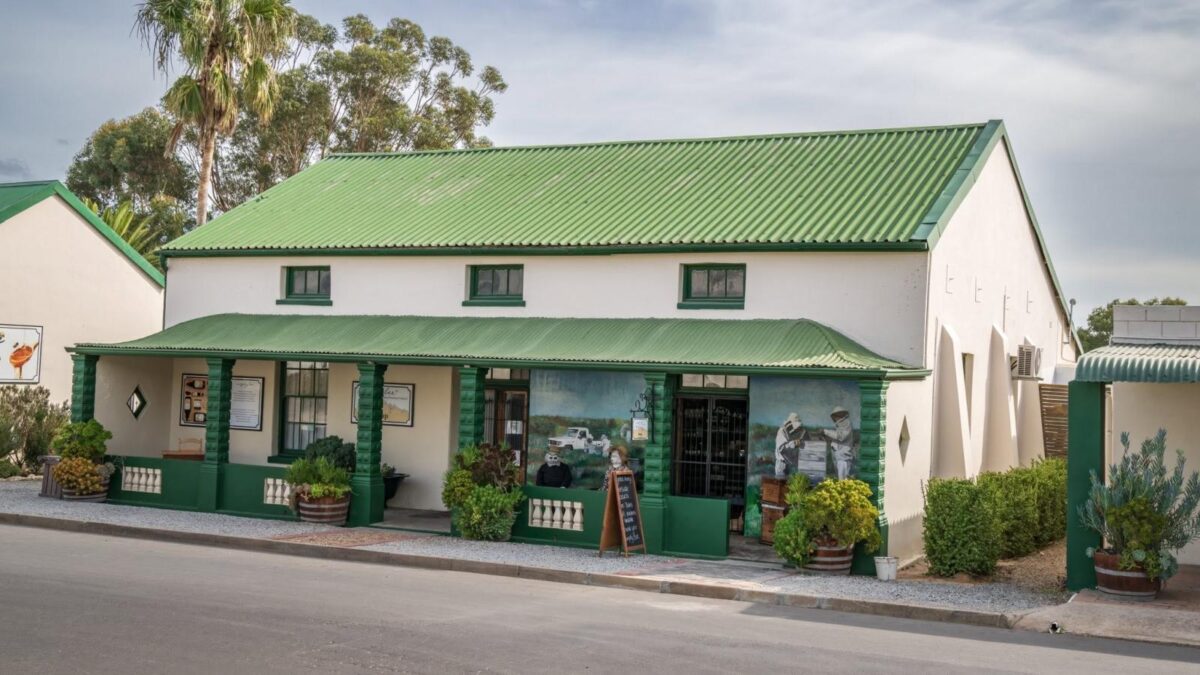
The local economy is driven by sheep, cattle, and grain farming, as well as a long-standing reputation for high-quality fynbos honey production.
The town’s tranquil agricultural environment is set to be destroyed by the Phelan Green Group’s R47 billion Saldanha Hydrogen Project.
The Saldanha Hydrogen Project will produce commercial-scale Green Hydrogen, eMethanol, and Electro-Sustainable Aviation Fuel (eSAF).
The project has been granted Strategic Integrated Project (SIP) status by the South African government.
The project is expected to generate 2,500 jobs during construction and support 500 permanent, high-skilled roles during plant operations.
The plant is projected to generate R6 billion in annual export earnings by shipping green fuels into European and global markets.
The Western Cape Government has welcomed the project and sees it as a key driver of foreign direct investment, job creation, and the province’s green energy transition.
However, residents fear that replacing farmland with the large industrial energy complex will destroy the town’s unique character and serene environment.
They are also concerned that the mega-project will threaten local biodiversity, protected agricultural areas, and critical biodiversity zones.
This, in turn, can harm Hopefield’s vision as a green eco-settlement and gateway between nature reserves.
The Freedom Front Plus backs Hopefield residents
The Freedom Front Plus (VF Plus) has raised concerns that the ecological benefits of producing green hydrogen near Hopefield do not outweigh the drawbacks.
It explained that the product is known as electro-sustainable aviation fuel (or eSAF). It is manufactured from green hydrogen and carbon dioxide.
The hydrogen and oxygen in water are separated by electrolysis to produce hydrogen gas. When renewable electricity is the energy source, it is known as green hydrogen.
According to the plan, invasive vegetation will serve as the source of carbon dioxide. At first glance, this looks like the kind of project one would gladly support.
However, there are problems. The project’s environmental impact assessment indicates that hazardous chemicals will be used and stored.
“This poses a risk of polluting the groundwater directly beneath the plant,” the Freedom Front Plus said in a statement.
“In addition, the plan is to supply the plant with water from the town’s potable water system, even though it will far exceed the town’s total water consumption.”
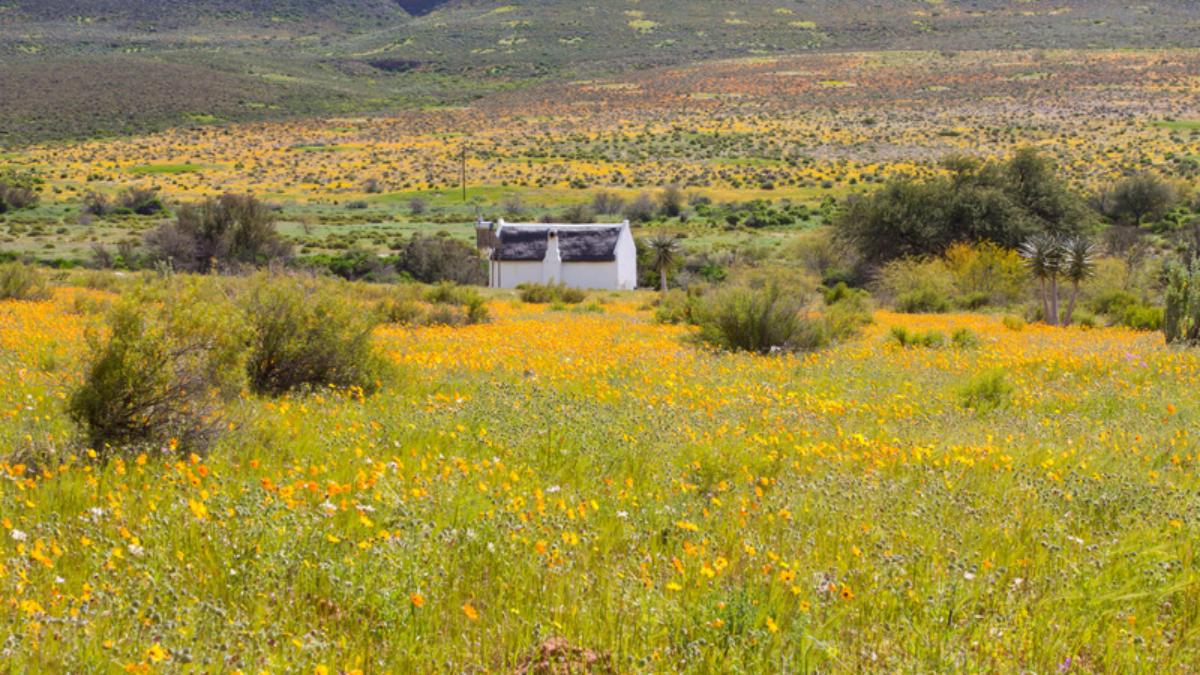
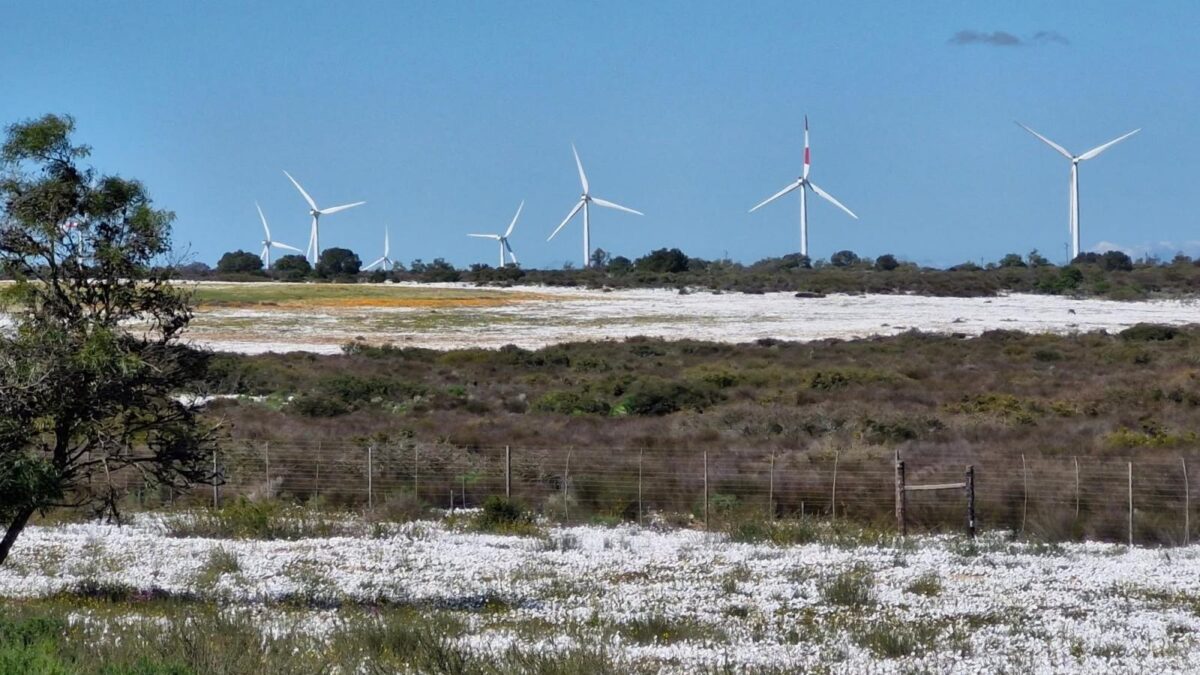
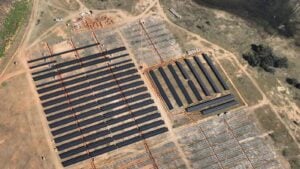
The 6,000-hectare area where solar panels will be erected to generate electricity for the plant is agricultural land and is currently covered in natural fynbos.
“The Hopefield Sand Fynbos, a critically endangered vegetation type, will be eradicated,” the political party said.
The project’s presentation failed to clarify why established industrial areas at Atlantis and Saldanha Bay are not used for the plant.
Moreover, photovoltaic systems are more suitable for drier areas with less vegetation, where the detrimental impact is smaller.
“Ultimately, a substantial area of vulnerable vegetation will be destroyed, and a sensitive underground water system will be put at risk,” it said.
It argued that the planned products could be produced at other, less vulnerable sites with less sensitive biological areas.
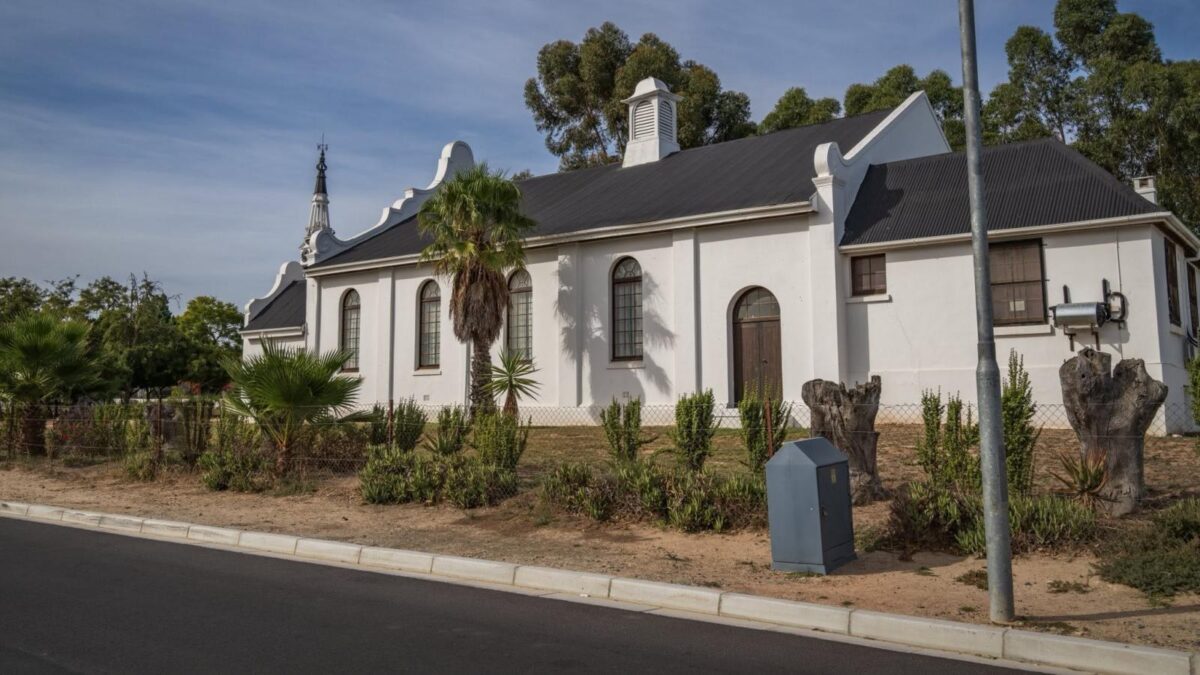
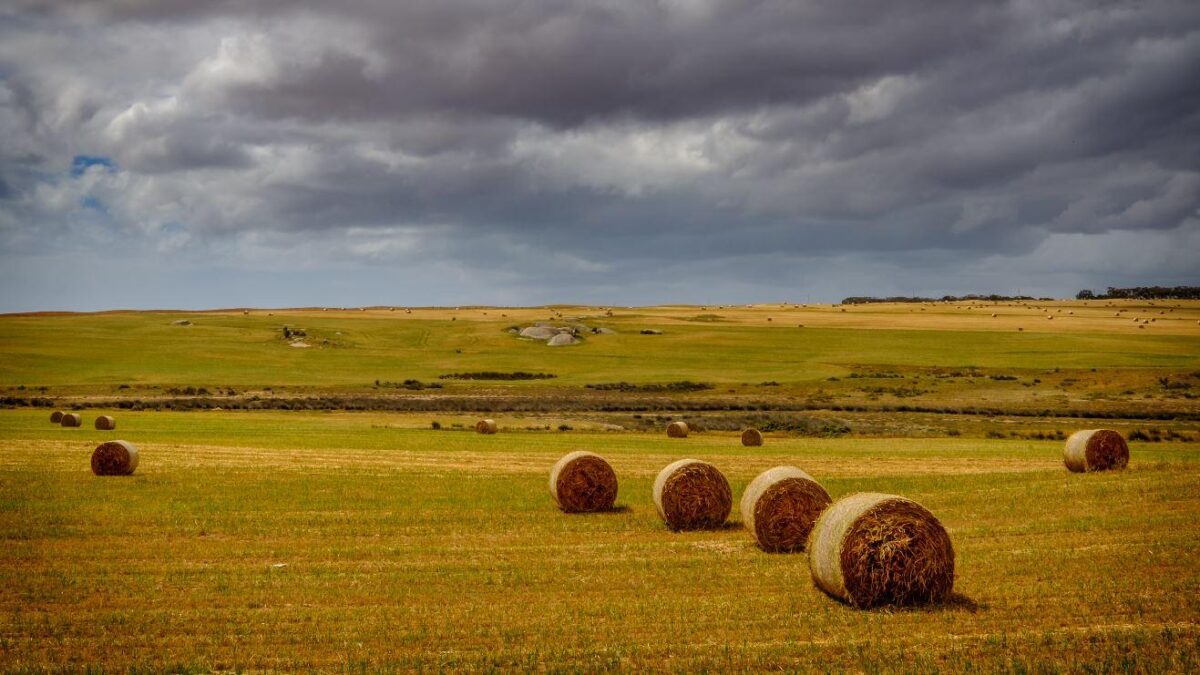
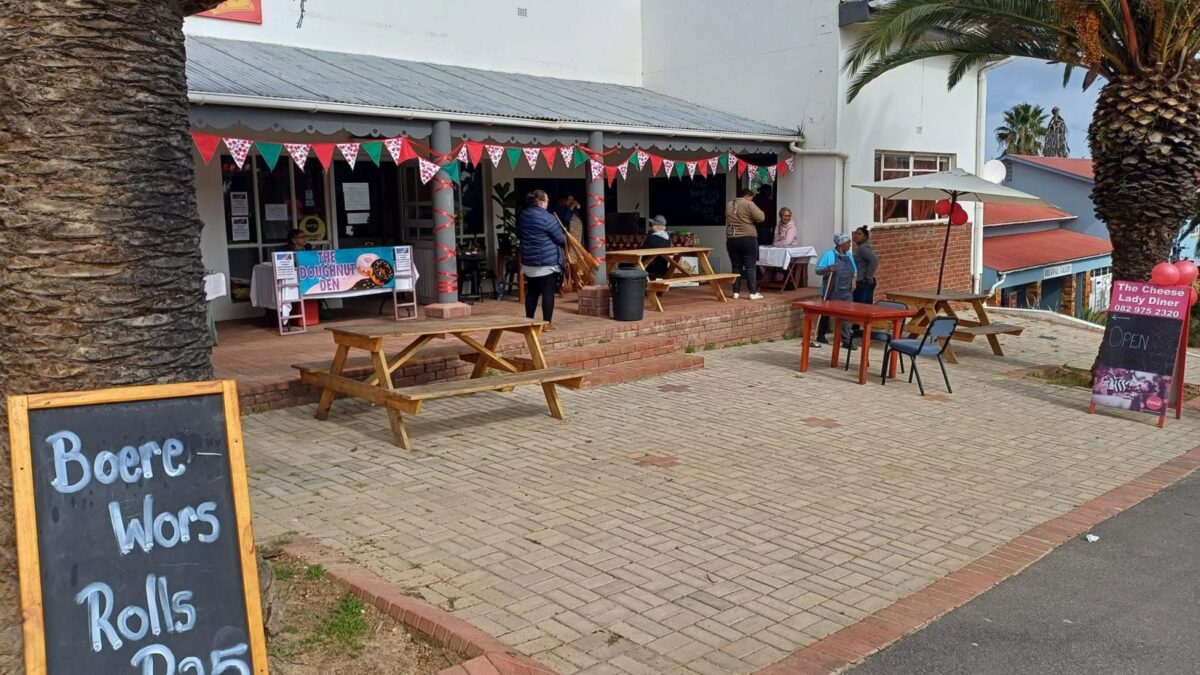
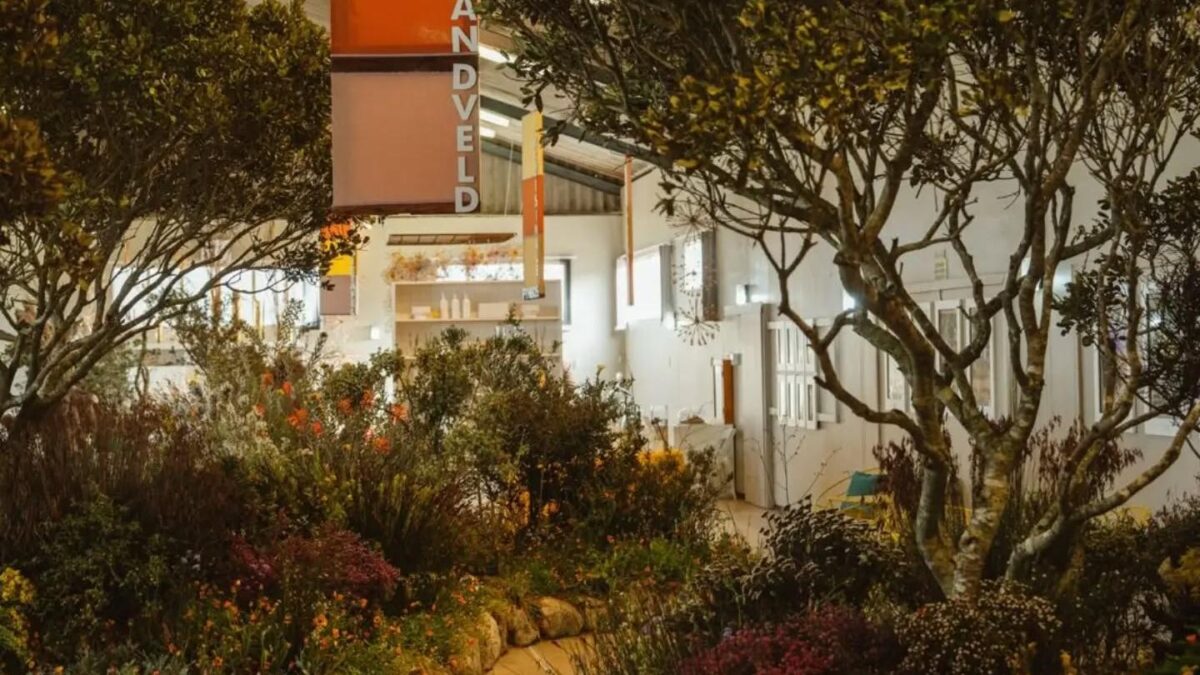
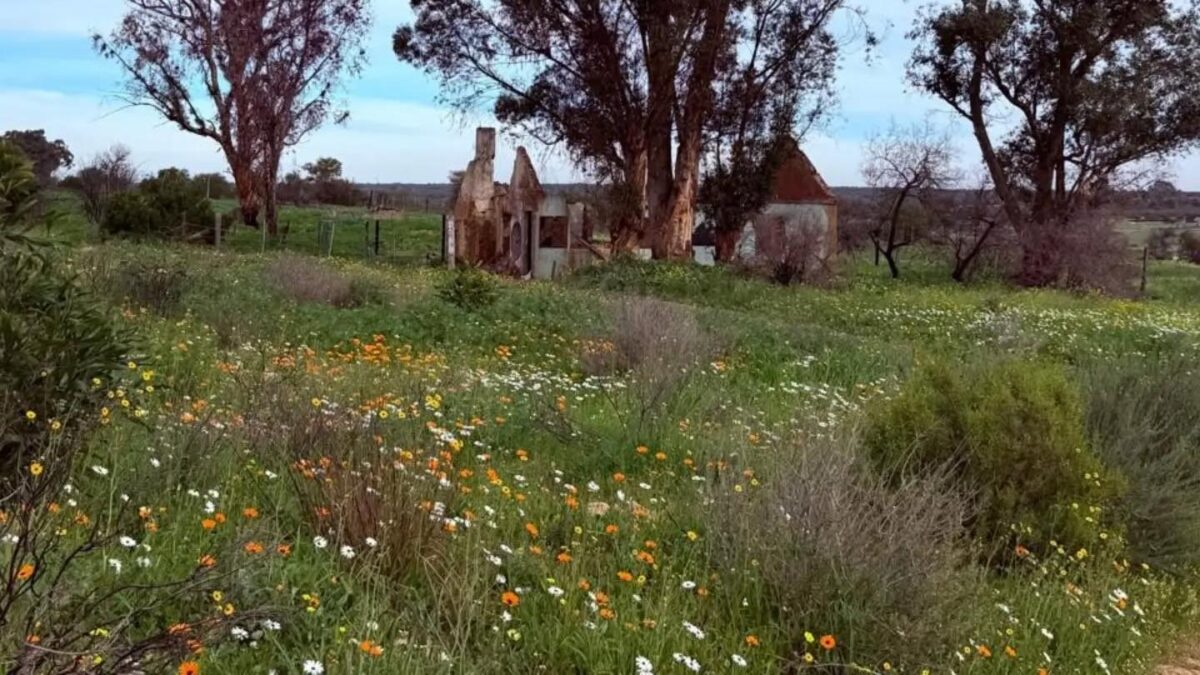
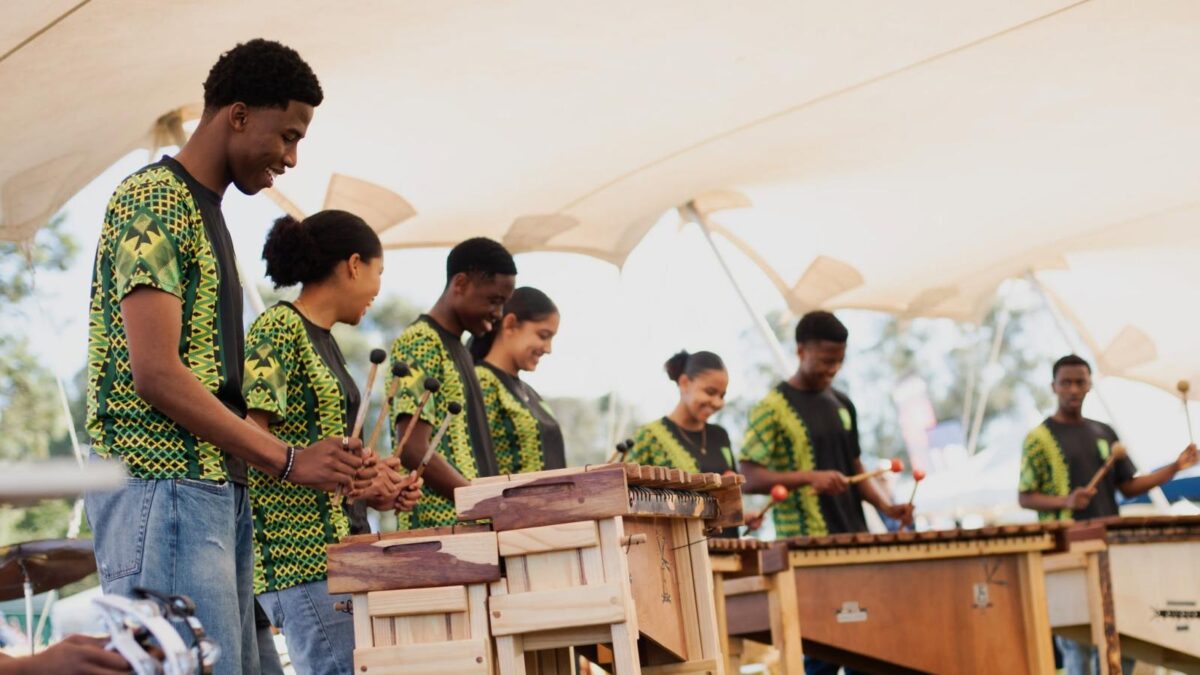
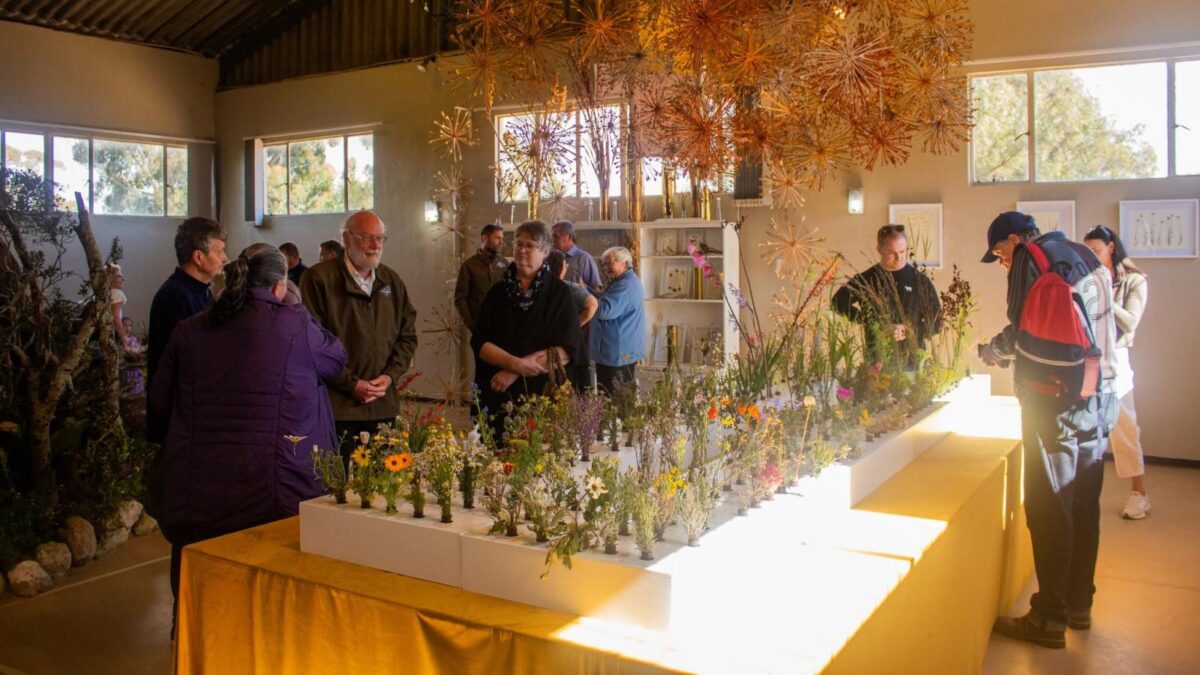
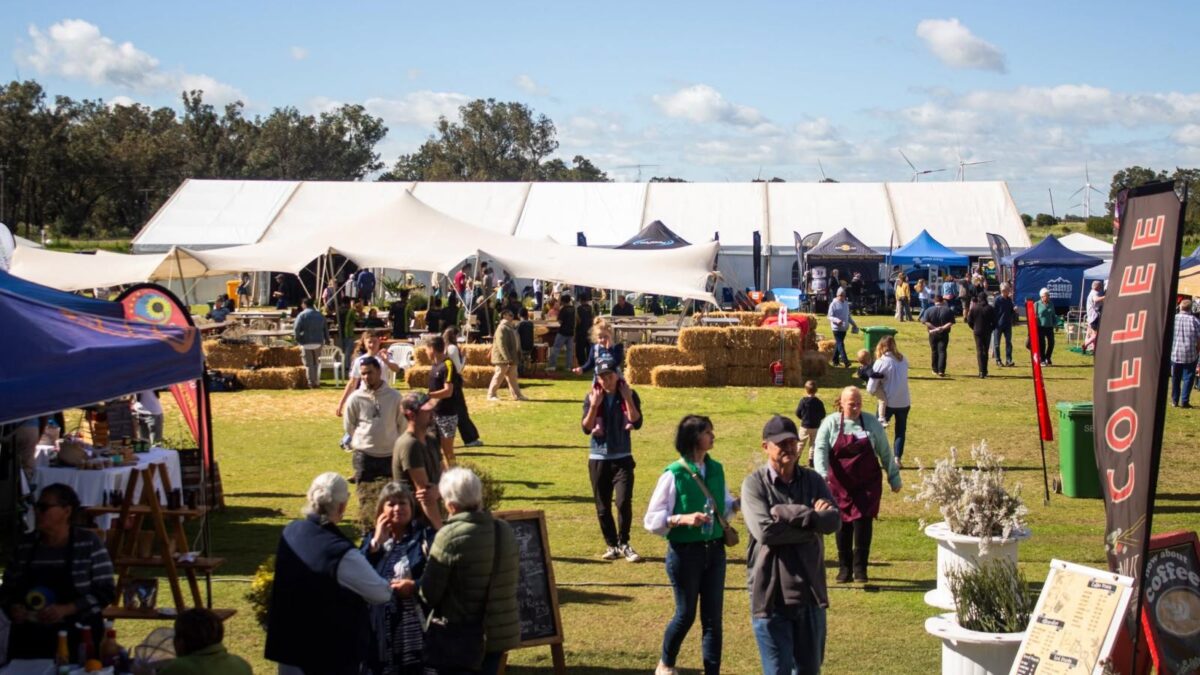
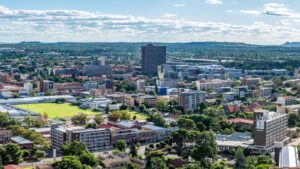
Hopefield photos (photo credit: Sias Karsten from Small Town in South Africa and Hopefield Fynbosskou)



 Loading ...
2500 jobs, 500 permanent jobs and 10’s of 1000’s of neighboring residents waterless. What a joke. THIS IS A NO NO.DONT ACCEPT THIS.
This will create a water crisis of unimaginable proportions. SA is a water scarce country.
DON’T ACCEPT A THING POLITICIANS TELL YOU.