
The South African city where the roads are falling apart and people struggle to breathe


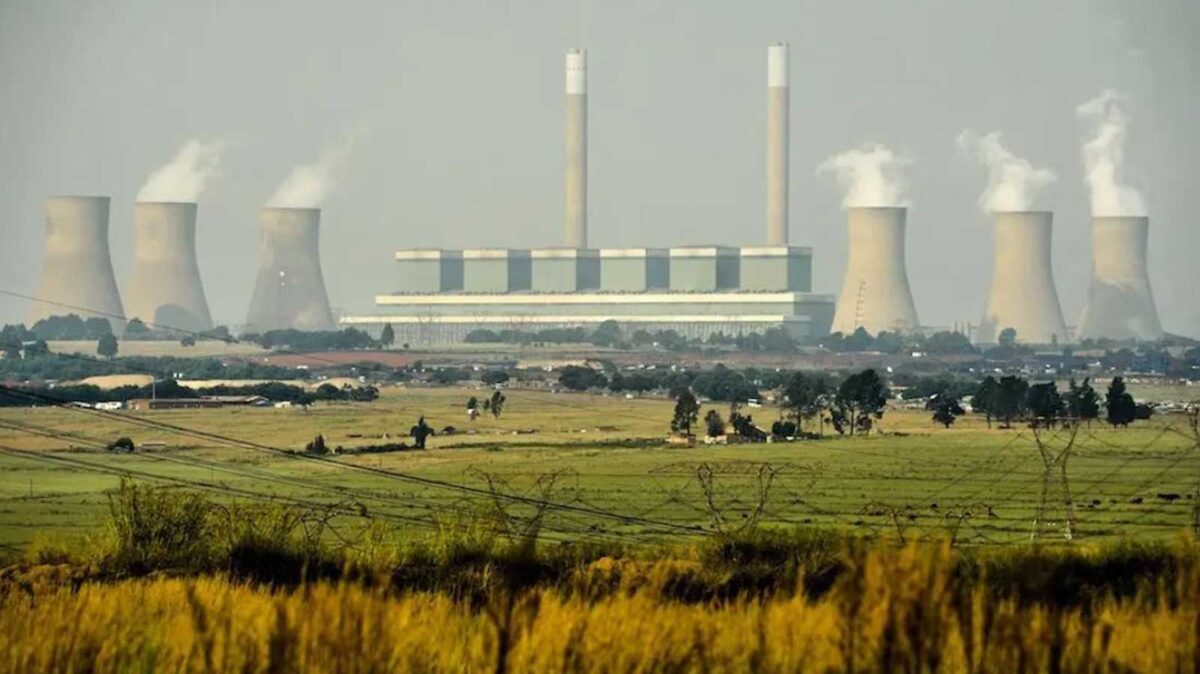
Witbank, officially named eMalahleni, is an industrial and coal-mining city in Mpumalanga that faces substantial service delivery problems and health concerns due to severe air pollution.
The town was founded in 1890 after vast coal reserves were discovered in the area, and plans were made to begin mining.
However, the town’s distance from the heavy industrial markets made it impossible to mine coal in commercial quantities.
This changed in 1894 with the completion of the Eastern Railway Line, which linked Pretoria to Delago Bay (modern-day Maputo, Mozambique).
The new railway line connected Witbank to the infrastructure it needed to begin commercial-level mining and provided access to global markets for exports.
Along with this, the rapid expansion of deep-level gold mining in the Witwatersrand, Johannesburg, drastically increased the demand for coal to drive water pumps and stamp mills.
The combination of these factors solidified Witbank as a major coal supply hub in the country, and the settlement enjoyed rapid growth.
Witbank was officially laid out as a town in 1903, gained municipal status in 1914, and saw its mining capacity expand to include dozens of open-cast and underground collieries.
In 1926, the Electricity Supply Commission, which would later become Eskom, commissioned the Witbank Power Station.
This new power station capitalised on the low-cost coal and was followed by the construction of large-scale thermal stations in the surrounding district.
Alongside the mining operations, the opening of Highveld Steel and Vanadium in the mid-20th century drove further development of the town’s manufacturing sector.
Witbank would continue to grow and operate until it achieved city status in 1994 and, with the end of Apartheid, was officially renamed eMalahleni in 2006, a Nguni phrase meaning “Place of Coal”.
However, it would continue to be called by its original name alongside its new one as it served as South Africa’s energy backbone.
Service delivery and air pollution
Witbank is facing major service delivery problems due to chronic infrastructure failure, massive operational debt, and governance shortfalls.
This includes water supply and sanitation issues caused by ageing bulk water infrastructure, resulting in unannounced water cuts lasting days or even weeks, and unplanned power outages due to overloaded infrastructure and massive municipal debt.
Additionally, refuse removal is a major problem with massive backlogs in refuse collection, leading to illegal dumping sites in residential areas.
Witbank’s road network is also suffering major issues, with most main arterial routes experiencing severe pothole degradation due to a lack of maintenance and the extreme wear and tear caused by heavy mineral-haul coal trucks.
In the AGSA 2023-24 Consolidated Report on Local Government Outcomes, the Auditor-General noted that eMalahleni faced severe service delivery issues.
The Consolidated General Report on Local Government Audit Outcomes 2024-25 report echoed these findings.
In the report, the Auditor General noted that the poor responsiveness and disregard for accountability at the municipal level have had tangible consequences.
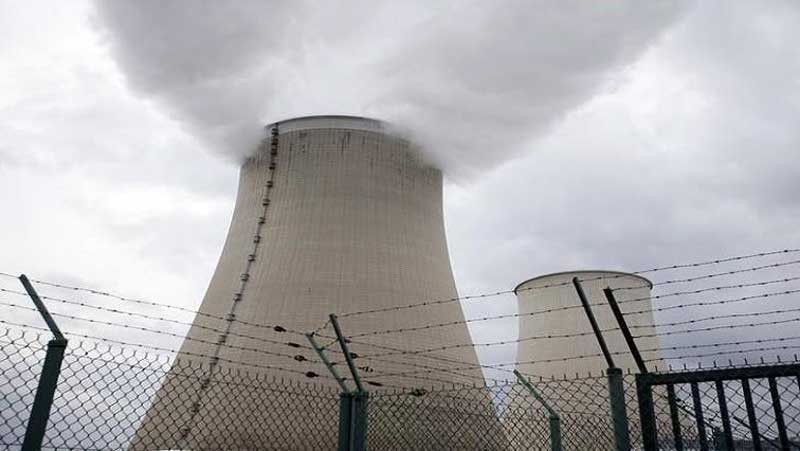
Air quality in Witbank is another concern, with the Highveld Priority Area, where the town is located, frequently recording among the highest particulate matter and sulfur dioxide levels in the world.
This is chiefly due to local mining operations, the area’s heavy industrialisation, and the presence of coal-fired power plants such as Duvha and Kendal.
Local informal settlements also use coal to cook and heat their homes, further worsening air quality and adding to the problem.
This has had a major impact on local health, with residents in the area facing elevated rates of chronic respiratory illnesses, asthma, bronchitis, and cardiovascular diseases directly linked to industrial emissions.
The severity of the problem even led to the human rights organisation GroundWork and the Vukani Environmental Justice Movement to take the South African government to court.
In 2022, this resulted in the Pretoria High Court ruling that the poor air quality in the Highveld Priority Area is a direct violation of Section 24 of the South African Constitution (the right to an environment that is not harmful to health or well-being).




 Loading ...