
Farming town in northern South Africa suffering from crumbling roads and water shortages


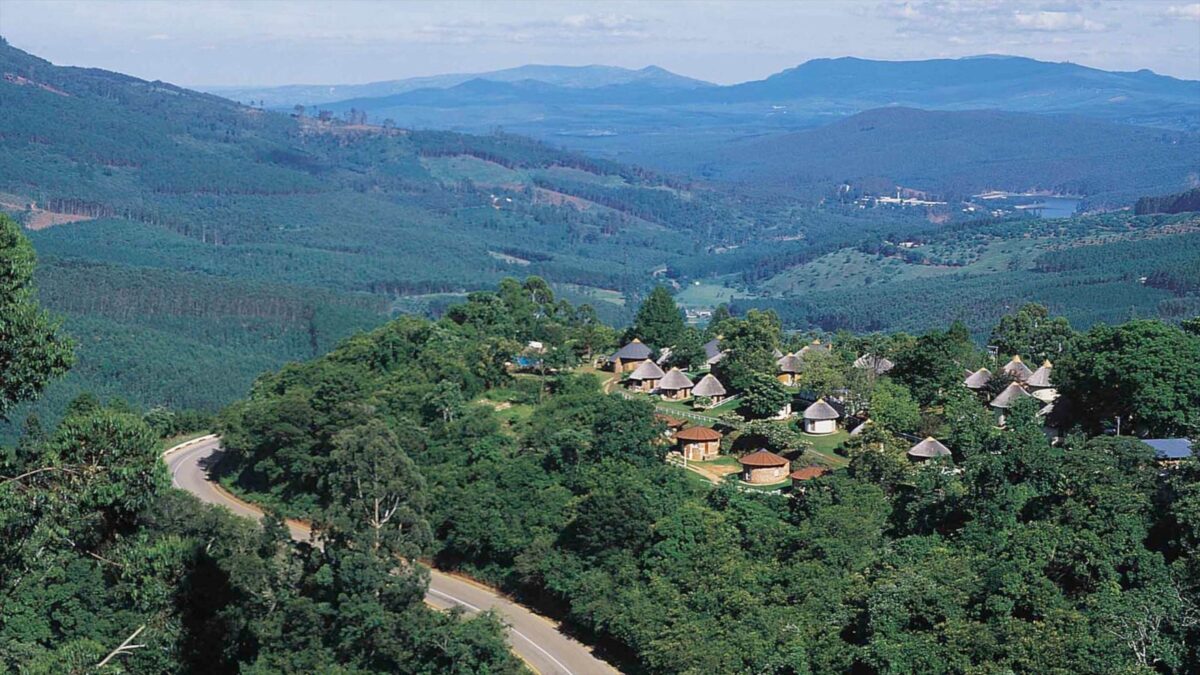
Residents of the town of Tzaneen in the north-east of South Africa are placing pressure on the local government to improve service delivery.
Located in the Magoebaskloof mountain pass within the Mopani District Municipality in eastern Limpopo, Tzaneen is the second largest town in the province after the capital of Polokwane.
The town was established in 1919, deriving its name from the Northern Sotho words tsaneng, meaning “gathering place”, and tsana, meaning “basket of hills”.
While the town of Tzaneen itself only holds a population of around 30,000 people, almost 500,000 people live within the Greater Tzaneen Local Municipality.
The town is situated in a fertile area and experiences a warm tropical and subtropical climate with high summer rainfall and mild winters.
Midday temperatures average 29°C during the month of January, and 21°C during June. Night-time temperatures reach their lowest point during July, dropping to an average of 6°C.
Tzaneen receives approximately 881mm of rain every year, ranging from just 5mm in July at its lowest to 182mm in January at its highest.
This climate has made the area a hub for fruit production, with Tzaneen being the largest subtropical fruit producing region in South Africa.
The town is responsible for producing 40% of South Africa’s avocados, as well as 40% of the country’s mangoes and 20% of its bananas.
Westfalia Fruit, situated on the Westfalia Estate just outside the town, is the largest avocado producer in the world, packing 3 million cartons of avocados every year.
The surrounding area also produces between 80% and 90% of South Africa’s tomatoes, with a majority of this coming from the ZZ2 tomato farms in the nearby town of Mooketsi.
ZZ2 is recognised as the largest tomato producer in South Africa, with its Mooketsi farm alone producing more than 160,000 tons of tomatoes a year.
Other agricultural products grown in the area include citrus, litchis, macadamia nuts, coffee, tea, and timber, with Tzaneen accounting for more than 85% of Limpopo’s pine and bluegum production.
Residents frustrated by poor service delivery

Tzaneen and its surrounding municipality have been beset by service delivery failures in recent years, from deteriorating road infrastructure to inadequate water supply and sewage pollution.
Despite the area’s economic significance as an agricultural and tourism hub, the municipality’s budget of R2.5 billion for the 2026/27 financial year has been deemed unfunded.
5% of the municipality’s total operating expenditure has been allocated to the repair and maintenance of infrastructure, a move which has been criticised by the Democratic Alliance.
“National Treasury has repeatedly emphasised that municipalities must prioritise the renewal and maintenance of existing infrastructure,” DA Greater Tzaneen councillor Chrisma Bredenkamp said.
“MFMA Circular No. 71 sets an 8% repairs and maintenance norm based on the carrying value of municipal infrastructure assets, not merely as a percentage of the annual operating budget.”
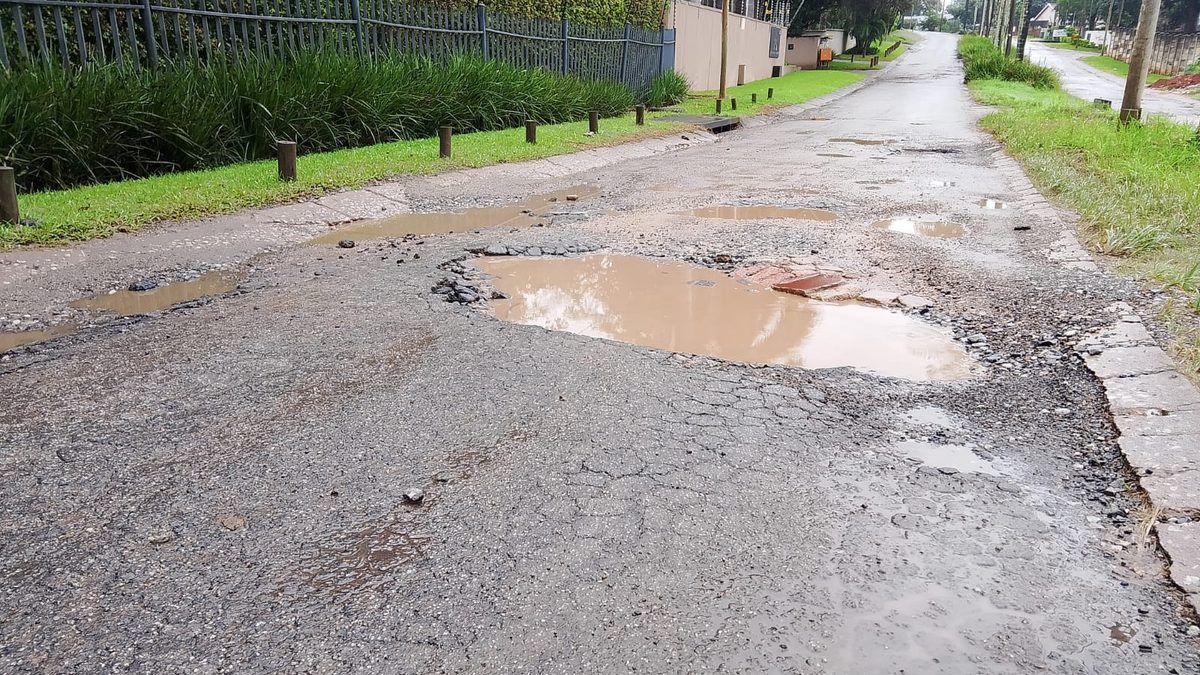
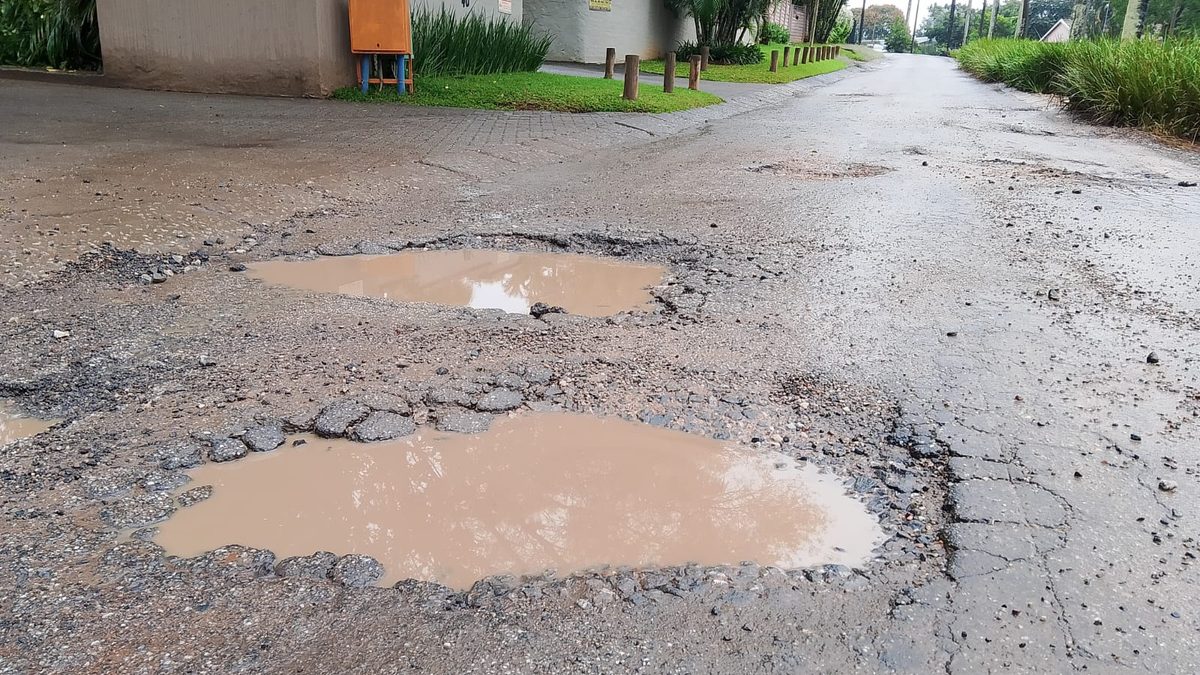
The DA has described this as unacceptable, saying that an estimated 90% of all roads in Tzaneen are currently affected by potholes and other forms of structural damage.
According to the DA, it would take 100 years to reduce the municipality’s road maintenance backlog by 50% at its current pace.
Tzaneen also suffers from frequent nightly water shedding due to supply shortages, a problem which has been exacerbated by water metre theft and fire hydrant vandalism.
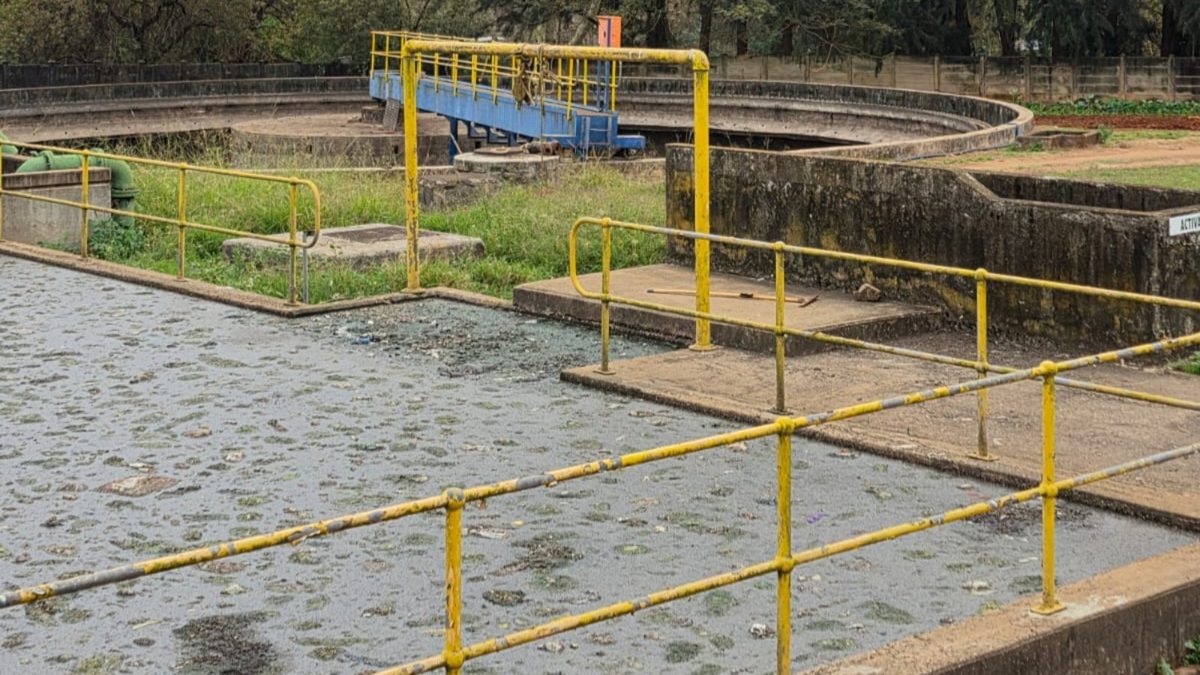
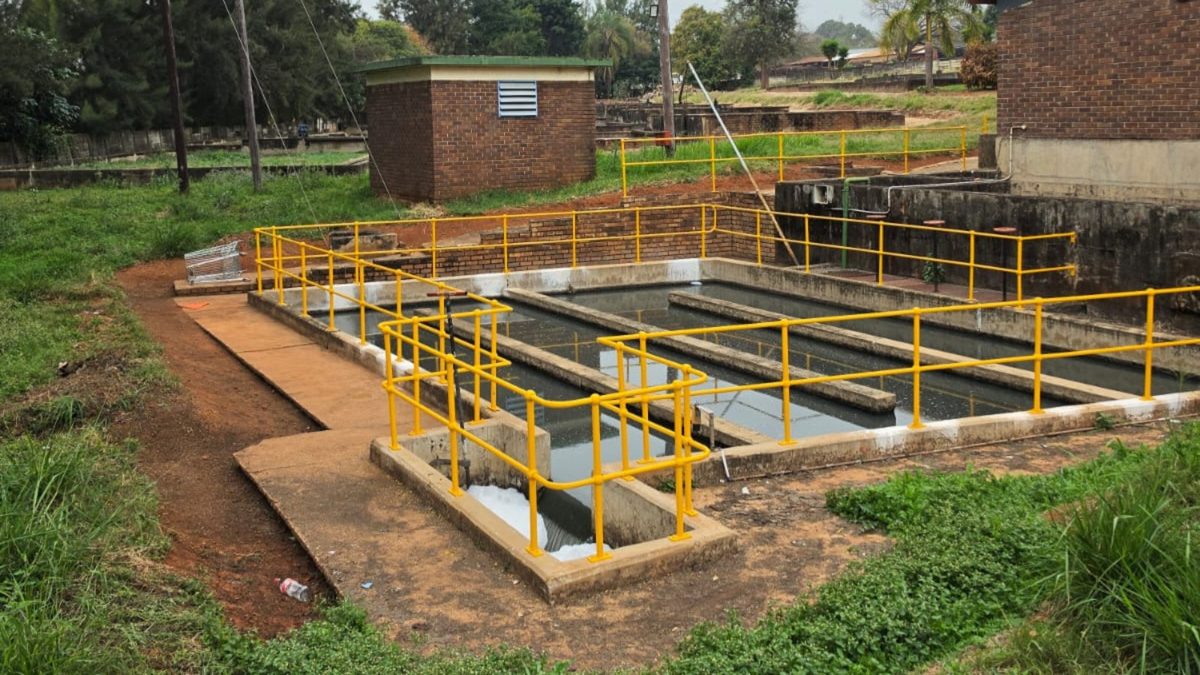
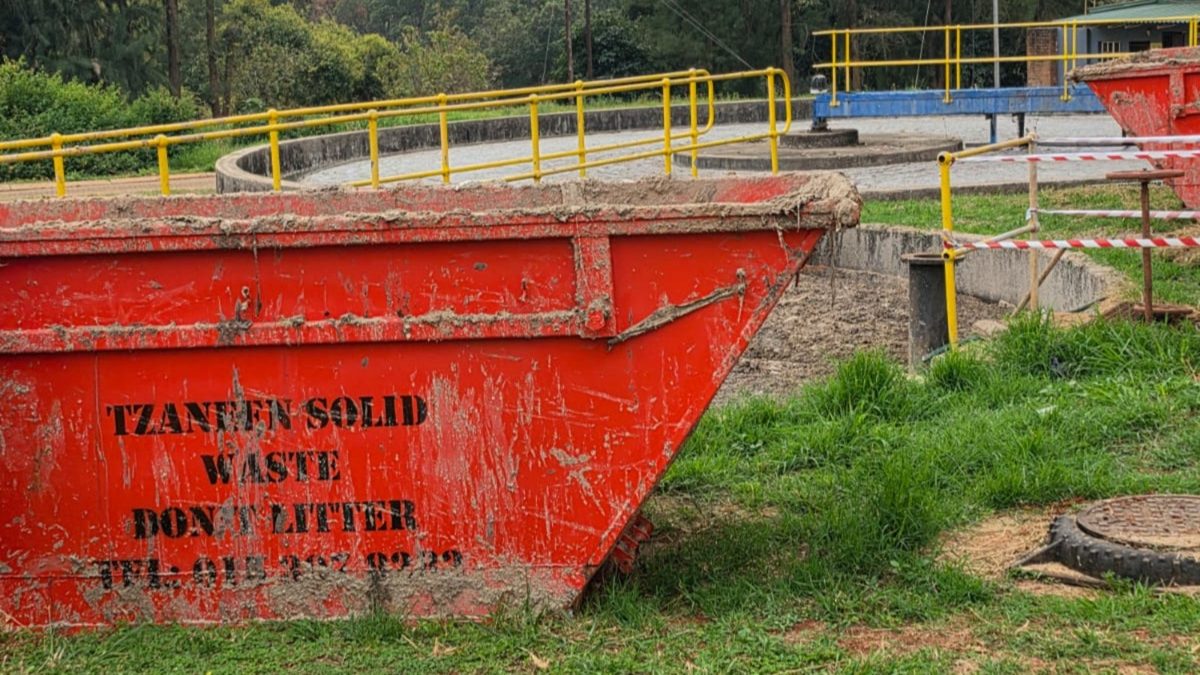
It also came under fire recently after the Tzaneen Water Treatment Plant was found to be non-operational for four months, with sewage leaking into the Letaba River.
Tzaneen mayor Odas Ngobeni, who took office in May 2026 after a motion of no confidence removed former mayor Gerson Molapisane, said Tzaneen’s water supply does not meet its demand.
“What is most important is that Mopani, which is the water service authority, is implementing a number of water infrastructure projects,” Ngobeni told eNCA in June.
“They are completing a project which is about R200 million that will cover at least 25 villages. It will be completed within the next few months.”
Ngobeni also pointed to a project led by the Department of Water and Sanitation to raise the Tzaneen Dam wall by 3 metres to meet growing water demand across the Limpopo province.
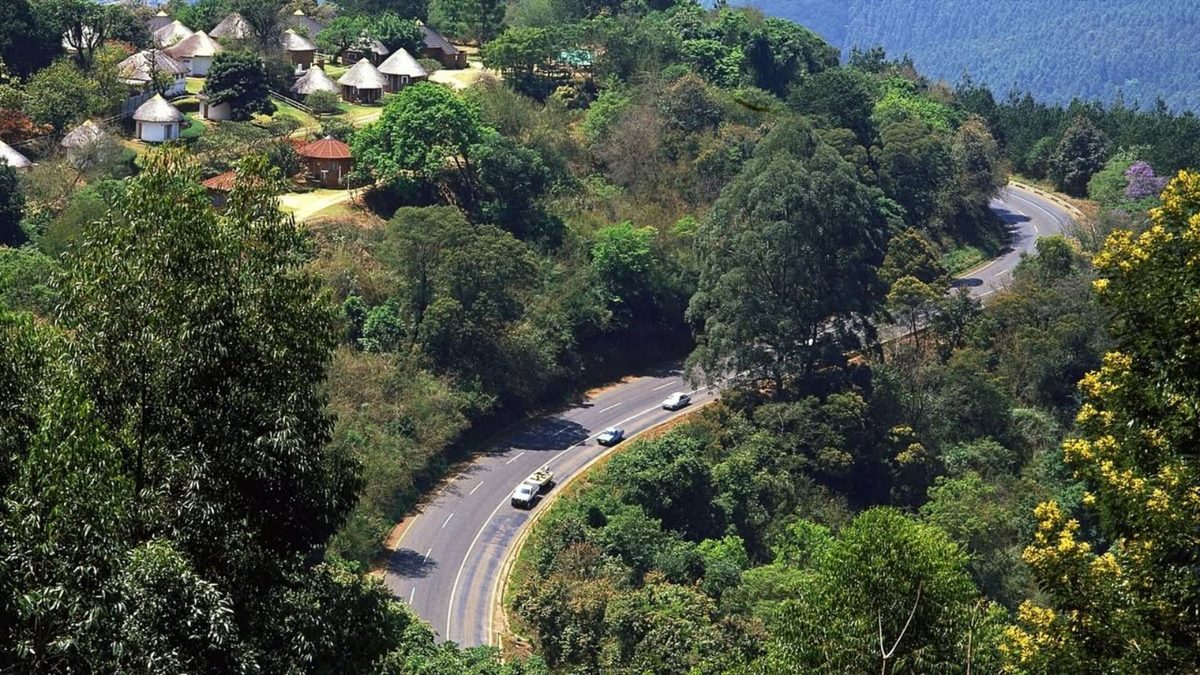
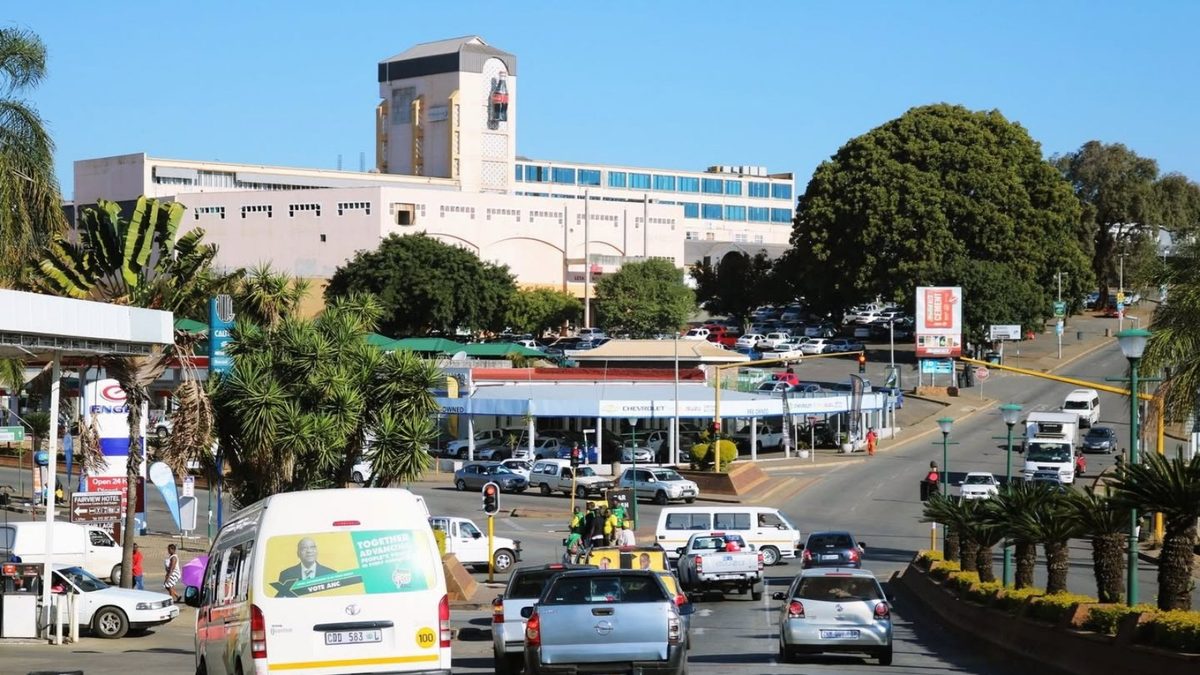
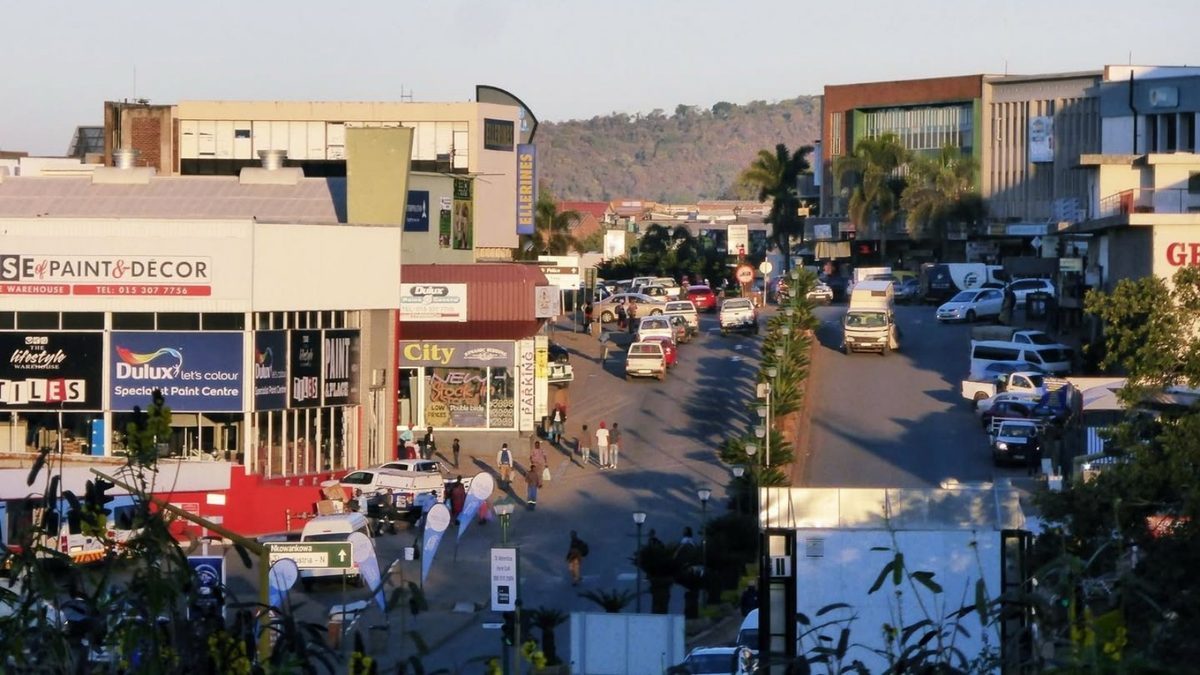
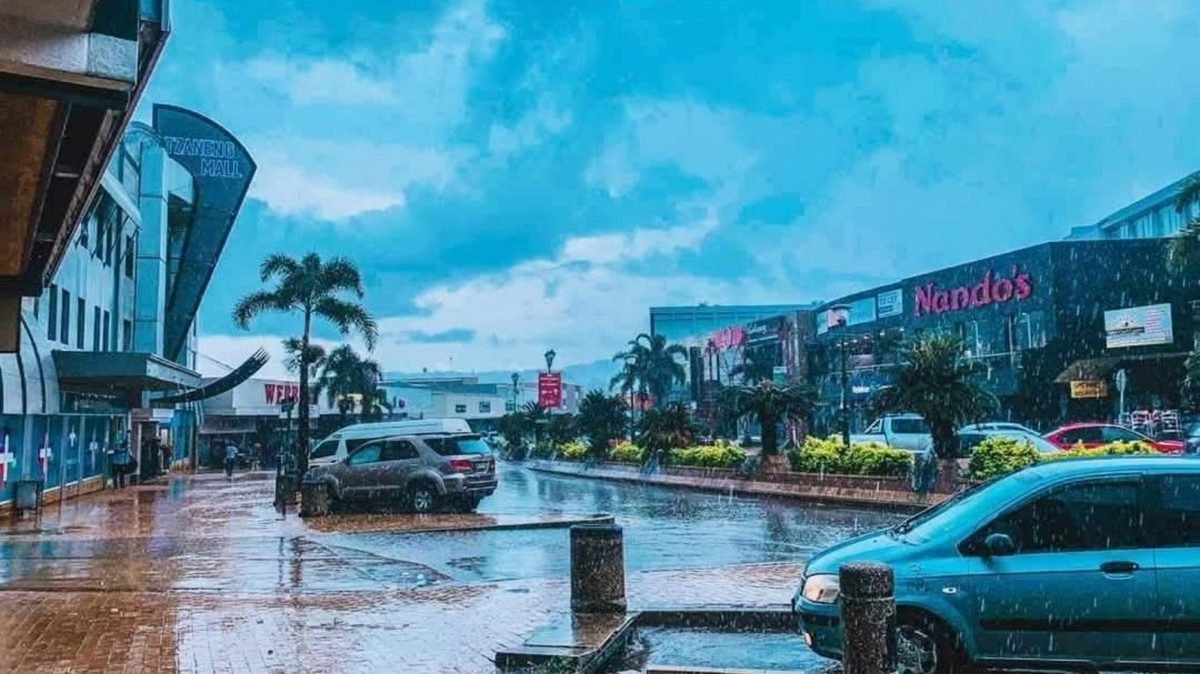
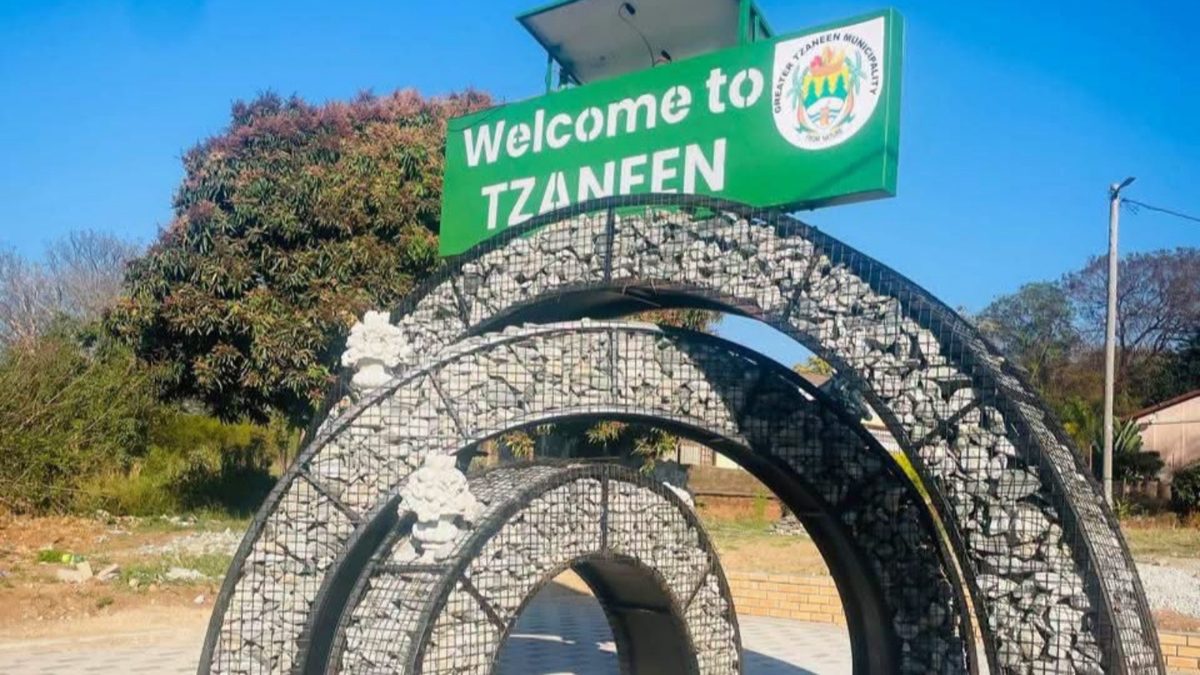
Photos of Tzaneen and surrounding areas:
Photos of potholes and sewage in Tzaneen:









 Loading ...