
One of the Eastern Cape’s richest towns collapsing under crumbling roads, mafias, and poor services


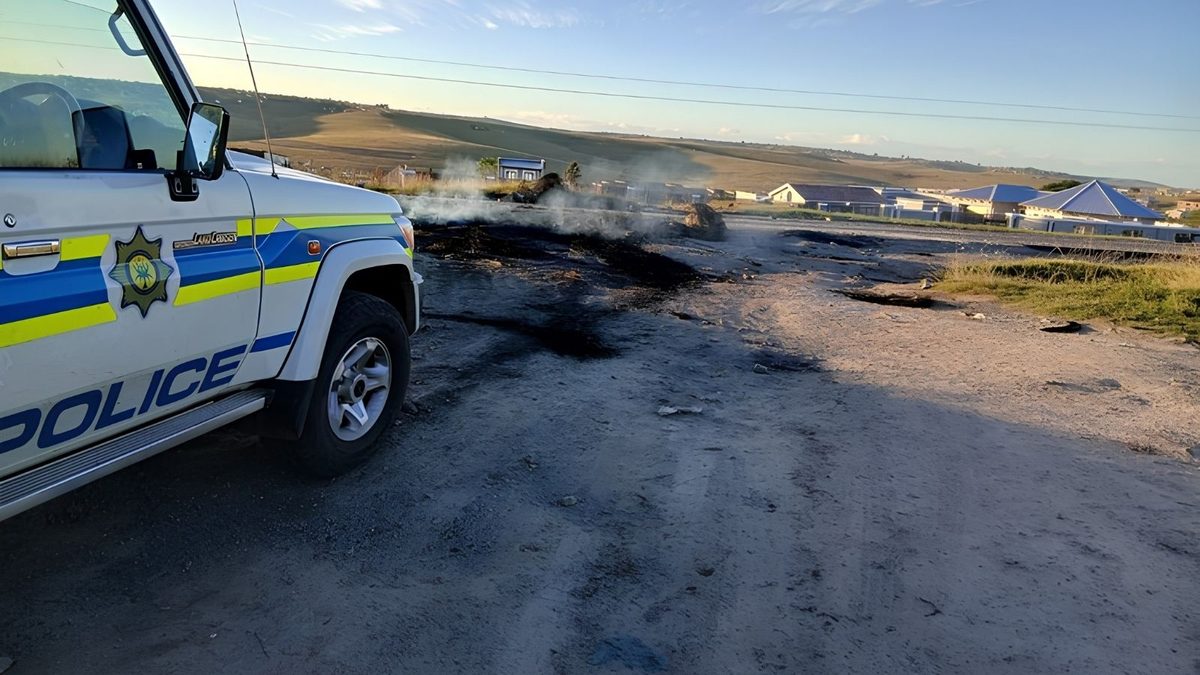
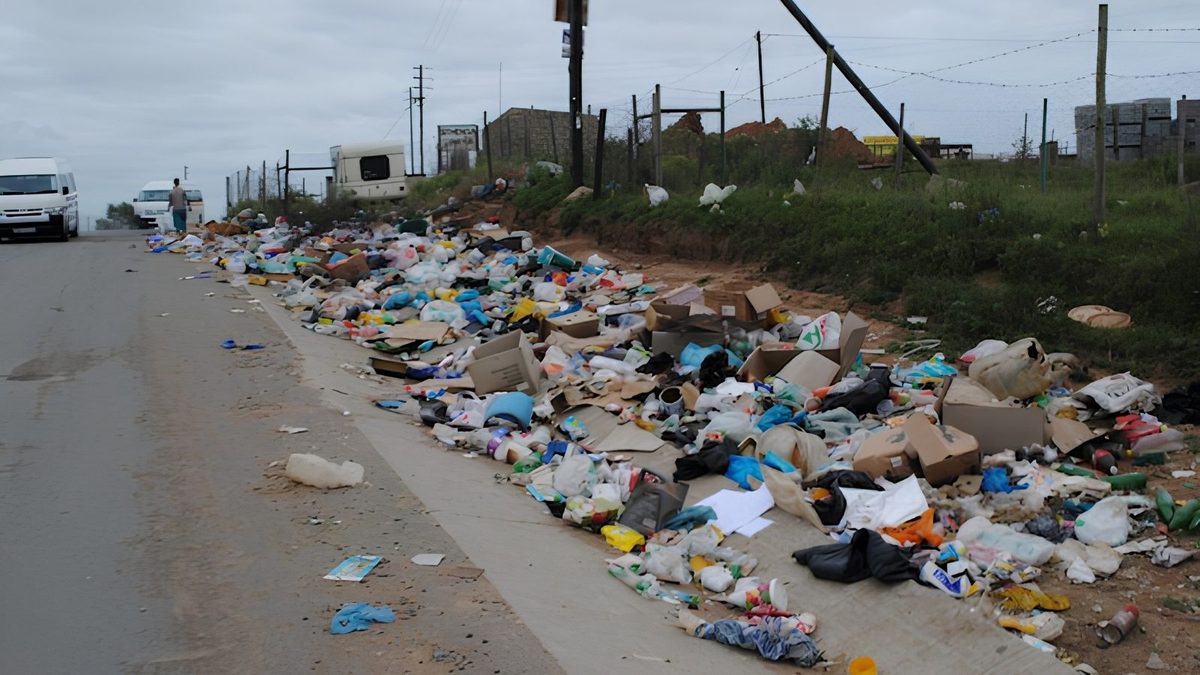
Mthatha, one of the Eastern Cape’s most important commercial centres, is facing a collapse of basic services, crumbling infrastructure, and rising criminal activity.
This is despite generating significant economic activity and receiving substantial government funding.
Mthatha is the economic engine of the King Sabata Dalindyebo Local Municipality and a major commercial hub for the wider OR Tambo District.
Located along the N2 and serving as the gateway to the Wild Coast, Mthatha also has a catchment area of more than 1.5 million people from surrounding rural communities.
The latest South African Revenue Service (SARS) tax statistics show that the municipality has 41,273 registered taxpayers with an average taxable income of R304,952 a year.
This works out to roughly R25,412 a month, and is above the Eastern Cape average of around R292,061 annually.
Trade and commercial activity account for roughly 23% of the municipality’s Gross Value Added in the Eastern Cape.
Mthatha also generates much of the municipality’s own-source revenue through electricity charges, property rates, and other service fees.
However, an official letter from the Office of the Deputy Minister of Defence and Military Veterans to the Cooperative Governance and Traditional Affairs Minister, Velenkosini Hlabisa, paints a very different picture of life on the ground.
The letter, dated 1 September 2026, described a growing disconnect between the money allocated to local government and the actual experience of residents.
“Government cannot continue allocating billions of rands to municipalities while residents remain without reliable basic services and public infrastructure continues to deteriorate,” the letter said.
The problems, initially raised by residents in Fortgale, are reportedly widespread across Mthatha, including Northcrest, Khwezi, Ngangelizwe and Southernwood.
Among the most serious concerns are recurring electricity outages, with some residents reportedly left without power for several days. Transformers have also repeatedly been destroyed or burnt.
Calls to investigate the municipality over service delivery
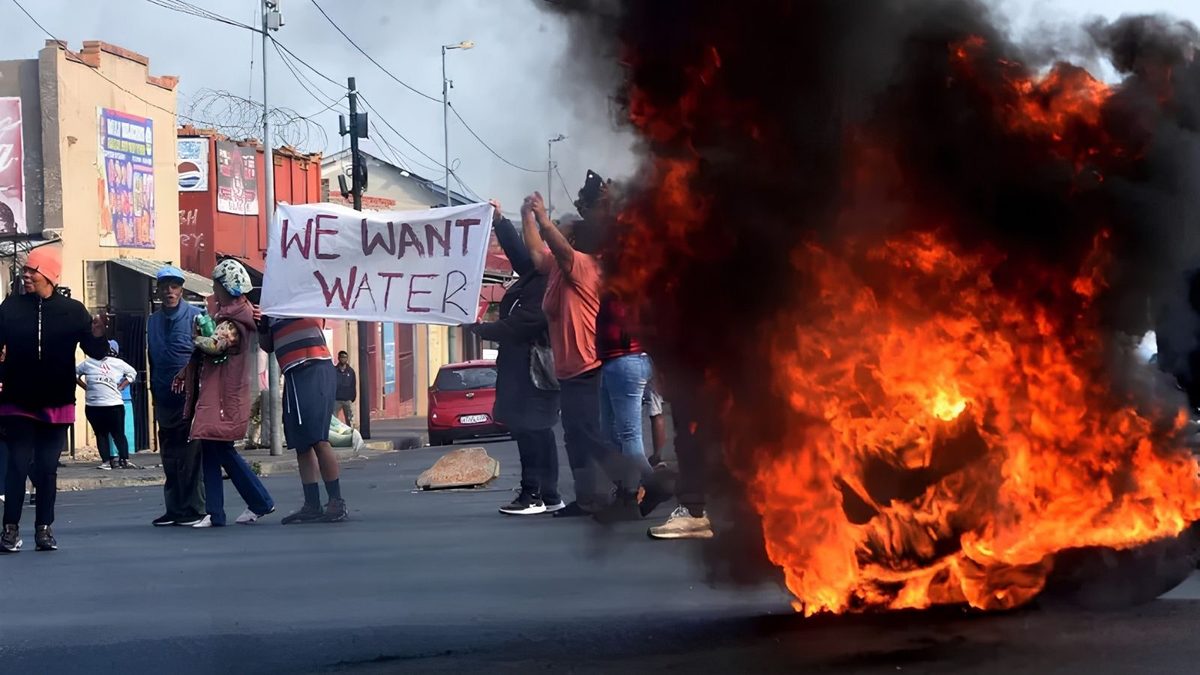
The letter also highlighted a pattern of incidents that raised concerns that they may not simply be the result of infrastructure failures.
“There is therefore a need to establish whether there is any organised or systematic sabotage of critical municipal infrastructure and whether any individuals or networks may be benefiting from these failures,” it said.
Mthatha has also faced allegations of organised groups exploiting the collapse of water infrastructure.
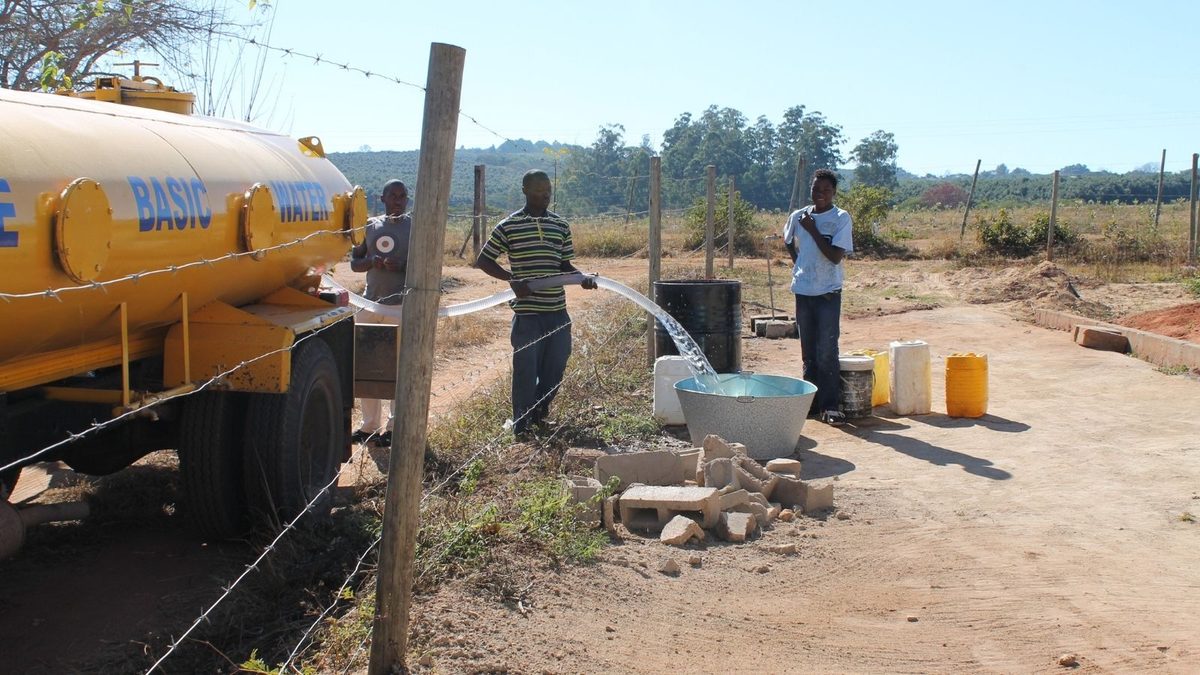
These groups allegedly sabotage or interfere with water pipelines, then supply affected communities through private water tankers at high prices.
Humanitarian organisation Gift of the Givers has previously raised concerns about security problems while attempting to deliver emergency water to affected communities and clinics.
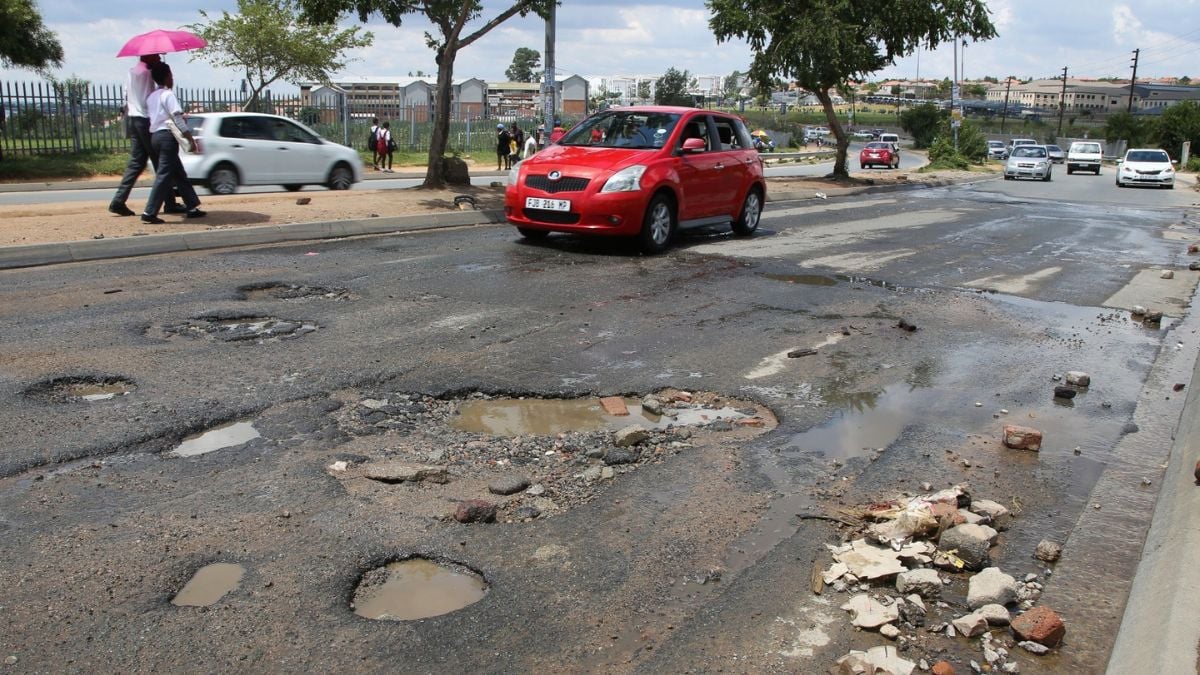
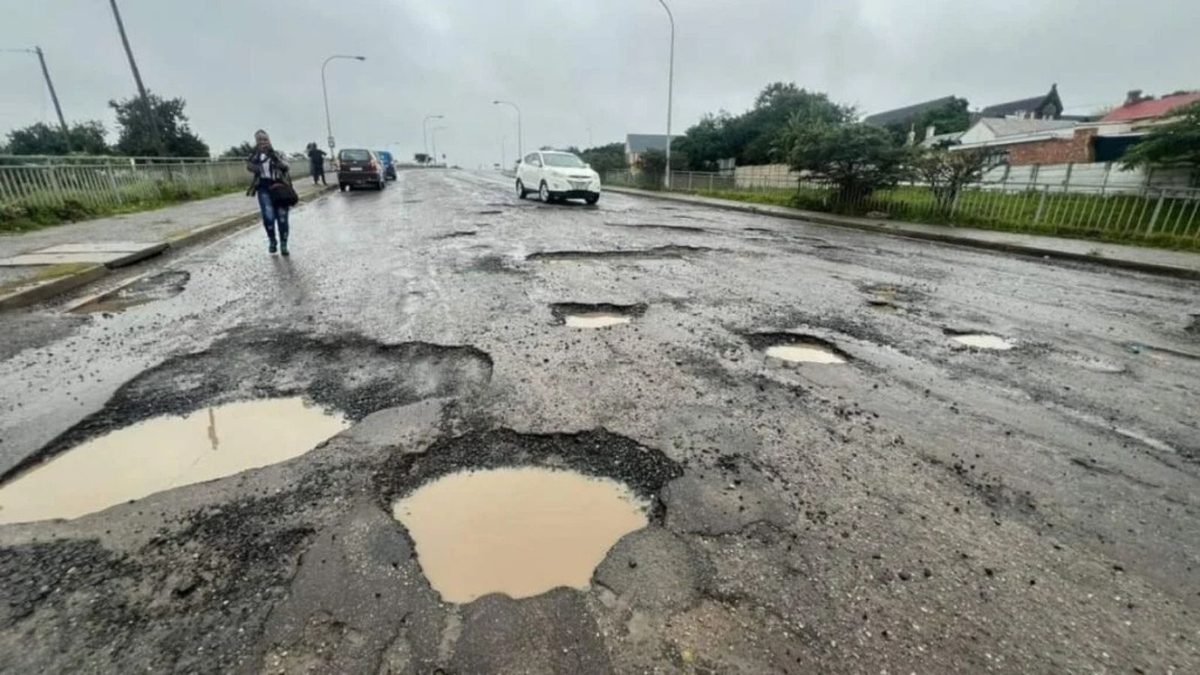
Road infrastructure is also deteriorating. Residents have specifically complained about Eli Spilkin Street and Copper Lake Road in Greenville, which have reportedly remained gravel roads for extended periods.
Questions have also been raised about why available municipal machinery is not being used and why some infrastructure work is outsourced instead.
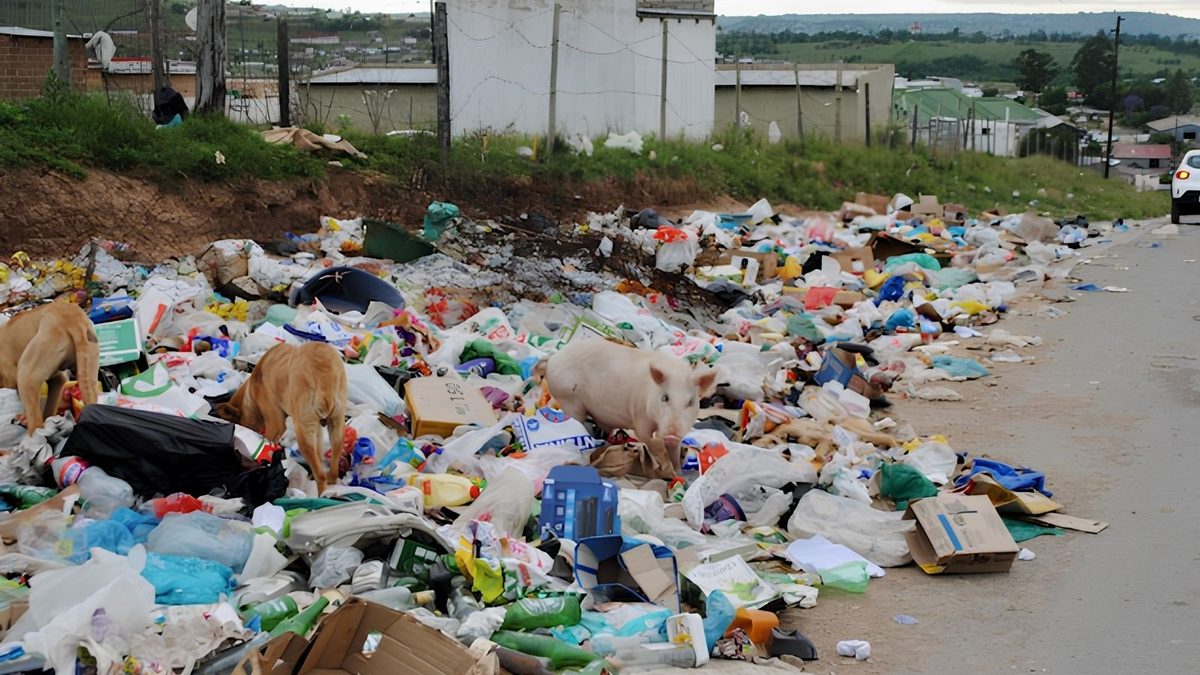
Other complaints include potholes, overgrown vegetation and the general deterioration of public spaces.
Residents have reported persistent sewer blockages that are allegedly not repaired timeously, with problems becoming particularly severe during heavy rainfall.
“These failures pose obvious risks to public health and the dignity of affected residents and require urgent municipal intervention,” the letter said.
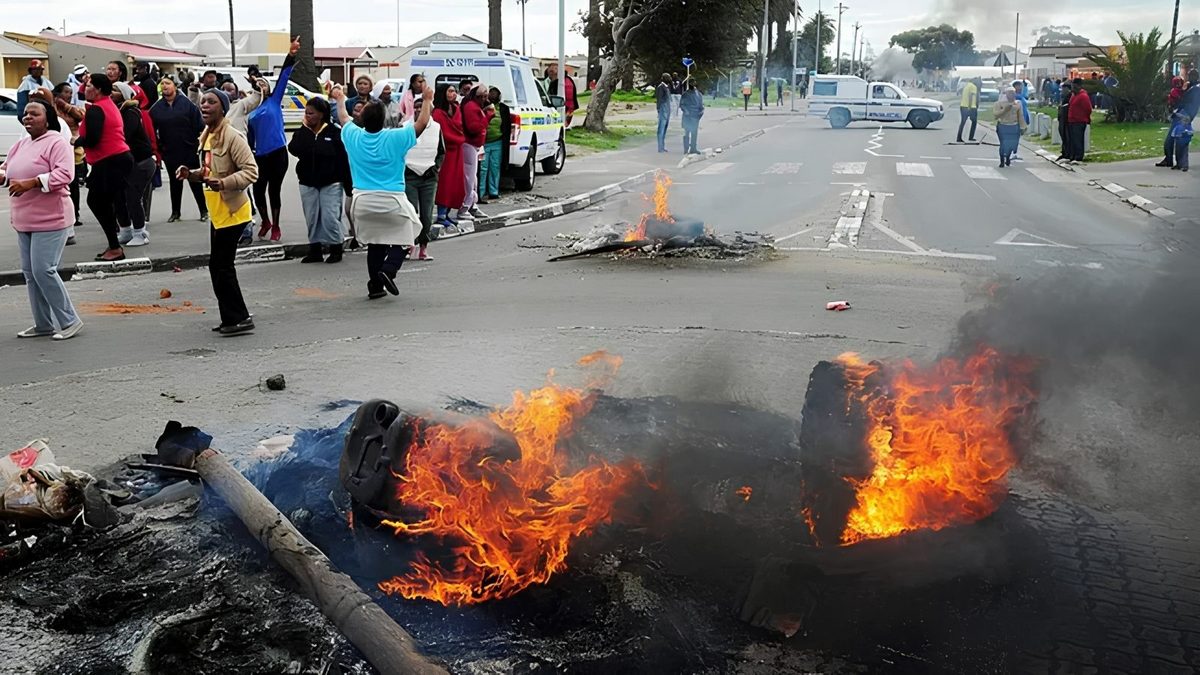
Crime has become intertwined with deteriorating infrastructure. Broken streetlights have left large areas in darkness, with residents linking this directly to increased crime and house break-ins.
“The absence of functioning streetlights creates conditions that can facilitate criminal activity and leaves residents feeling unsafe in their own communities.”
Residents have additionally raised concerns about potentially flawed property valuations, municipal billing and meter readings, alleging that some figures were applied on a blanket basis without adequate inspections.
The letter also highlighted youth unemployment, substance abuse, inadequate support for mentally ill people and disruptions to government services following the burning of the Botha Sigcau Building.
COGTA has now been asked to urgently assess governance and service delivery in the municipality and review how government funding is being used.
It has been urged to investigate municipal billing practices and determine whether organised criminal networks are deliberately sabotaging critical infrastructure.
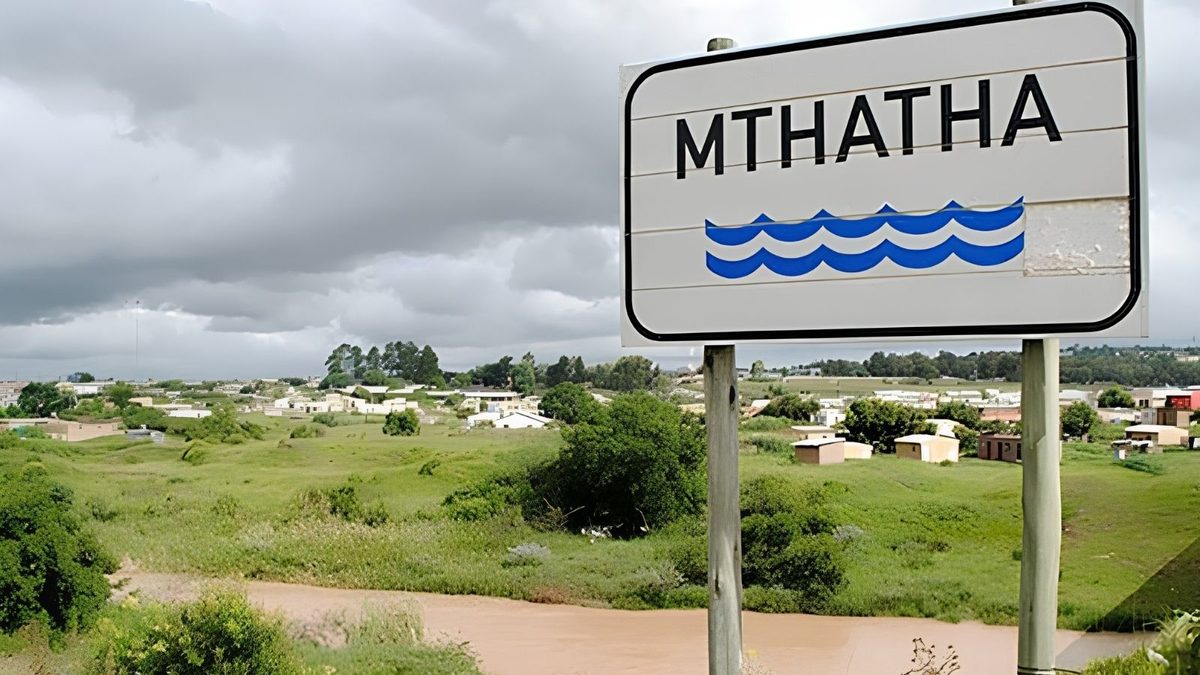
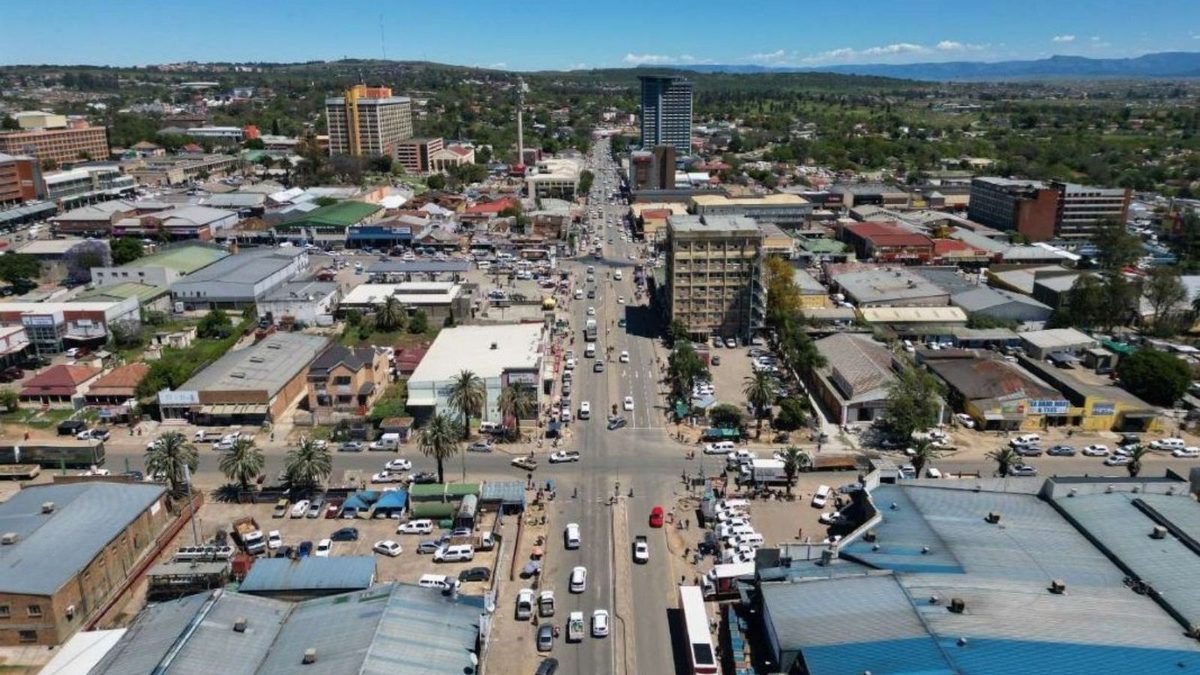
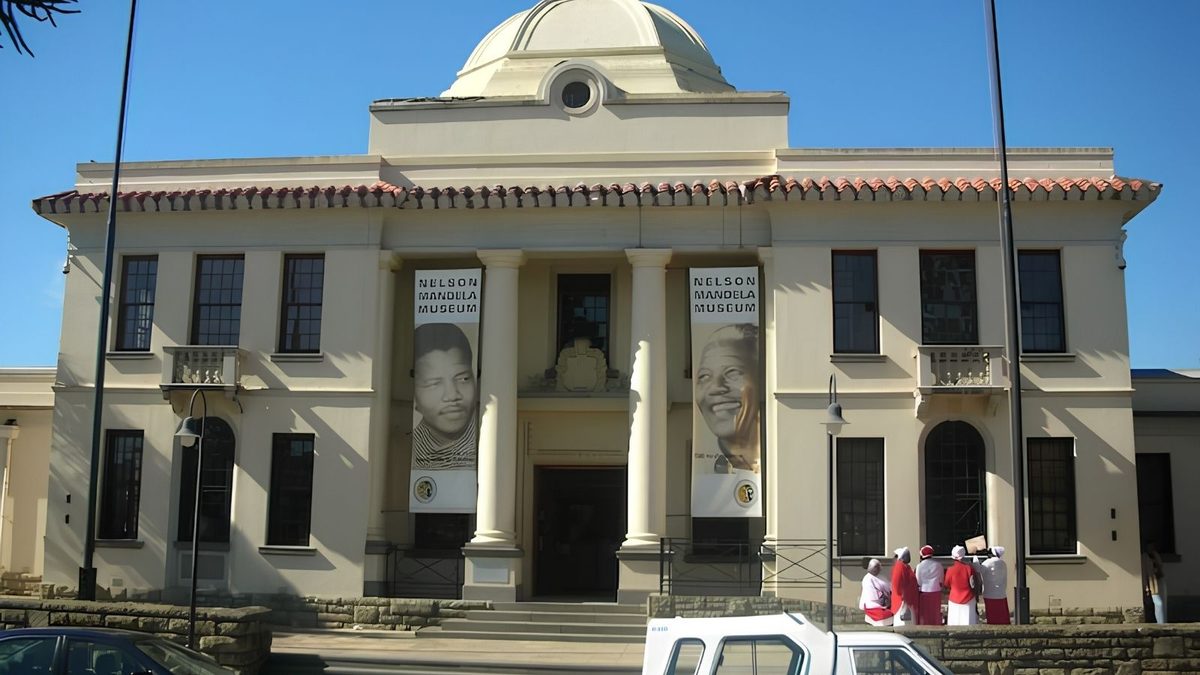
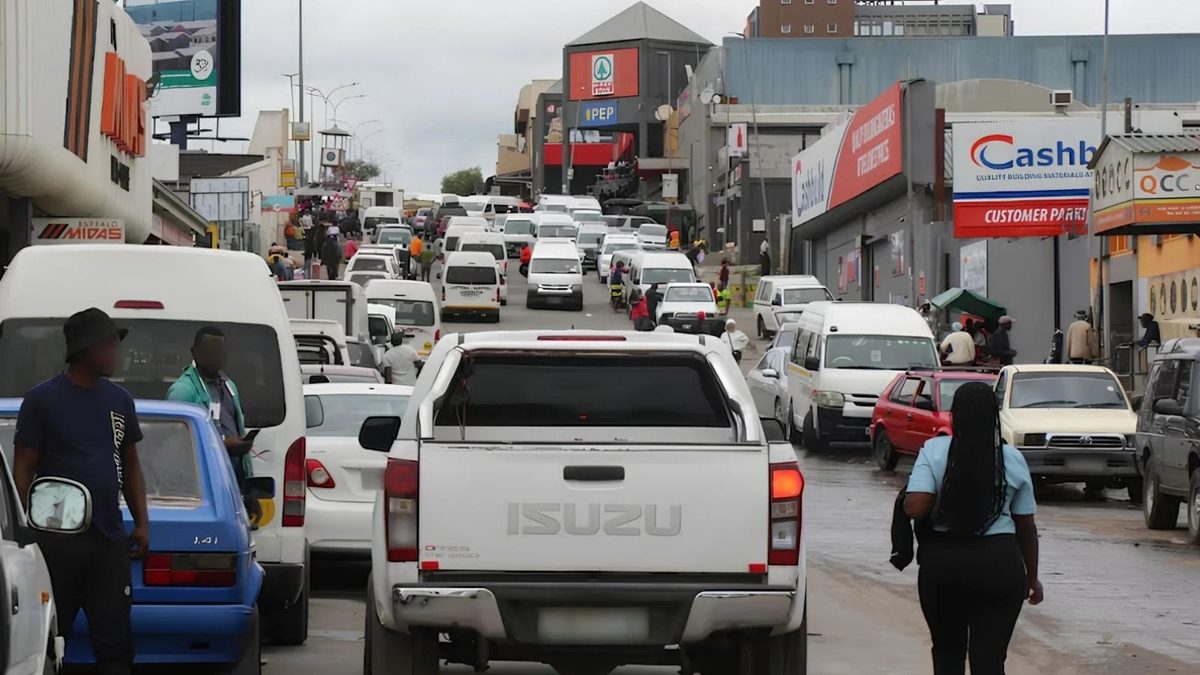
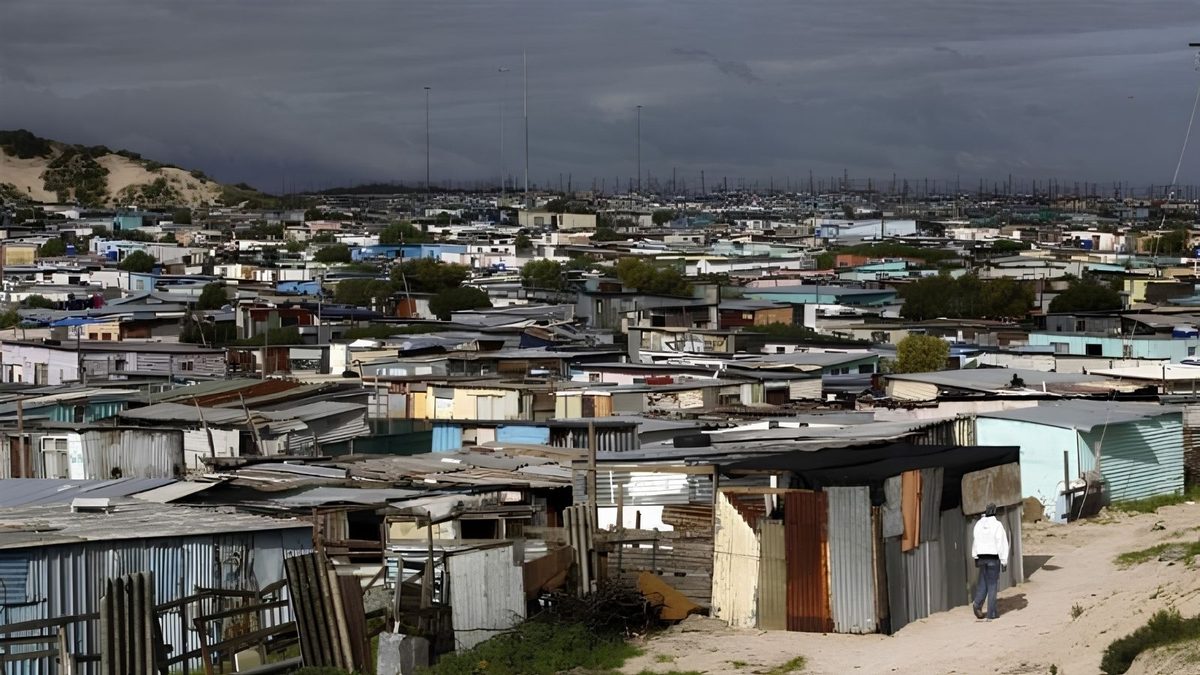
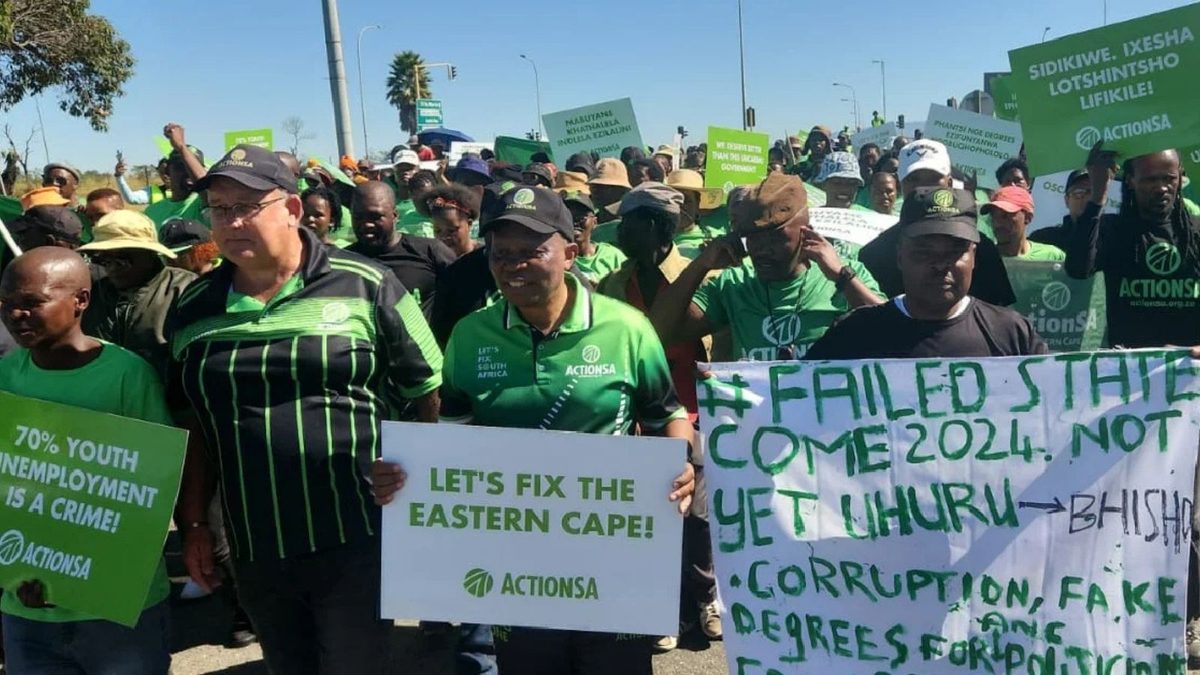
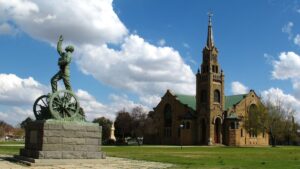
Photos of Mthatha’s collapse





 Loading ...