
Historic 153-year-old South African town falling apart with iconic hotel that cannot take guests


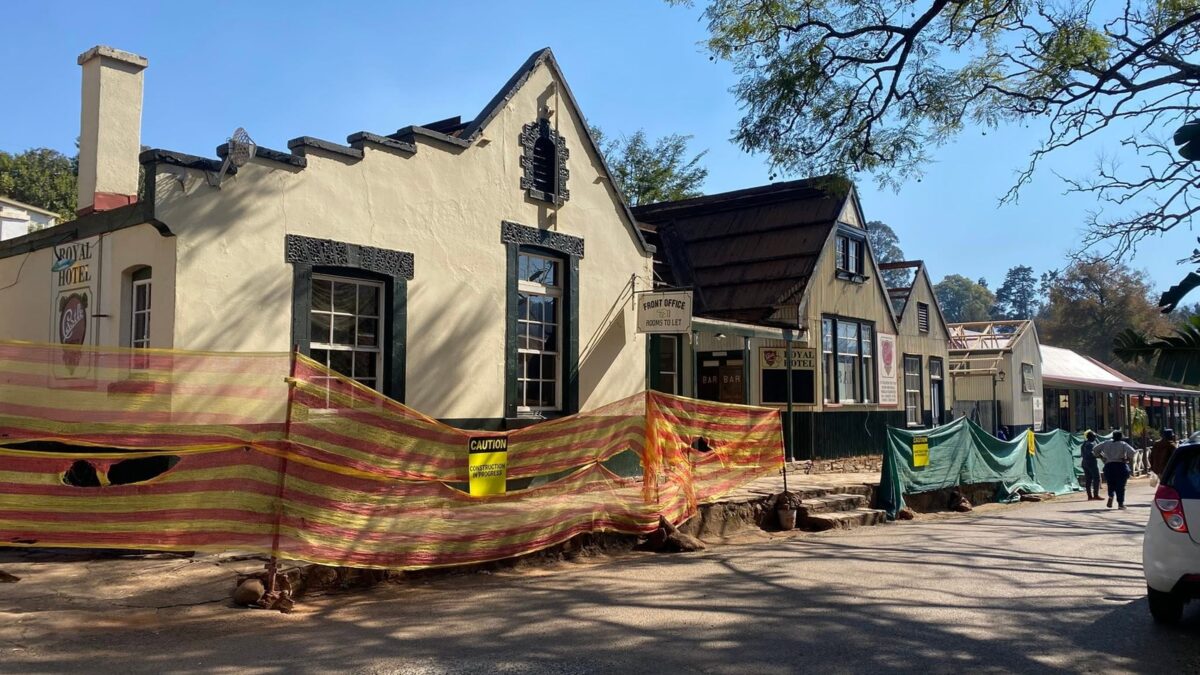
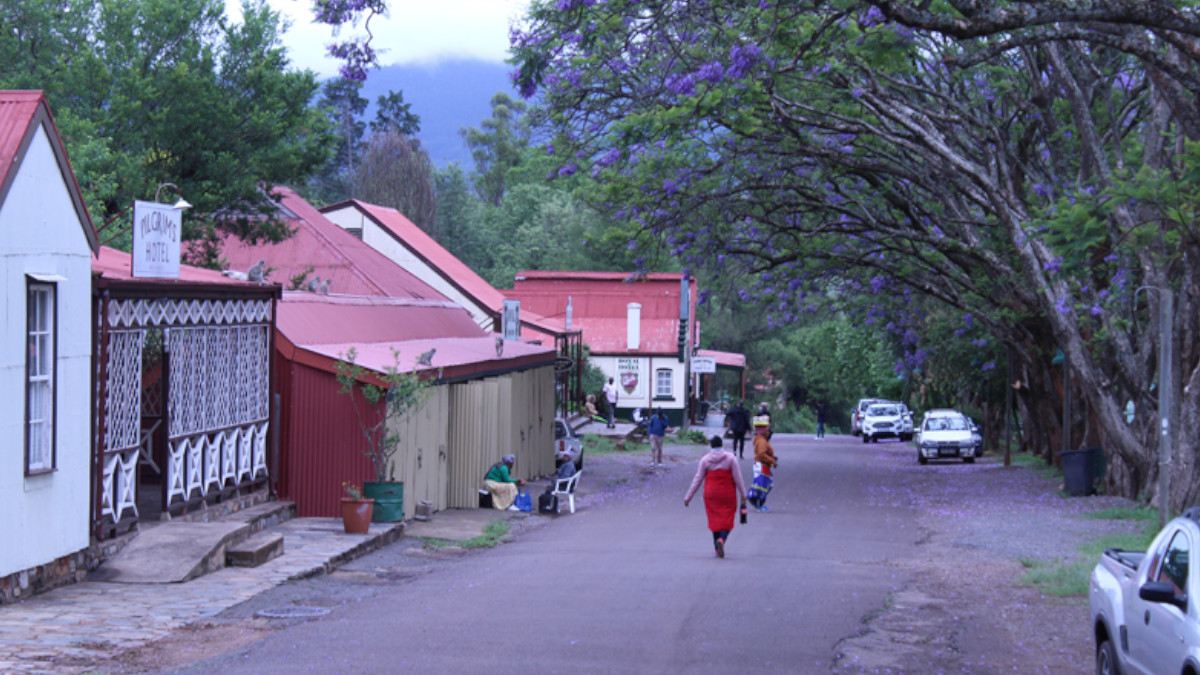
The historic tourist town of Pilgrim’s Rest has completely collapsed after years of mismanagement under the Mpumalanga provincial government.
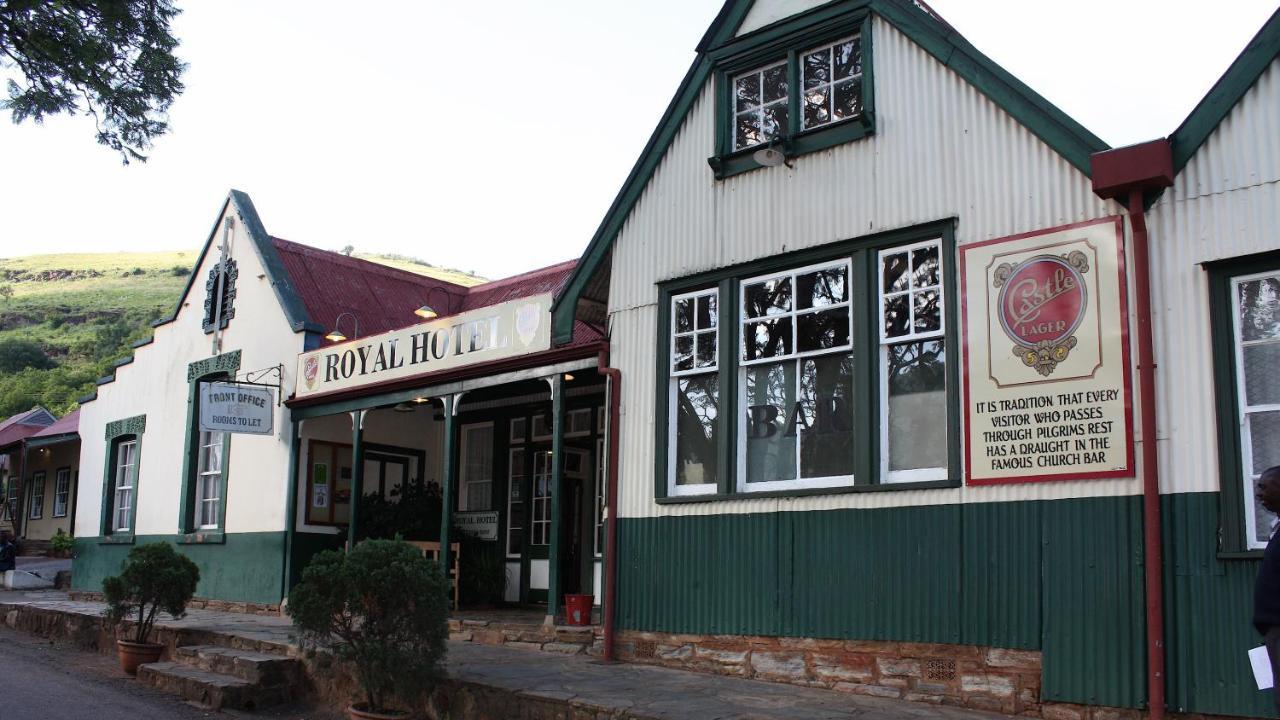
Its iconic Royal Hotel, founded in 1894, has not accepted guests for at least a year, after staff continued to operate the establishment despite an ongoing labour dispute.
Pilgrim’s Rest sprang up around the 1873 gold rush. Industrial mining eventually replaced the independent diggers, and the last operating mine, Beta, closed in 1972.
The old Transvaal Provincial Administration took over management of the village in 1974 and developed it as a living museum. It later received heritage protection in 1986.
Pilgrim’s Rest became a provincial heritage site. Under this unusual arrangement, the Mpumalanga provincial government now owns its historic commercial buildings.
The Mpumalanga Department of Public Works, Roads and Transport became the landlord and is responsible for maintenance, leases, and services, including water, electricity, and refuse removal.
Even High Court judge Ephraim Makgoba (ret.) remarked during a 2012 court case that it was a bizarre set of circumstances.
“This is strange to me. How can a provincial government department own a town?” Makgoba said at the time.
That case was a result of the Pilgrim’s Rest lease disaster. In late 2011, the department put leases for Pilgrim’s Rest businesses out to tender.
In mid-2012, it served 17 established tenants with 30-day notices to leave, saying their leases had expired and new tenants had been selected. Some businesses had been trading there for decades.
The tender process rapidly unravelled amid allegations of irregularities and outright corruption in the adjudication of bids. Makgoba called it a “sham”.
One of the examples raised in court was extraordinary. An existing tenant reportedly offered more than R3,000 per month for the town’s golf club, while the successful bidder had offered R33.
There were also questions about leases allegedly signed in 2008, which were set to expire in 2013, but were then backdated to 2006.
Public Protector Thuli Madonsela investigated Pilgrim’s Rest problems

Public Protector Thuli Madonsela investigated the Pilgrim’s Rest lease crisis and her report, titled Poisoned Processes, was devastating.
She found the leasing process unlawful and characterised by “gross irregularities and maladministration”.
Among the findings were that evaluation criteria changed during the process and that no proper due diligence was done on prospective operators to determine if they could actually run sustainable businesses.
Additionally, Madonsela determined that the 30-day eviction notices were unreasonable and prejudiced the tenants and Pilgrim’s Rest itself.
Madonsela ordered the department to cancel the new leases, redo the procurement, investigate possible unauthorised, irregular or fruitless expenditure, and take disciplinary action where warranted.
The department accepted her findings in 2014, but the damage was already being done. By early 2014, reports said ten shops had closed amid the uncertainty.
The cancellation of the unlawful leases then created another problem: new operators who had opened businesses also lost their leases. At one point, only 14 of roughly 30 businesses were operating.
By 2016, tenants complained about leaking roofs, rotten floors and window frames, and unmaintained grounds.
Businesses were unwilling to spend money repairing government-owned properties when their own tenure remained uncertain.
Collapse of the Royal Hotel
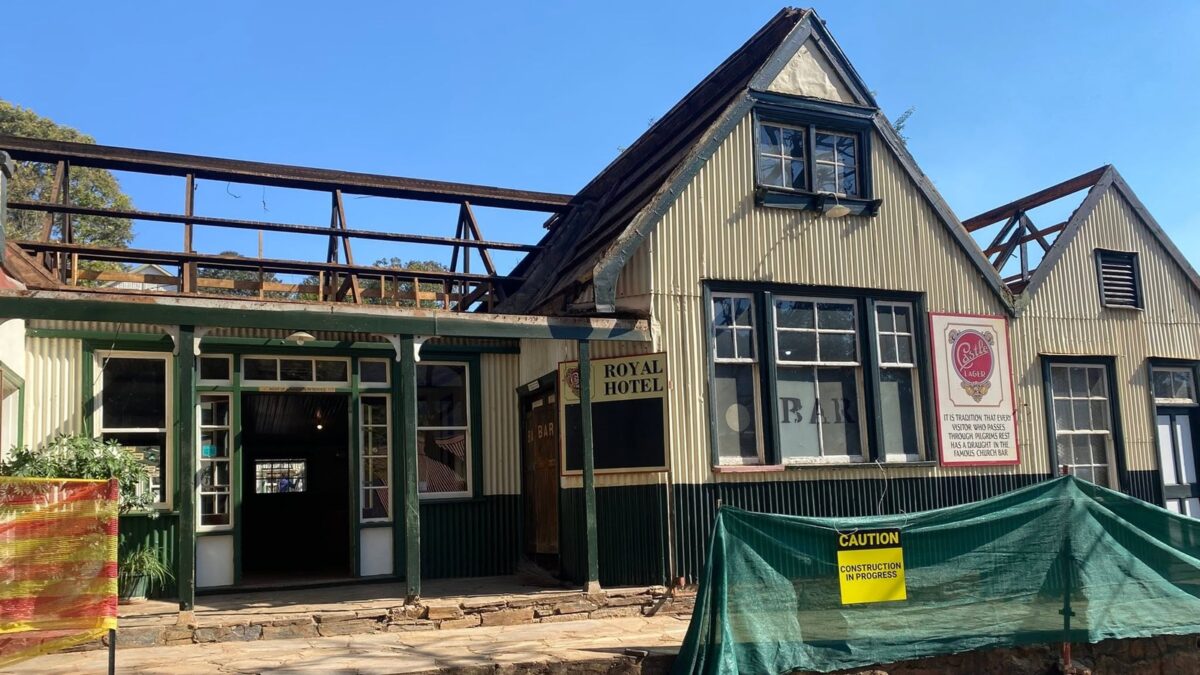
In October 2012, amid the broader lease turmoil, Public Works gave the state-owned Mpumalanga Regional Training Trust (MRTT) a 9-year lease on the Pilgrim’s Rest Royal Hotel.
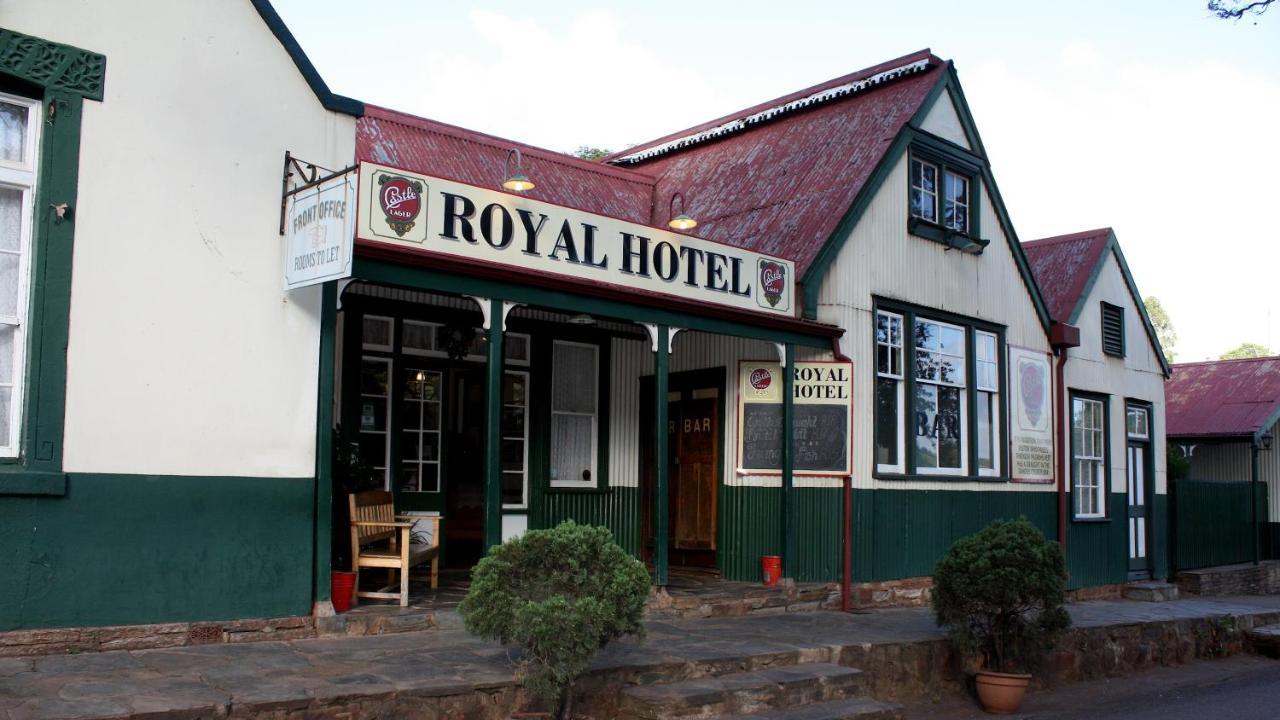
The Royal Hotel was arguably Pilgrim Rest’s flagship commercial heritage asset. It is one of those hotels where the building itself is part of the attraction.
Built in 1894 by prospector George Edward Roy, the Royal Hotel served as a primary gathering point for gold diggers and prospectors.
In 1913, it was bought by Scotsman John McIntyre, whose family was affectionately known locally as the Royal Family.
It grew into a collection of ten late-19th-century buildings and annexes with 50 bedrooms, which were furnished and later restored in Victorian style.
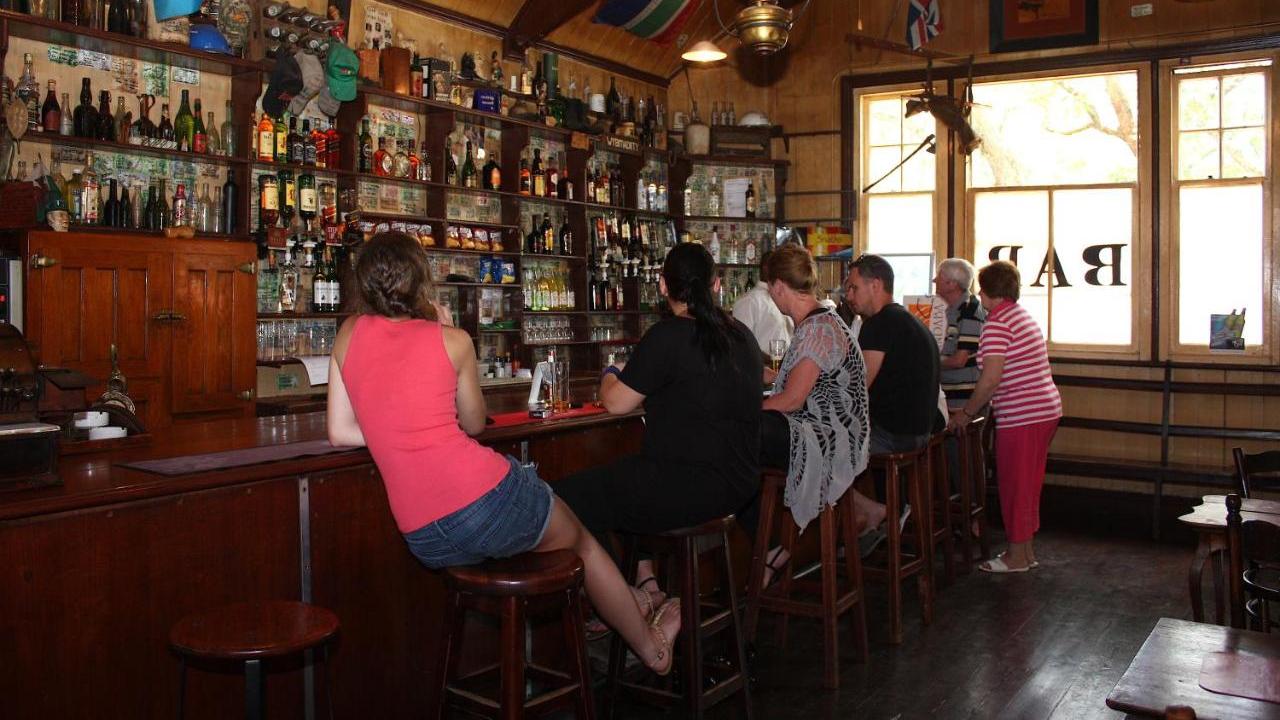
Its best-known feature is the Church Bar, which was originally the Roman Catholic chapel of St. Cyprian’s School in Cape Town.
After MRTT took over the property, its finances deteriorated badly. MRTT’s 2020/21 annual report recorded a R3.01-million net loss after tax for the Royal Hotel subsidiary.
MRTT’s board decided on 3 September 2020 to cease operations at the Royal Hotel and liquidate its operating subsidiary, MRTT Royal Hotel Pilgrims Rest.
Despite this, it continued operating the hotel. According to its 2023/24 annual report, MRTT’s amount receivable from the Royal Hotel had reached R11.15 million, which was fully impaired.
“The debtor is impaired at 100% as the subsidiary is undergoing a liquidation process as it is no longer a going concern and the probability of recovery of the debt is highly unlikely,” it said.
Kruger on Sabie took over the Royal Hotel
When MRTT’s lease ended in 2022, Kruger on Sabie took over the Royal Hotel. It inherited around 50 workers but subsequently concluded that it could not afford the staffing structure.
Kruger on Sabie tried to introduce shifts, but this was immediately met with a labour dispute, and the company abandoned the operation. For a while, employees themselves kept the hotel operating.
In December 2024, the Mpumalanga executive formally approved the liquidation and deregistration of the MRTT Royal Hotel company.
The provincial government blamed the effects of the Covid-19 pandemic, the previous operator abandoning operations, and the failure of the Kruger on Sabie arrangement.
It said Public Works would renovate the property and intended for a management company to start operating it from 1 March 2025. That never happened.
In a progress report presented in August 2026, the department said none of the bids it received to operationalise the hotel met the tender’s mandatory requirements.
It is not surprising that the Mpumalanga government struggled to attract eager bidders, given that Pilgrim’s Rest had become a ghost town.
Mpumalanga Public Works readvertised the tenders for 10-year leases on the Royal Hotel and nine other businesses in Pilgrim’s Rest on 17 July 2026. They closed on 5 August.
Departmental spokesperson Bongani Dhlamini told myLowveld that bids on these tenders had been received and that the procurement process was at the evaluation stage.
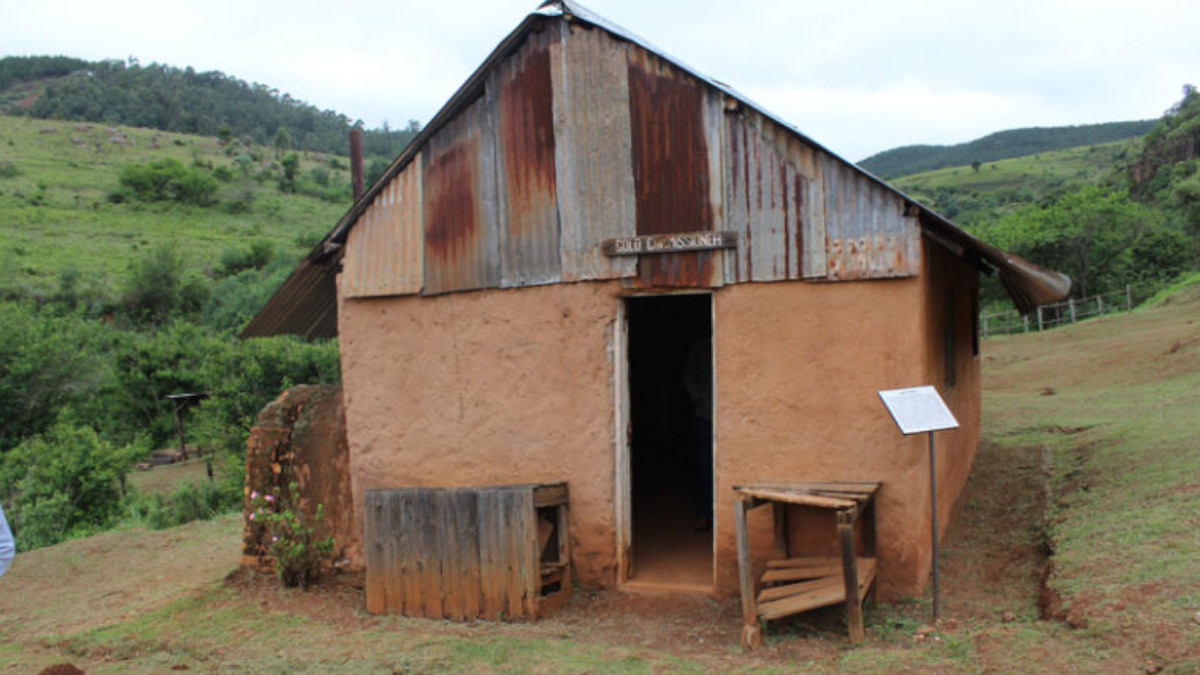
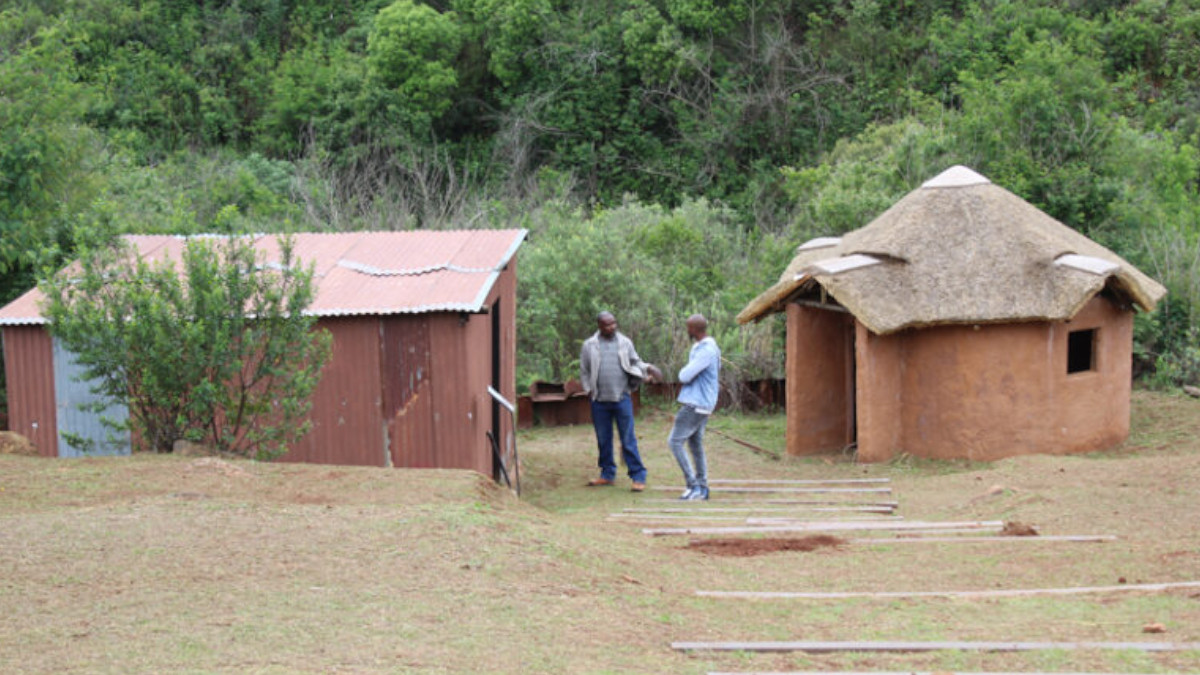
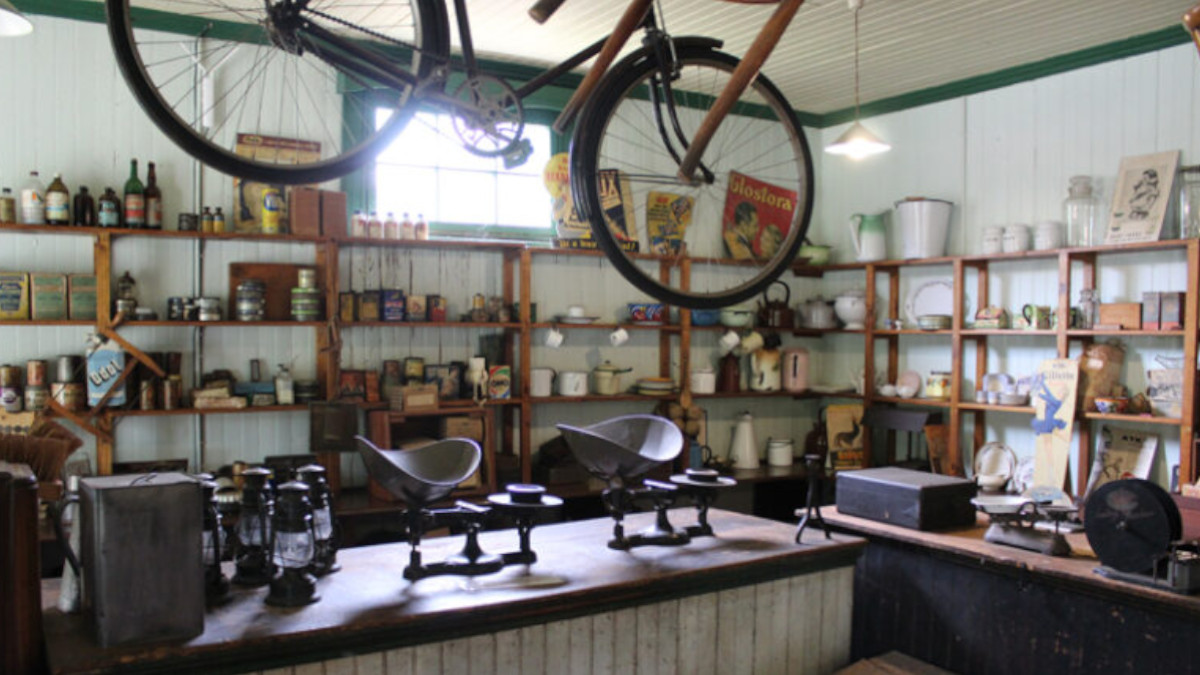
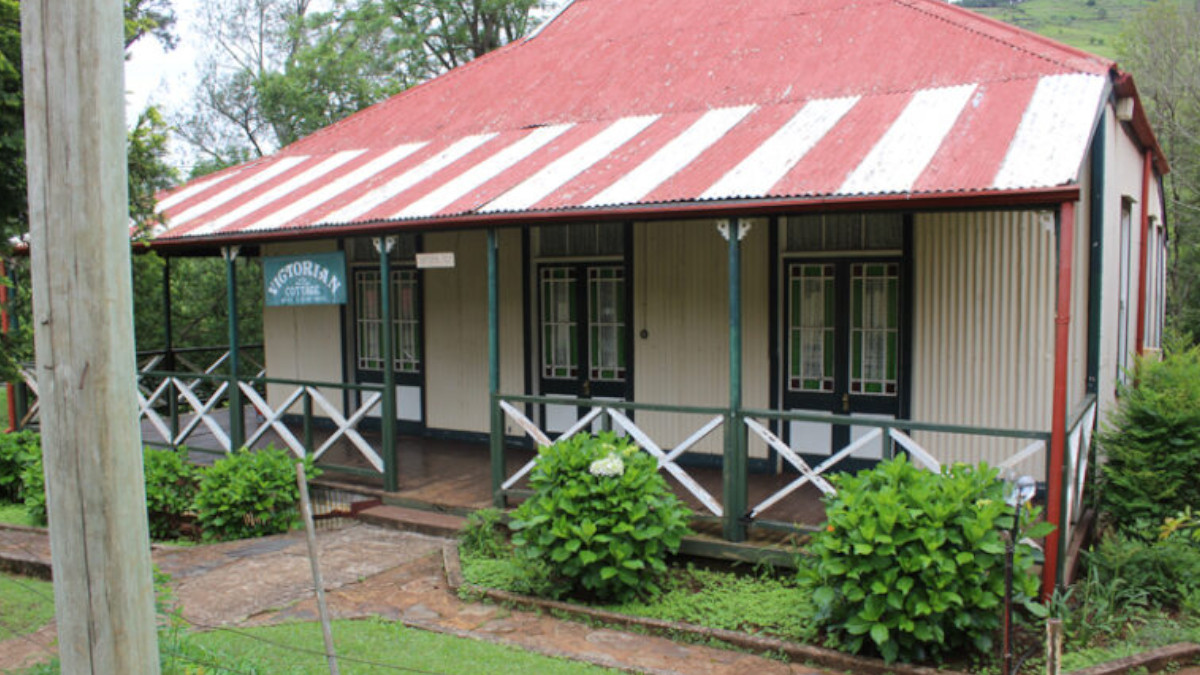
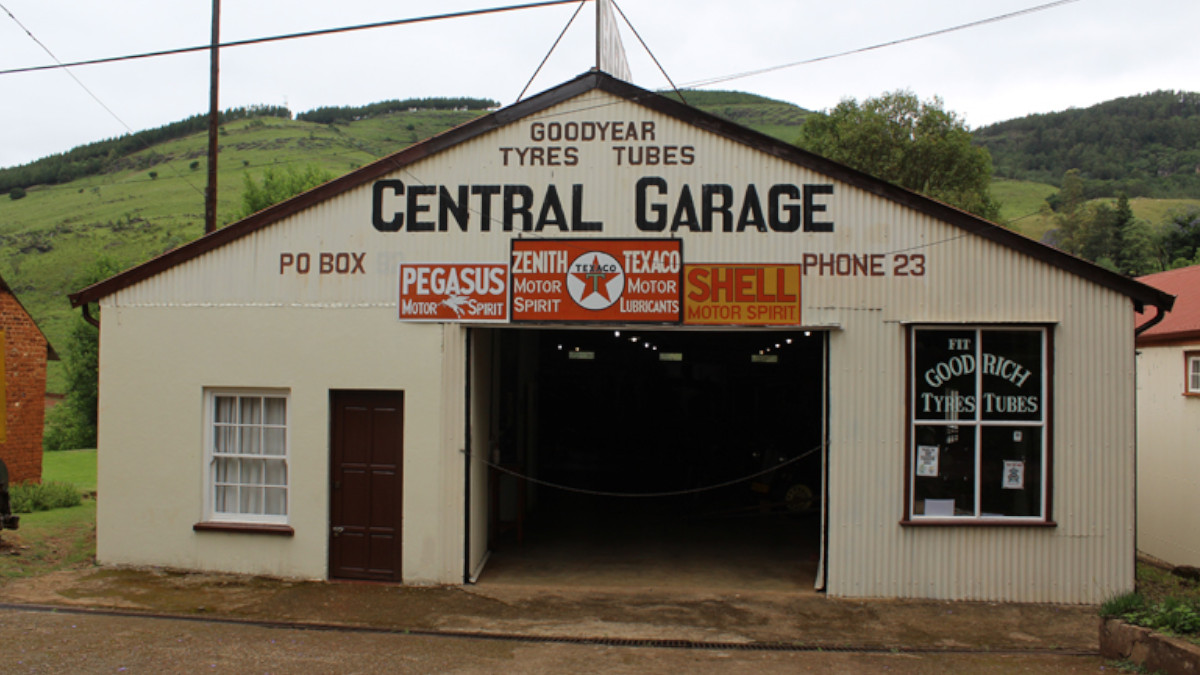
More photos of Pilgrim’s Rest
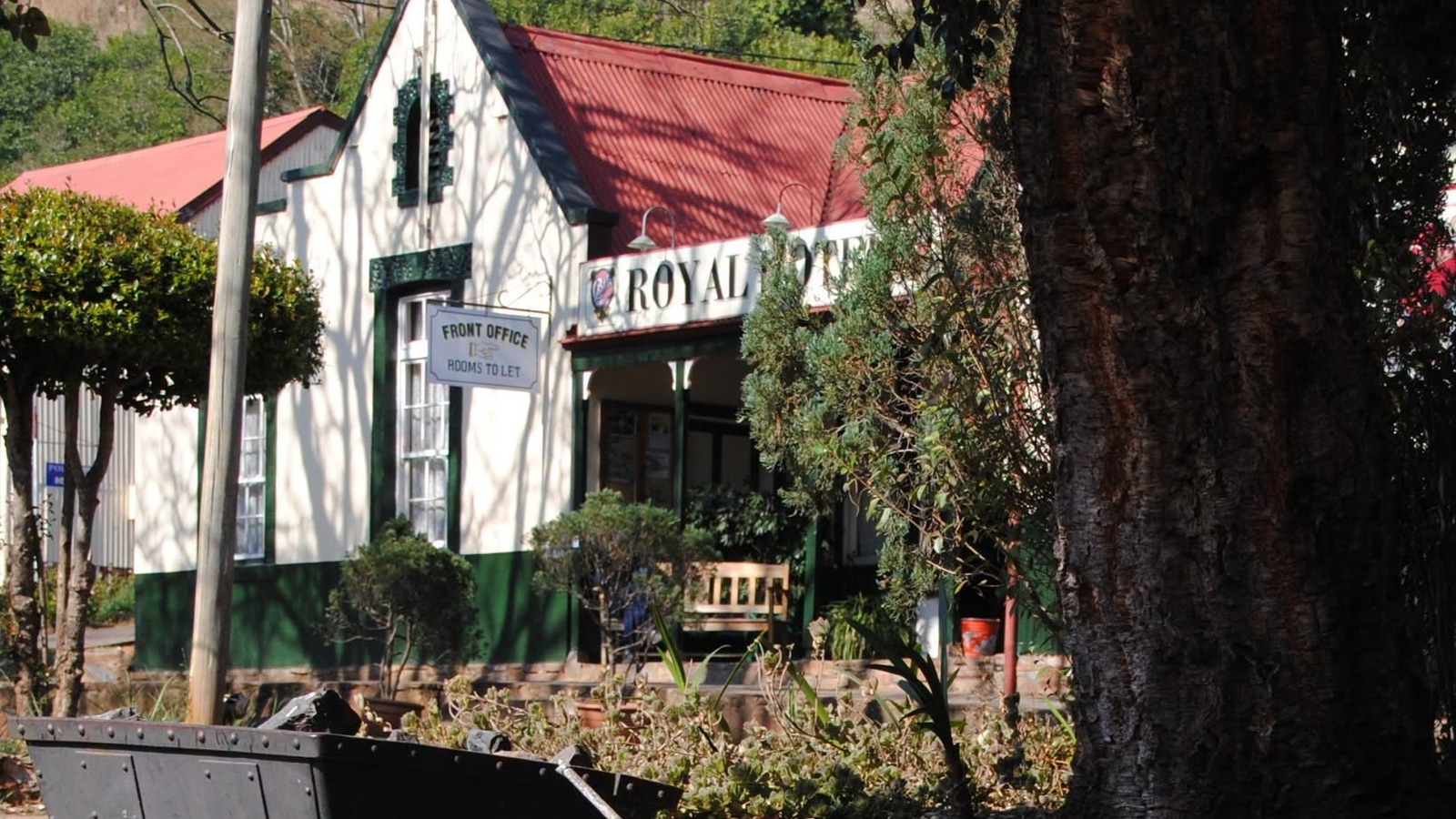
More photos of the Royal Hotel








 Loading ...