
The small South African town voted one of the world’s greatest food and wine destinations


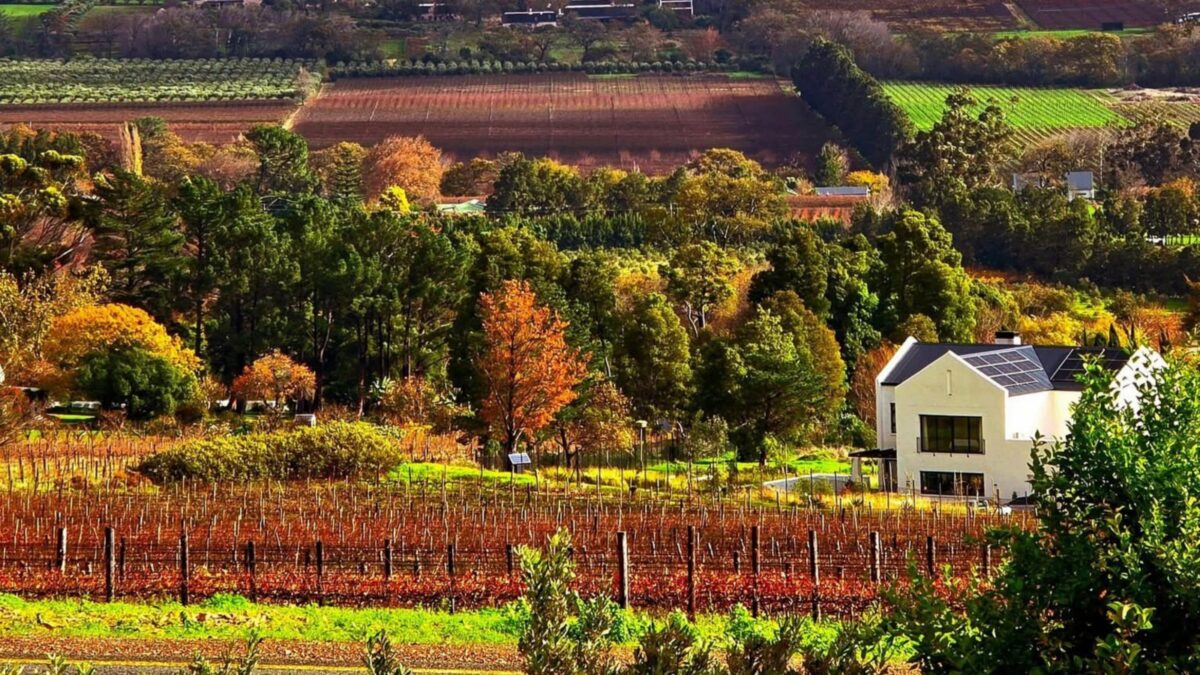
Franschhoek in the Western Cape has transformed from an isolated valley where herds of elephants once roamed freely to one of the world’s top wine and food destinations.
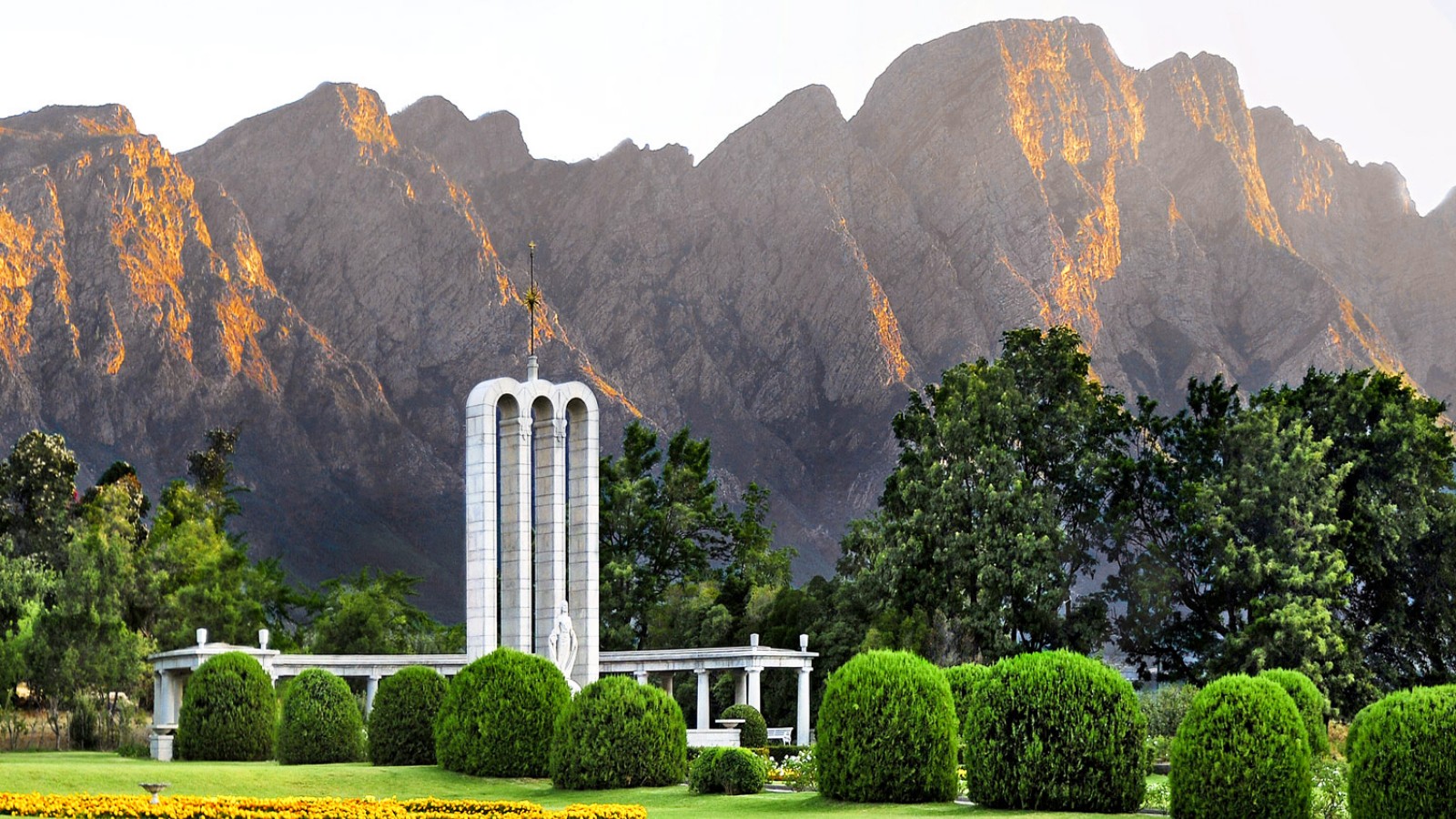
The town of Franschhoek, which is Afrikaans for “French Corner”, is one of the oldest towns in South Africa.
It was previously known as Oliphants Hoek after the large herds of elephants that roamed the valley.
Before the French Huguenots arrived in the area in 1688, the valley was inhabited by the Khoisan people, many of whose descendants still live in the region.
However, French King Louis XIV banned Protestantism in France in 1685, forcing many French Huguenots to flee their homeland.
Roughly 300 arrived by ship at the Cape of Good Hope in 1688 and were given the Franschhoek Valley to settle.
The new residents established farms and businesses in the Franschhoek Valley, bringing with them their French culture and approach to agriculture.
Many of the settlers named their new farms after areas that they had left behind in their home country.
These included farms such as La Motte, Champagne, Cabrière, Bourgogne, La Terra de Luc, and La Dauphine, which were among the first to be established.
These farms were among the 9 first allocated in 1694. They are primarily situated along the Franschhoek River.
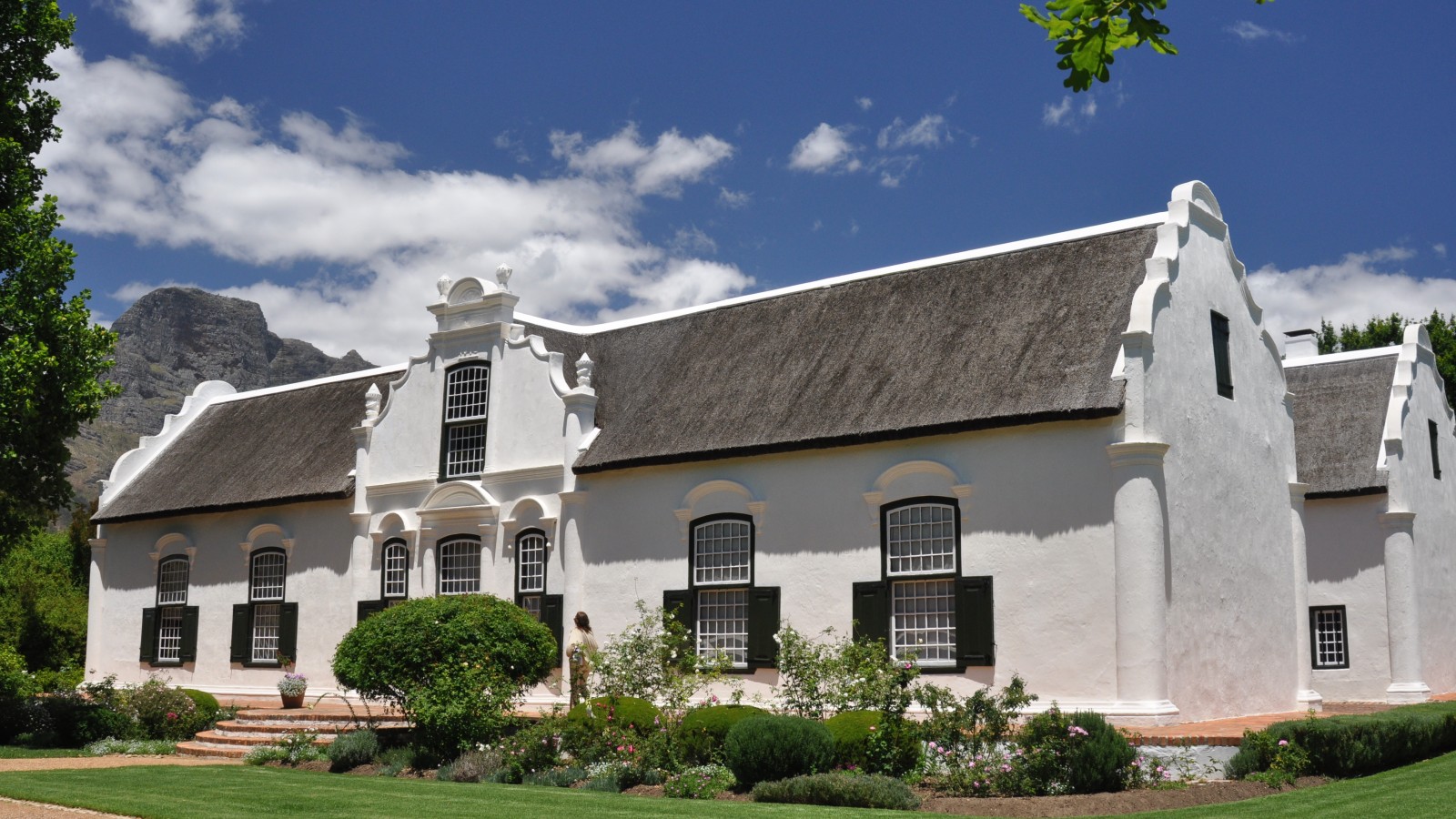
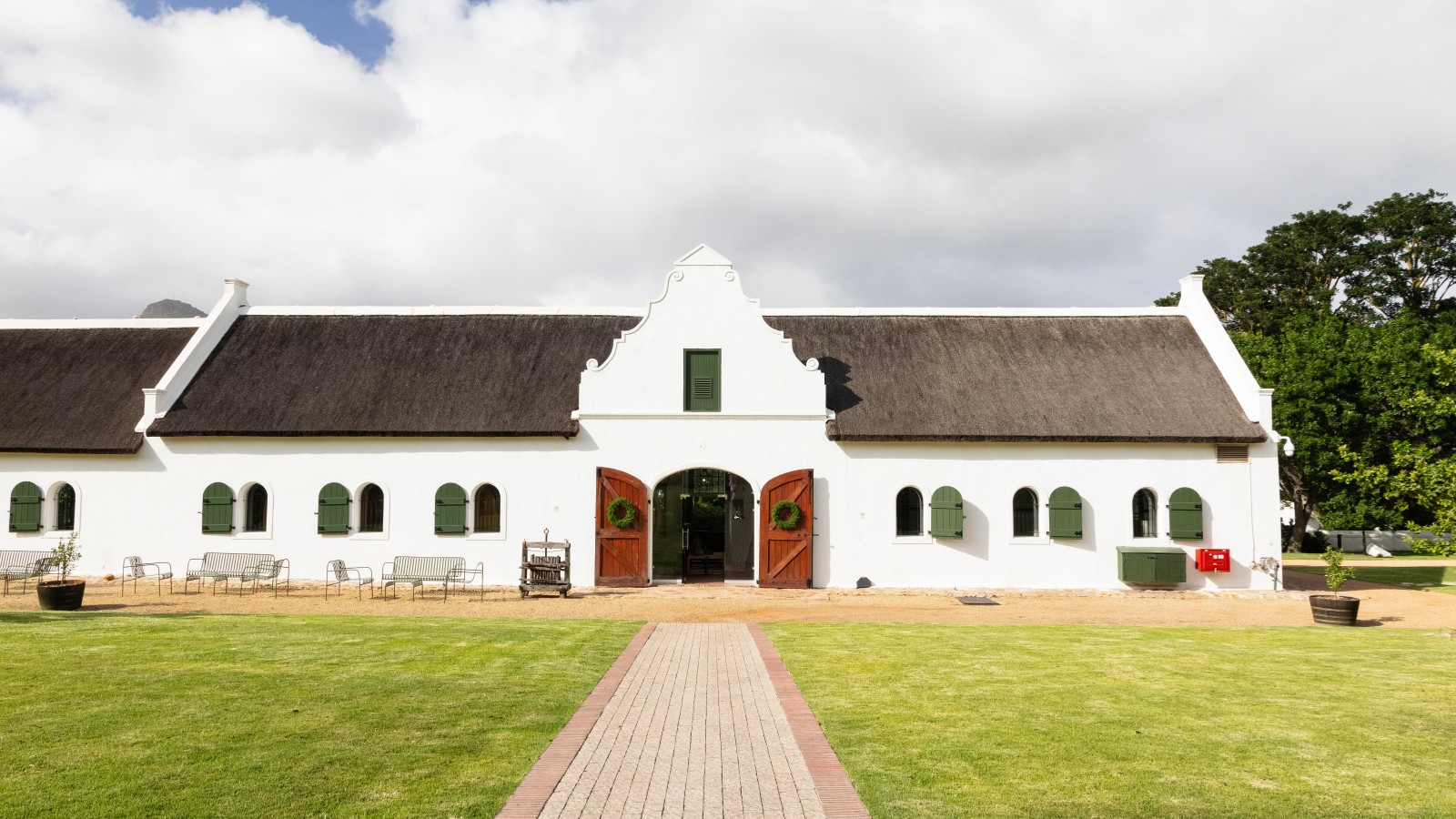
Many are still home to their original Cape Dutch farmhouses today and have grown into world-renowned wineries.
Between 1688 and the early 20th century, Franschhoek was transformed from a wild and isolated valley into an established, settled agricultural hub.
In 1904, a 28km railway line was built between Paarl and Franschhoek to serve as an alternative to the ox-drawn carts still used by farms to bring their produce to market.
A steam locomotive operated the line until it was replaced with diesel-powered locomotives in the 1970s.
However, the demand for rail transport in the region declined, and the line was discontinued in the 1990s.
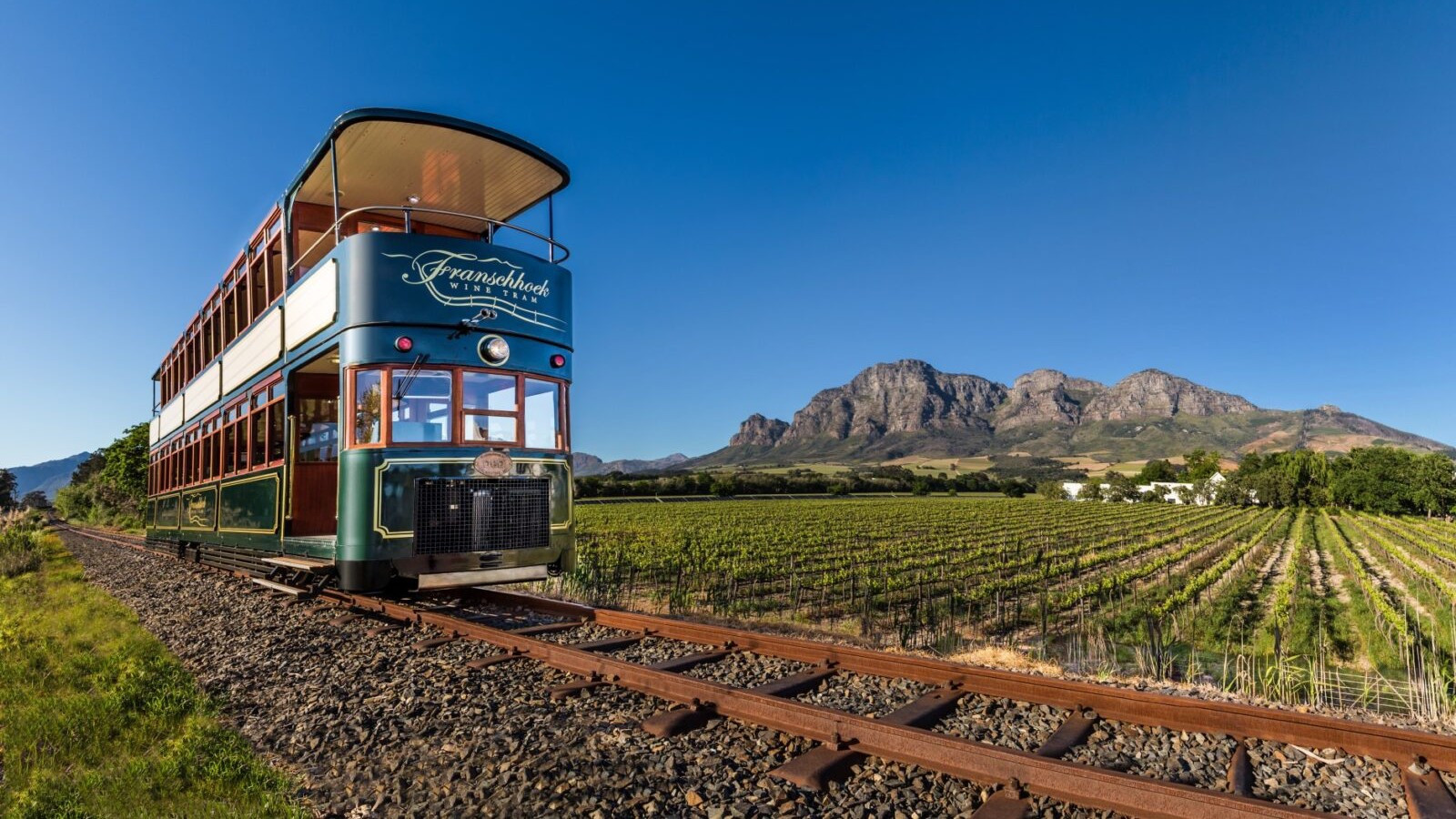
It was revived again in 2012, when a private operator reinstated it for the Franschhoek Wine Tram service.
A wine lover’s dream and a top residential estate
Time Magazine voted Franschhoek as one of the World’s Greatest Places in 2022, describing it as “a wine lover’s dream”.
It was celebrated for its world-renowned vineyards, high-class restaurants, and breathtaking views.
Time Magazine’s ranking included 50 destinations from around the world, based on nominations from its correspondents and contributors.
Mireille Wenger, the Western Cape’s provincial minister of finance and economic opportunities at the time, welcomed the news.
“This is excellent news, which once again puts a Western Cape destination on the world map,” she said.
She added that the news came at a time when the region was working to boost its visitor numbers beyond 2019 levels.
Franschhoek falls under the jurisdiction of the Stellenbosch Local Municipality, which ranks among the top municipalities in South Africa for service delivery.
It scored 86 out of 100 on the FW de Klerk Foundation’s 2026 Local Government Report Card, placing third across 42 municipalities assessed.
The foundation attributed the high score to the municipality’s strong liquidity, substantial capital investment, and mature governance.
It scored 23.5 out of 30 for services and infrastructure, 23 out of 25 for financial management, 13.5 out of 15 for governance and integrity, and 12.5 out of 15 for inclusion.
“Its high result reflects a municipality that can plan, collect, invest, and account,” the FW de Klerk Foundation said.
Stellenbosch executive mayor Jeremy Fraser welcomed the findings. He attributed the score to the municipality’s development of strong institutional systems.
He said the municipality’s approach included systems of assurance, risk management, internal controls, and accountability across all departments.
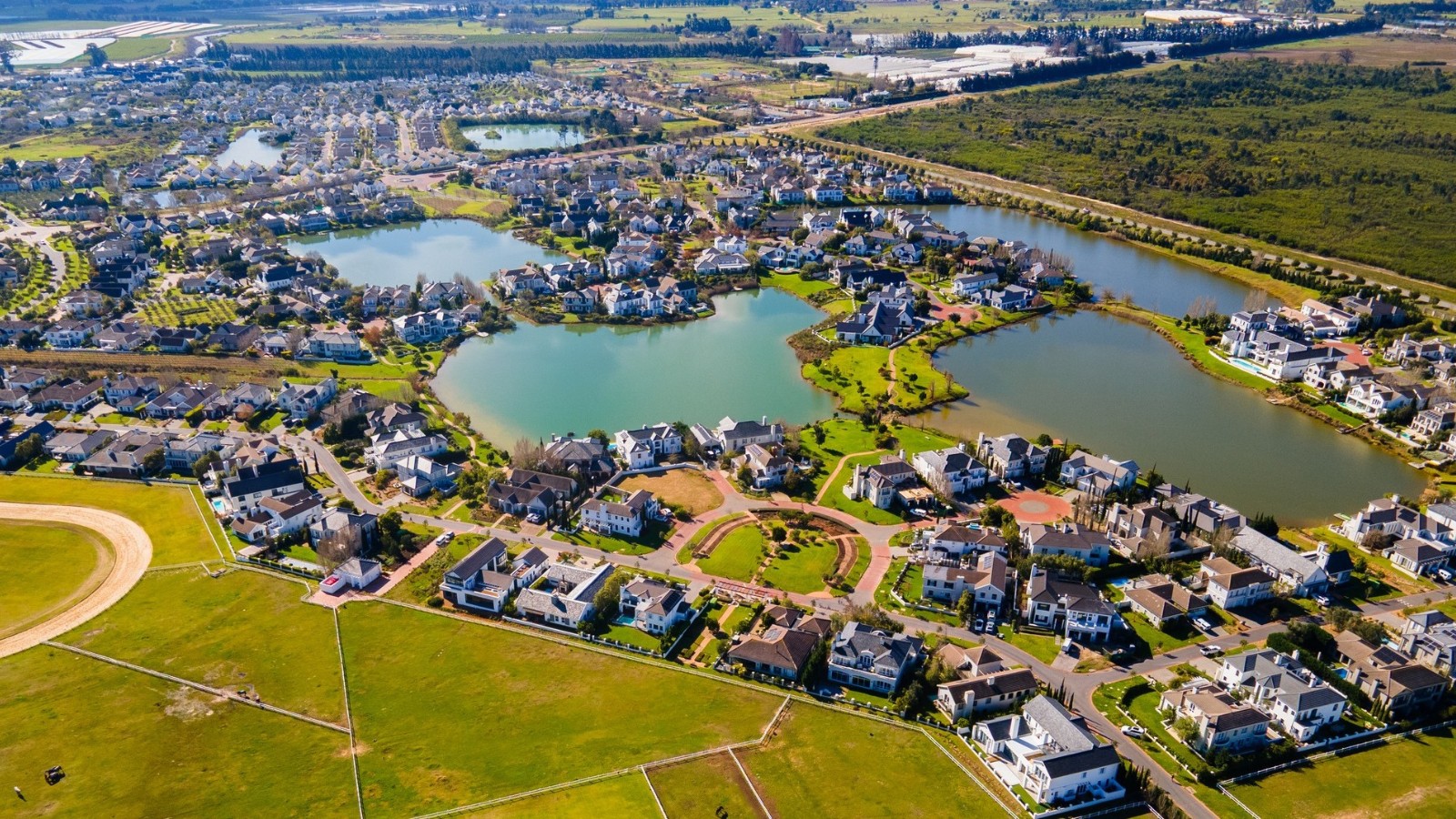
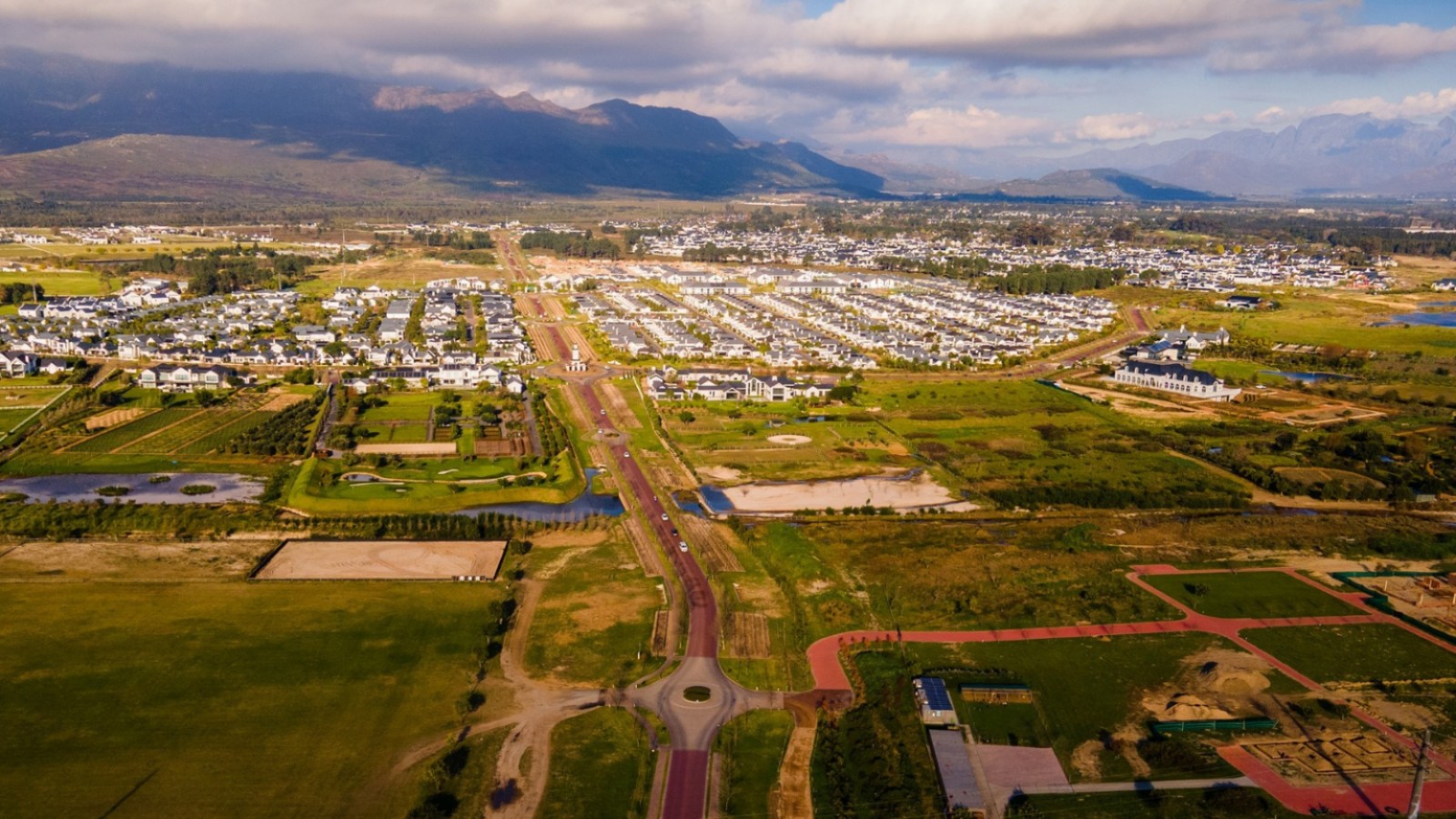
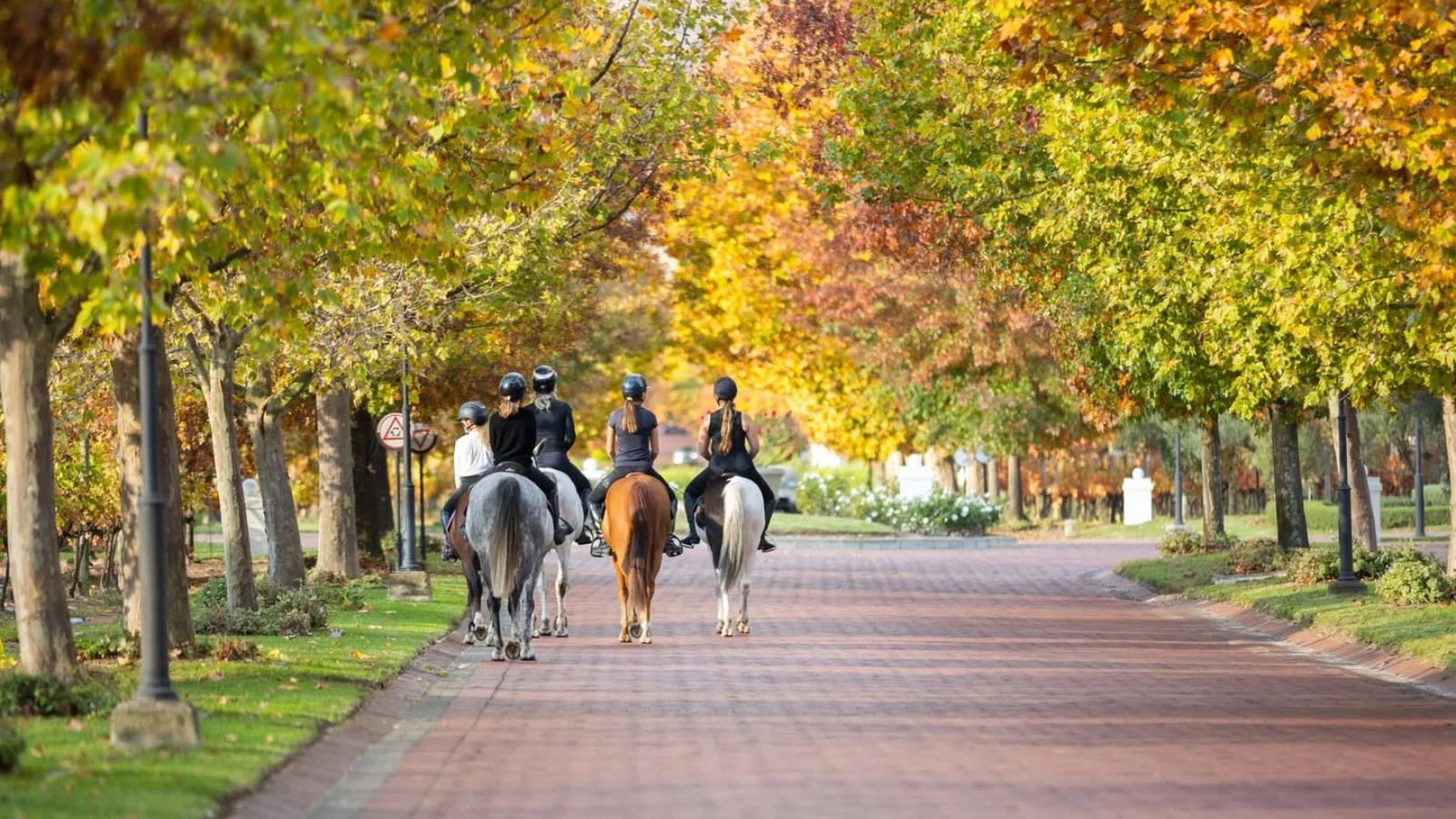
Along the border of the Paarl-Franschhoek Valley sits the South African residential estate, Val de Vie, which was recently named as one of the best in the world.
Widely considered one of the top estates in South Africa, it earned a spot in the Global Wellness Institute’s 2026 Wellness Real Estate Atlas.
The luxury estate featured in the report’s top-tier category of 15 global projects considered to be “models for the field”.
It was the only African development to receive this level of recognition. It also featured in the Atlas’ second tier, which featured 31 international developments.
Currently, there are numerous Val de Vie homes on the market priced at R30 million and up, with one listed at R75 million.
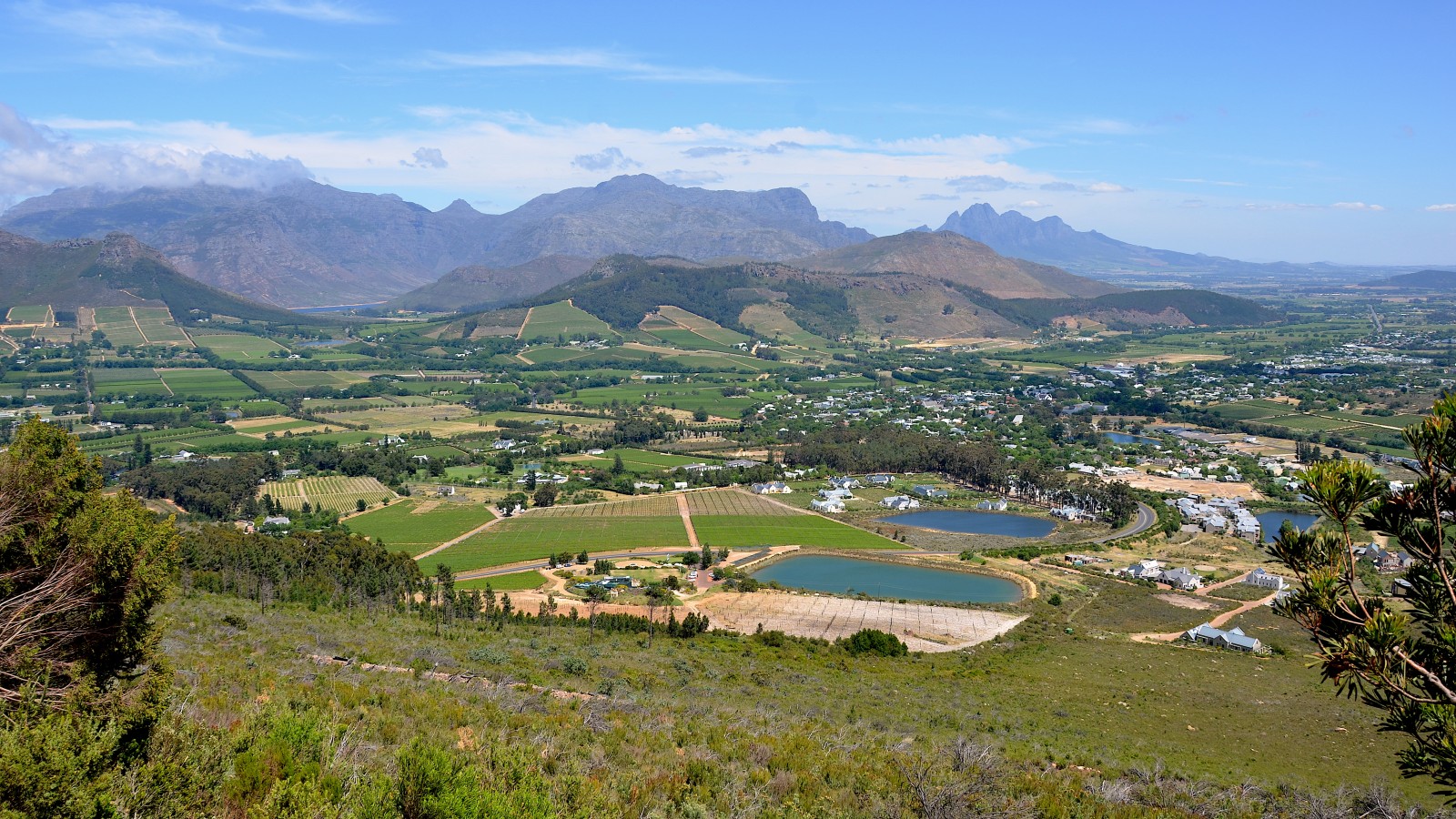
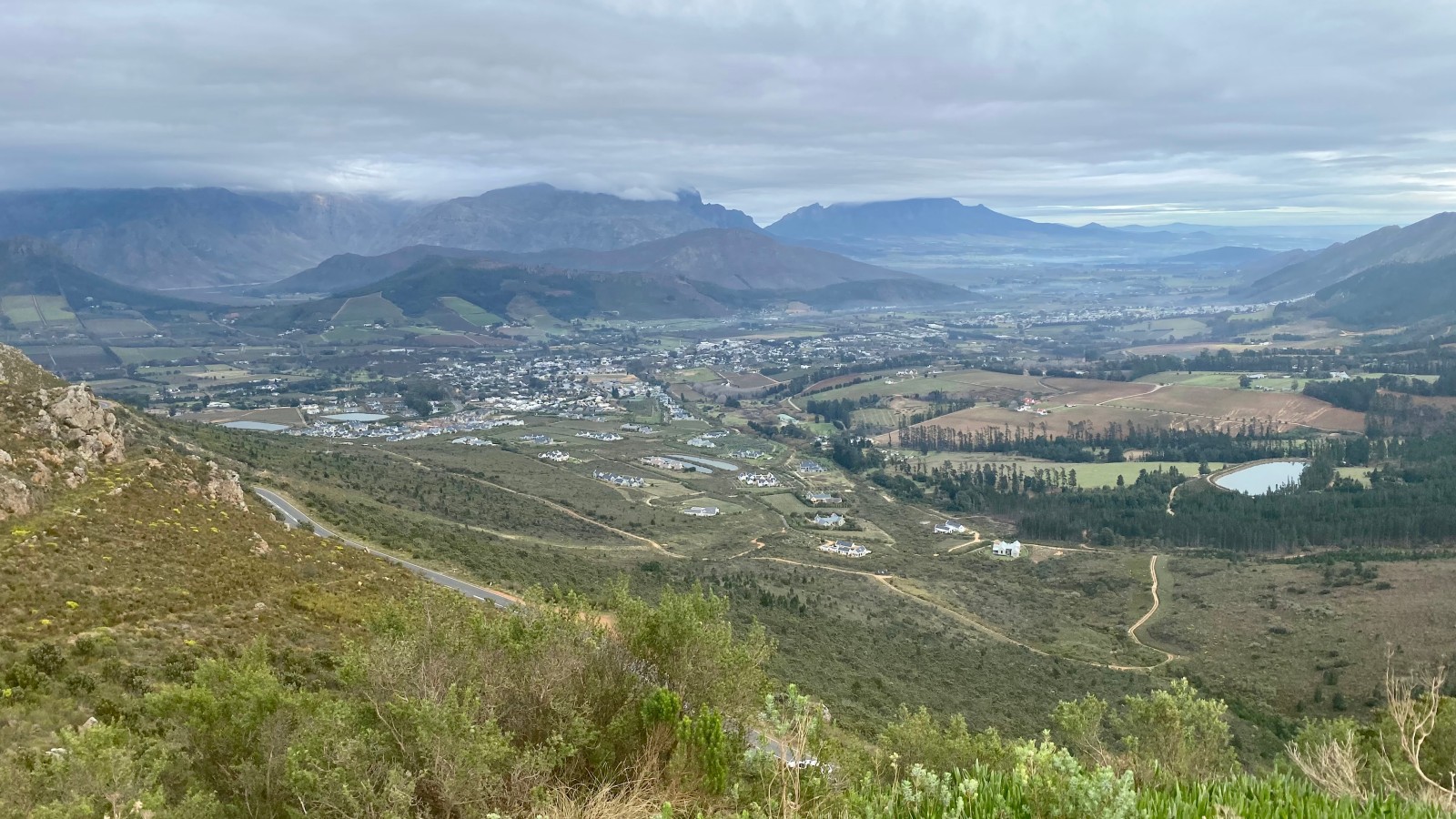
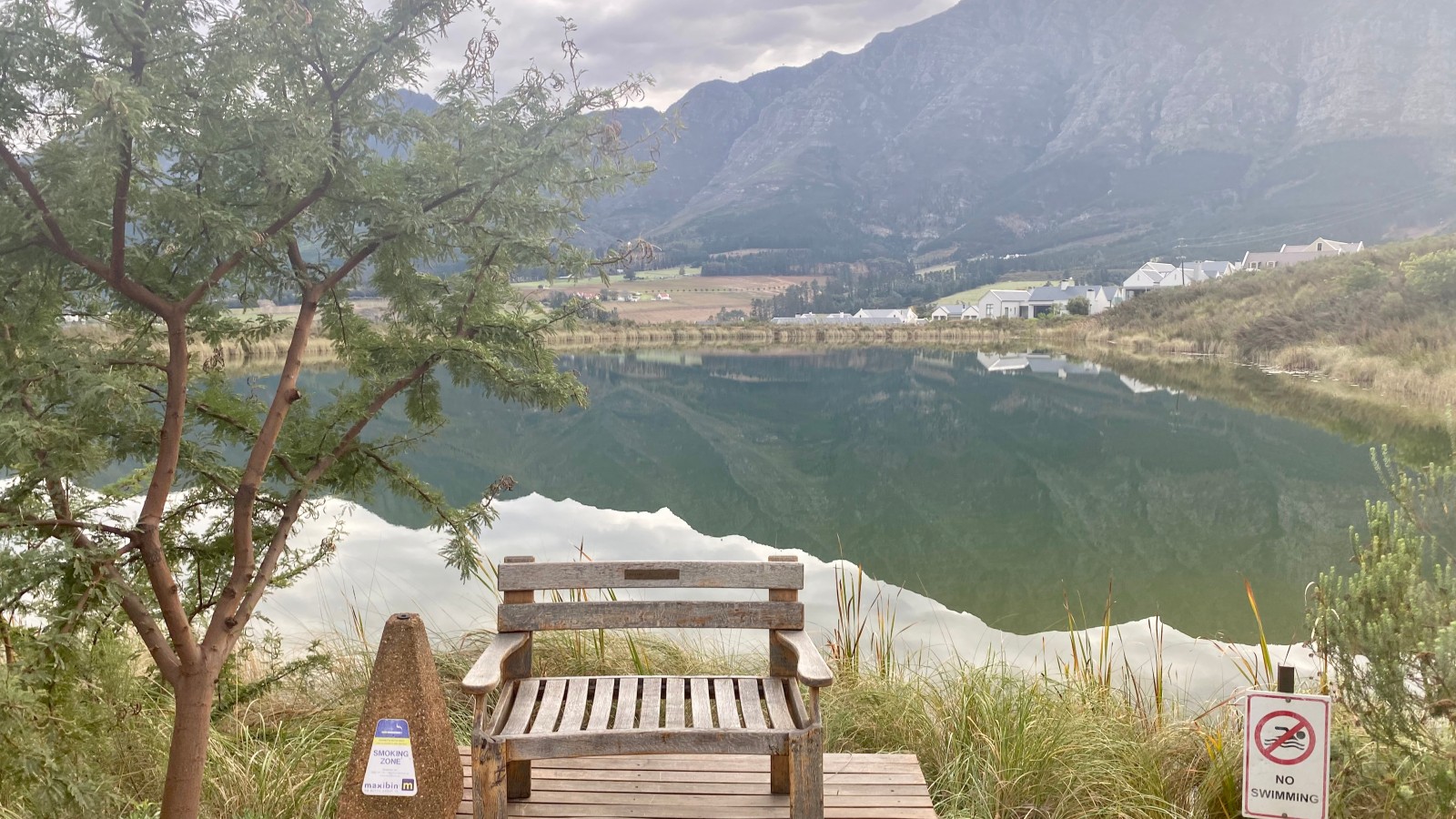
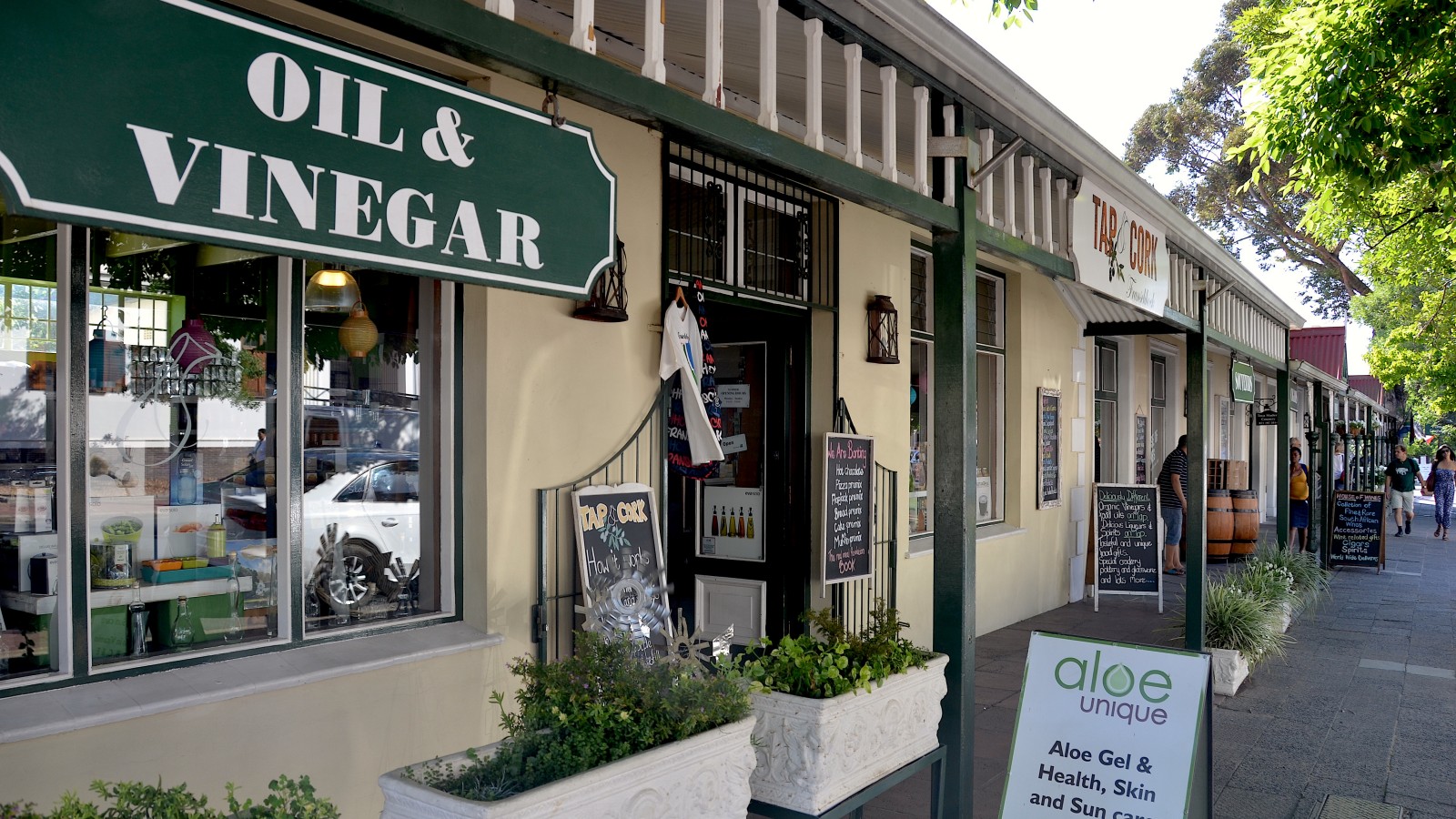
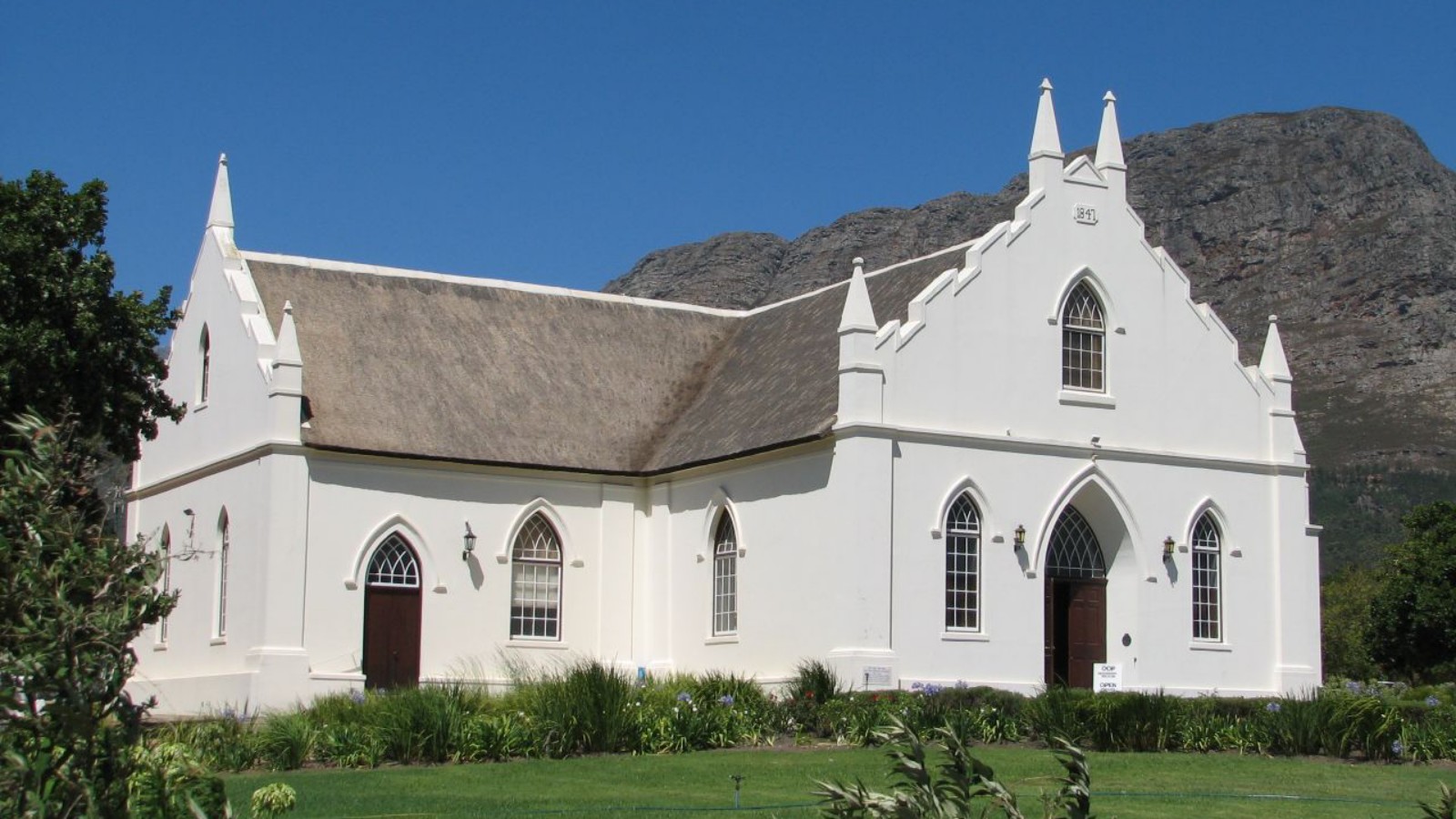
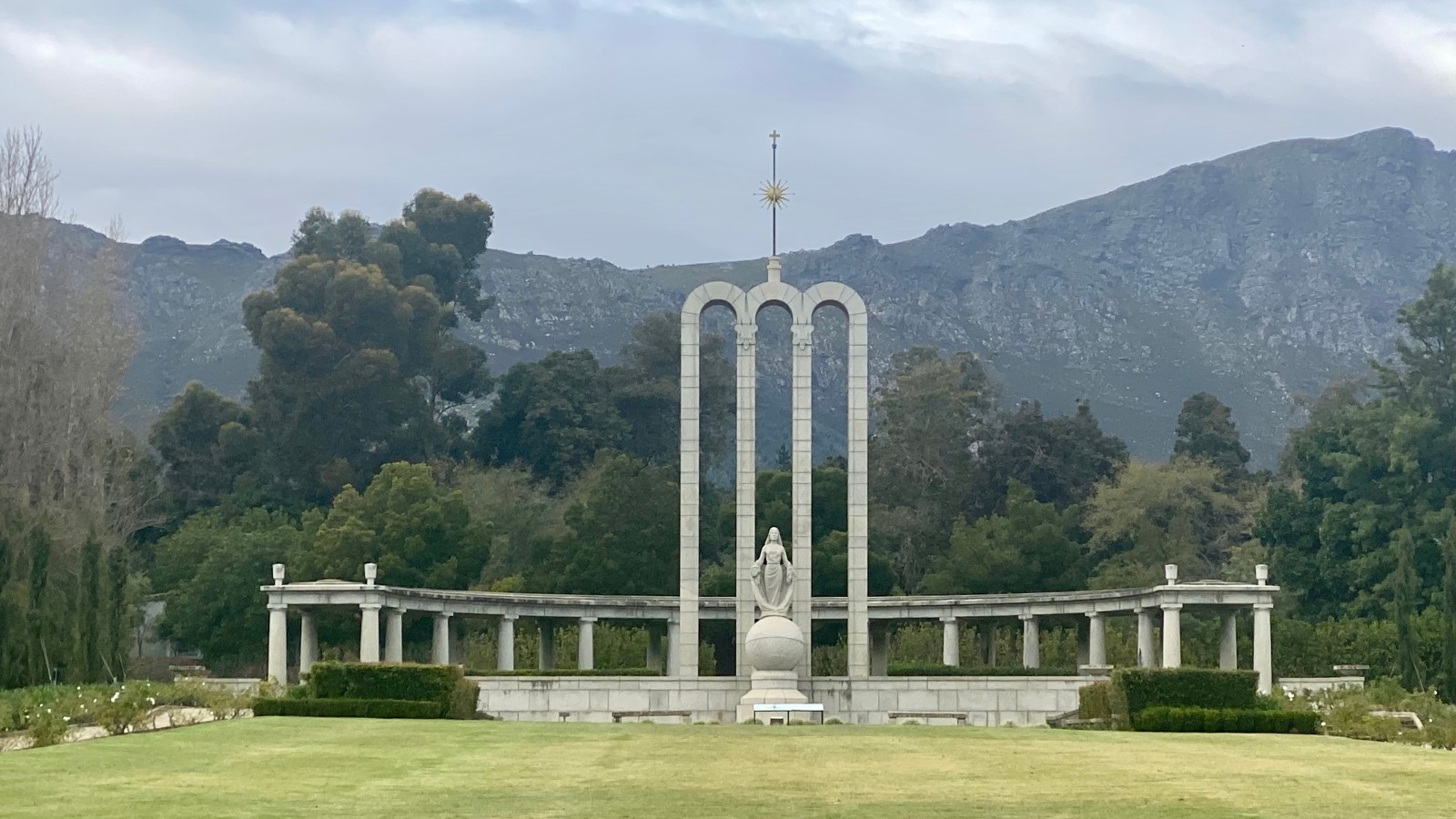
Photos of Franschhoek in the Western Cape





 Loading ...