
The elite Afrikaans school with a 100% matric pass rate and where 98% of matrics qualified for university entrance


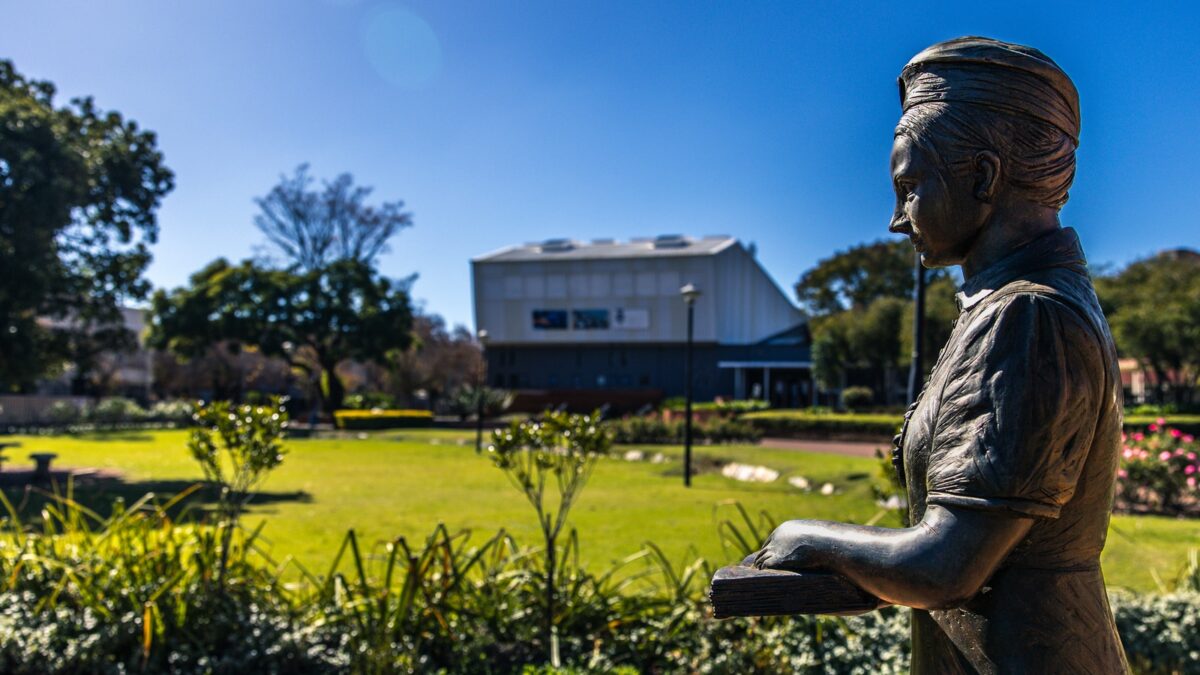
Afrikaanse Hoër Meisieskool is an institution with deep history and a culture of academic excellence, and was recognised as the top academic school in Gauteng in 2025.
Colloquially known as Meisies Hoër, the school’s history dates back to 1920 with the founding of the Afrikaanse Hogere Skool.
Established by Jan Joubert and Reverend Chris Neethling, it predated the recognition of Afrikaans as an official language and was considered a rebel school.
It is credited with pioneering the use of Afrikaans as a language of instruction in secondary education.
The school started with 44 students and 3 staff at 218 Visagie Street in Pretoria, the home of the late Boer General Piet Joubert, a fierce political rival of Paul Kruger.
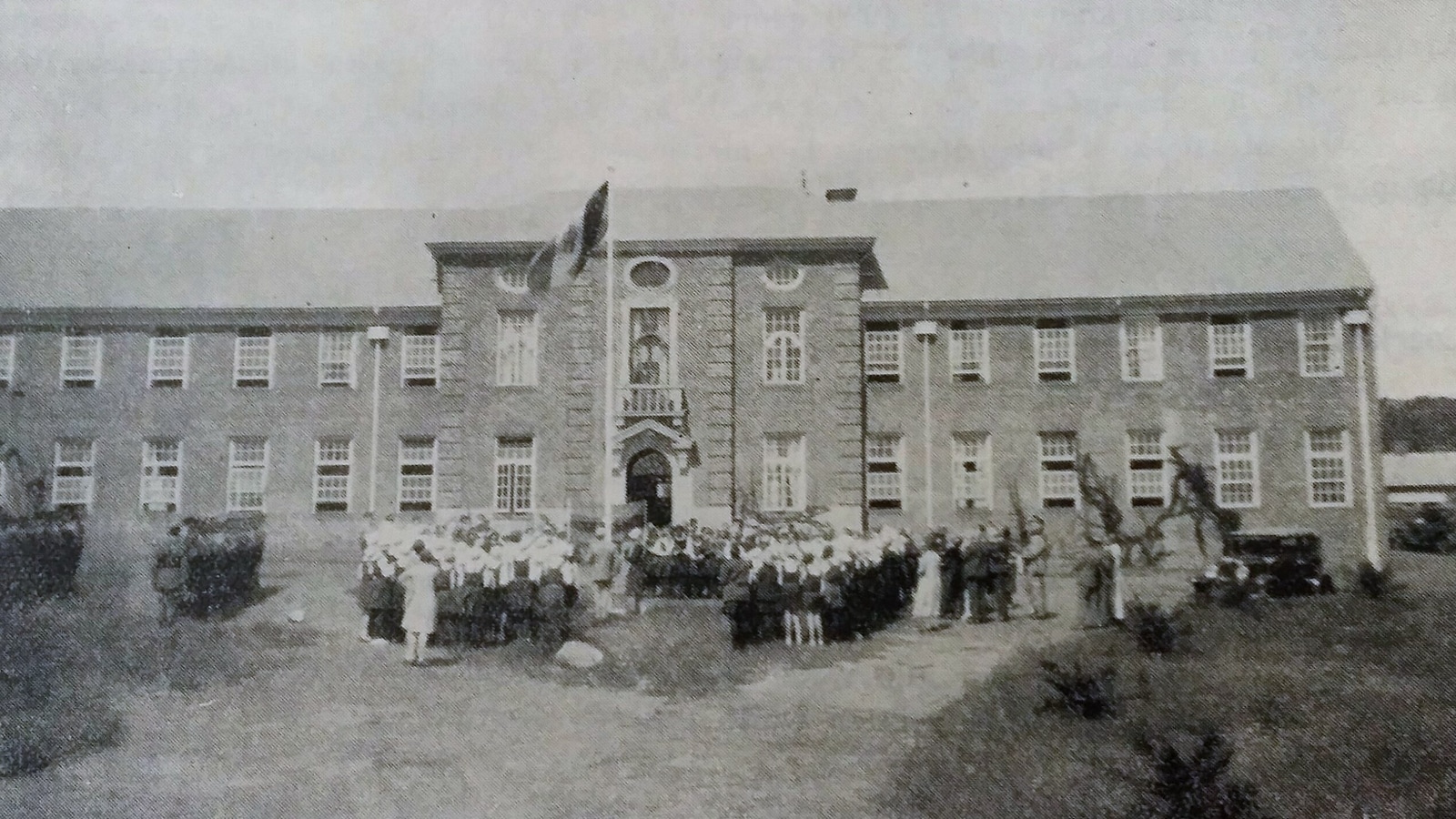
Afrikaans was officially recognised in 1925. Two years later, 314 students moved to the new school building in Bond Street, where Meisies Hoër still stands today.
The Afrikaanse Hogere Skool traded school grounds with the nearby Dutch school in 1928, and 324 students moved to the new building.
However, as student numbers grew, it was split into girls’ and boys’ schools in 1930, with the girls returning to the Bond Street grounds.
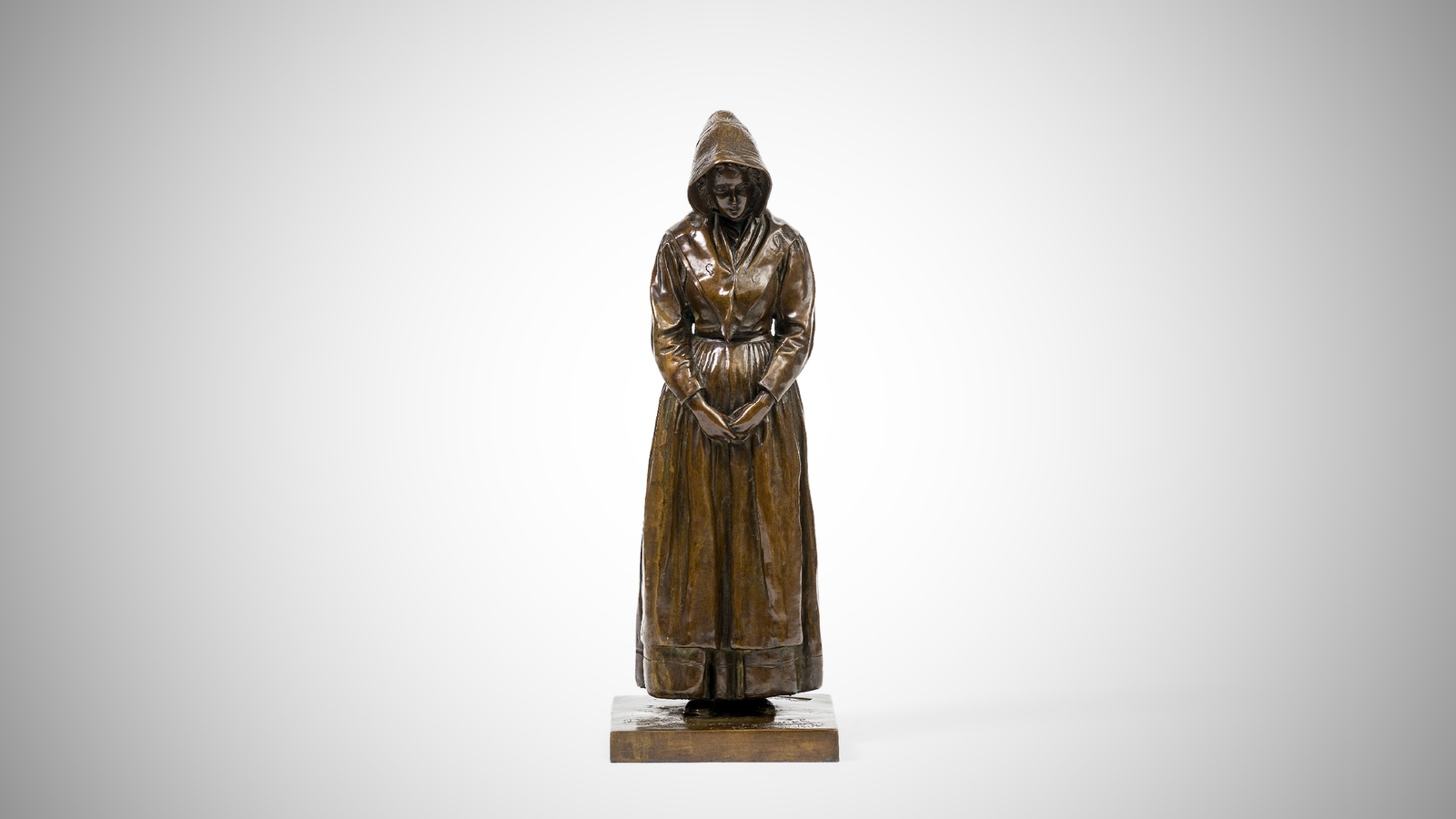
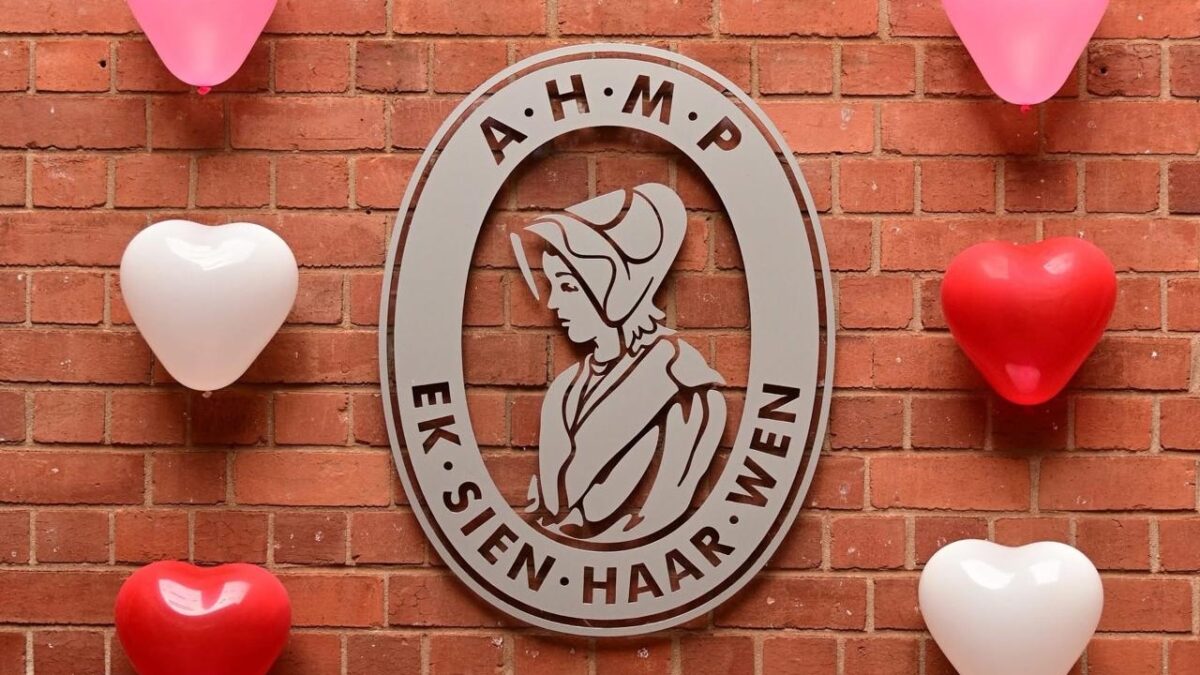
The profile of the Anton van Wouw sculpture “Noitje van die onderveld” (Maiden of the hinterland, or The simple country girl) was chosen as the school’s crest.
The school’s motto, “Ek sien haar wen” (I see her win), comes from the Jan FE Cilliers poem By die Vrouebetoging (At the Women’s March).
It built a boarding house, which received its first intake of girls on 20 March 1940. The school still offers boarding facilities for girls.
The original 1927 hall has been restored as the Gedenksentrum, displaying historic artworks and artefacts.
The restoration received a Herbert Prins Colosseum Award for imaginative reuse of an educational heritage building.
Ms Evelyn Verster served as the first headmistress of Afrikaanse Hoër Meisieskool, stepping down in 1944 when she married.
The school has had only 6 principals since its founding 96 years ago, with the women leading the institution serving long tenures.
Public school that performs like a private school
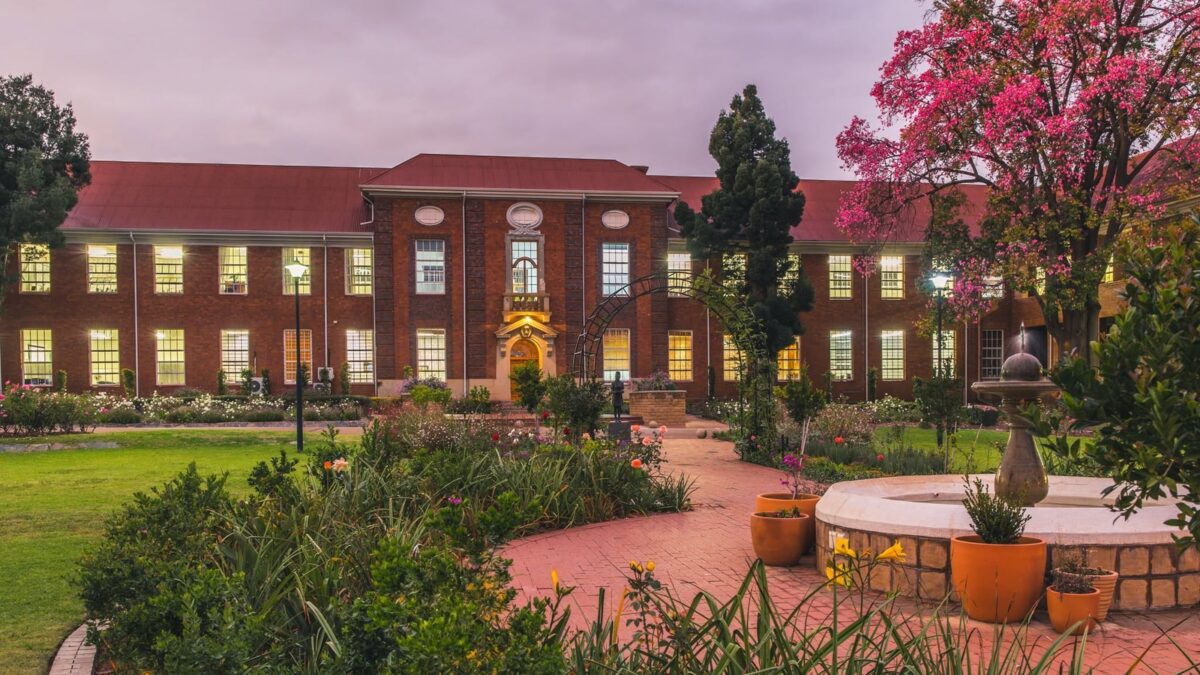
Today, around 1,300 girls attend Meisies Hoër at any given time, while its residence accommodates roughly 270 girls from across South Africa and Namibia.
The school’s current principal is Zinette de Wet, who was appointed in 2025 to replace Marna Jordaan, who had served as headmistress since 2008.
Although it achieves academic results comparable to those of elite private schools, Meisies Hoër remains a fee-charging public school.
In 2025, all 247 matriculants passed. After remarking, the matric class achieved 814 A symbols, averaging 3.3 distinctions per student.
It also achieved a 98% bachelor’s pass rate, which is the proportion of matric girls who gained entry to university.
84 pupils, about a third of the class, finished with overall averages of at least 80%. Five pupils earned eight distinctions each.
The school’s most notable alumni include Sandra Prinsloo, one of South Africa’s best-known stage and screen actors.
Prinsloo is internationally recognised for The Gods Must Be Crazy and celebrated for her extensive Afrikaans theatre work.
Several well-known actresses, filmmakers, writers, and producers attended the school, including Katinka Heyns, Lizz Meiring, Brümilda van Rensburg, and Annie Malan.
Sheila Cussons, an Afrikaans poet, also attended Meisies Hoër. Her honours included the Hertzog Prize for poetry.
Another notable alumnus is Justice Annali Basson, a labour-law scholar and High Court judge who has served as an acting judge of the Constitutional Court.
More recently, Meisies Hoër produced Duné Coetzee, a swimmer who represented South Africa in the 2020 Tokyo Olympics.
Afrikaanse Hoër Meisieskool has deep traditions, including making all girls feel special on their birthdays.
Whenever someone has a birthday, her classmates and friends pin flowers to her clothes. Staff birthdays are also celebrated this way.
All day, the person walks around with a flower wreath and other floral decorations, and is wished a happy birthday by everyone she meets.
At every Monday assembly, the week’s birthdays are read out, and if someone has a birthday over the weekend, she gets her flowers on Friday.
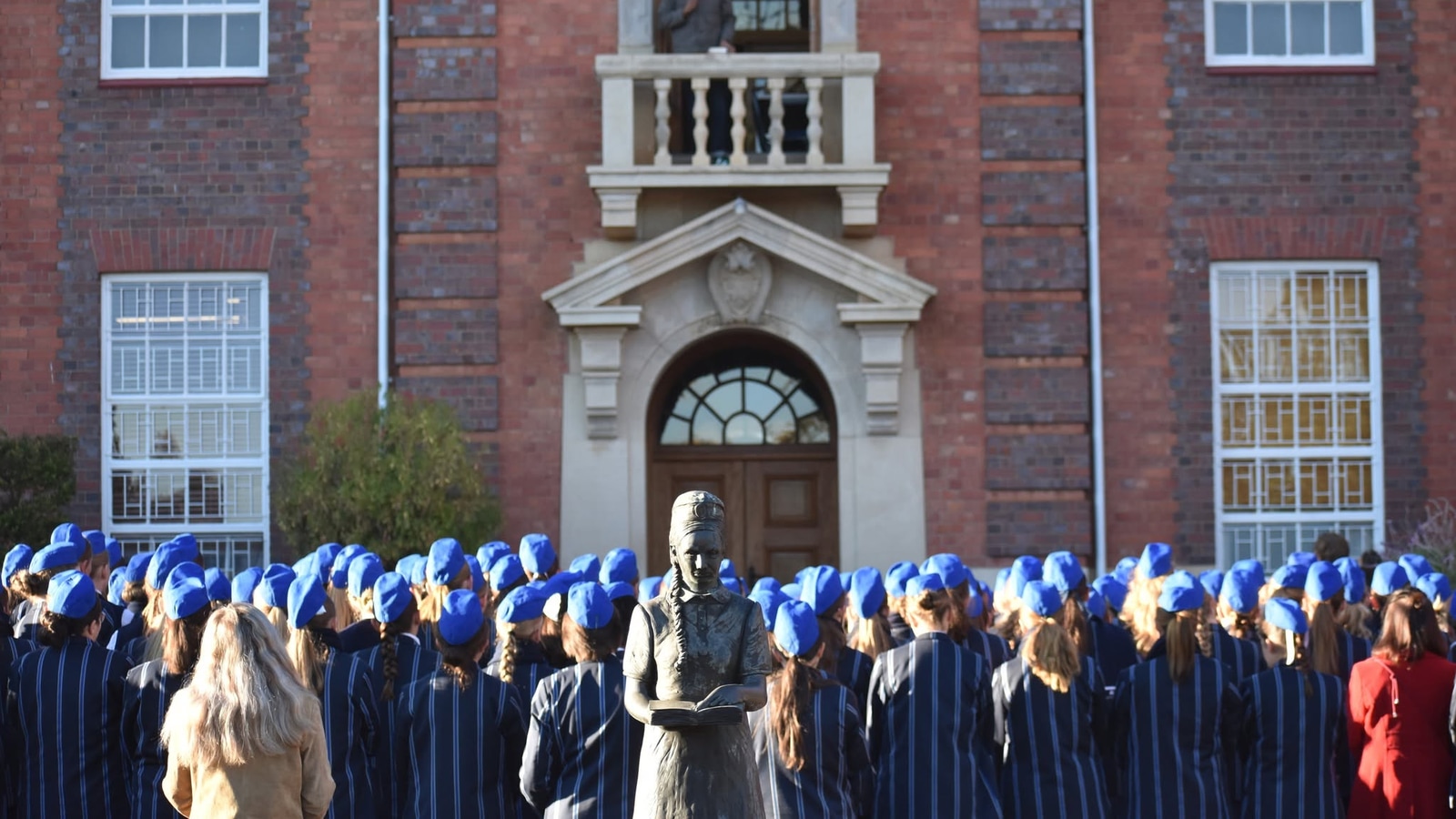
The end-of-year “keppie parade” for matrics is very poignant. “Keppie” is the nickname given to the distinctive blue caps girls wear as part of their uniform.
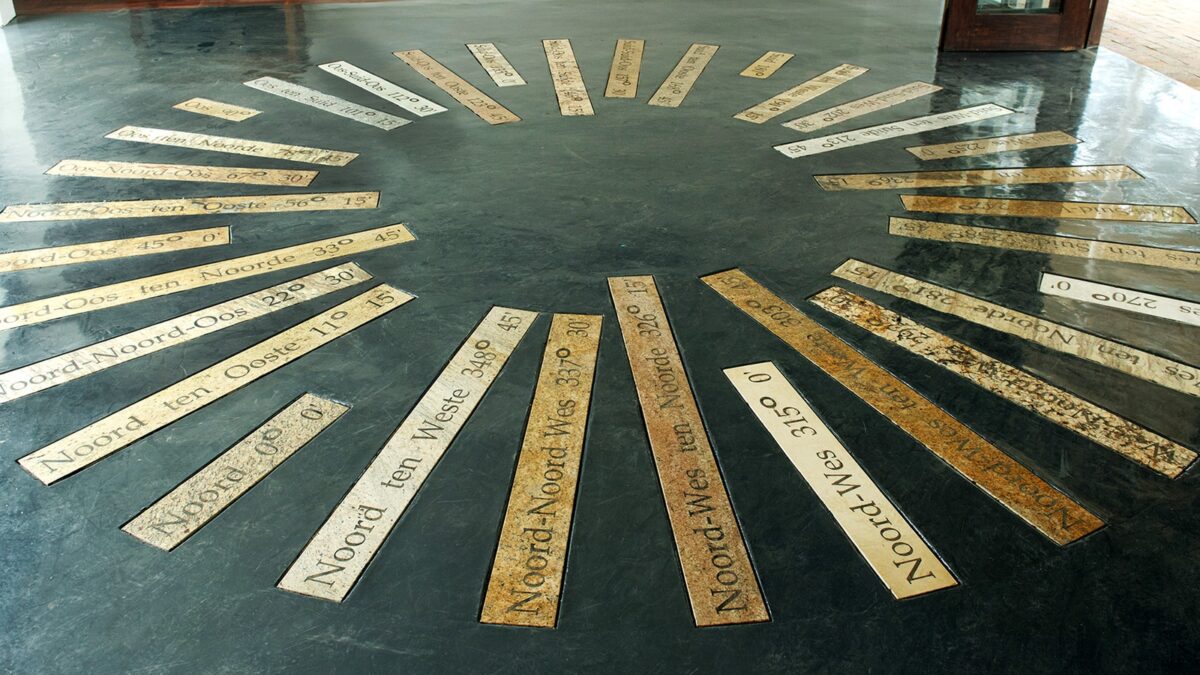
For the parade, the principal stands in the foyer of the school hall, where she removes the keppie of every matric girl.
Students are greeted and wished good luck and success, after which they walk across the mosaic compass on the foyer floor.
This symbolises the end of her time at school and her path forward. It is not a severing of ties, but a memorial for a time that has passed.
Meisies Hoër girls leave school knowing that they are “Always an Affie” and have received one of the best educations available in South Africa.
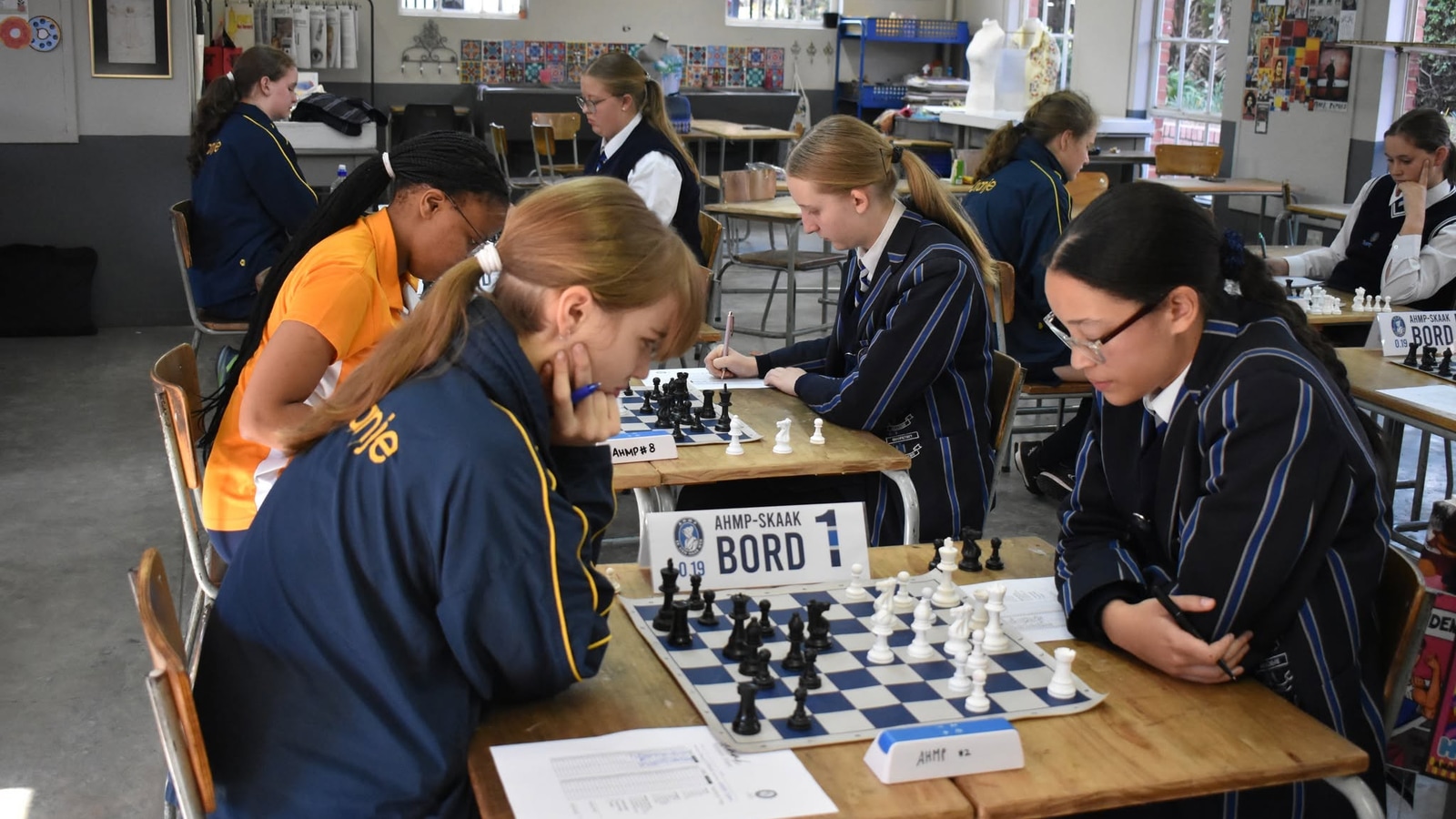
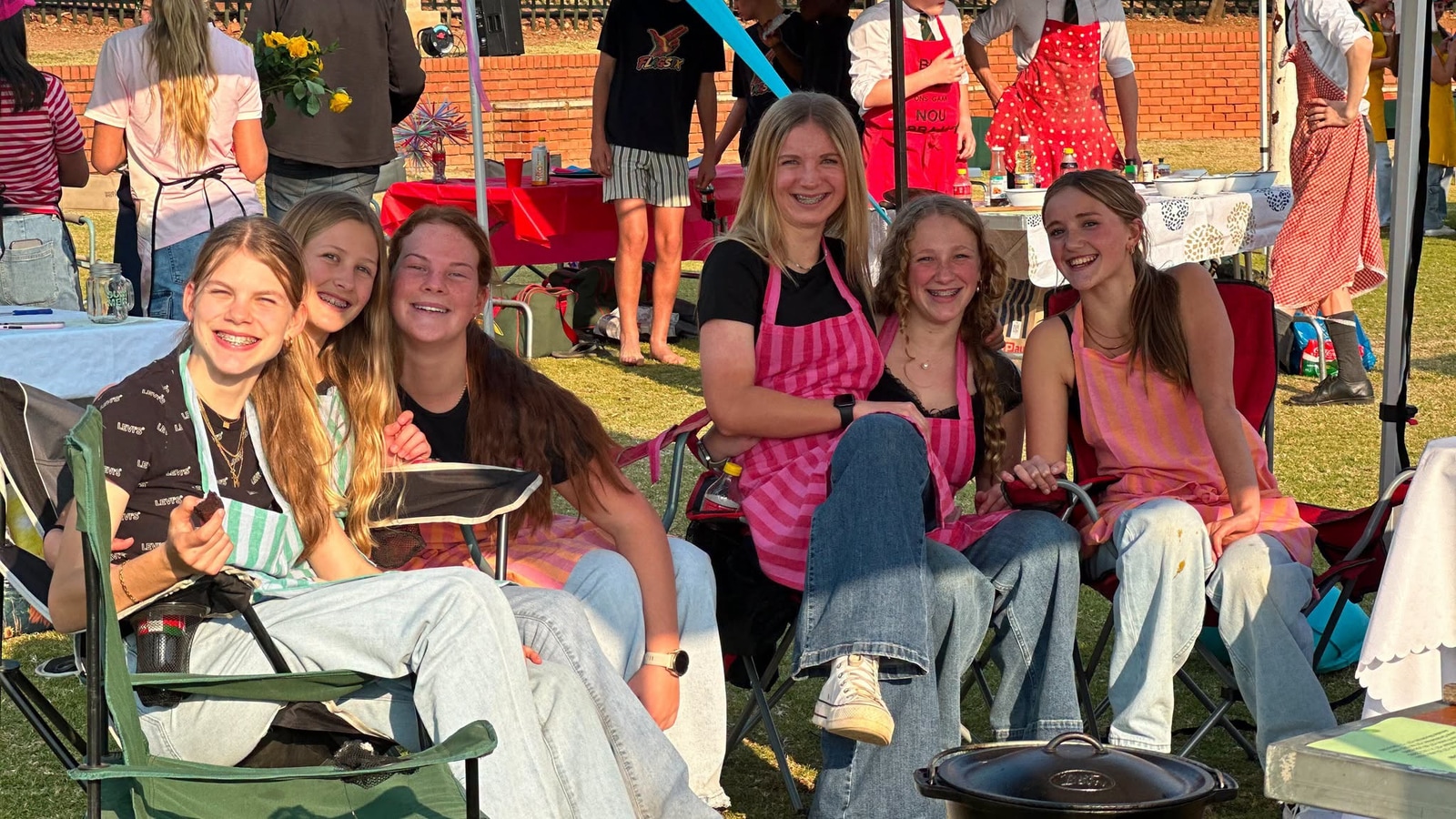
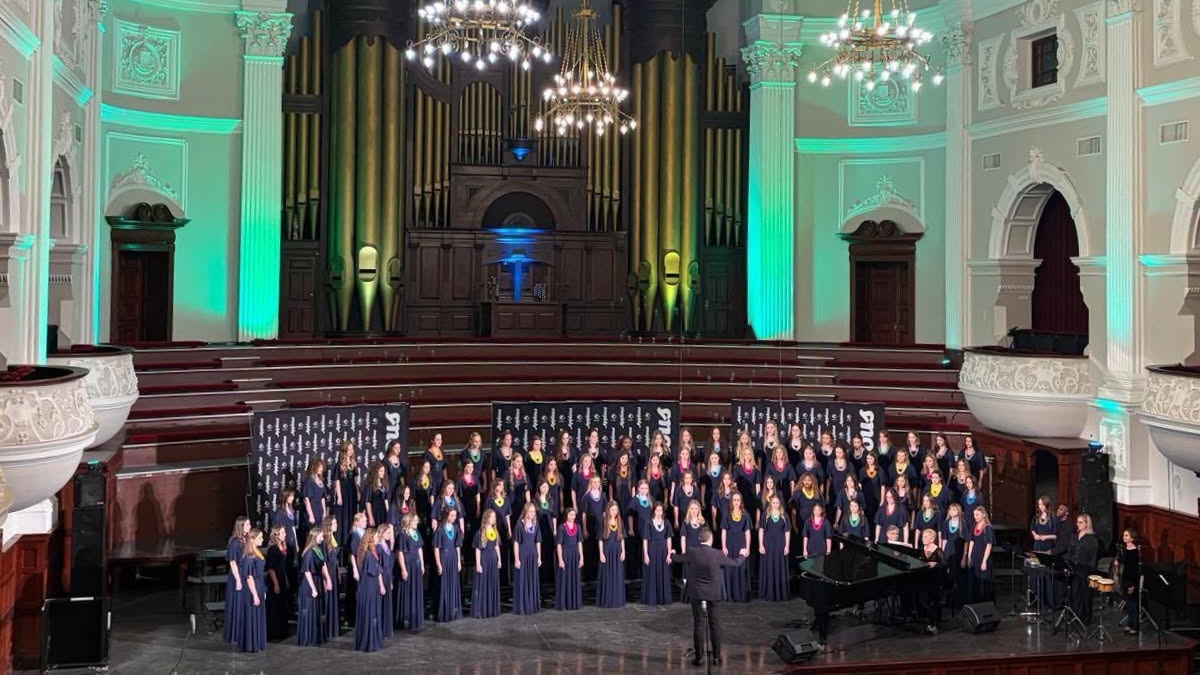
Afrikaanse Hoër Meisieskool Photos











 Loading ...
Brilliant! This surely causes severe chest pains for Pandor etc