
Bad news for South Africans with home loans and paying off a car


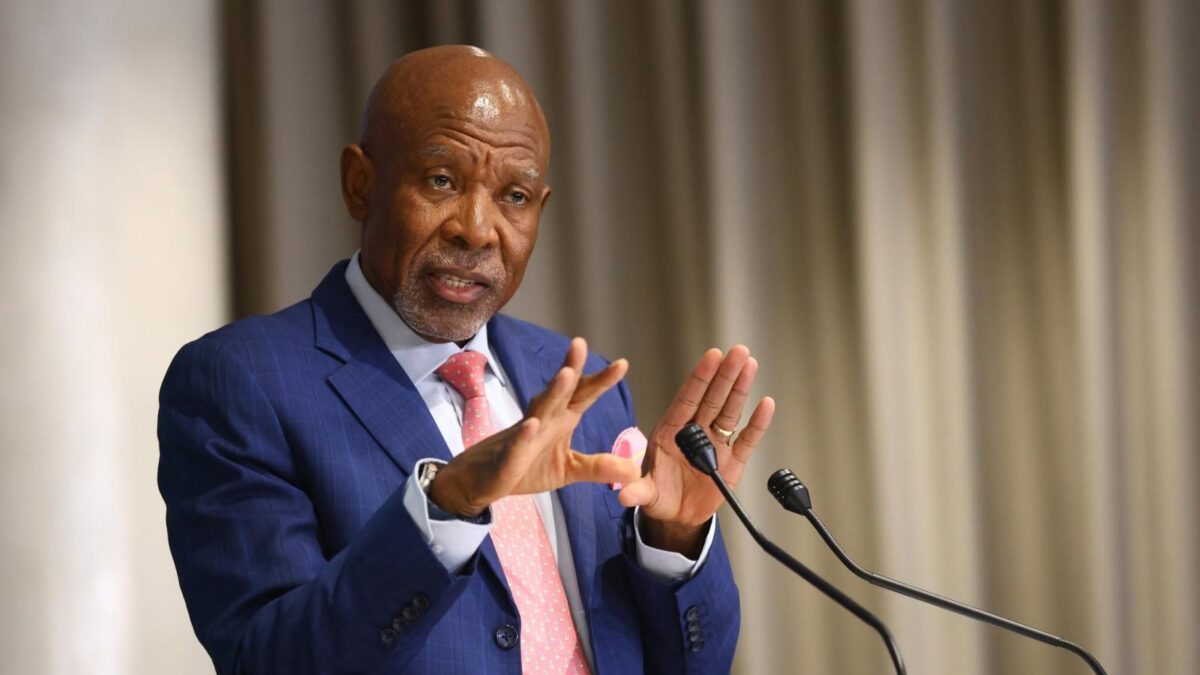
South African inflation was higher than expected in June, which means the South African Reserve Bank is likely to increase interest rates.
The Reserve Bank has an inflation target of 3% and uses interest rates as the tool to ensure it meets it.
When inflation is significantly above the 3% target, the central bank will raise interest rates to make borrowing more expensive.
When people and businesses borrow less and spend less, demand decreases, which, in turn, lowers inflation.
Higher interest rates also negatively affect the economy. People with home loans or paying off a car will pay more to service their debt.
They will, therefore, have less disposable income to spend on other things, which, in turn, puts pressure on the country’s gross domestic product.
South African inflation picked up more than expected in June, bolstering expectations that the Reserve Bank will deliver a second consecutive interest rate hike on Thursday.
Annual headline consumer inflation accelerated to a two-year high of 5.0% in June from 4.5% in May, data from Statistics South Africa showed on Wednesday.
Economists polled by Reuters had expected a reading of 4.7%, which means that the inflation was much higher than predicted.
The transport category was the largest contributor to both the annual and monthly rises in the Consumer Price Index, as the Iran war sent fuel prices sharply higher.
Annual core inflation, which strips out volatile items like food and energy, came in at 4.1% in June, above economists’ forecast of 3.9%.
The South African Reserve Bank aims to keep inflation at 3% and will announce its next interest rate decision on Thursday.
The majority of analysts polled by Reuters predicted a rate hike even before Wednesday’s inflation reading.
“The table is laid for a 25 basis point hike in interest rates,” said independent economist Elize Kruger.
Since the last policy meeting in May, a survey showed a sharp rise in inflation expectations, a measure closely watched by the central bank.
The bank raised its inflation forecasts for 2026 and 2027 to 4.4% and 3.7%, respectively, in May, from previous estimates of 3.7% and 3.3%.
Standard Chartered economist Razia Khan also predicted that the South African Reserve Bank will increase rates.
“The unexpected upside surprise in the June CPI print, along with the deterioration in household inflation expectations, both seal the case for July tightening,” Khan said.
Reporting with Reuters







 Loading ...
Ag we all know that decisions of the reserve bank is NOT based on facts and definately NOT to fight inflation! Somehow higher interest rates is beneficial to the ANCriminality of which kganyago is a member!