
The woman who exposed the Steve Biko cover-up and now wants to become Johannesburg mayor


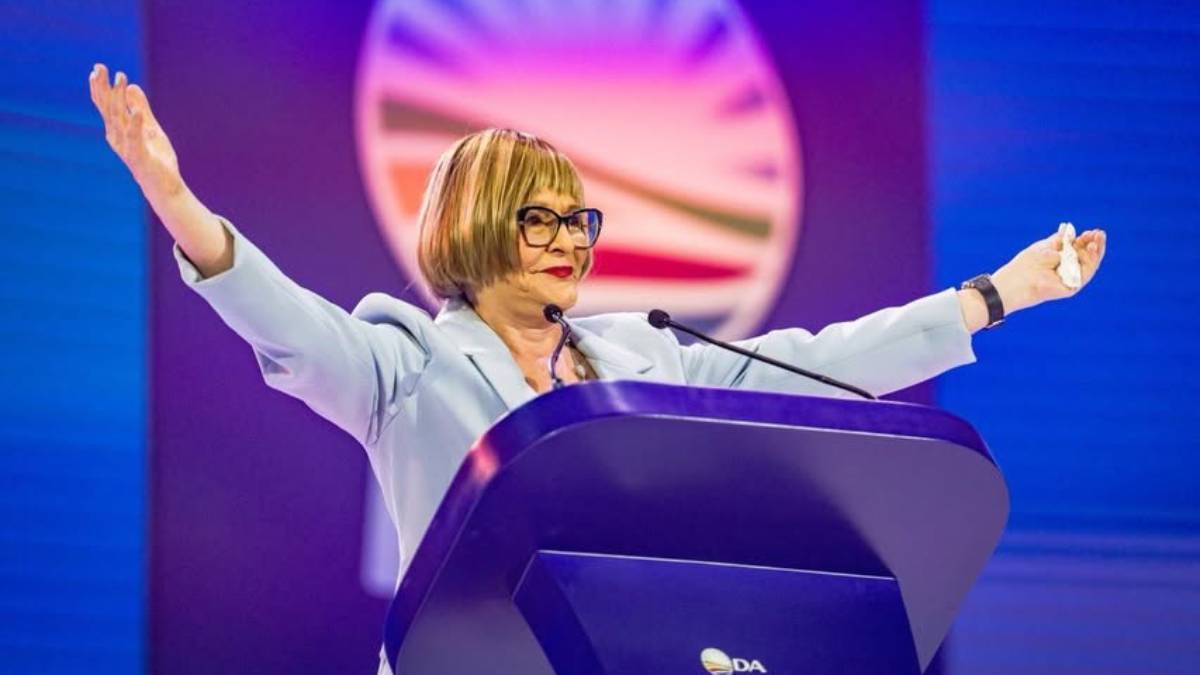
Helen Zille is best known as a former leader of the Democratic Alliance (DA). However, long before she became a politician, her journalism exposed the horrific circumstances behind Steve Biko’s death.
Zille was born in Hillbrow, Johannesburg, in 1951 to two German nationals who had emigrated to South Africa to escape Nazi persecution.
Both of her parents had a single Jewish parent, which was enough to put them at risk during the Nazi regime.
By the time Zille was born, the Nazi regime had been dismantled, but her upbringing would remain fiercely political.
Having experienced the Nazi regime, her parents were particularly critical of the Apartheid regime, and her mother was even an early member of the Black Sash, an anti-apartheid organisation for women.
As a result, Zille was acutely aware and critical of the injustices imposed on Black South Africans during apartheid.
After attending St Mary’s School in Johannesburg, she studied at Wits University, where she received a Bachelor of Arts degree.
Alongside her studies, Zille joined the Young Progressives movement, a student group that opposed the apartheid regime.
After graduating from Wits University, she began her journalism career as a cadet reporter in 1974 and rose to become a prominent political reporter over her eight-year career.
It was during 1977, however, that her most notable journalistic achievement occurred.
Exposing the truth behind Steve Biko’s death
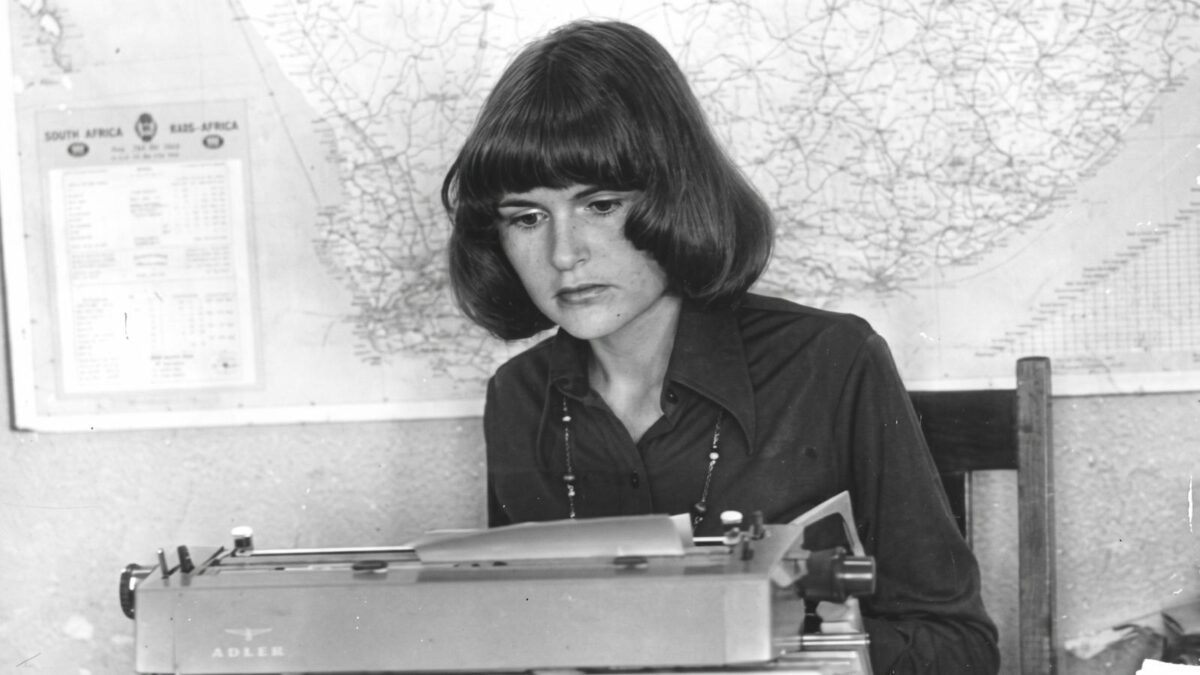
Black Consciousness Movement leader Steve Biko famously died in police custody in 1977. The apartheid government claimed that his death was due to natural causes.
However, the budding young journalist Helen Zille investigated the case further.
Her findings were shocking. Biko had not died of natural causes. Instead, he had been beaten to death, suffering severe brain injuries in the process.
Zille and her editor at the Rand Daily Mail, Allister Sparks, were brought before the Press Council for publishing the story.
Despite the prominent state censorship of the time, as well as threats from the Apartheid government, they stood by the articles.
This event was one of several key factors that gave Zille the legitimacy to become a prominent political figure in post-Apartheid South Africa.
A pathway to politics
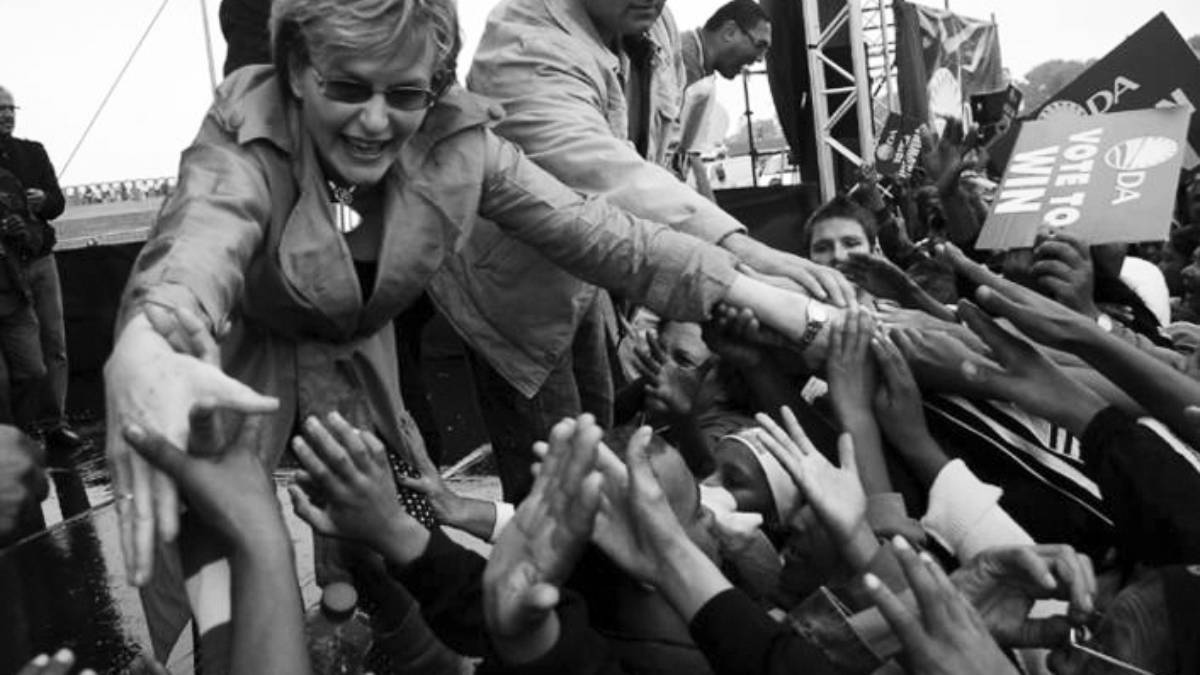
Another factor that led Zille into a career in politics was her post-journalism activism in the 1980s.
During this time, she contributed to several major anti-apartheid organisations, including the Black Sash, the same organisation her mother had been part of.
In the late 1980s, she founded her own public policy consulting firm, and in the early and mid 1990s, she became one of the strongest voices in education policy and reform.
This saw her clash with the South African Democratic Teachers Union as the head of a school governing body.
Her links to education were how her affiliation with the DA (then Democratic Party) first began.
After consulting and serving as an advisor to the party on education-related issues, she joined the party more fully as a member of the Western Cape Provincial Parliament in 1999, serving as the MEC for Education.
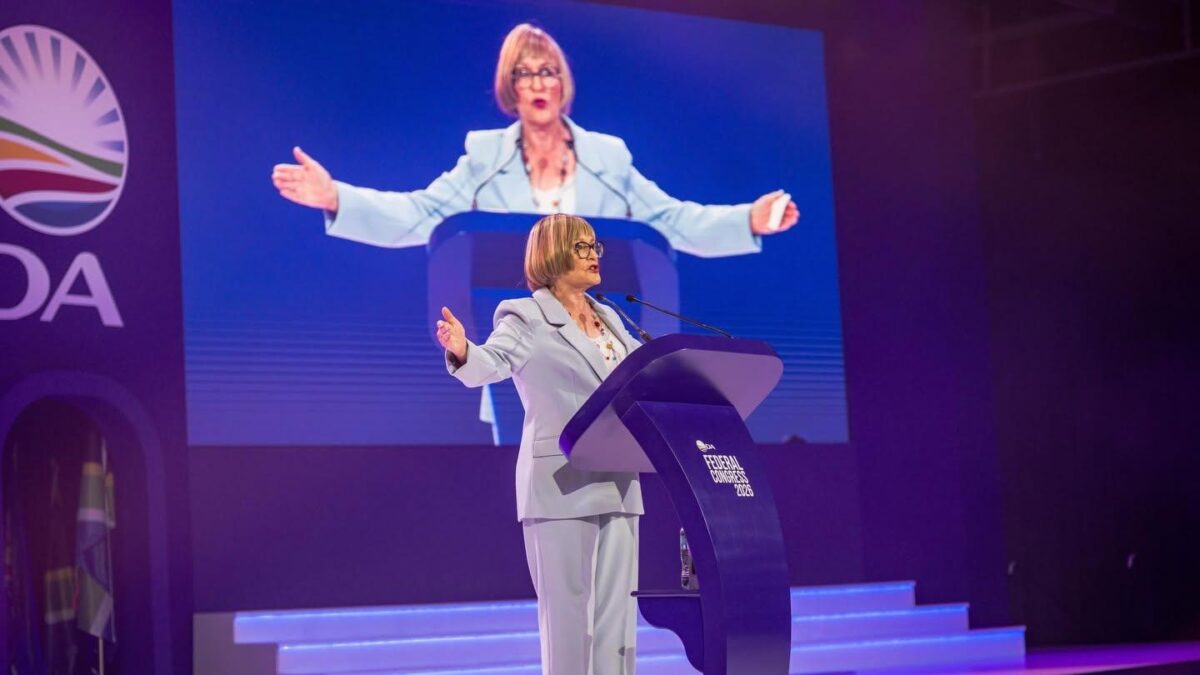
Now, 27 years on, Zille remains one of South Africa’s most prominent political voices as a former leader of the DA, and most recently as the DA’s mayoral candidate in Johannesburg.
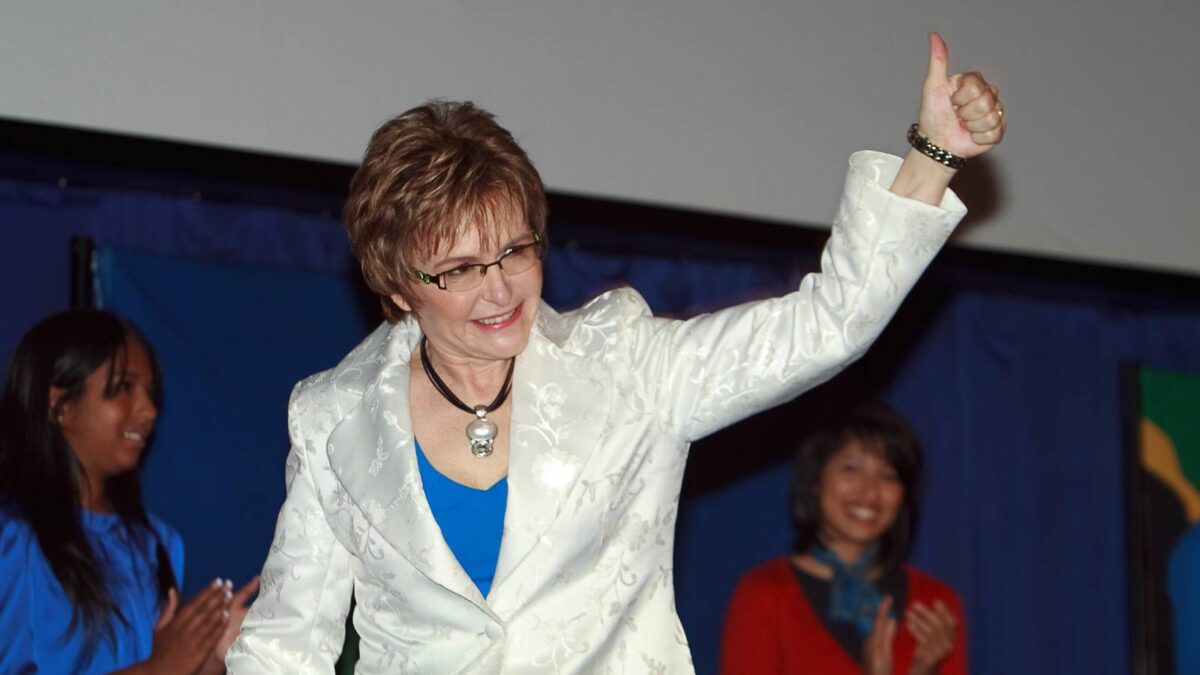
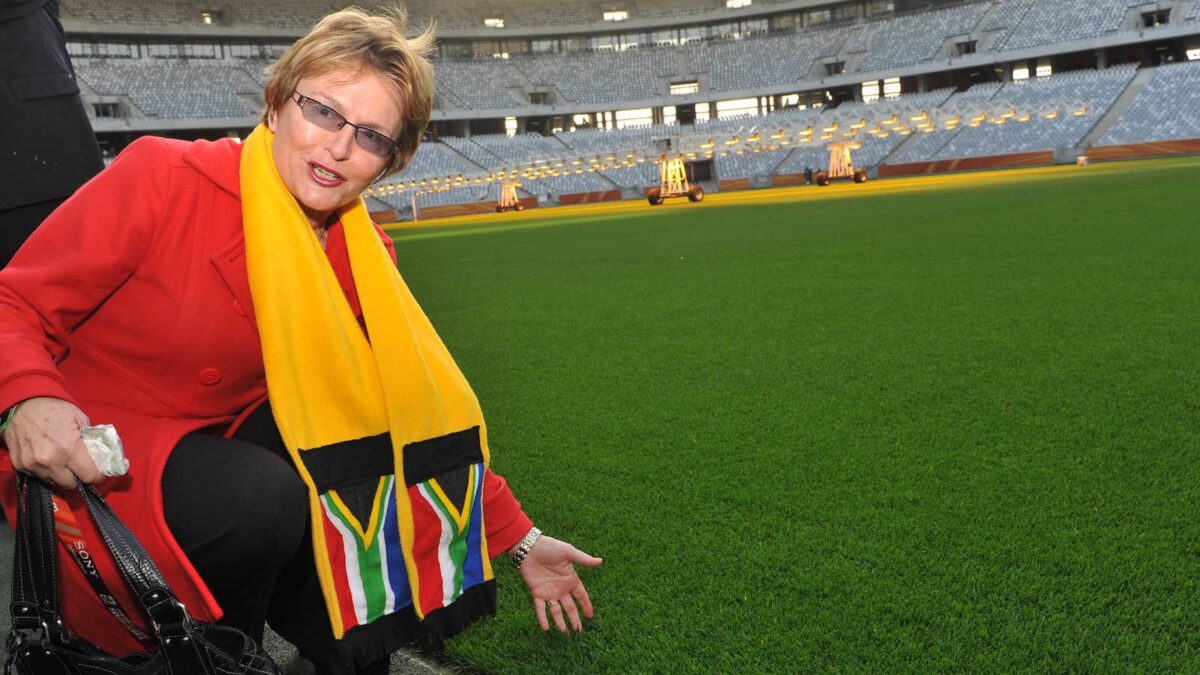
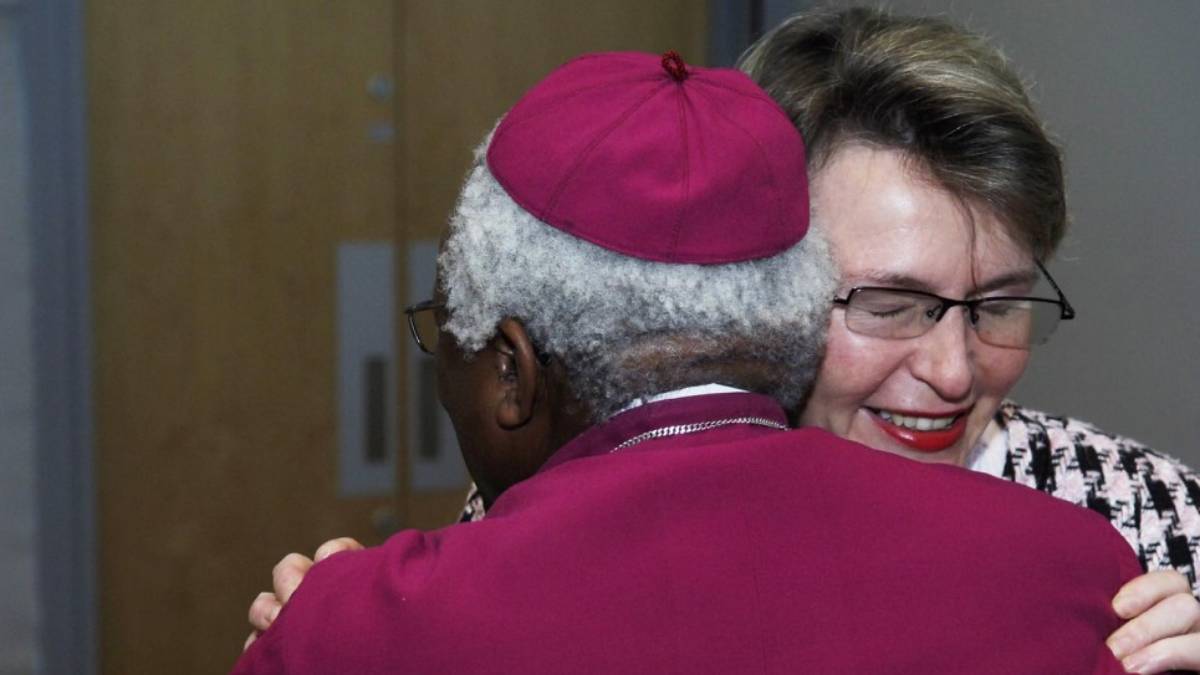
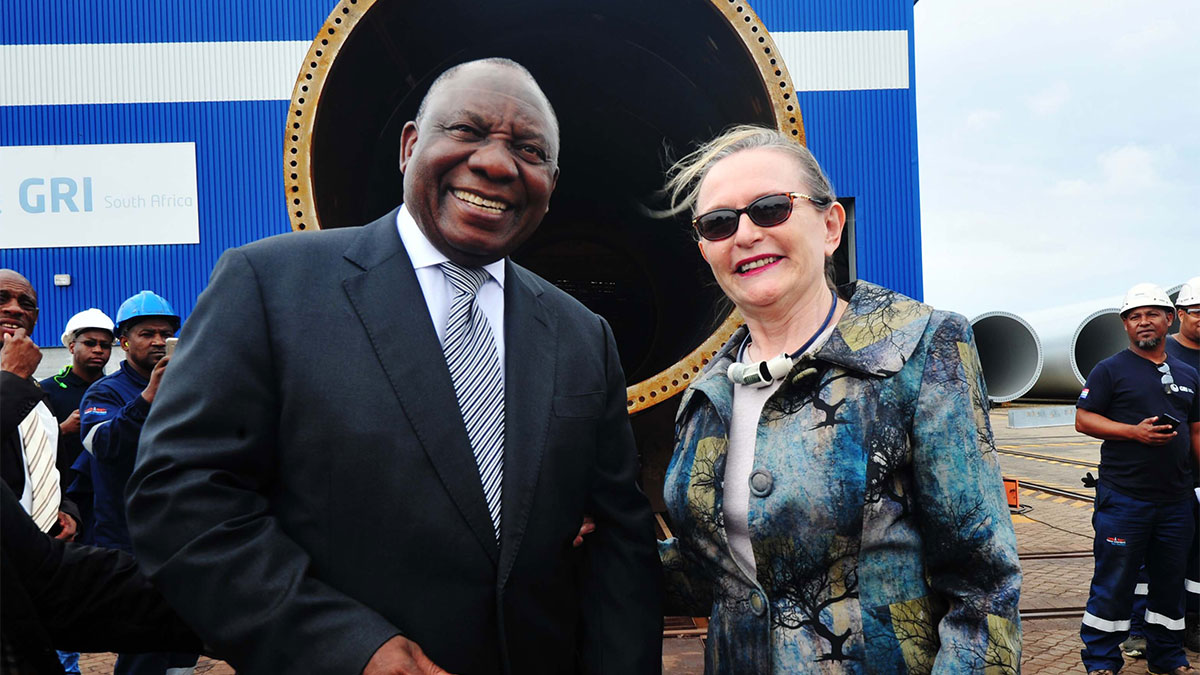
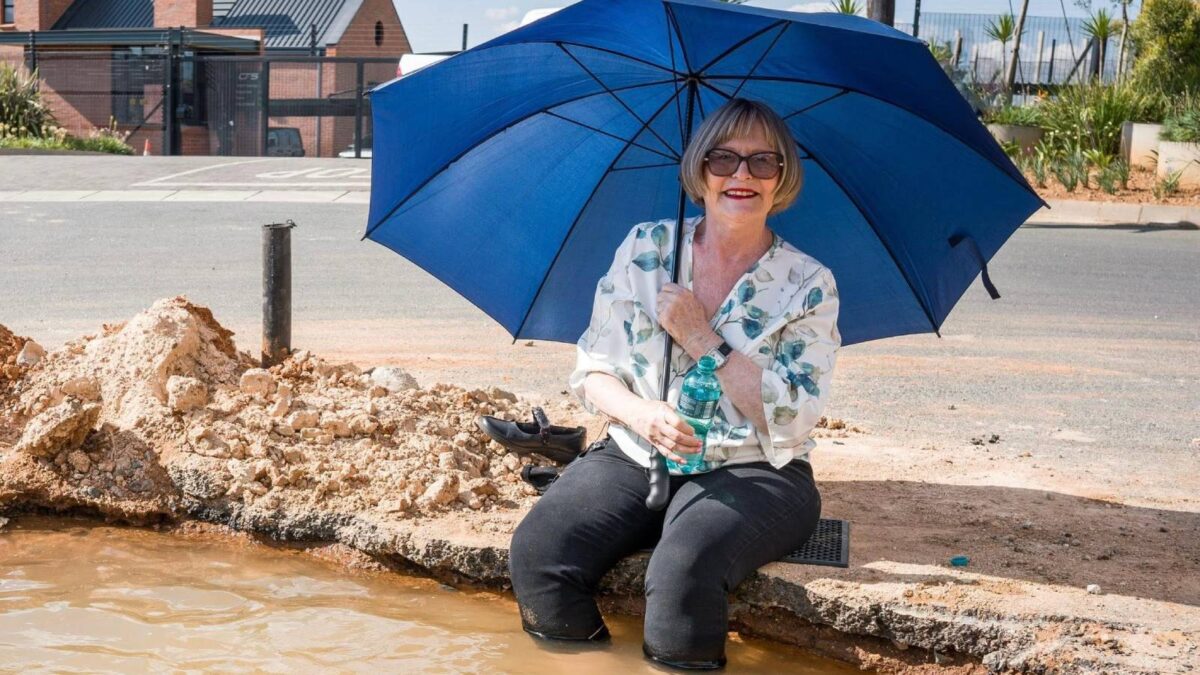
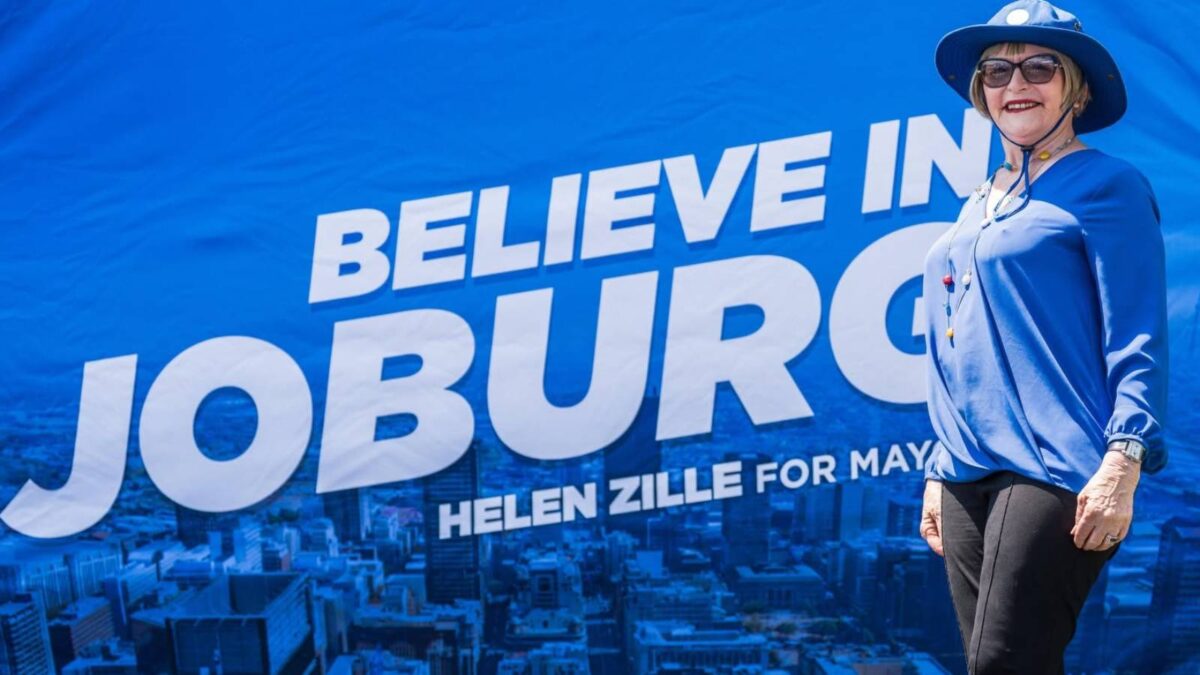
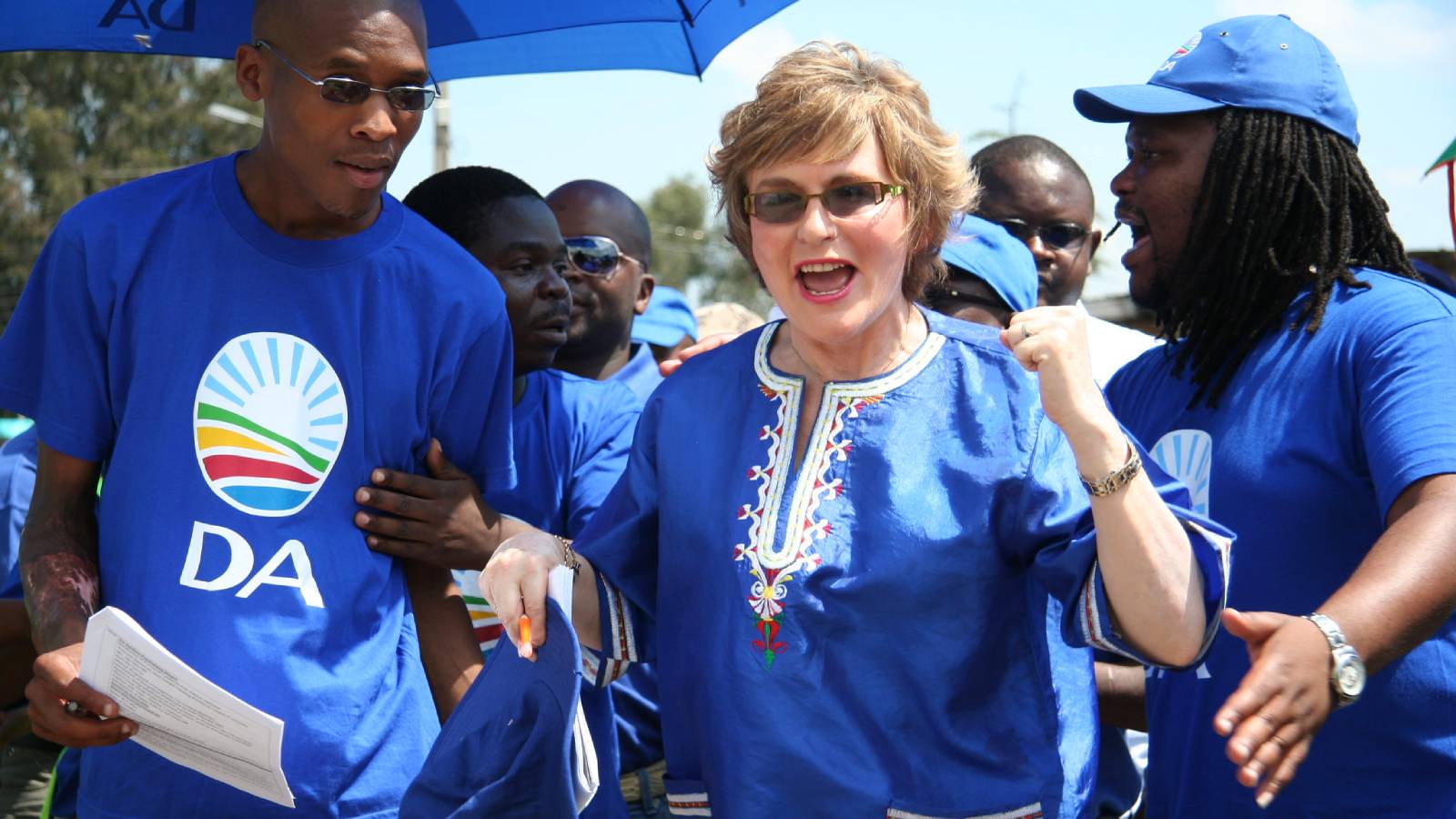
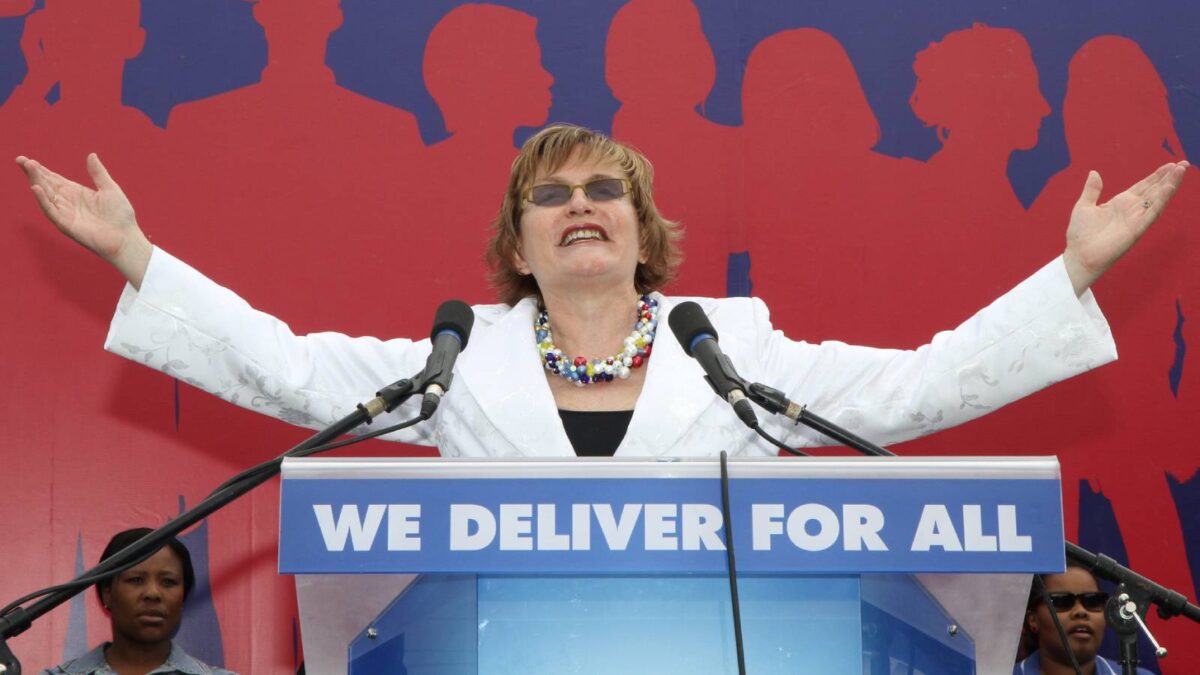
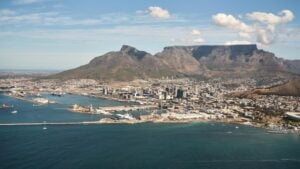
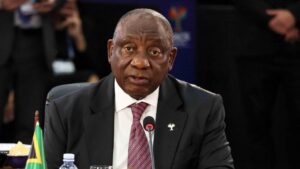
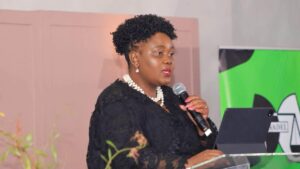
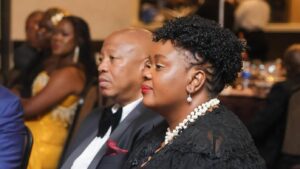
Photos of Helen Zille





 Loading ...
Her political credentials might be good for history, but it still doesnt make her suitable for emancipating black people under this quagmire of post apartheid racial segregation and 30yrs of corruption and broken promises. Go ask the blacks in Cape Town and they will attest to this. Your past might be good, but we will also judge you by your presence. Just because the devil was an angel in heaven, does not mean he is an angel in hell !!!