
Swine flu outbreak devastating farms in South Africa’s richest province


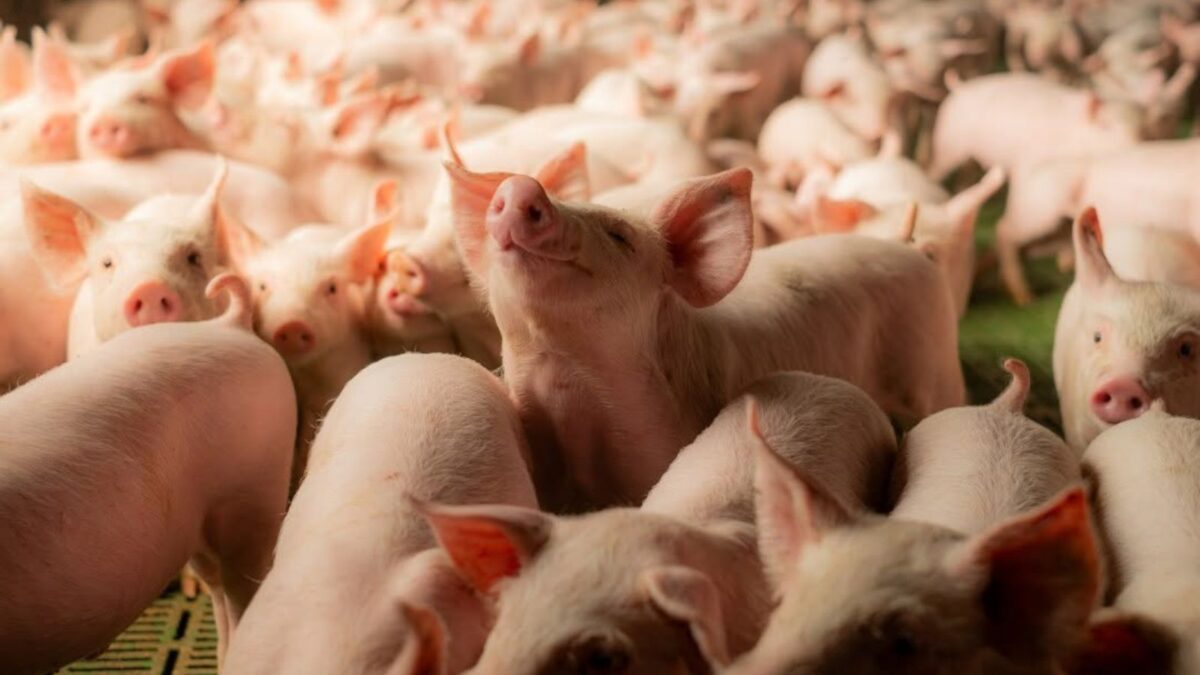
A swine flu outbreak is devastating farms in Gauteng and has already caused approximately R10 million in losses.
Swine flu is a highly contagious disease that affects pig farming, a major industry in the Tshwane area.
The farmland surrounding the metro is home to both small-scale and commercial pig farms, both of which have been hit by the outbreak.
Currently, there are 11 registered commercial pig farms in the Tshwane region, and 71 smallholder and emerging operations.
Since November 2025, seven swine flu outbreaks have been confirmed in the Tshwane region across several farms.
The outbreak has affected 69,000 pigs, and farmers have been forced to cull 60,000 of their livestock so far.
The South African Pork Producers Association (SAPPO) said the costs of culling, labour, and disposal have exceeded R10 million.
This does not include the losses that affected farmers will incur due to reduced livestock numbers and possible future culling.
The farming sector in Gauteng is already under pressure from the ongoing Foot and Mouth Disease (FMD) outbreak plaguing the country.
FMD has been an ongoing challenge for farmers, and past government initiatives have failed to address it.
Recently, Minister of Agriculture Willie Aucamp announced a new system for administering FMD vaccines, boosting support from the private sector.
This system is intended to speed up the response to FMD by allowing private groups, such as farmers and veterinarians, to procure their own FMD vaccines.
The system has changed from its previous format, where the government was solely responsible for procuring and administering the vaccines.
This outbreak primarily affects cattle and dairy farms, but both of these diseases pose a significant threat to food security in the province.
Both outbreaks threaten the livelihoods of farm owners and workers, who often operate on small profit margins.
The provincial response
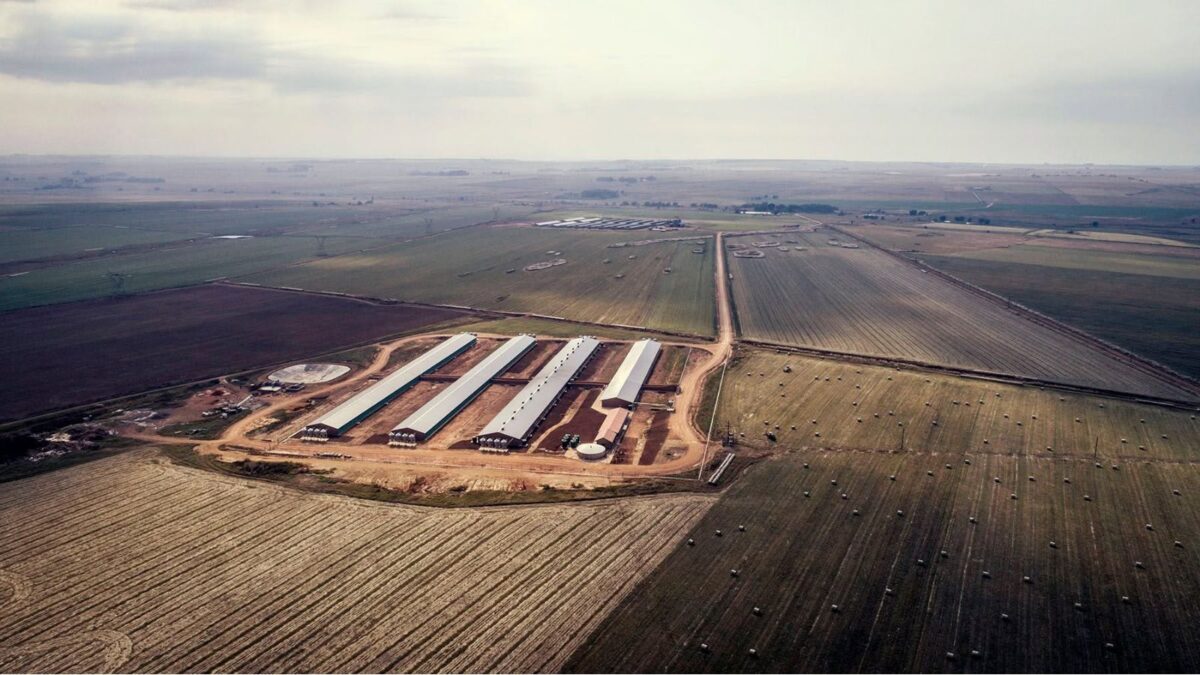
Gauteng’s MEC for Agriculture and Rural Development, Vuyiswa Ramokgopa, said the provincial government is currently providing advisory and supervisory support to affected farmers.
She said her department was currently communicating with the national government, SAPPO, and private veterinary groups to create an action plan.
The Democratic Alliance (DA) were critical of the current approach, saying that the province should be doing more to support farmers.
“While cooperation is important, Gauteng farmers need more than advice after a disaster has already struck,” it said.
It said Ramokgopa should create a response plan to the outbreak and provide an updated map of the affected areas.
This would be alongside regular public updates and a full account of the losses experienced by Gauteng’s farmers.
It said the swine flu outbreak was a sign that Gauteng’s provincial agriculture department needed to be proactive in fighting environmental risks.
Both FMD and swine flu have placed pressure on the agricultural sector, with current plans focused on containing existing outbreaks rather than addressing potential new ones.
“ASF and FMD are warning signs of a wider failure in provincial animal-health preparedness,” the DA said.
“It is unacceptable that farmers are left facing mass culling, rising costs and uncertainty while the department continues to offer vague assurances.”
“Every outbreak that is not swiftly contained threatens livelihoods, food supply chains and consumer confidence.”
Unlike FMD, swine flu in South Africa lacks an effective, widely available vaccine to manage livestock outbreaks.
Therefore, most farms have to rely on strict quarantine measures and movement controls to prevent outbreaks from spreading.
While these methods can help mitigate the effects of ongoing outbreaks, they are not foolproof and can still allow the disease to spread.








 Loading ...