
Real reason behind South Africa’s national shutdown


Democratic Alliance (DA) leader Geordin Hill-Lewis has spoken out against the proposed June 30 national shutdown, saying that a stagnant economy is the real reason for South Africa’s struggles.
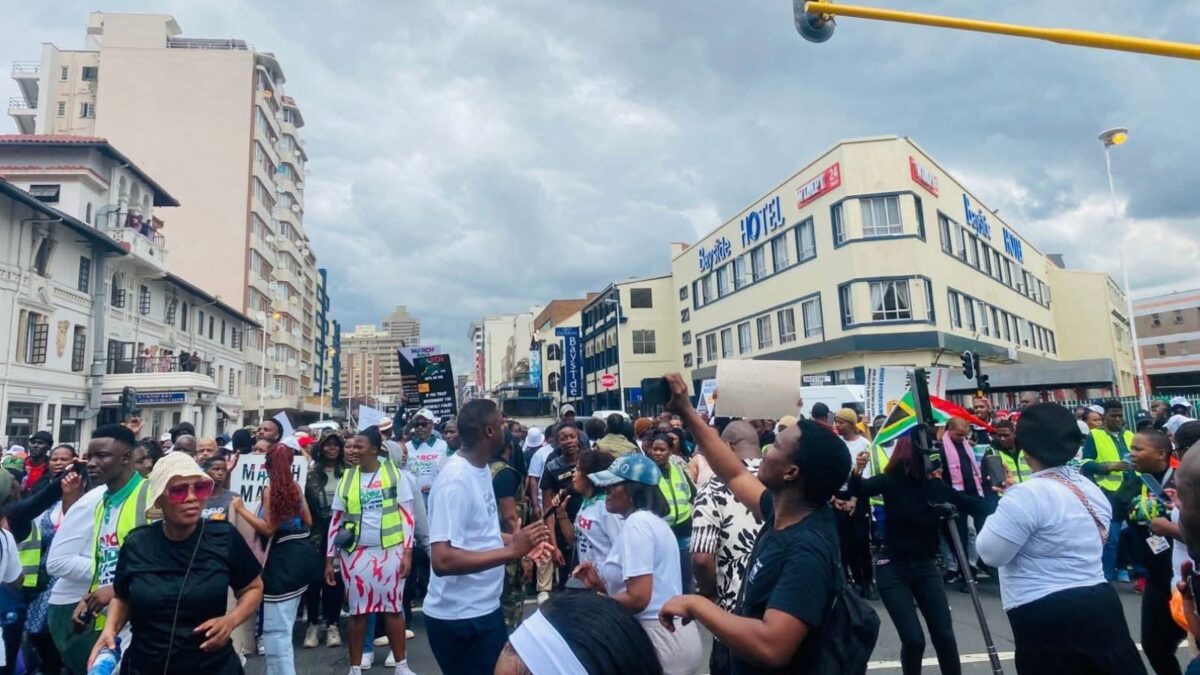
Hill-Lewis made these statements during a speech in Cape Town, where he addressed growing concerns about potential protests against illegal immigration.
These protests, organised by groups such as March and March, have sparked fears in South Africa about possible unrest or violence.
While organising groups insist that these protests are meant to be peaceful demonstrations, three people have been killed in anti-immigration marches to date.
In Mossel Bay, two Mozambican nationals were killed following protests, along with a Malawian refugee killed in Pietermaritzburg.
Many business owners have also alleged that protestors use intimidation tactics against their businesses in areas affected by demonstrations.
Hill-Lewis called for calm, saying that South Africans are not hateful people and should not resort to violence.
He also criticised people calling for violence or mob justice in these protests, where demonstrators will sometimes demand to see the immigration documents of local business owners.
“These people are not leaders. Their words promise only violence and chaos for our country,” he said.
He added that South Africans should not blame illegal immigration for South Africa’s lack of jobs.
The growing negative sentiment towards immigration has emerged amid record-high unemployment in the country, fuelling the anger of many citizens.
During immigration protests, demonstrators often say that illegal immigrants are taking jobs away from South Africans.
Hill-Lewis disagreed with this, saying that the country’s poor economic state is fuelling the unemployment crisis.
“We’re in this position because South Africa’s economy is simply not growing nearly fast enough to create jobs,” he said.
The problem facing South Africans is not a small business owned by a foreign national, but an economy which does not grow.
South Africa’s economy has created a crisis
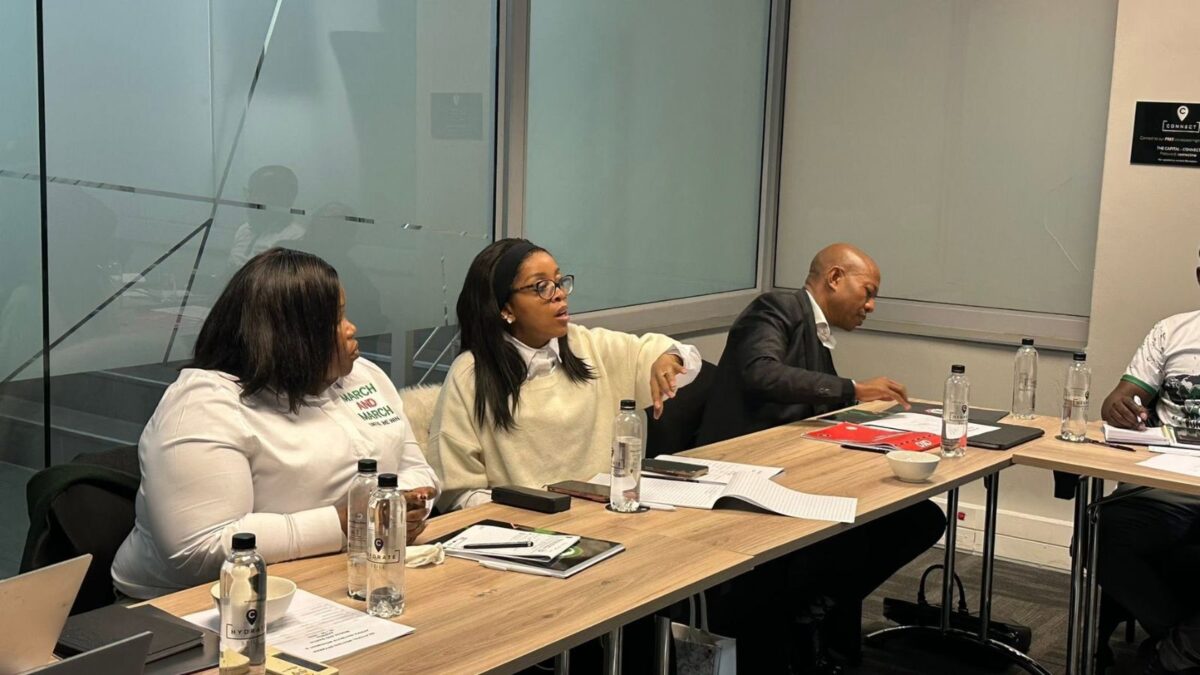
Wits associate professor Justin Visagie shared his view on the current state of South Africa’s economy on The Money Show
He said that in the last ten years, South Africa has created only about 130,000 new jobs, while the total working population has grown by roughly 4 million.
He said that for South Africa to fix its unemployment crisis, the economy would have to double in size overnight.
He also said that even if South Africa had a GDP growth rate of 3%, it would take 50 years for the country to right its unemployment problem.
The country is currently facing an extraordinary unemployment rate, with the average reaching 32.7% at the beginning of 2026.
The youth unemployment rate tells a far more troubling story, with unemployment among those aged 25 to 34 exceeding 40%.
Visagie said these numbers pose a threat to South Africa, as young South Africans lack opportunities to participate in the economy.
He also dismissed the idea that South Africa’s informal economy was driving job growth, believing that job opportunities in that sector are being accurately reported.
The informal economy includes businesses operating in township areas, which might not have their job creation counted in South Africa’s figures.
These unemployment figures paint a harsh picture for young South Africans, who struggle to find work and provide for themselves and their families.
The anti-immigration marches happening across the country come at a time where South Africa’s youth are angry about the current state of the nation.







 Loading ...
This all is ANC planned as usual. We will see either make or break of SA this week. I see another commission coming soon.