
South Africa’s largest asset manager lost R2 billion on one investment


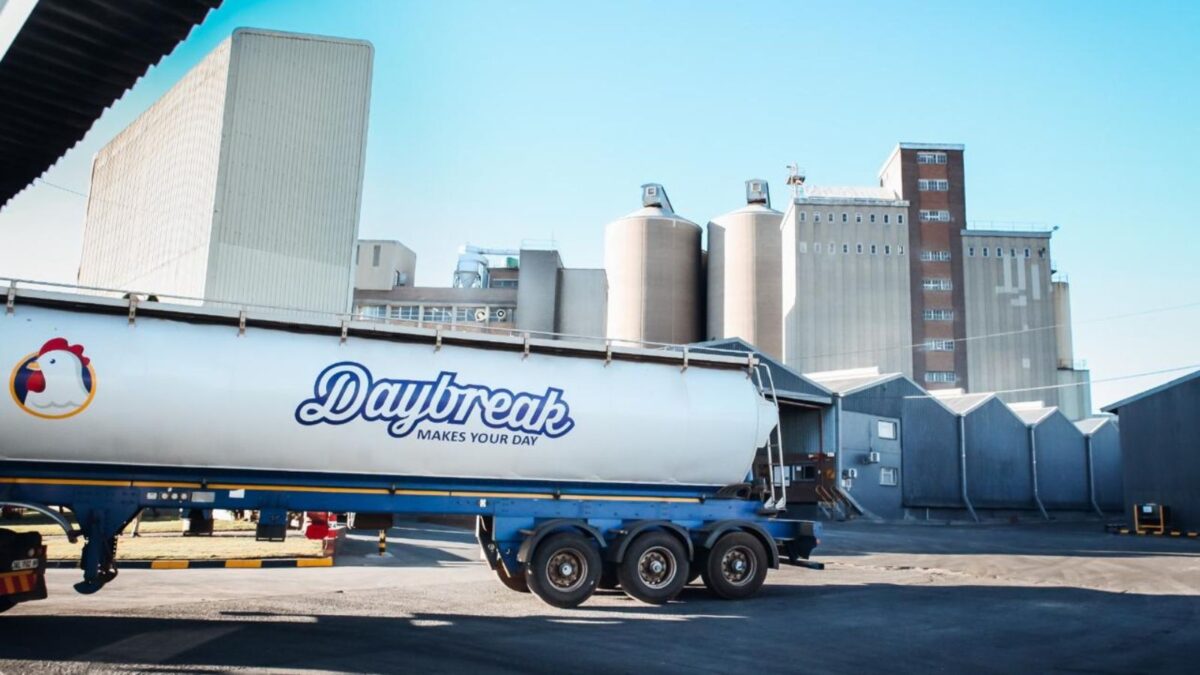
The Public Investment Corporation (PIC) lost 100% of its investment in Daybreak Farms, along with investments in many other companies.
Daybreak Farms is a poultry farm based in Gauteng, with operations spanning across the country. The company was founded in 2001, starting as a small-scale supplier of both chicken and egg products.
The company then grew into a major supplier, with operations including farming, meat processing, and milling for chicken feed production.
In recent years, the company has struggled with mounting debt and financial mismanagement, leading it to enter business rescue in 2025.
Prior to its voluntary entry into business rescue, the company had failed to pay its employees on several occasions and faced allegations of animal abuse.
The company’s Business Rescue Plan (BRP) was made possible by investments from the PIC’s Isibaya fund, which is dedicated to investing in unlisted companies.
The PIC was already the company’s largest investor and sole operator when it entered business rescue, contributing R400 million to prevent its liquidation.
At the time, these investments raised questions about the PIC, as the corporation is meant to act solely as an investor, not a business operator.
The PIC said it did not intend to continue injecting funds into the business, and that its investments were made to prevent liquidation and save the company.
Since 2017, the PIC has invested approximately R2.1 billion into Daybreak Farms.
Today, these investments are worth a fraction of what was initially invested, with some of the PIC’s investments into the company having a -100% internal rate of return (IRR).
This means that approximately R480 million in investments not only showed no growth, but also resulted in the full initial investment being lost.
This follows an alarming trend in the PIC’s Isibaya fund, which has recorded an IRR of -100% across multiple investments. These failed investments totalled R18 billion across 23 companies.
Other companies which saw a total loss on the PIC’s initial investment include Independent Media and Afrisam, which lost nearly R12 billion in investments on their own.
Pressure is mounting on the PIC
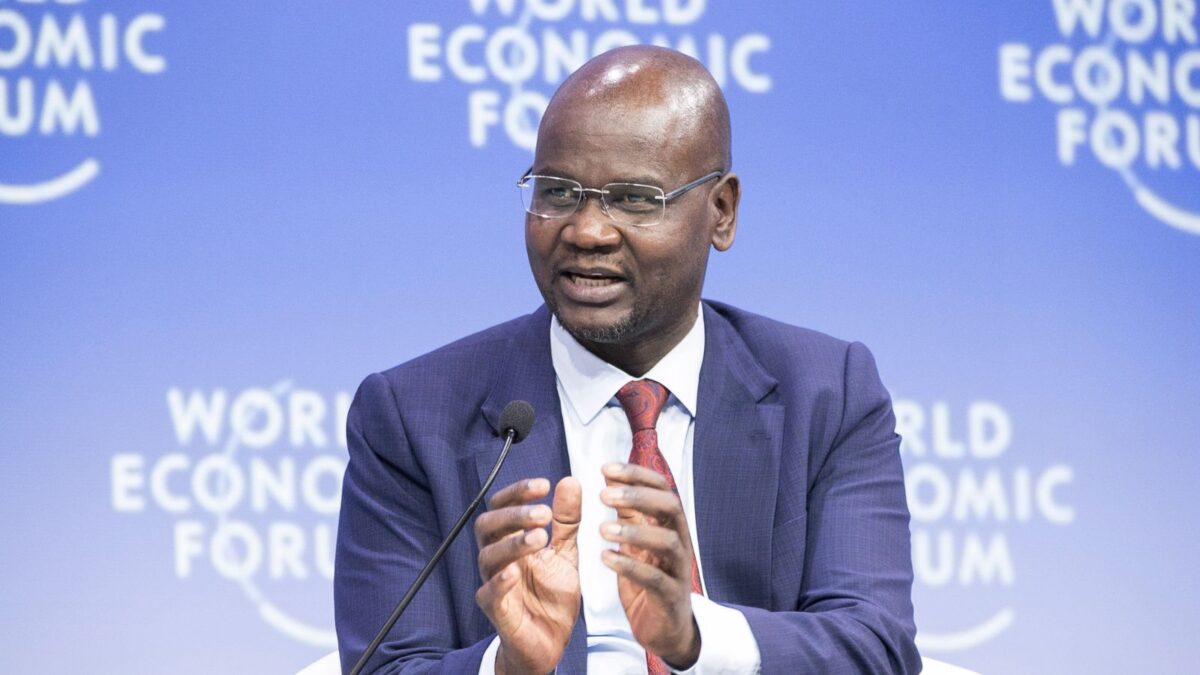
The PIC is South Africa’s largest investment group, with roughly R3 trillion in assets under its control.
Most of its assets are contributed by government workers, with the PIC responsible for investing and growing their pension funds.
Its Isibaya fund holds roughly R110 billion of the corporation’s assets and is intended to invest in unlisted companies.
The fund was created to simultaneously generate investment returns for government workers’ pension funds and help grow businesses in the country.
Recently, the fund’s poor performance has prompted questions about its investment rationale.
The Democratic Alliance (DA) deputy spokesperson on appropriations, Andrew Bateman, said his party would seek answers about the PIC’s poor investments.
Bateman said they would ask the PIC for clarity on its investment rationale and whether anyone benefited from the investments.
He said the party would also ask whether any risks were overlooked in their investment decisions.
“What remains to be investigated is why these deals were approved, who benefited, and who should be held to account,” he said.
This is not the first time the PIC has faced scrutiny. It has faced several allegations of mismanagement and political interference in recent years.
The Mpati commission in 2020 found that individuals in the PIC had personally benefited from some of its investments, and that they had been used to privatise companies for personal gain.
The findings from this commission prompted several changes to the PIC, but many of the commission’s proposals for better governance were not implemented.
Many of the Mpati commission’s concerns related to the Isibaya fund, which has continued to struggle with poor investments and a lack of growth.

 Loading ...
And all gone to couches. Typical cadres.