
Good news about South Africa’s financial system


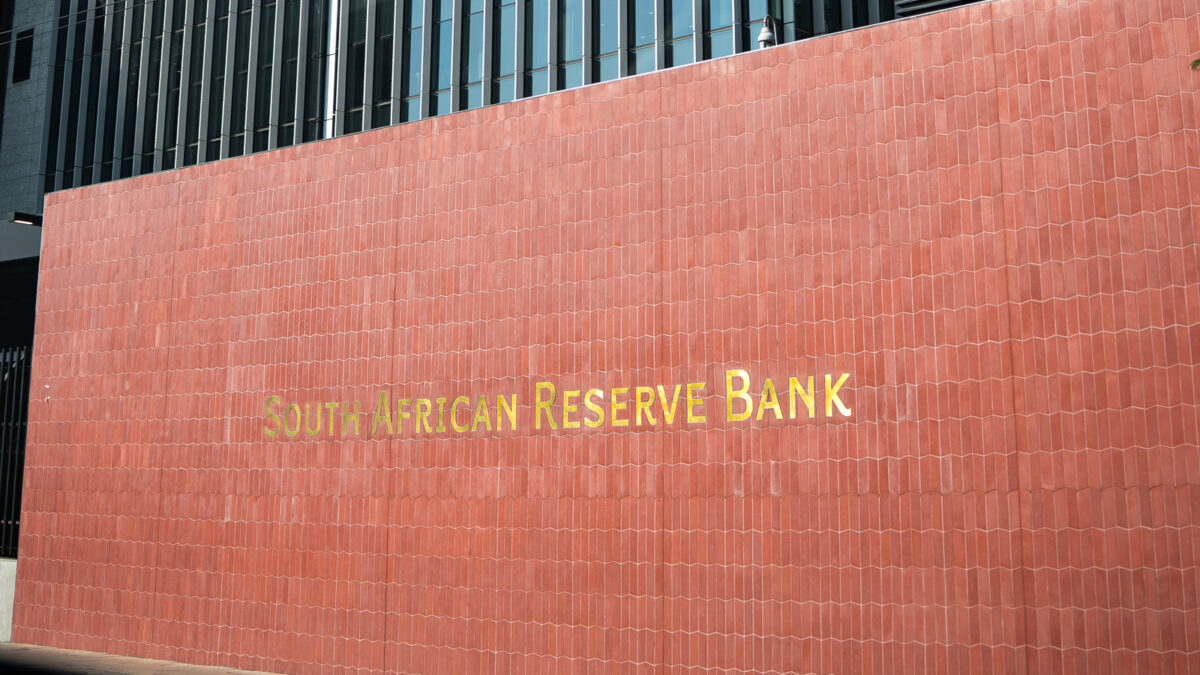
The South African Reserve Bank said the country’s financial system was likely to remain resilient despite tighter financial conditions and monetary policy stemming from the Iran war.
South Africa’s economy started to pick up pace last year, and investor sentiment brightened on signs of fiscal discipline.
However, the Iran war has dampened the near-term outlook as it has rippled through oil markets, capital flows, and household finances.
The South African Reserve Bank’s (SARB’s) Financial Stability Review, a biannual checkup on the health of the financial system, shed light on the situation.
“The oil price shock is expected to continue to exert inflationary pressure, potentially prompting tighter monetary policy than before the conflict,” it said.
Due to higher inflation, the SARB’s quarterly projection model suggests another interest rate increase in 2026, following a 25-basis-point hike at its policy meeting on May 28.
“Relief for interest rate-sensitive households is unlikely to materialise as expected at the beginning of the year,” it said in the report.
It noted that beyond the immediate impact of the Middle East conflict, advances in frontier AI, notably Anthropic’s Claude Mythos Preview, also posed financial risks.
“Cyber risk has shifted from episodic and largely manageable events to continuous and compounding,” it added.
Other risks included capital outflows amid heightened market uncertainty, unsustainable fiscal dynamics and increased financial distress in households.
“Despite these risks, the South African financial system remains resilient overall,” the Reserve Bank said.
South Africa’s foreign exchange reserves have grown to over 16% of gross domestic product, the highest recorded level since the early 1960s.
South Africa continued to meet all major reserve adequacy metrics, the bank continued.



 Loading ...