
Top South African university denies that it has an ‘unwritten rule’ for academic appointments


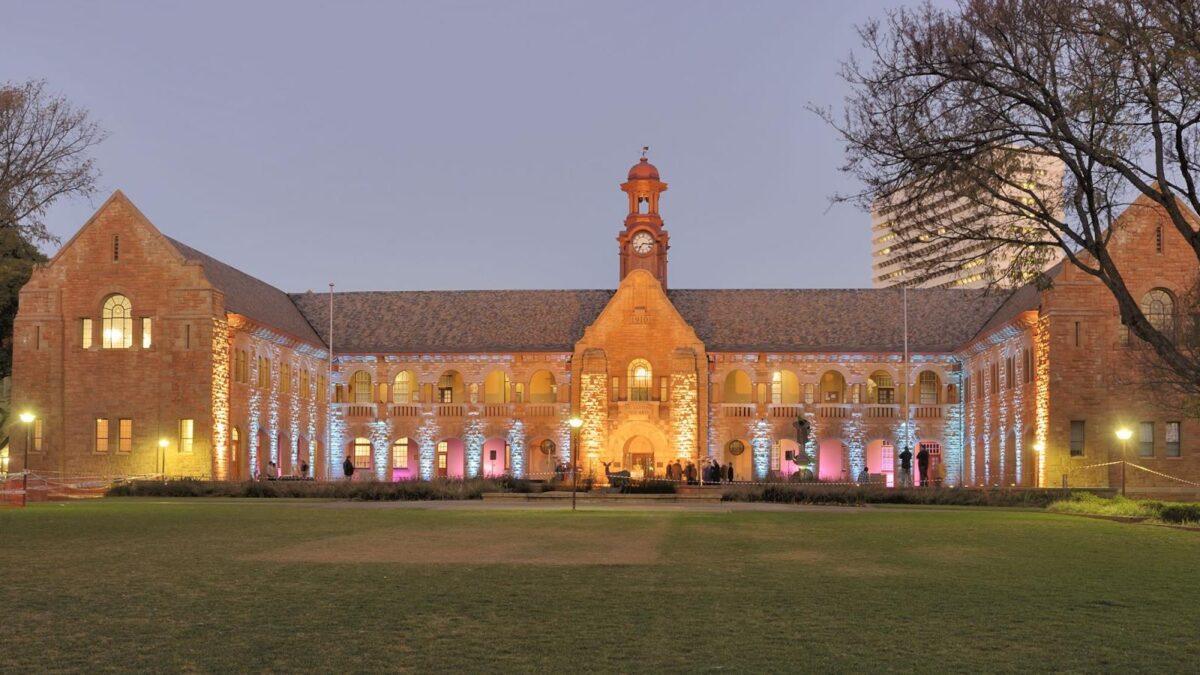
The University of Pretoria has dismissed allegations of an unwritten rule limiting the appointment of academics from other African countries.
This feedback followed questions from Newsday stemming from a Portfolio Committee on Higher Education and Training meeting.
The meeting, held in Parliament in March 2026, focused on the University of Pretoria’s employment of a large number of foreign nationals.
The Committee raised concerns about the University’s failure to provide a structured breakdown of its staff complement.
This, it said, was needed to assess the qualifications and classification of international staff and to distinguish permanent from temporary appointments.
Committee members also questioned whether the University was adhering to the Employment Services Act and the Immigration Act.
This was related to whether roles were classified as critical skills and if South African candidates were being unfairly overlooked.
Organised labour, for example, flagged a disproportionately high representation of foreign nationals in the Faculty of Law.
Members reported complaints from South African academics, including professors and doctors, who claimed they were passed over for positions in favour of foreign nationals.
Another concern was skills transfer. Foreign nationals allegedly had their contracts extended for decades without evidence of transferring skills to local staff.
This meeting allegedly changed the University’s hiring practices. It allegedly started sidelining foreign applicants.
However, the issue goes further back. It allegedly stems from the institution’s strong focus on demographic transformation over the last two decades.
The University of Pretoria was under pressure to employ more black academic staff and limit new white appointments.
For years, white candidates were sidelined in favour of black applicants, even when the white applicants were better qualified and more experienced.
The focus was solely on race, which means that the university attracted many black academics from the rest of Africa.
This practice became so aggressive that the number of foreign academics at the University of Pretoria grew significantly.
This resulted in false social media claims alleging that the University of Pretoria employed 80% foreign nationals.
A watershed moment for the University of Pretoria and other institutions
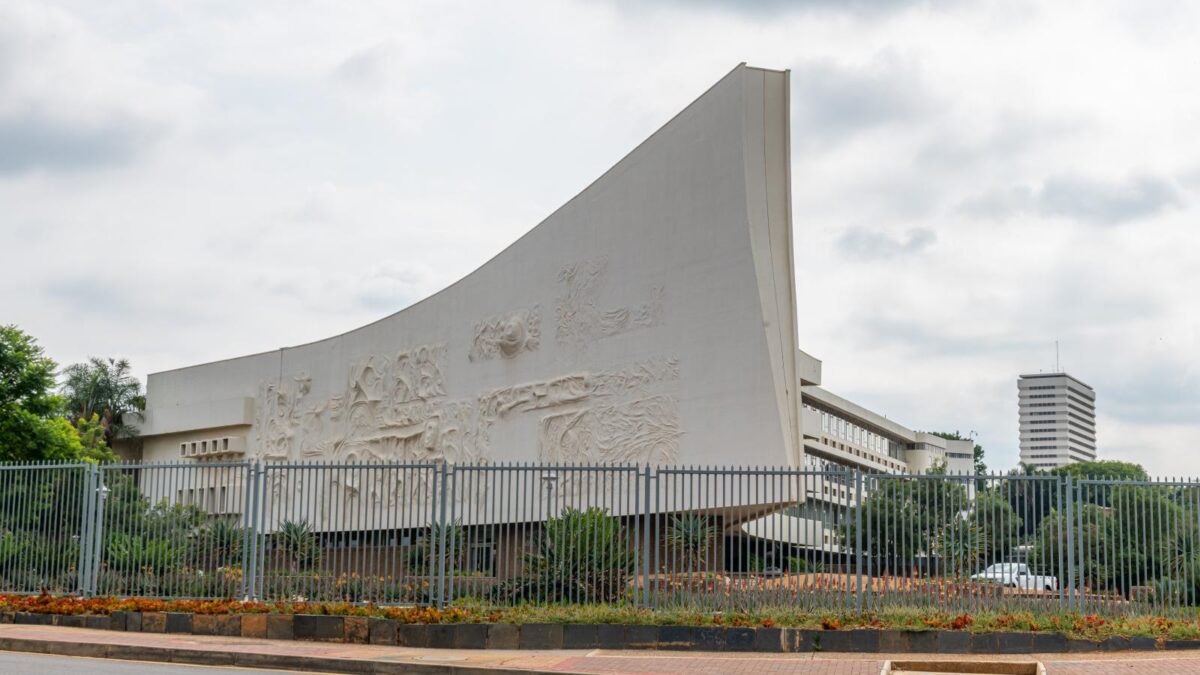
The Parliamentary Committee Meeting was allegedly a watershed moment, where the University of Pretoria and other institutions now give strong preference to local candidates.
Black South Africans are the preferred option, followed by white South Africans. It is allegedly very challenging to appoint foreigners to positions.
Although there is no official policy regarding the appointment strategy, it is understood that it is an unwritten rule at the institution.
The University of Pretoria rejected the assertion that there is any formal or informal rule limiting the appointment of academics from other African countries or elsewhere outside South Africa.
It told Newsday that it appoints staff through a formal Recruitment and Selection Policy, under which all candidates are assessed fairly and competitively against the requirements of the position.
“Appointments are based on merit, while also taking into account the University’s Employment Equity Plan and applicable South African legislation,” it said.
The University said it is proud of its diverse academic community, which includes staff from South Africa, across Africa, and around the world.
“International academics make a significant contribution to our teaching, research, innovation, and community engagement activities,” it said.
In response to the allegations received by Newsday, the University said it could not comment on unspecified individual cases.
“Recruitment decisions are made after careful consideration of qualifications, experience, competencies, institutional needs, and employment equity requirements,” it said.
“Any specific allegation would need to be assessed on the facts of the particular case,” it added.









 Loading ...
The University of Pretoria should have focused on merit rather than the colour of your skin when hiring staff. If you prioritise race, this is what will happen.
I know of many very competent white South African lecturers who had to leave because they were unable to progress in their career. Other countries are now benefitting and our students are left with the crumbs.