
South Africa’s richest city pumps 90 million litres of untreated sewage flowing into rivers every day


Three of the City of Johannesburg’s wastewater treatment works are responsible for approximately 90 million litres of untreated sewage entering rivers each day.
This was revealed on Wednesday, 3 June 2026, during a meeting of the Environmental Affairs Oversight Committee.
In addition to severe maintenance backlogs, six wastewater treatment plants in Johannesburg no longer have the capacity to process the growing volume of sewage.
The Managing Director of Johannesburg Water, Nishavheni Mukwevho, told the Committee that the maintenance backlog would be urgently addressed.
Because Johannesburg is situated on a watershed, untreated sewage is carried southwards via the Klip River.
The bulk flows northwards via the Jukskei River before entering the Hartbeespoort Dam. This explains the hyacinth problem in the dam to a large extent.
The pollution problem at the Hartbeespoort Dam is a severe, decades-long environmental crisis.
It is one of the most prominent examples of hypereutrophication, a process where a body of water becomes excessively enriched with nutrients.
Because the water is highly overloaded with nutrients, it creates an ideal feeding ground for aggressive, suffocating plant and bacterial life.
The dam suffers from massive blooms of toxic cyanobacteria, predominantly Microcystis aeruginosa.
During hot, windless summer months, this algae forms a thick, bright-green scum across the surface.
As it rots in the sun, it depletes oxygen levels in the water and releases foul, sewage-like odours and dangerous cyanotoxins that can cause illness in humans and kill livestock.
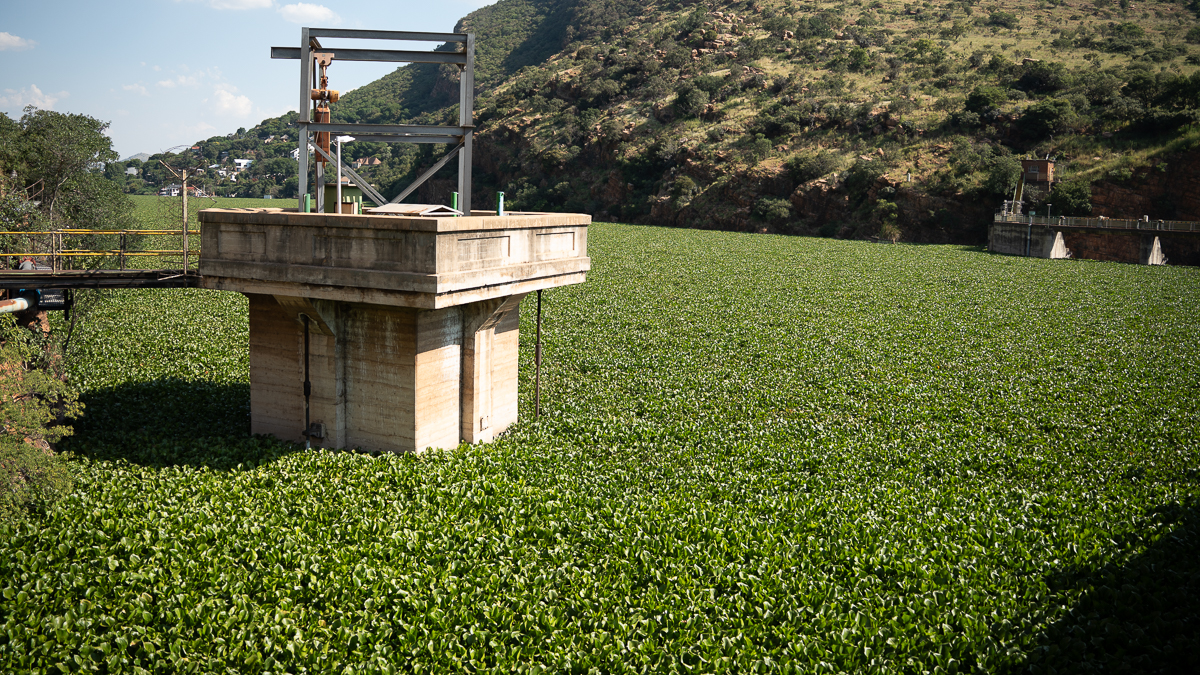
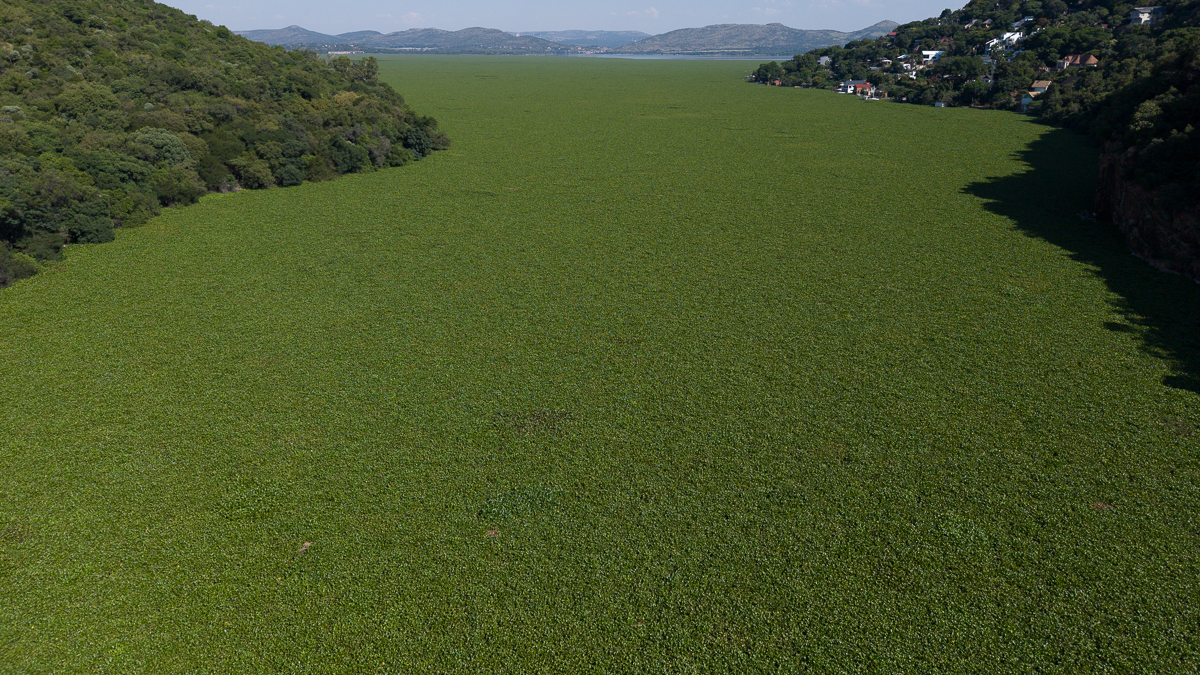
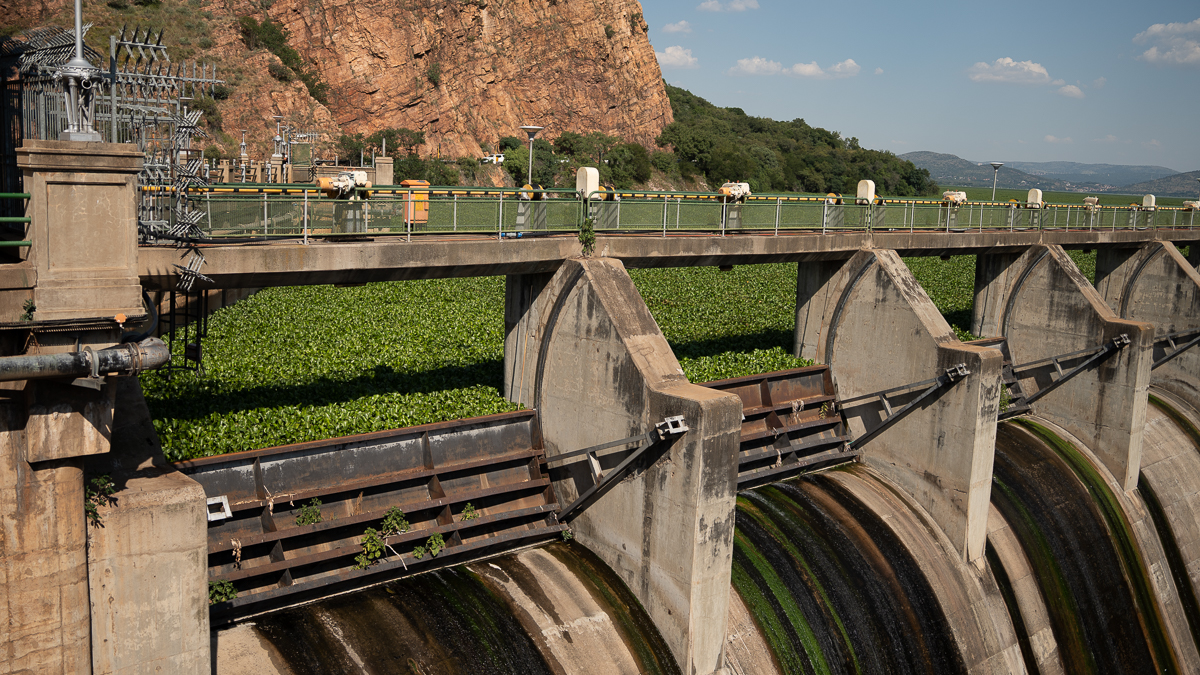
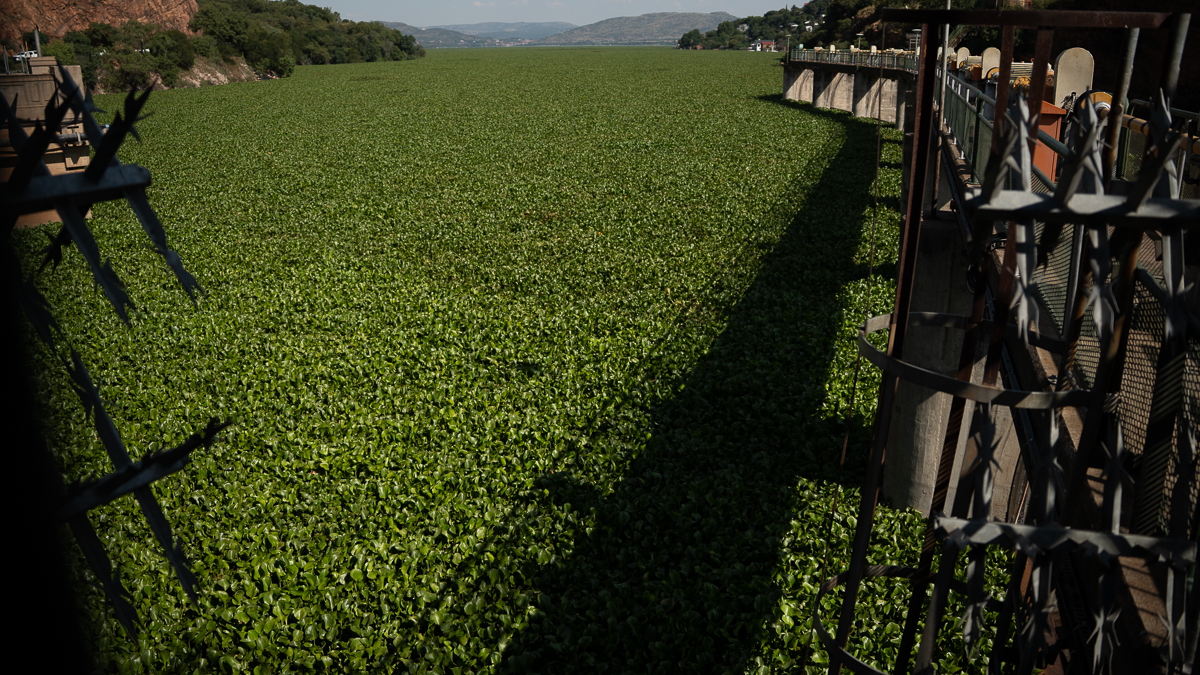
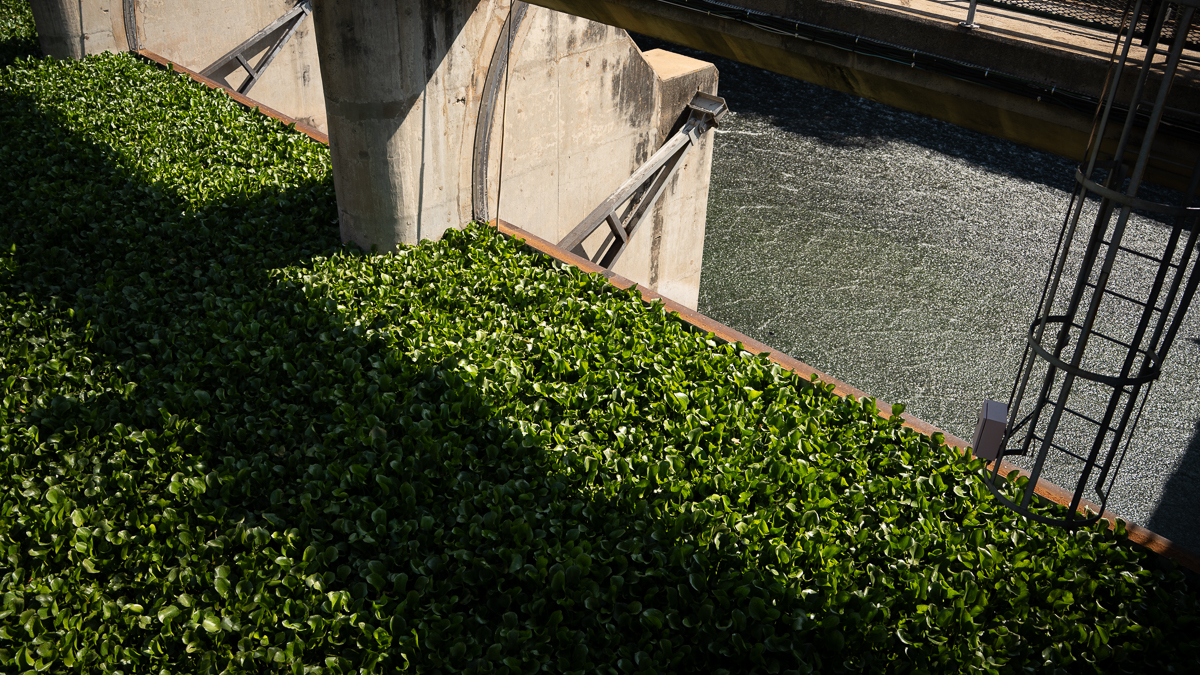
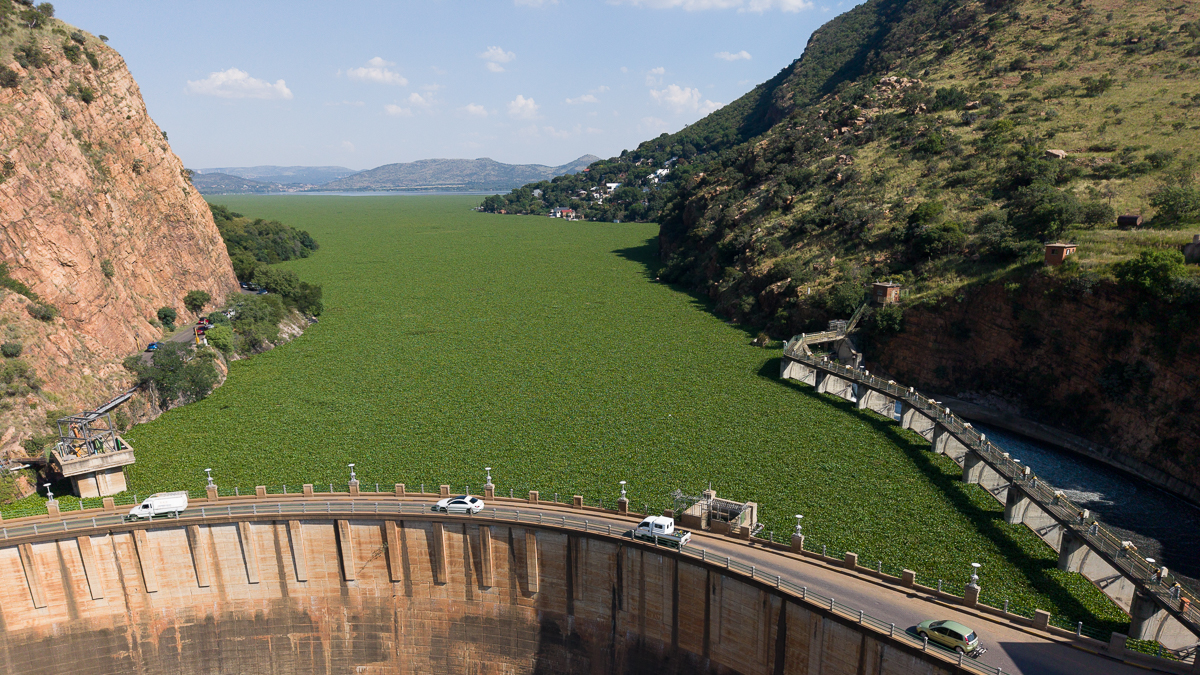
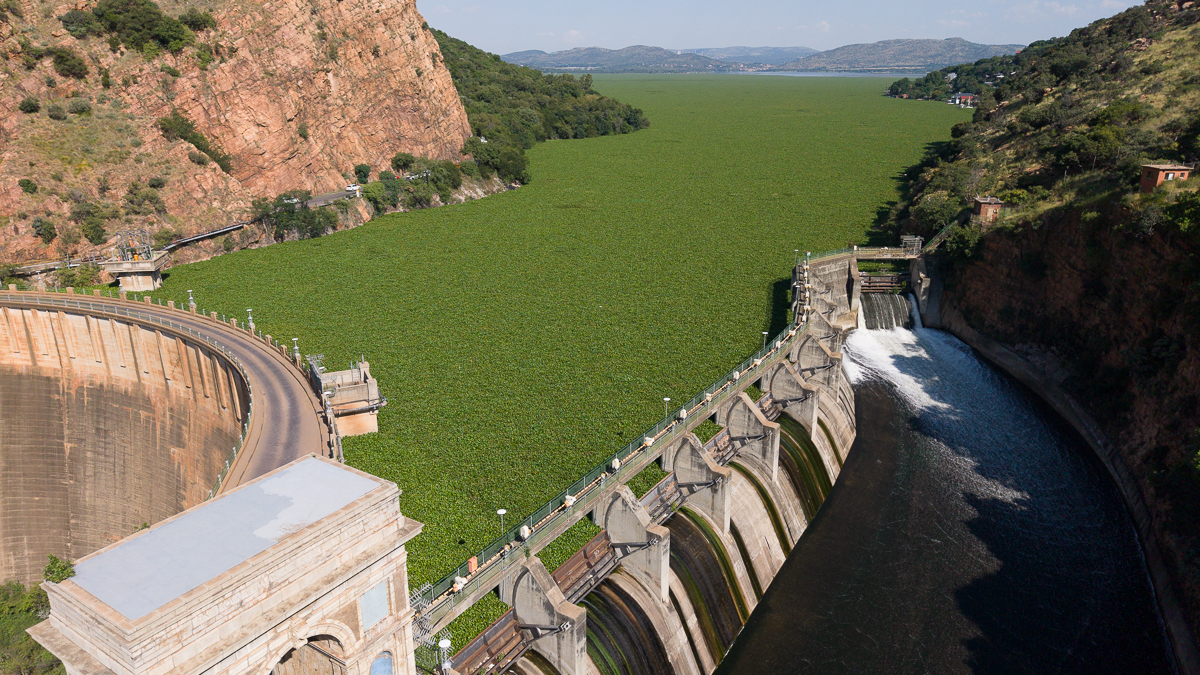
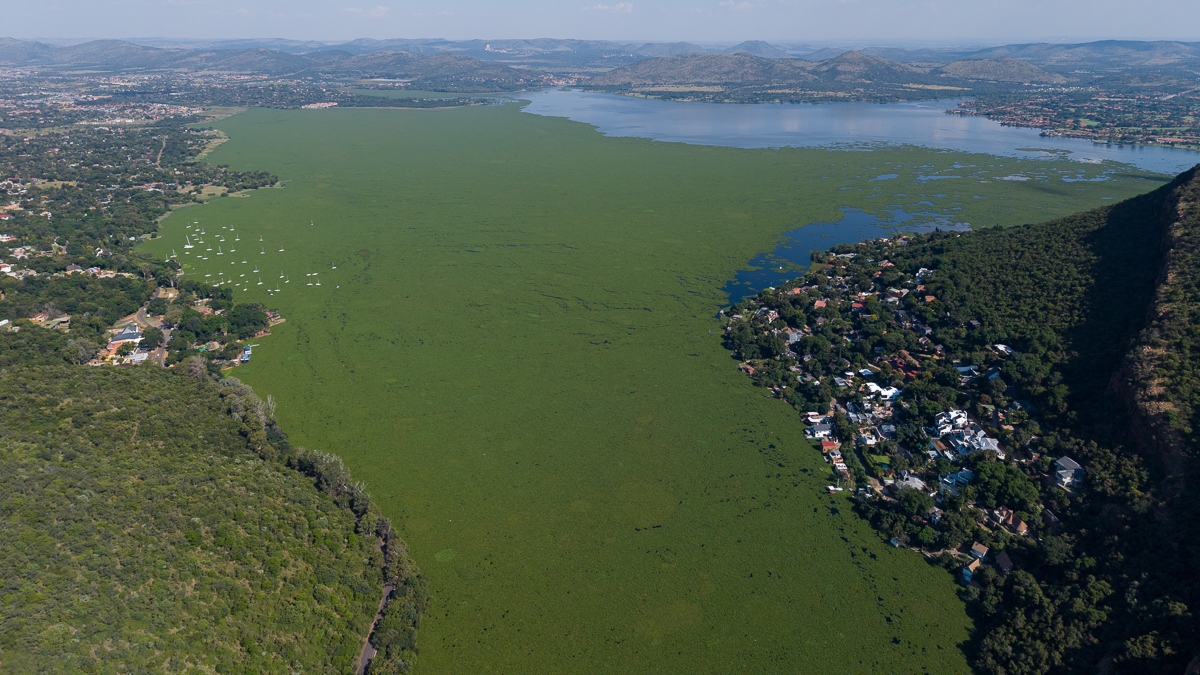
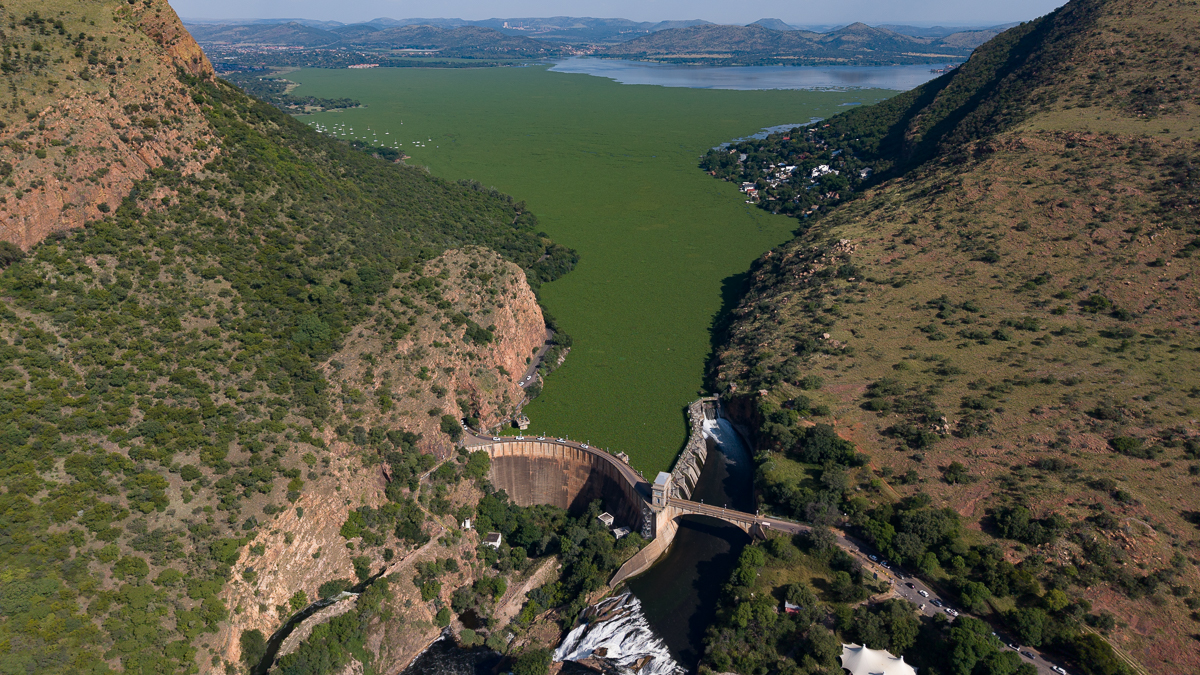
In addition, water hyacinth choked the dam, at times covering up to 80% of its surface, blocking sunlight and disrupting boating and tourism.
More recently, another aggressive South American invader, water fern, has also formed dense green carpets across the water, trapping floating plastic pollution and debris.
Hartebeespoort Dam photos – February 2026








 Loading ...
The ruling party should simply all resign and retire. They can blame everyone – Afriforum, EFF, Monopoly capital, colonialism, USA and Israel. At the end of the day they have failed to manage the government and the country. FAILED, that’s it no excuses. Besides collecting tax, they have failed in everything including SOE’s and the just implementation of BBEEE.