
New trade ban on South African livestock amid disease outbreak


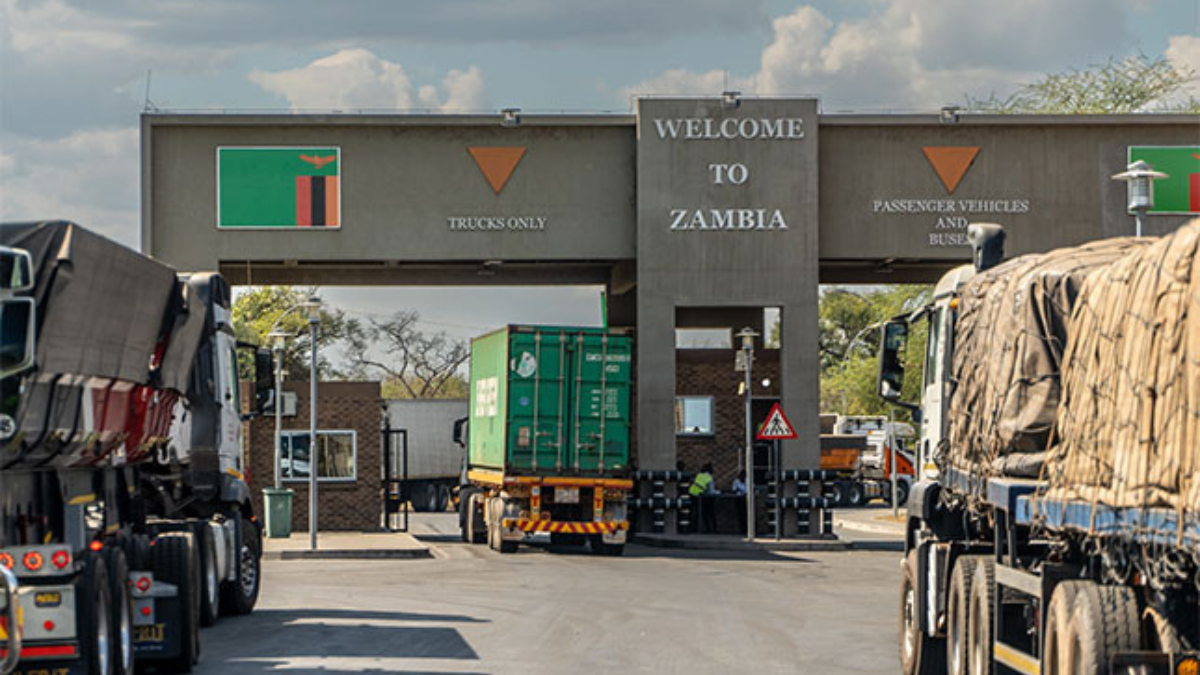
The spokesperson for Zambia’s Ministry of Fisheries and Livestock, Benny Munyama, announced on 14 February 2026 that all import permits for South African livestock-related products have been suspended.
This comes as South Africa’s livestock industry has been severely affected by a widespread outbreak of foot-and-mouth disease (FMD).
The suspension was announced with immediate effect. No information has been given as to when the ban will be lifted.
It was implemented as a precautionary measure. The Zambian Ministry will closely monitor the progression of FMD.
The revoked permits for livestock include trophies, skins, and animal feed. All live cloven-hoofed animals, which include cattle, pigs, goats, and sheep, are also on the list.
“Issuance of permits for the importation of cloven-hooved animal products, like dairy, will be suspended unless strict mitigation measures are undertaken,” said Munyama.
The measures are expected to comply with the conditions provided for in Zambia’s Terrestrial Animal Health Code.
FMD is endemic to parts of Zambia. Munyama said the aim is to protect Zambia’s multi-million-kwacha livestock industry from the declared National Disaster.
Agbiz chief economist Wandile Sihlobo said Zambia’s action is understandable given the gravity of the outbreak.
“When there is an FMD outbreak of this scale, neighbouring countries act swiftly to protect their own industries,” he said.
FMD outbreaks occur frequently in livestock-wildlife interface areas, especially those where buffalo populations are present.
Previous surveillance in 2012 identified outbreaks in districts such as Mbala and Kazungula, with strains often originating from uncontrolled animal movements.
Due to the national disaster caused by widespread outbreaks across all nine provinces, South Africa is launching a large-scale vaccination campaign.
The goal is to vaccinate 14 million cattle by December 2026, aiming for an 80% vaccination rate.
The sooner South Africa can demonstrate credible FMD containment and progress, the sooner it can begin restoring confidence in its export markets, Sihlobo said.
Given the extensive nature of the problem, trade restrictions are likely to continue indefinitely.
The livestock industry
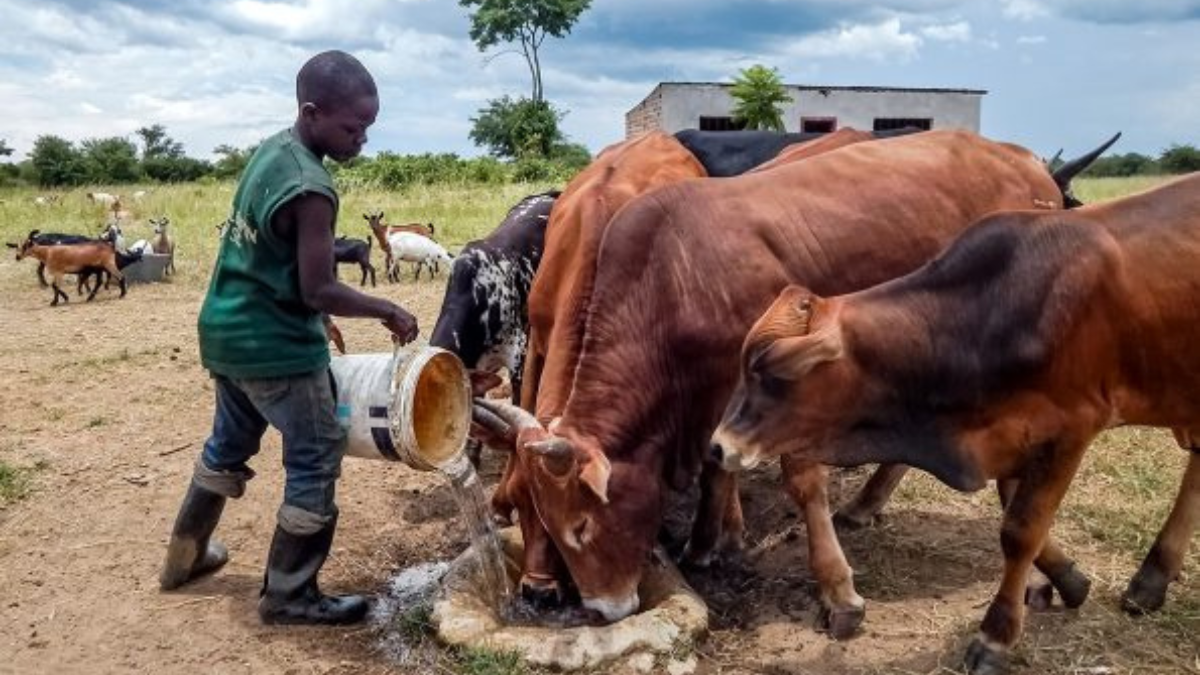
The Zambian livestock industry is a vital and expanding sector, significantly bolstering the country’s agricultural GDP.
Focused primarily on cattle, poultry, goats, and pigs, this sector is a major driver of economic diversification, job creation, and income generation in rural areas.
The industry is predominantly sustained by small-scale farmers who use extensive farming systems.
The estimated cattle population stands at 5.1 million as of February 2026. The government has set a target population of 7.4 million cattle by 2027.
The goat population has reached approximately 7 million. The population is driven by high demand from export markets such as Saudi Arabia and the Democratic Republic of the Congo.
The Zambian government is working towards an ambitious target of increasing the livestock population to 7 million by the end of 2026.
The initiative serves as the core of the Presidential Delivery Unit’s strategy to reach $1 billion in annual beef exports and diversify the national economy.
Zambia’s biosecurity laws are shaped by the government’s goal of expanding the livestock industry and major historical FMD outbreaks.
The latest FMD outbreak began in 2017 in Zambia’s Northern Province, specifically in the Mbala District. This outbreak is still ongoing.
This event is persistent due to “spillover” from East African virus pools and illegal animal movements.
Although Zambia has no new major recorded FMD outbreaks in 2026, a recent outbreak in Botswana’s North-East region poses a threat.
On 29 Jan 2026, Botswana confirmed an outbreak of FMD in domestic cattle in Jakalas village, Masungu area.
The Biothreats Emergence, Analysis and Communications Network’s epidemiological investigations point to contact with infected animals at shared grazing/watering points and to illegal animal movements as the likely sources of infection.
The World Organisation for Animal Health suspended the FMD-free status of the North-East region with suspected cases in Maitengwe.
This article was written by Zané Steyn.







 Loading ...
Is Kliphuizen happy? , he has run us further down his communistic road of killing the farmers and making us dependant on the useless government