
Ramaphosa says now is not the time to abandon BEE


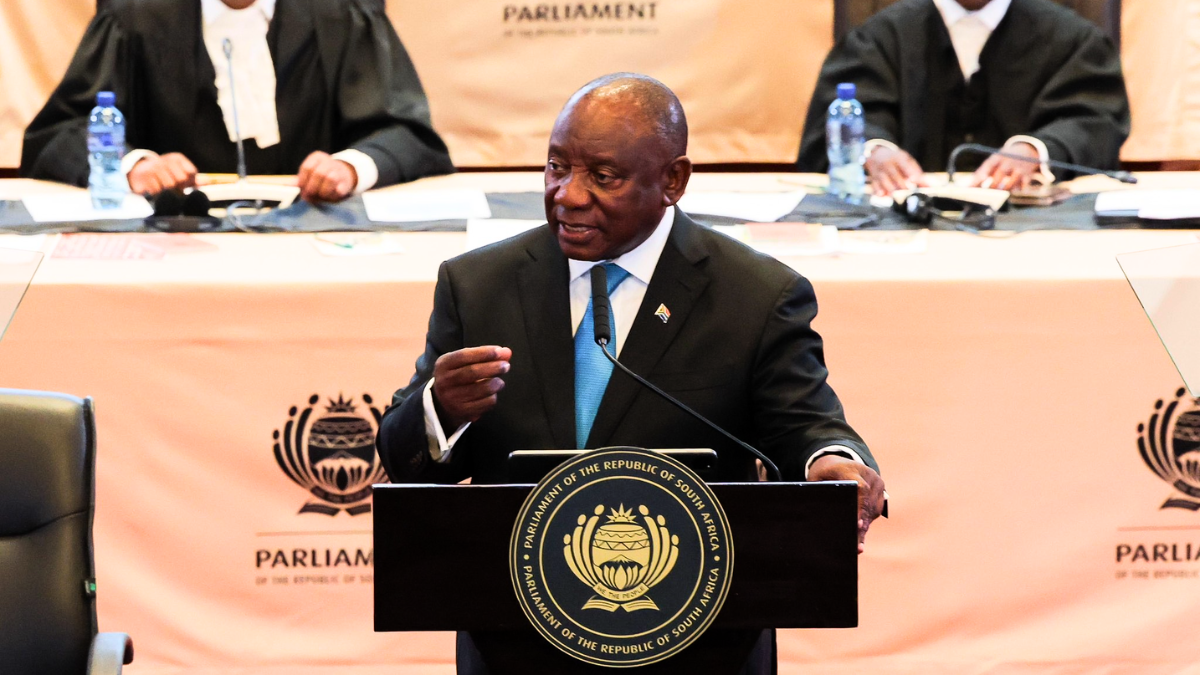
President Cyril Ramaphosa said that there are political parties within the Government of National Unity (GNU) calling for the abolishment of Broad-Based Black Economic Empowerment (BEE).
Ramaphosa was responding to parliament, after two days of political parties and MPs sharing their views on his State of the Nation Address (SONA) delivered on 12 February.
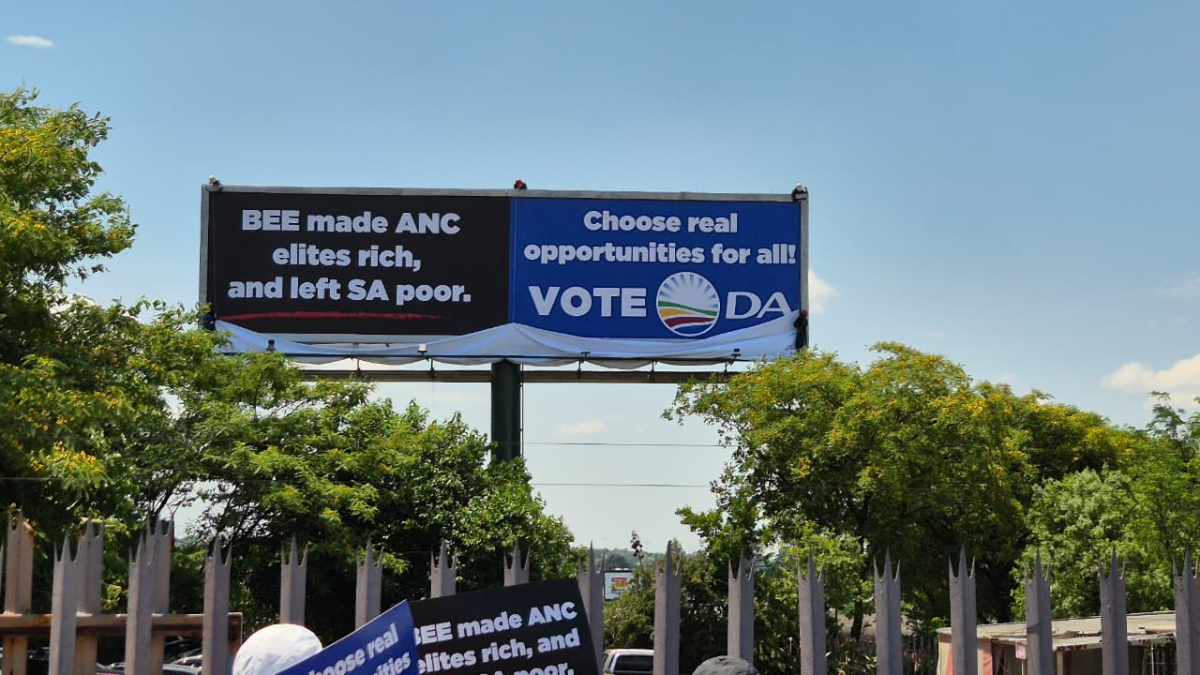
During the debate proceedings, GNU partners, the Democratic Alliance and the Freedom Front Plus (VF+), called for the abolishment of BEE.
“It cannot be acceptable to anyone in this house for African people indian people, and coloured people to be poorer and have fewer opportunities than white people,” he said.
“And yet there are people in this very house in the debate who tell us to get rid of the very measures that have been put in place to correct the very gross injustices of the past. It cannot be.”
The President said that the issue of BEE touches a raw nerve for him, as being part of the fight to rid the country of inequality and of the exclusion of black people from the economy.
He said that both he and Minister of Mineral Resources Gwede Mantashe came face to face with this issue while working in the mining sector.
“By law, workers were divided. White workers who did exactly the same work as black workers would be advantaged and given a certificate, what we called a blasting certificate,” he explained.
“And black workers were refused and could not get the certificate by law. The white workers got ten times, if not more, money than black workers. That was simply the disempowerment of black workers.”
He said his experience of this has made BEE a sensitive subject for him. He added that the progress that BEE has made in South Africa is undeniable.
White households still earn five times more – Ramaphosa
“We have seen real changes in ownership changes,” he said. “It is no accident that between 2002 and 2023, black African households experienced real income growth of 46%, and coloured Households 29% and Indian households 19%.”
“It is no accident that levels of poverty in black African households fell from 67% in 2006 to 44% in 2023,” he added.
The President said that now is not the time to abandon BEE, because despite this progress, the average income for white households is still nearly five times higher than black households.
“This is the gulf that we must close through deliberate and sustained efforts to expand opportunity,” he said.
He said that when he announced there would be a review of BEE policies in his SONA speech, this would not lead to relaxed regulations, but rather an optimisation of the policy.
In 2025, the DA introduced its Economic Inclusion for All bill, aiming to abolish BEE in favour of a needs-based system.
Introduced amid ongoing debates in the Government of National Unity (GNU), the DA argues that BEE, enacted in the early 2000s to redress apartheid-era inequalities, has failed in its core mission.
Instead of delivering broad-based upliftment to the majority of disadvantaged South Africans, the policy has enriched a narrow, politically connected elite while deterring investment, stifling job creation, and enabling corruption.
The party highlights persistent high unemployment, poverty affecting millions, and economic stagnation as evidence that race-based quotas and preferential scoring in government contracts have not worked.
The VF+ echoed these sentiments, with the party’s Jaco Mulder recently saying that “the Freedom Front Plus is the only political party that has condemned B-BBEE from day one, precisely because it benefits only a small elite.”
“The only thing that will stimulate meaningful economic growth, create job opportunities and truly empower all South Africans is implementing sound free-market policies.”








 Loading ...
BEE…Black ELITE enrichment. Straight out of the communist playback…keep the poor, poor…a few connected elites build nauseating fortunes at the expense of the dwindling tax base. They stay in power by bribing the voter base with broken promises and KFC on voting day…