
South Africa’s minimum wage of R30.23 per hour killing employment


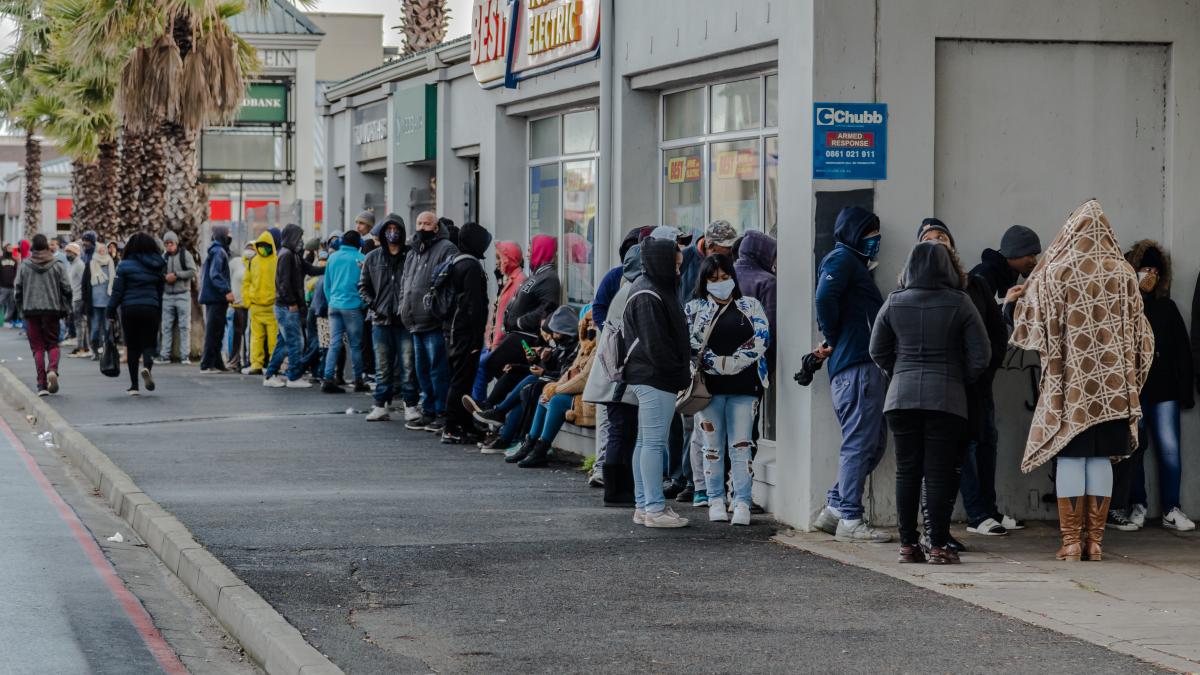
South Africa’s minimum wage of R30.23 per hour is driving increased unemployment and poverty in the country.
On 3 February 2026, Employment and Labour Minister Nomakhosazana Meth announced South Africa’s new National Minimum Wage (NMW).
The new rate of R30,23 for each ordinary hour worked, which kicks in on 1 March 2026, is a 5% increase over the current rate of R28.79.
The minimum wage is the floor which an employer is legally obligated to remunerate employees for work done. No employee may be paid less.
It cannot be varied by contract, collective agreement, or law. It is also an unfair labour practice for an employer to unilaterally alter hours of work or other conditions.
The minimum wage applies to all workers and their employers and does not include allowances.
Therefore, it excludes allowances like transport, food, and accommodation, payments in kind, tips, bonuses, and gifts.
Only members of the South African National Defence Force, the National Intelligence Agency and the South African Secret Service are exempted.
Meth said the R1.44 upward move will benefit all workers, including vulnerable farm workers and domestic workers.
The National Minimum Wage is a statutory requirement in South Africa’s labour market, set out in the National Minimum Wage Act, which came into effect in 2019.
Under the legislation, employers are obligated to pay workers a minimum hourly rate. The National Minimum Wage is subject to an annual review.
Violations are subject to fines enforced by the Department of Employment and Labour and the Commission for Conciliation, Mediation, and Arbitration (CCMA).
The 5% increase was calculated based on the Consumer Price Index (CPI) plus an additional 1.5%, as recommended by the National Minimum Wage Commission.
Despite the above-inflation increase, labor unions have criticized the hike as insufficient, arguing that it still falls short of a living wage.
They argued that official inflation figures mask the much higher costs of food, electricity, and transport for the working class.
The General Industries Workers Union of SA (GIWUSA) said R30.23 per hour leaves a monthly shortfall of roughly R2,000 for basic survival.
The union is demanding a minimum wage floor of R15,000 per month, calling the current rate an insult and a profound betrayal of workers.
South Africa’s minimum wage killing employment
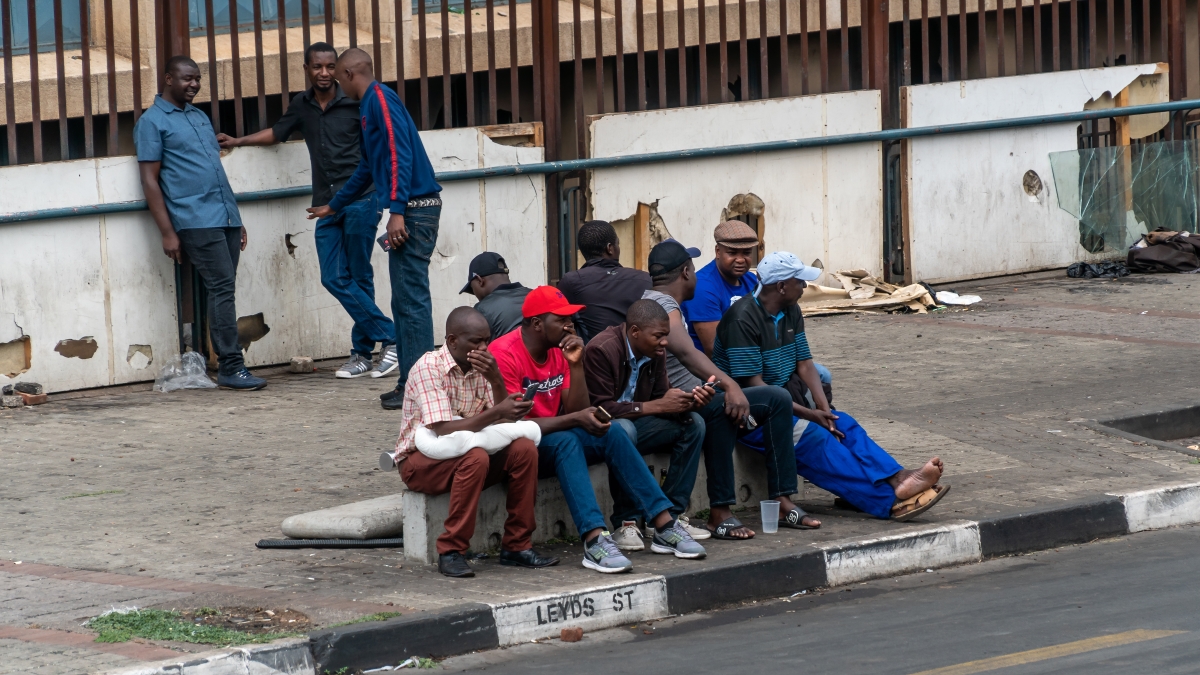
Many critics highlighted that South Africa’s minimum wage is an impediment to employment, adding to the unemployment crisis.
Renowned economist Thomas Sowell said a minimum wage is not a floor for earnings, but a barrier to employment.
A minimum wage is particularly brutal towards young, unskilled people trying to enter the labour market. It prices them out of the market.
Sowell pointed out that the government cannot actually mandate that a worker receive a higher income.
Instead, a government can only mandate that it is illegal to hire someone for less than a certain amount.
“Unfortunately, the real minimum wage is always zero, regardless of the laws of a country,” Sowell said.
“That is the wage that many workers receive in the wake of the creation or escalation of a government-mandated minimum wage, because they lose their jobs.”
This is particularly relevant in South Africa, where the country is grappling with one of the world’s highest unemployment rates.
The minimum wage prevents millions of South Africans from entering the workforce, preventing them from gaining skills and, in time, improving their lives.
National Employers’ Association of SA chief executive Gerhard Papenfus has been a vocal critic of the minimum wage, calling it a “barrier to work.”
He highlighted that entrepreneurs and small business owners often earn very little themselves and cannot afford the minimum wage.
He believes the government should allow a free market where wages are negotiated based on skills rather than mandates.
“The government should do away with centric policies and allow the free functioning of the market, which will lead to economic growth and increased employment,” he said.
“South Africa is in dire need of economic stimulation. The best method to achieve this is by fostering policies conducive to economic and business growth.”
He said this should be done by implementing laws which encourage employment, allowing citizens to work and become productive members of society.
AgriSA, which represents one of South Africa’s biggest employers, expressed serious concern about above-inflation increases.
They warned that this increase, especially during the foot-and-mouth disease crisis, places extreme strain on farm viability and rural economies.







 Loading ...
It’s a pity, in addition to the obvious contradictions of minimum wage legislation, that the issue of ‘risk’, the challenges faced by a would-be entrepreneur, are not provided for in any of our employment legislation. It’s quite clear that the Minister of Labour, surrounded by departmental civil servants, labour inspectors and the like have no comprehension of ‘risk’ as they legislate fair and unfair dismissal (what about fair resignation?); extend industrial agreements to start-up risk taking entrepreneurs in the face of big business and trade union bullies; deny workers the right to make their own choices etc. No wonder our current ‘official’ unemployment levels and the ballooning informal sector.