
Water outages cripple South Africa’s richest city



Many residents of the City of Johannesburg have been left without water for several days after power failures, emergency repairs, and system constraints left taps dry on January 28.
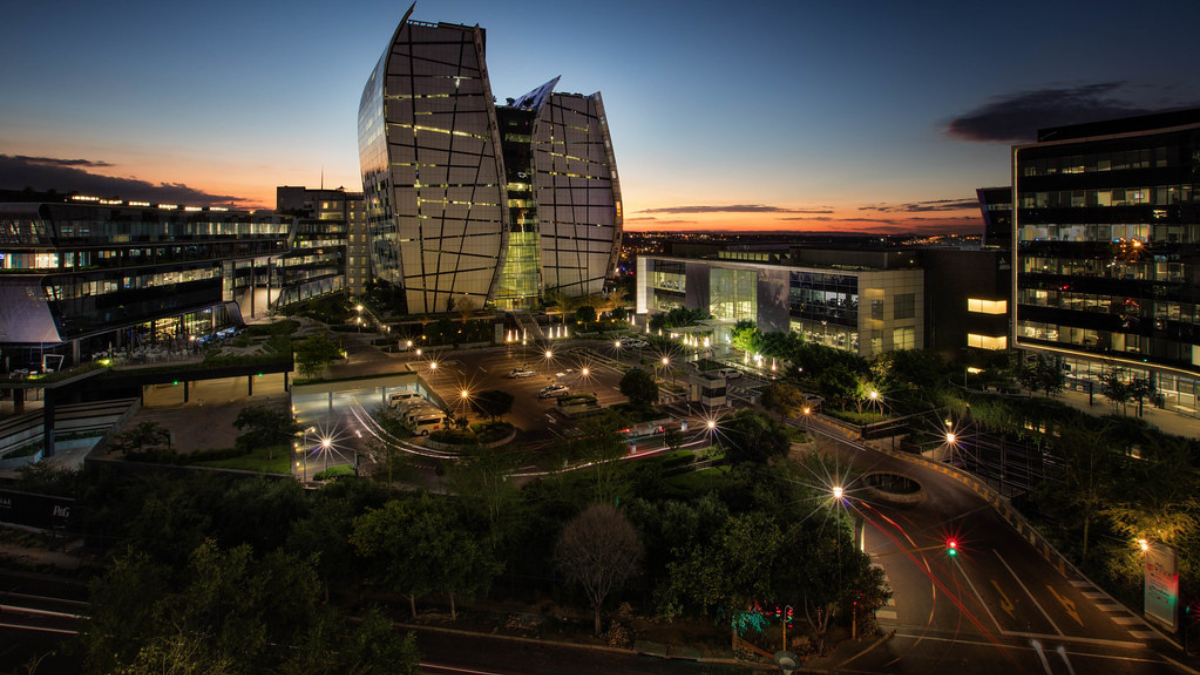
Sandton, Midrand, Alexandra, Diepsloot and the surrounding areas of Greater Johannesburg are affected by the five-day-long outage.
Residents have now taken to the streets to protest and demand improved service delivery, threatening to withhold municipal payments.
One resident told Newzroom Afrika that water tankers are in the Midrand area, but they remain parked in one location, forcing residents to use public transport or e-hailing services to collect water.
This is after Johannesburg Water announced that emergency repair work was commencing at the Palmiet Pump Station on January 27, significantly reducing pumping operations.
On the same day, Johannesburg Water said that a power failure at its Zuikerbosch pumping station was compounding the situation.
This impacted operations at the Palmiet, Eikenhof, and Zwartkopjes systems, with Palmiet the most affected and not pumping any water.
This has left key reservoirs critically low while repairs take place, forcing Johannesburg Water to consider controlling demand.
Johannesburg Water announced that it would close water meters in Sandton to control demand between February 2 at 18:00 until 04:00 on February 3.
It said that this would be “necessary to manage demand and equitable distribution of water to all systems.
However, the entity cancelled the measure shortly after the announcement. This would have left Linbro Park, Marlboro, Illovo, Bryanston and Morningside without water in the richest area of South Africa.
Johannesburg reservoirs are struggling
Providing a progress update on 2 February, Johannesburg Water said that a “slight improvement has been observed in the Midrand system.”
“Incoming supply to the Erand Reservoir has commenced, and reservoir levels are slowly increasing,” Johannesburg Water said. The same was said about the President Park Reservoir.
However, this is not enough to supply water to the reservoir’s dependent areas. While supply has returned to some in the Erand Tower Zone, most taps are still dry.
The Grand Central Reservoir, Rabie Ridge Reservoir and Diepsloot Reservoir are not receiving any water and levels remain critically low, failing to supply residents.
“Alternative water supply continues to be provided through roaming water tankers in affected areas until supply is fully restored,” the utility said.
Johannesburg MMC for Environment and Infrastructure, Jack Sekwaila, said that, while the pumping stations are operating again, it will take a week before water returns to all affected areas.
“What is left now is for that particular volume of water to come from the water site to this part of Johannesburg,” he said.
“They’ve done the pumping, their business of pumping. So we have requested them to pump even overnight so that we can recover on our side.”
Sekwaila said that it is normal practice to close the outlets at night to limit demand and allow the system to recover when residents do not really use water, not ruling out possible water-shedding during the night to assist the city with restoring reservoir levels.
He said that it will take some time to refill the entire system that has been emptied by days of repairs.
“I must indicate that the whole entire system from Klipfontein reservoir to Randwater side, it was empty all the way to Midrand, Greater Ivory and so on. All those reservoirs were emptied. It means that we might need about a week to recover,” he said.
Water pump failures coincide with power outages, planned maintenance
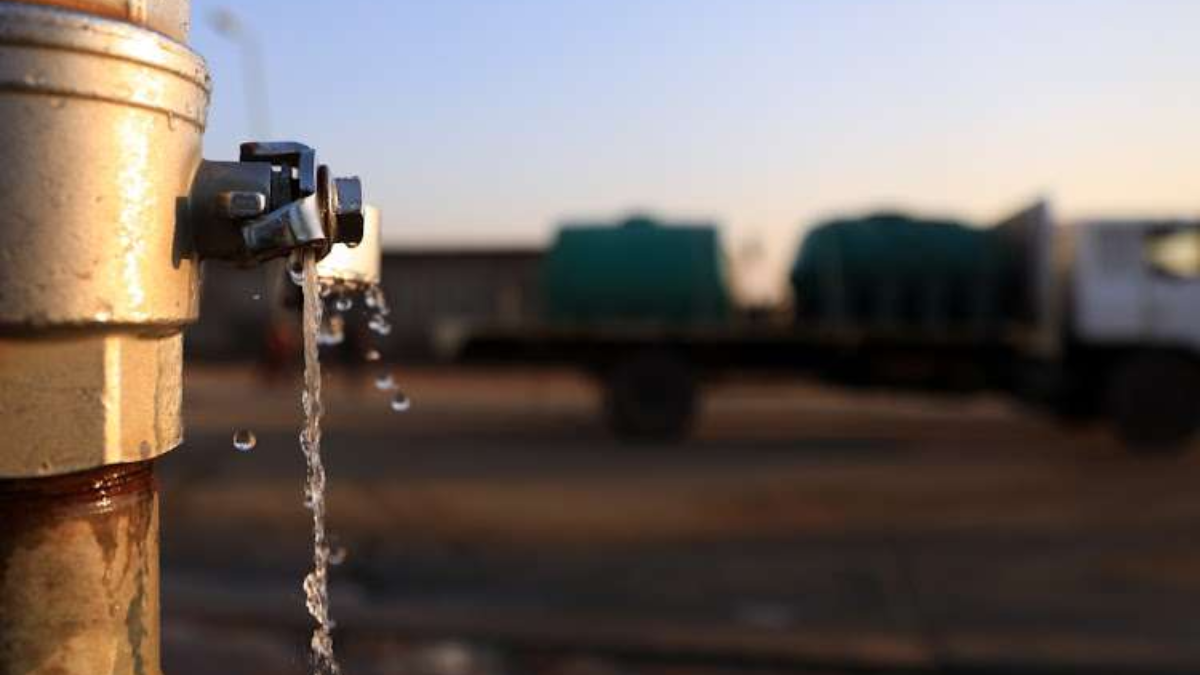
While the city works to remedy the crisis in Midrand, Johannesburg Water further announced outages for a wide swathe of Johannesburg suburbs that are currently in place until Thursday, 5 february at 16:00.
A three-day maintenance operation will leave the following suburbs without water, or with low water pressure:
- Newclare
- Industria West
- Riverlea ext 2
- Langlaagte
- Auckland Park,
- Coronationville,
- Westbury,
- Sophiatown,
- Claremont,
- Newlands,
- Jan Hoffmeyer,
- Pageview,
- Sunnyside,
- Brixton,
- Mayfair,
- Mayfair West,
- Hursthill,
- Crosby
The outage is due to a planned upgrade of the pump station infrastructure, as the city connects a backup pump station to bypass existing water lines.
Meanwhile, residents in Region B, including Melville, Emmerentia, Richmond, Greenside and Westcliff have been experiencing water disruptions since December.
This is due to ongoing repairs to water infrastructure, which will continue until April 9.
Johannesburg’s non-revenue water statistic is currently over 45%, whereas the Department of Water and Sanitation specifies that this must be below 30%.
NRW is the volume of potable water distributed for which the municipality receives no income. Looking at just leaks, Johannesburg loses around a third of its water.
The Department of Water and Sanitation (DWS) Director-General Dr. Shaun Phillips told Parliament in September 2025 that Rand Water provides sufficient water to meet municipal needs in Gauteng.
“If they were to reduce leaks in their distribution systems and invest more in distribution infrastructure, including storage and pumping capacity, this issue would not exist,” he said.
Imagine Rand Water as a hose and most Gauteng municipalities as buckets with leaks. No matter how much water is added, they will never be completely filled.
The City of Johannesburg currently has 22 delayed water infrastructure projects due to R72 million in outstanding payments to contractors.
Water expert Dr Anthony Turton told Newsday that when it comes to water outages, “there is a 100% correlation with governance failure as nowhere in South Africa do we have an absolute water scarcity.”
“Taps are dry because municipalities have failed for a variety of reasons, including the mismanagement of funds, inability to collect revenues, lack of ring-fencing for finances and the loss of technical skills due to purges.”



 Loading ...
Unfortunately, if people do a consensus, many choose not to vote… that’s the downfall of our country. I often ask this and receive the same responses. Why vote what has government done for them. But yet they choose not to make the change by voting.