
Tell Eskom to take a hike


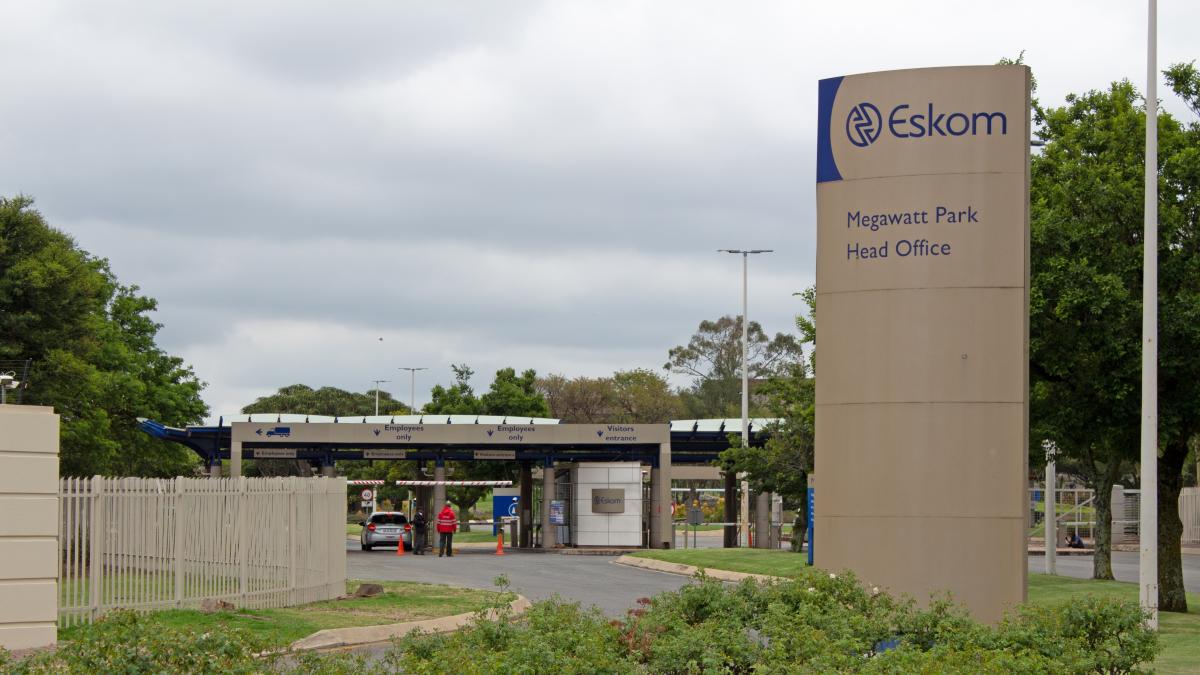
Energy analyst Chris Yelland has advised South African households to ignore threats from Eskom to register their residential solar PV installations.
Yelland shared his views in an interview with OUTA CEO Wayne Duvenage about Eskom’s demands for registration of residential solar PV systems.
Eskom and various South African municipalities have recently intensified their “Solar PV registration legal compliance campaign”.
Eskom and municipal entities, like City Power in Johannesburg, threaten households with unregistered solar PV systems with significant consequences.
These threats for non-compliance include fines of over R6,000 and disconnecting the electricity supply to homes where solar systems remain unregistered.
On 14 January 2026, Eskom released a statement titled “Solar PV registration legal compliance campaign update – act now, stay legal, stay safe”.
Once again, it stated that residential and business customers with solar PV systems must meet the legal requirement and register them with the electricity service provider.
However, Chris Yelland, MD at EE Business Intelligence and energy advisor to OUTA, advised South Africans to ignore these threats.
He said the strategy, messaging, and threats by Eskom and some municipal electricity distributors on this matter have been misguided and confused.
He added that it is ultimately doomed to fail, and that this is serving to alienate a significant base of law-abiding, paying residential electricity customers.
Yelland’s advice to homeowners and residential customers with solar PV/BES systems on their premises is to use accredited, experienced installers.
He added that the installed system must be provided with a valid Certificate of Compliance (CoC) issued by an accredited installation electrician.
This electrician must be registered with the Department of Employment and Labour, as lawful proof of technical and safety compliance.
His advice to residential homeowners with a solar PV/BES system and a valid CoC is to ignore Eskom’s threats.
His view is that people who do not want to export energy into the distribution network may choose to forgo Eskom’s registration requirements.
He said law-abiding people threatened with disconnection by their electricity distributor should seek legal advice and oppose it.
Eskom statement on solar PV registrations
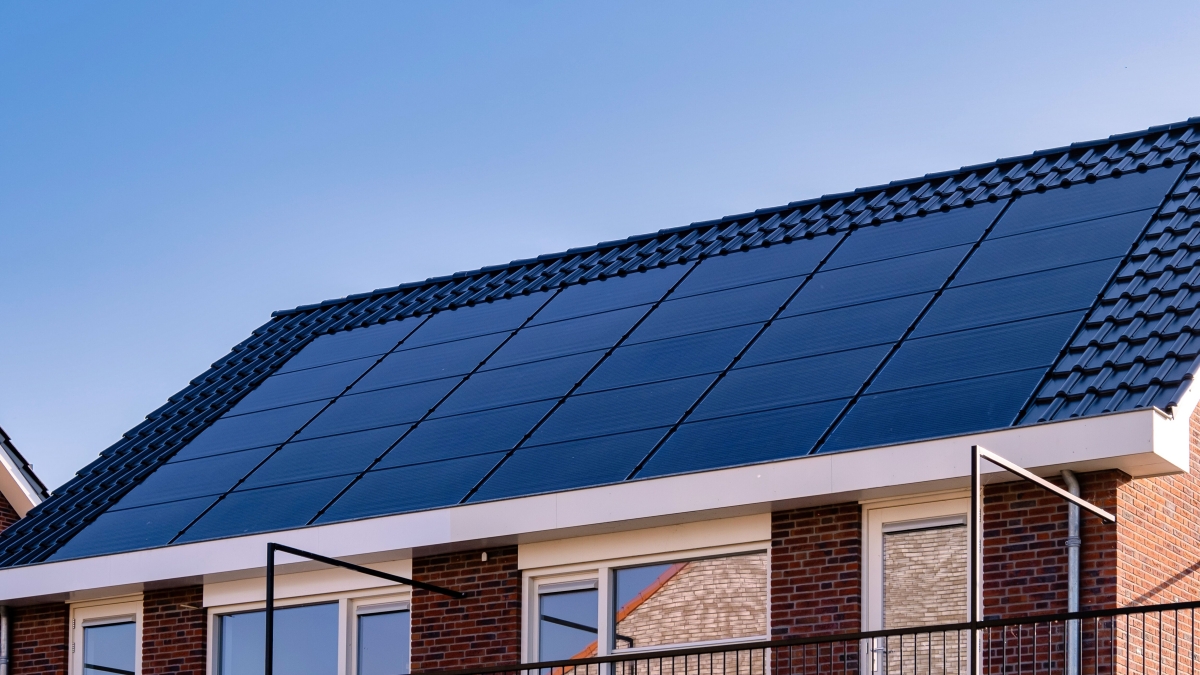
In October 2025, Eskom said it had simplified the compliance and registration process for customers who generate their own electricity.
This includes generation through Small-Scale Embedded Generation (SSEG) systems such as rooftop solar panels.
The power utility added that, in line with NERSA regulations, all businesses and households with embedded generation systems must register with Eskom.
This includes systems of less than 100kVA, including solar PV systems, even if they do not export electricity to the grid.
The aim, Eskom said, is to make it easier, safer, and more affordable for households and small businesses to connect legally to the national grid.
The power utility added that this registration was required by the National Energy Regulator of South Africa (NERSA).
Eskom said it has been working on the SSEG framework since 2015 with industry stakeholders, including:
- The South African Bureau of Standards (SABS)
- South African Photovoltaic Industry Association (SAPVIA)
- Association for Municipal Electricity Distributors (AMEU)
- National Rationalised Specifications (NRS) Standing Committee
“We have developed a simpler and more affordable solution for customers that still maintains a stringent focus on safety,” it said.
It said that from 1 October 2025, Eskom’s residential customers may now have their systems signed off by a Department of Labour (DoL)–registered person.
This means that an Engineering Council of South Africa (ECSA)-registered professional is no longer required.
Eskom’s Acting Group Executive, Distribution, Agnes Mlambo, said their goal is to make it as simple, safe, and cost-effective as possible for customers to connect legally.
“We encourage customers to come forward and register their systems to meet NERSA’s legal requirements,” she said.
“Registration not only ensures compliance and safety but also positions customers to benefit from future programmes that reward clean energy generation.”







 Loading ...
Answer, vote in GNU, Democratically Allianced leadership and save ourselves, otherwise we sell our souls to the devil, who still believes in a one person/party dictatorship.
Eskom, must thank the people who have invested in Solar, without their investment, Eskom will embarrassingly collapse.
You fools who continue to prop up Eskom, mainly as a cash cow, you will be caught out.
Civil Society, must demand from all Eskom employees, that they peer check, and speak their truth? Whistle blow and share the reality, of how Eskom manages to deliver and maintain a steady grid, with all the open municipal corruption.
Soon, the truth will come out. Thanks to all who converted, shareing their surplus energy with Eskom.
Perhaps, privatise the whole of Eskom and its infrastucture as a single unit, create a partnership of supply demand from private Solar users, and only pay the required tax0 to government. Nothing more, other that guaranteed electrical supply.
It is about time that goverment really worked for the peoples, and not just eat, play and get fat, continously demanding for more.
End the gluttony of government greed.
Vote GNU, and Save South Africa together.