
South Africa’s most controversial tourist attraction has survived against all odds



The existence of South Africa’s oldest building, the Castle of Good Hope, has been under threat multiple times in the last two centuries.
According to a study conducted by the tourist attraction’s operators, the building, closely connected to South Africa’s history of colonialism and apartheid, was almost demolished three times for practical reasons, before the dawn of democracy in 1994.
The new democratic era then brought on more, moral and ideological questions about the heritage site’s continued existence and continued support from government.
“We recognise that the Castle, a historic symbol of armed colonial conquest and apartheid, means different things to different people,” CEO of the Castle Control Board, Calvyn Gilfellan told Newsday.
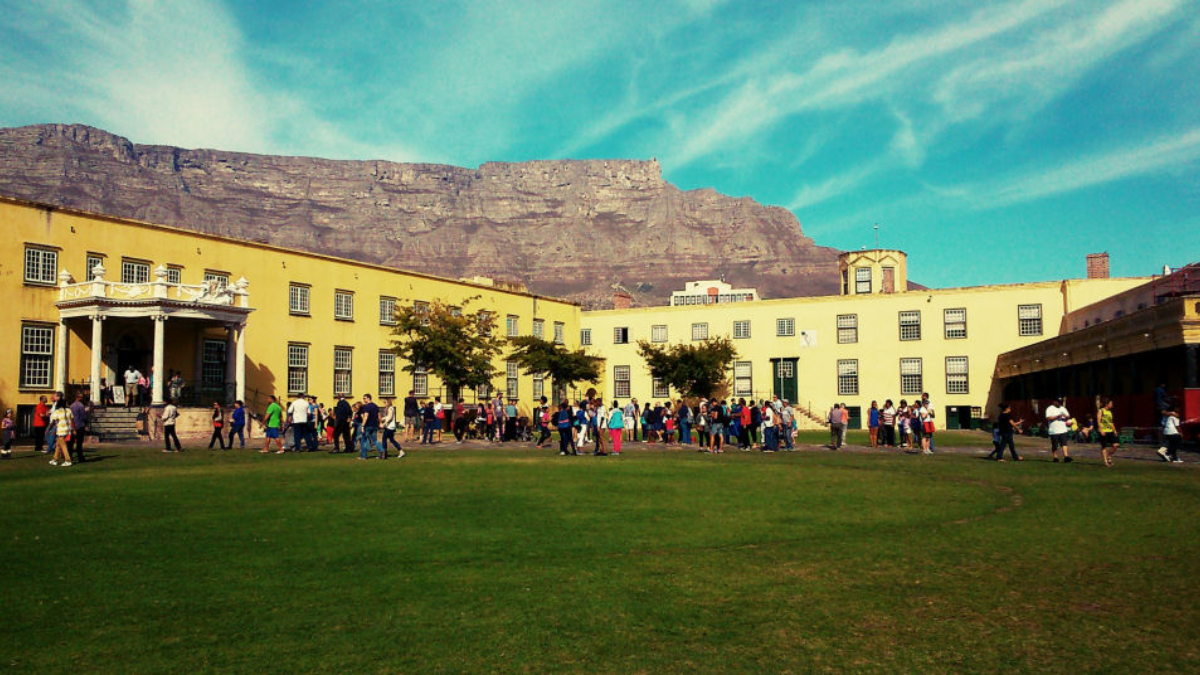
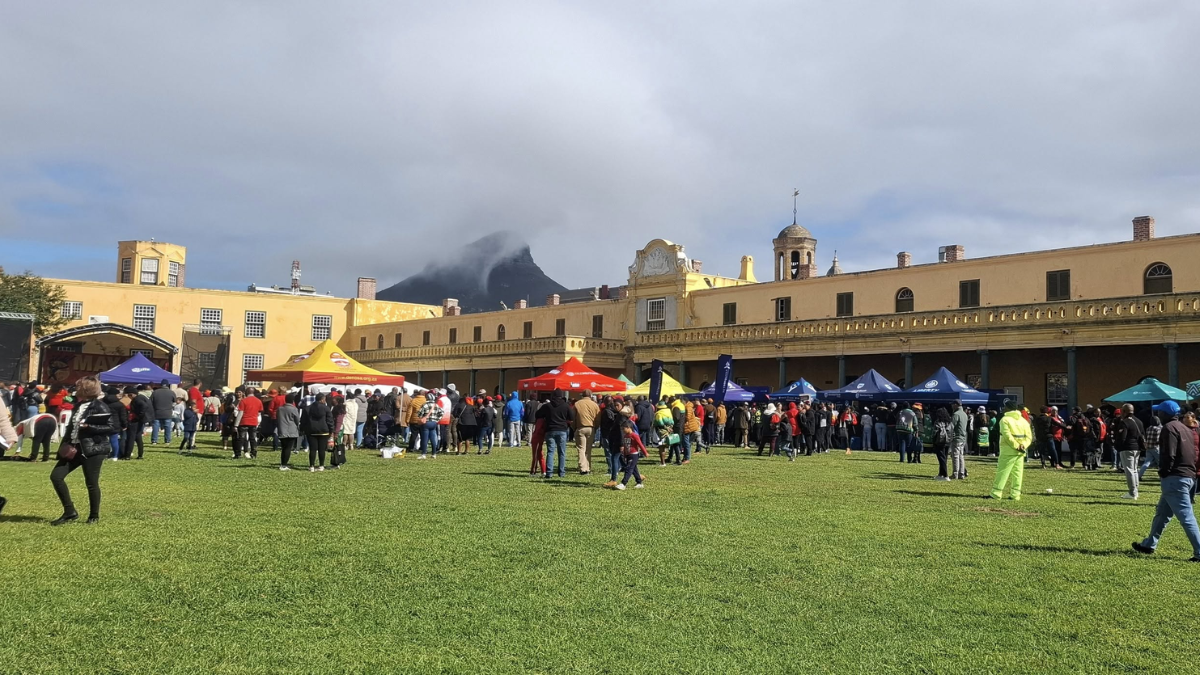
“But we use it as a tourism, events, memorialisation, education, and filming venue.” The team is working hard to make the historical building a place for all South Africans, holding regular markets, music festivals and educational tours.
South Africa’s oldest building was constructed between 1666 and 1679. It was built to replace an earlier fort, Fort de Goede Hoop, constructed in 1652 after the arrival of Jan van Riebeeck.
The current building was built largely by slaves when the Dutch East India Company feared an attack by the British. Slavery was practised in the Cape between 1658 and 1795.
It was called a castle because when it was completed, it comprised a small community or town of its own within its walls, similar to castles in Europe. It included a church, bakery, living quarters, offices and cells.
It was also the seat of justice in the Cape for the first centuries of colonial rule. Because of this, the castle heard many judicial cases where slaves were involved and where they were “unjustly dealt with”, according to research.
The site’s operators say the building was the “nerve centre that managed the colonial slave system”. There is evidence to prove that slaves were used as domestic servants in the castle as well.
The building’s cells were used for the last time during the Second World War to detain prisoners from passing ships on their way to the East.
The first threat to the building’s existence came in the 19th century. The building’s condition had deteriorated significantly due to neglect.
The nerve centre of the colonial slave system
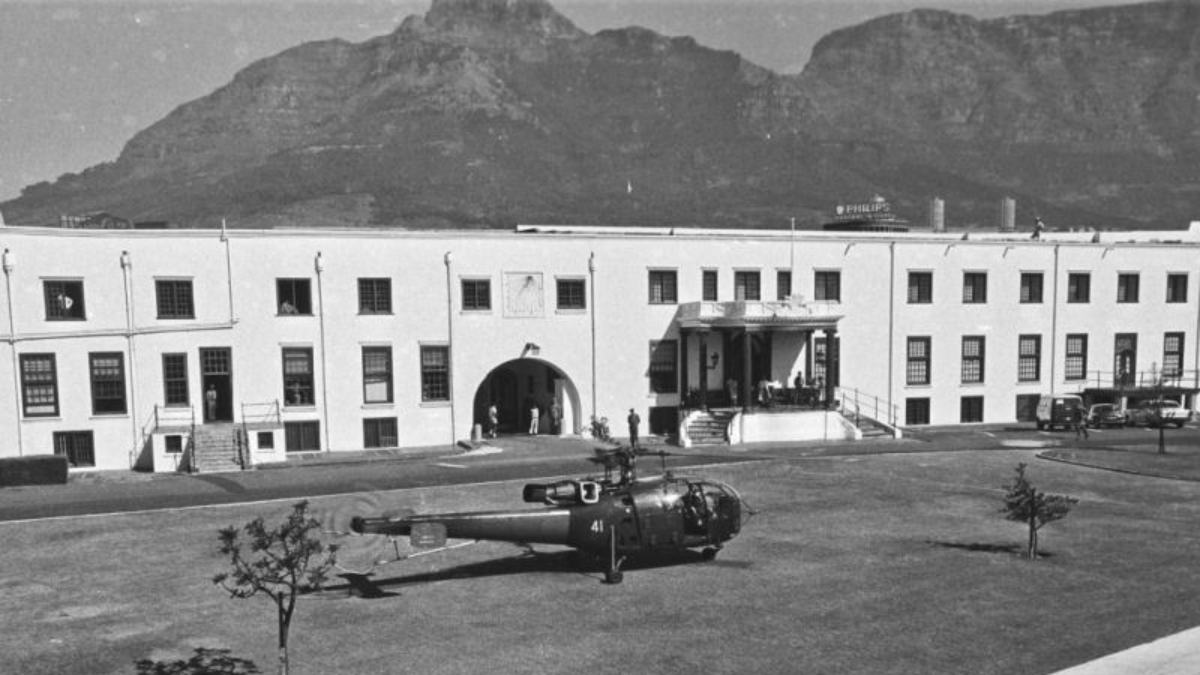
Between 1862 and 1870, the British War Department unsuccessfully tried to get the Cape Government to buy the property.
The castle became an outdated and underperforming military structure in the latter half of the 19th century, and in 1886, there was an attempt to demolish it to build a new barracks.
These efforts failed, and the building survived. Later, in 1896, the Castle was again under threat as the government planned to demolish the structure to facilitate the expansion of the railway.
Finally, in the mid-1900s, the demolition of the building was included in the Foreshore Development Plan to modernise the Central Business District.
The building was saved by active citizens, as well as the newly formed National Monuments Commission, in 1934. The structure was declared a National Monument in 1936 to prevent further threats to its existence.
Even so, the government considered building a bridge over the entrance of the castle. The National Monuments Commission fought this as well and won.
While the castle was built as a strategic military site, it has never been attacked in its long history.
The only exception was when a mini-limpet mine was detonated within the central area of the castle by Umkhonto we Sizwe, the military branch of the African National Congress (ANC), in 1988.
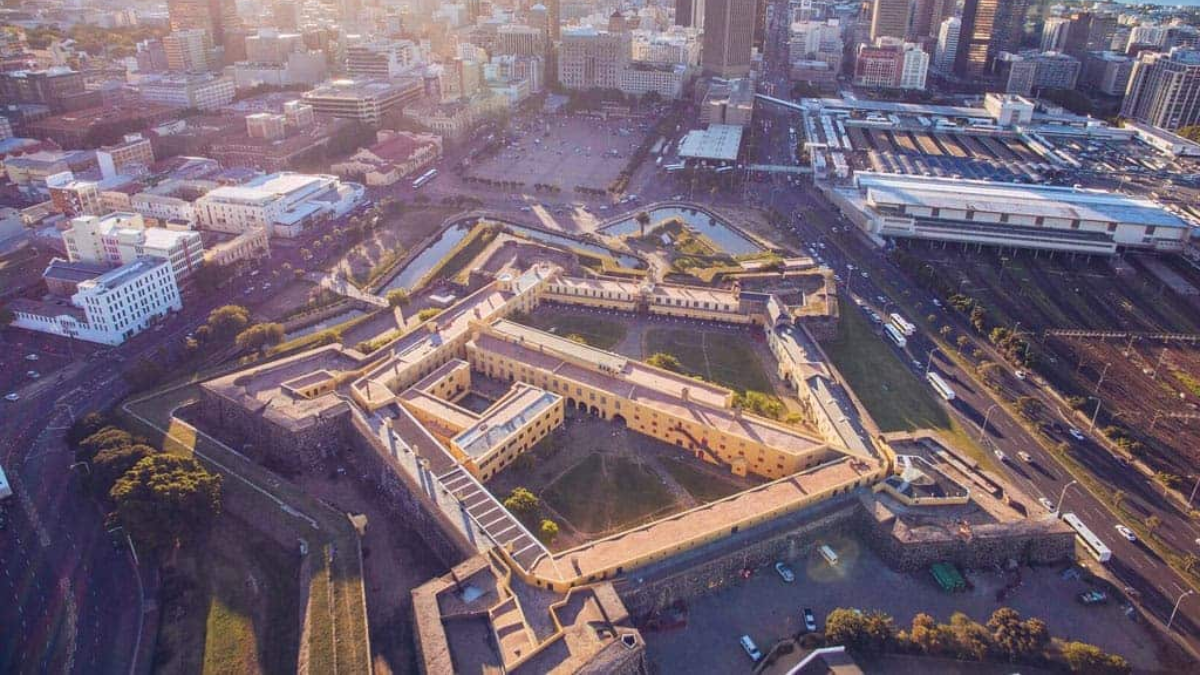
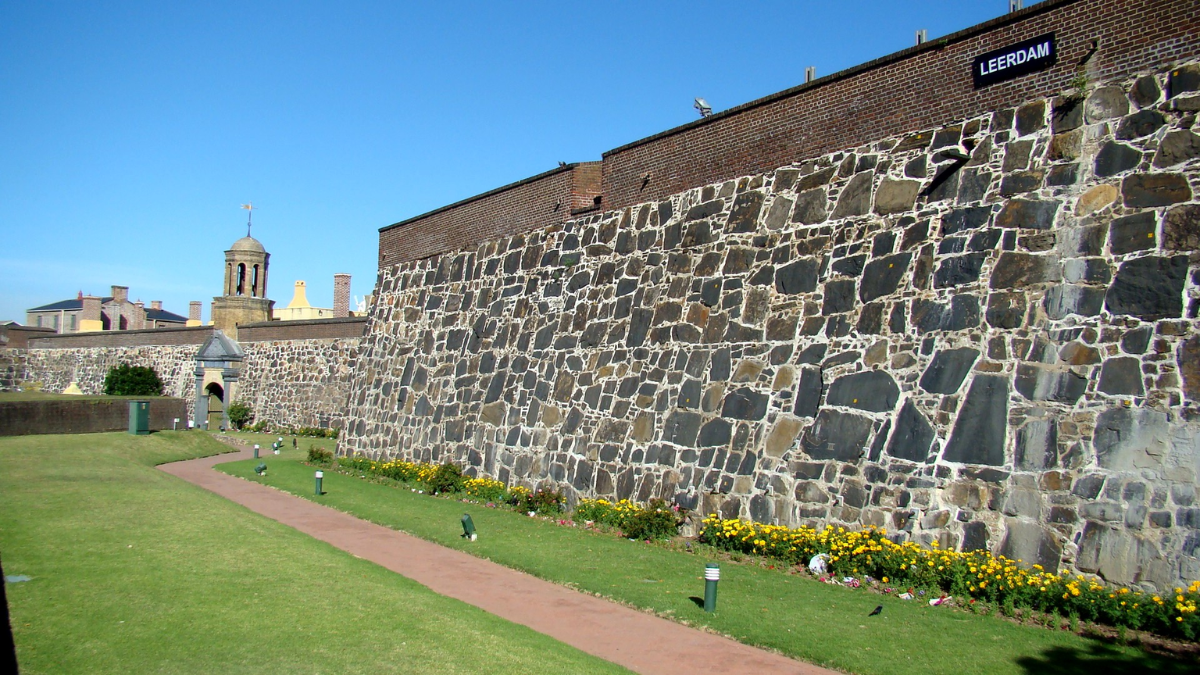
The five-pointed star design, in which the castle has been constructed, is the emblem of the South African Defence Force during apartheid years.
While the building has previously been physically threatened by development, since the end of apartheid in 1994, the new threat to the building is moral and ideological.
The Castle operators have said that shifting the Castle’s symbolic meaning and history as a colonial and oppressive site has been a “significant challenge.”
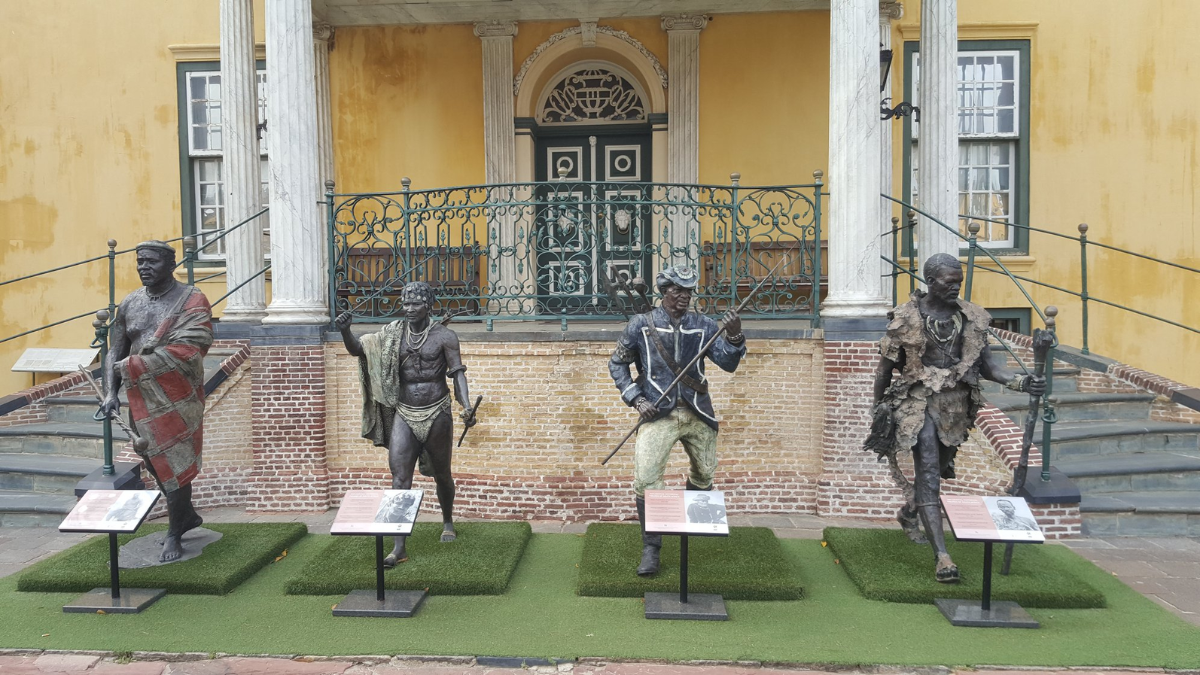
The management of the site has been engaging with indigenous communities and leaders in Khoisan communities, and has opened up the space as a place of dialogue on South Africa’s troubled history.
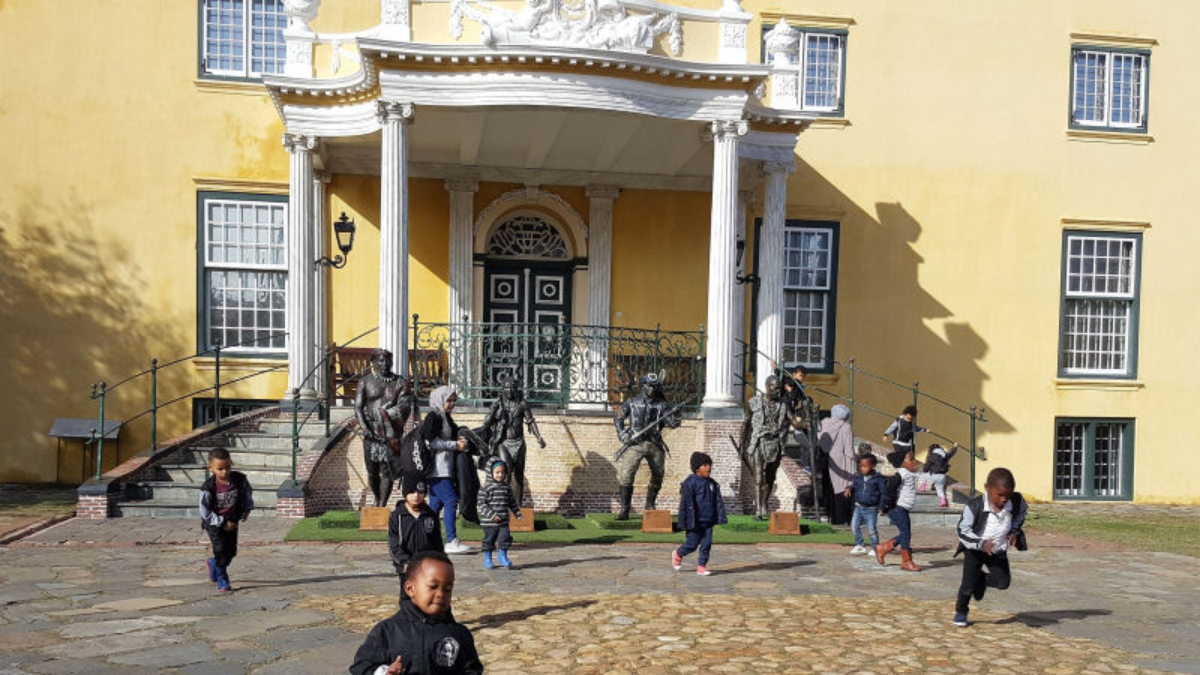
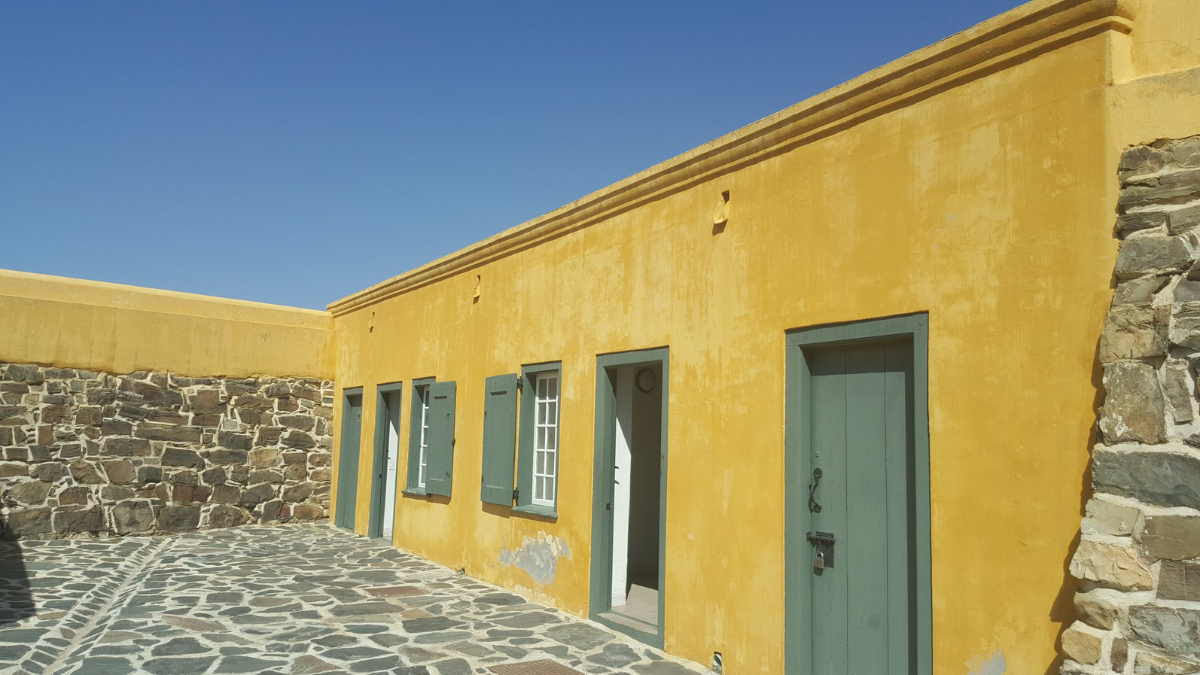
This year, the Castle Board announced the landmark will undergo a restoration, aiming to repair the building’s ageing water lines and repair its yellow façade.
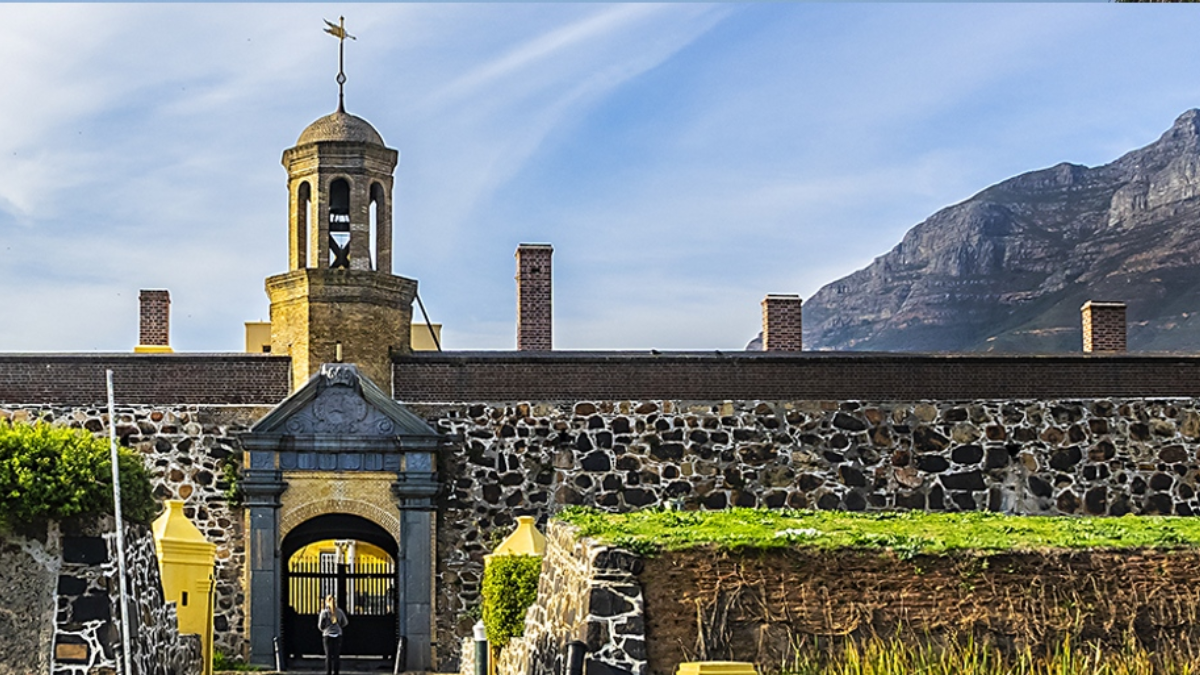
More photos from the Castle of Good Hope:










 Loading ...
“ The only exception was when a mini-limpet mine was detonated within the central area of the castle by Umkhonto we Sizwe, the military branch of the African National Congress (ANC), in 1988.”
Terrorists!
I’ll make sure to visit this next time I’m in CT