
From a township to captaining the world’s best rugby team



Siyamthanda “Siya” Kolisi’s journey from the dusty streets of Zwide township to the pinnacle of international rugby is often cast as a story of improbable triumph.
Yet, behind the headlines lies a more complex narrative: one of resilience, mentorship, and the forging of opportunity in the face of systemic inequality.
As South Africa’s first Black Springbok captain and a two-time Rugby World Cup winner, Kolisi is one of the most consequential figures in modern sport, though he has repeatedly insisted that his achievements are the product of many hands.
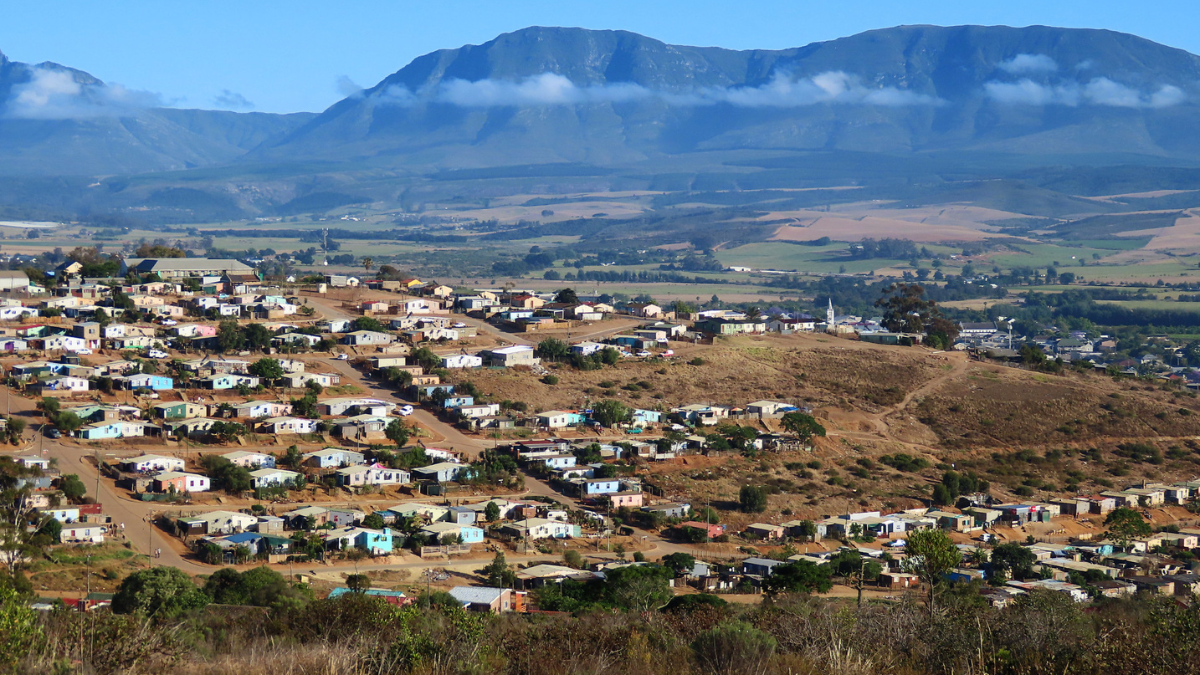
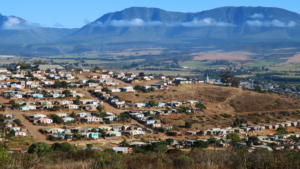
Born in June 1991 in Port Elizabeth, Kolisi spent his early years in Zwide, a township shaped by both hardship and strong community networks.
His mother, who had him at 16, and his grandmother, Nolulamile, played central roles in his upbringing.
After his mother’s death when he was 15, Nolulamile became his primary caregiver.
Kolisi has often reflected that these formative experiences instilled a keen awareness of inequality, responsibility, and the importance of perseverance, values that would later define his leadership on and off the field.
Kolisi’s rugby potential became evident early. At the age of 12, he stood out in a youth tournament, drawing the attention of scouts from Grey High School, one of the Eastern Cape’s elite institutions for sport and academics.
Offered a scholarship, Kolisi stepped into a structured environment that contrasted sharply with township fields: formal coaching, disciplined training, and exposure to high-level competition.
The move from Emsengeni Primary to one of the most prestigious schools in the country was a big one, but Kolisi is said to have adapted extremely well, considering his limited exposure to such an environment.
He has credited this period, and the mentors who guided him, as pivotal in shaping both his rugby skills and his outlook on life.
The rise of Kolisi

Progressing through the Eastern and Western Province youth systems, Kolisi made his senior debut for Western Province in 2011.
A year later, he joined the Stormers in Super Rugby, quickly establishing a reputation as a relentless, intelligent loose forward with an instinct for disrupting opposition play and supporting attack.
His international debut for the Springboks came in 2013 against Scotland, where he was called on early due to injury and delivered a standout performance, announcing himself as a rising force in South African rugby.
Kolisi became a regular Springbok over the next five years, but it was his appointment as captain in 2018 that marked a watershed moment.
In a country still grappling with rugby’s association with apartheid, his leadership carried both symbolic and practical significance.
Yet Kolisi himself framed it plainly: “The responsibility is to serve the team, not represent every struggle,” he said, reflecting a focus on unity and performance rather than political messaging.
His captaincy gained global attention during the 2019 Rugby World Cup in Japan.
Despite a narrow opening loss to New Zealand, South Africa rebounded with disciplined, structured performances, culminating in a decisive victory over England in the final.
Four years later, the stakes were even higher. The 2023 World Cup in France presented a tighter, more contested path, with South Africa’s knockout wins over France, England, and New Zealand decided by a combined three points.
When the Springboks edged the All Blacks in the final, Kolisi became only the second captain in history to win consecutive Rugby World Cups.
Beyond the rugby field
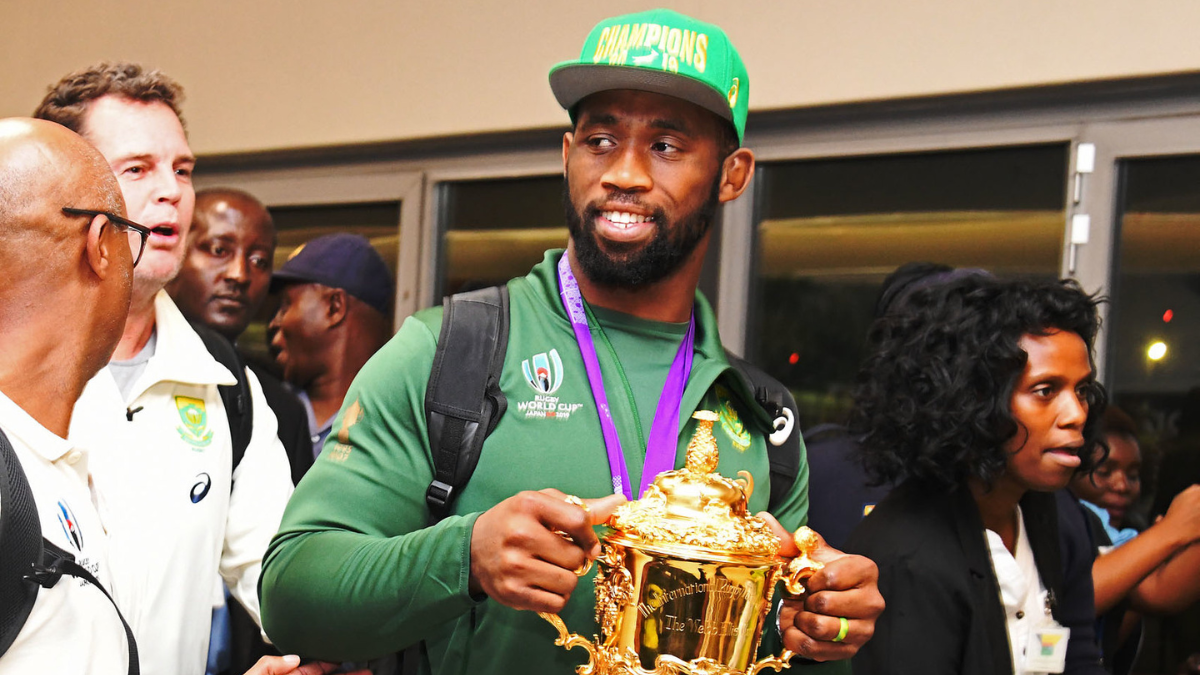
Kolisi’s value to the team extends beyond match results. Teammates praise his emotional intelligence and his ability to bridge social and cultural divides within the squad.
Leadership, for Kolisi, is as much about presence and guidance as it is about tackles or tries.
Off the field, Kolisi has leveraged his profile to address social challenges.
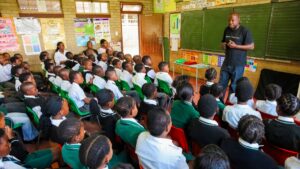
In 2020, he and then-wife Rachel launched the Kolisi Foundation, focusing on reducing food insecurity, supporting survivors of gender-based violence, and improving educational access in township communities.
His public statements frequently return to themes shaped by his upbringing: opportunity, inequality, and accountability.
Even as a globally recognised athlete, Kolisi remains closely connected to the realities of South African townships, advocating for systemic change while acknowledging the limits of individual influence.













 Loading ...
Heartwarming story of a humble, great leader of a dynamic team.Well done Siya;we’re proud of you.