
The anti-elitist South African boys’ school that charges R350,000 per year



St Alban’s College in Pretoria was brought to life out of the dream of a small group of South Africans, hoping to build a school where no child is judged for their background.
Over sixty years later, the school has become one of the most respected and expensive schools in South Africa, charging R353,580 per year for learners boarding at the school.
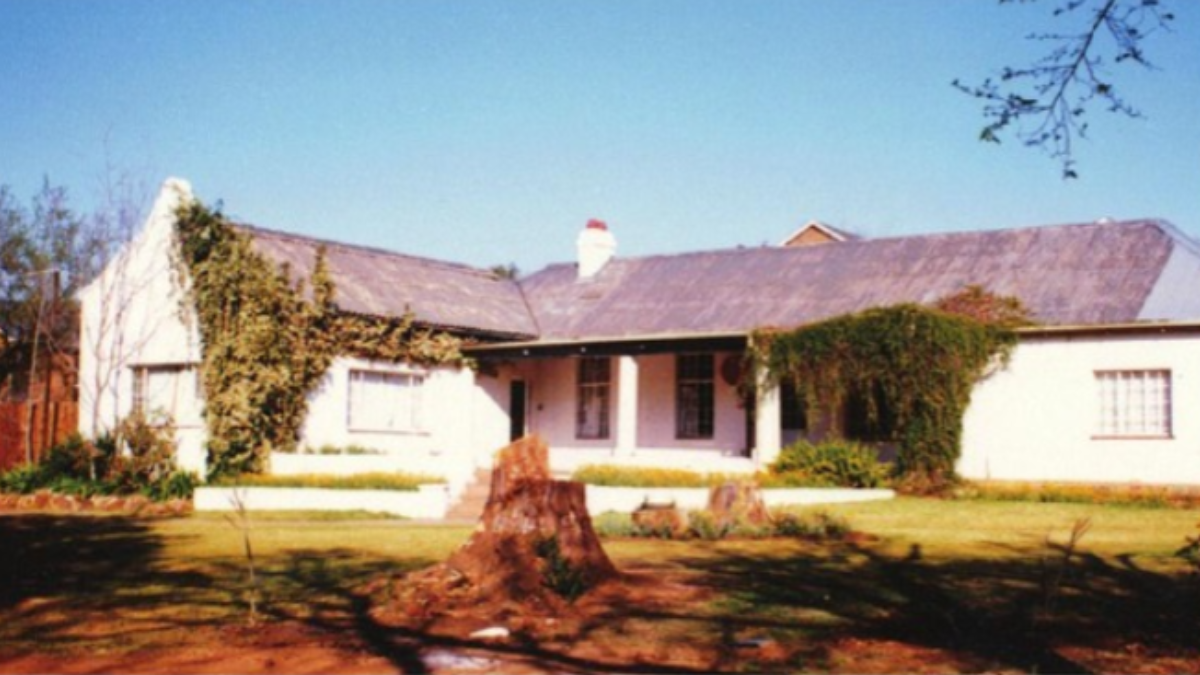
The school was first opened in 1963 on the Struben Farm. It started with 37 boys from Form 1 and 2, including 22 boarders, and eight teachers.
A small, solitary building stood in the muddy fields of Struben Farm on the school’s first day. The school’s chapel began as a small cowshed nearby.
The idea for an independent boys’ school built on the values of the Anglican church was first conceived by Bishop Robert Selby Taylor, who began to make enquiries about starting the school in the Pretoria area in the 1950s.
The bishop approached Mello MacRobert and Monty Knoll, who became the founders of the school and sent their own children there.
Having expanded in its 60 years of existence, the school now boasts eight boarding houses, 600 pupils, and a waiting list for future entries.
“The school finds itself in the privileged position of being the school of choice for families in Pretoria as well as further afield,” said Headmaster Shane Kidwell on the School’s 60 years of operations.
“It is a good place to be, but only because we continue to attract amazing families, boys and staff from all around the country.”
Kidwell added that the school was founded on the guiding principle that “no matter what your background is, no matter what others said of you, if you put your mind to something, you could achieve it.”
Excellence without arrogance
The school’s first headmaster was South African cricket player Anton Murray. Murray played ten Test matches for South Africa as an all-rounder.
Murray held the post of headmaster at St Albans for 20 years, from 1963 to 1983.
Murray’s legacy continues to live on at St Alban’s, with the school’s heavy focus on holistic education that includes sports, culture and academics.
“We believe that sports participation is more than just fun, more than optional recreation. It helps to build character. It teaches leadership,” said Garth Turvey, the school’s director of sport.
“One learns to try harder when things get tough, instead of giving up, to persevere, concentrate, and practise,” he said.
When the school first opened its doors, it had very little equipment or facilities for sport, only two concrete and malthoid practice pitches.
By the end of 1963, two temporary ungrassed cricket fields were built, but when it rained, the boys would have to practice in the dusty cowshed.
The first rugby and hockey field was a piece of flat land with no grass. All matches were played away.
By 1964, the school began constructing its first, very small and temporary pool, and by 1967, the fields were grassed.
The school’s humble beginnings have continued to guide its ethos and the values it aims to instil in each boy – that of “excellence without arrogance” and leading with integrity in a changing world.
St Albans acknowledges, however, that it is now a high-end school, therefore excluding the vast majority of South Africans who cannot afford its fees.
The school offers several scholarships every year, ensuring that any boy who qualifies to study at the school can be admitted, regardless of whether the family can afford the fees.
There are plans to increase the school’s bursary offering in the future, ensuring that, in time, admissions are based on excellence alone and not wealth.
This will propel St. Albans into a future that is inclusive, prosperous, but non-elitist, according to the school.
“Imagine a St Alban’s where any applicant, whether they could afford it or not, was able to have access to our school,” the school muses.
St Albans currently spends R8 million every year on scholarships and bursaries from the school’s own funds.
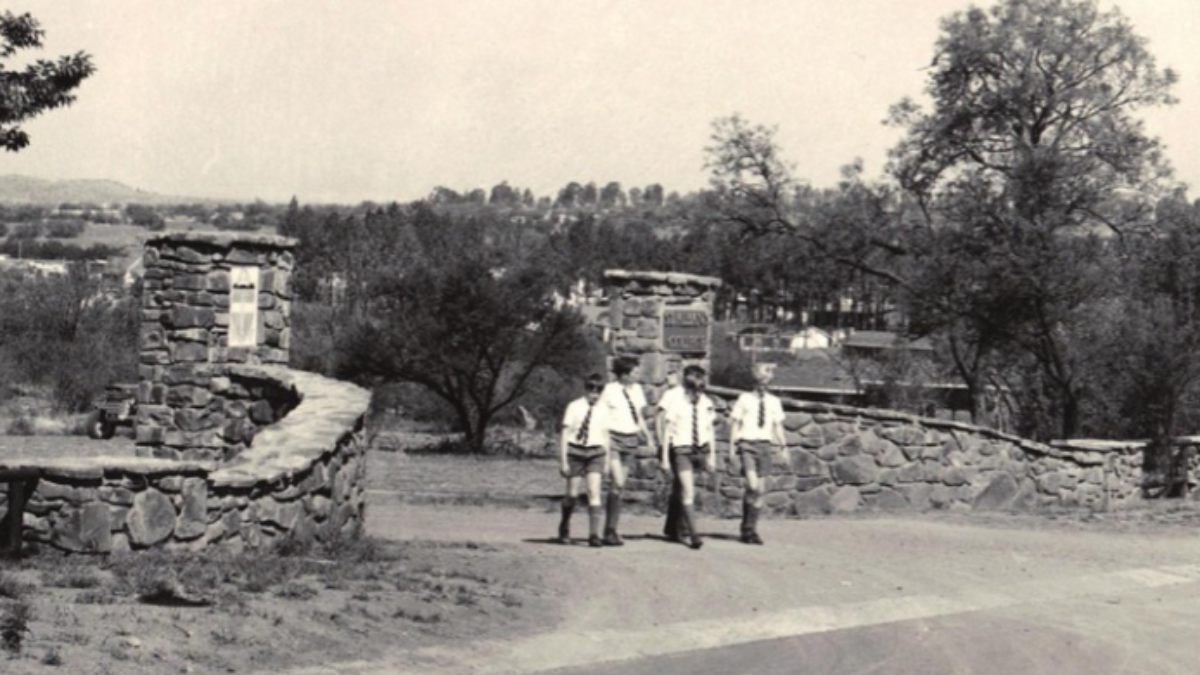
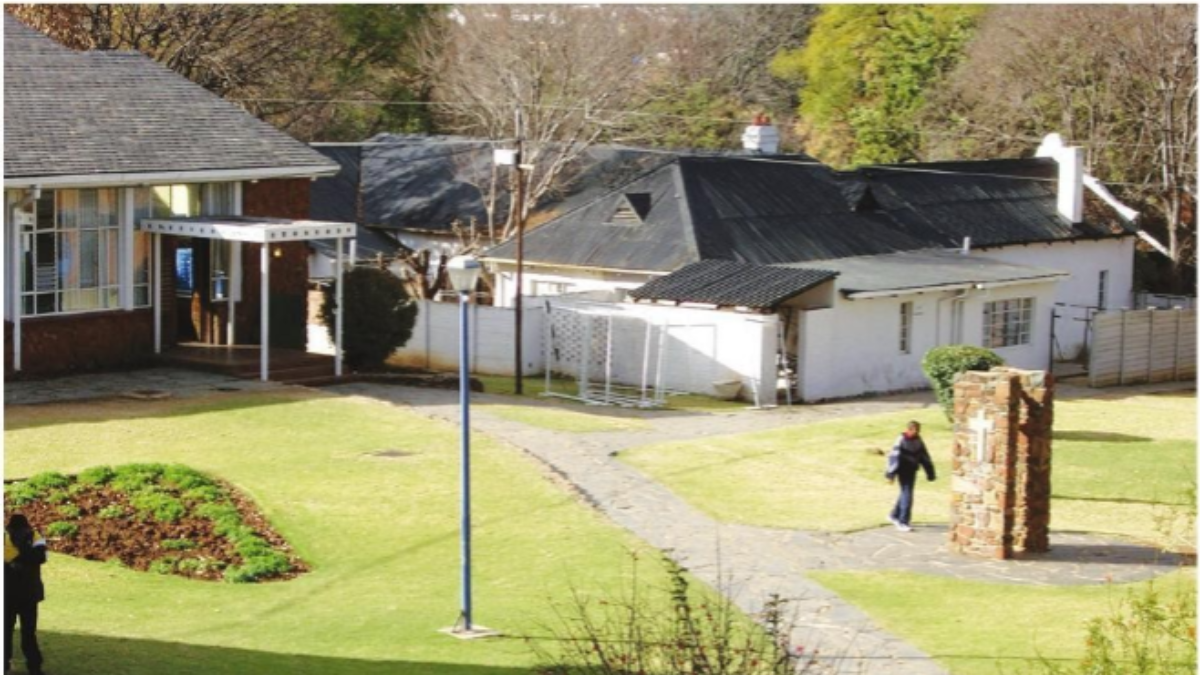
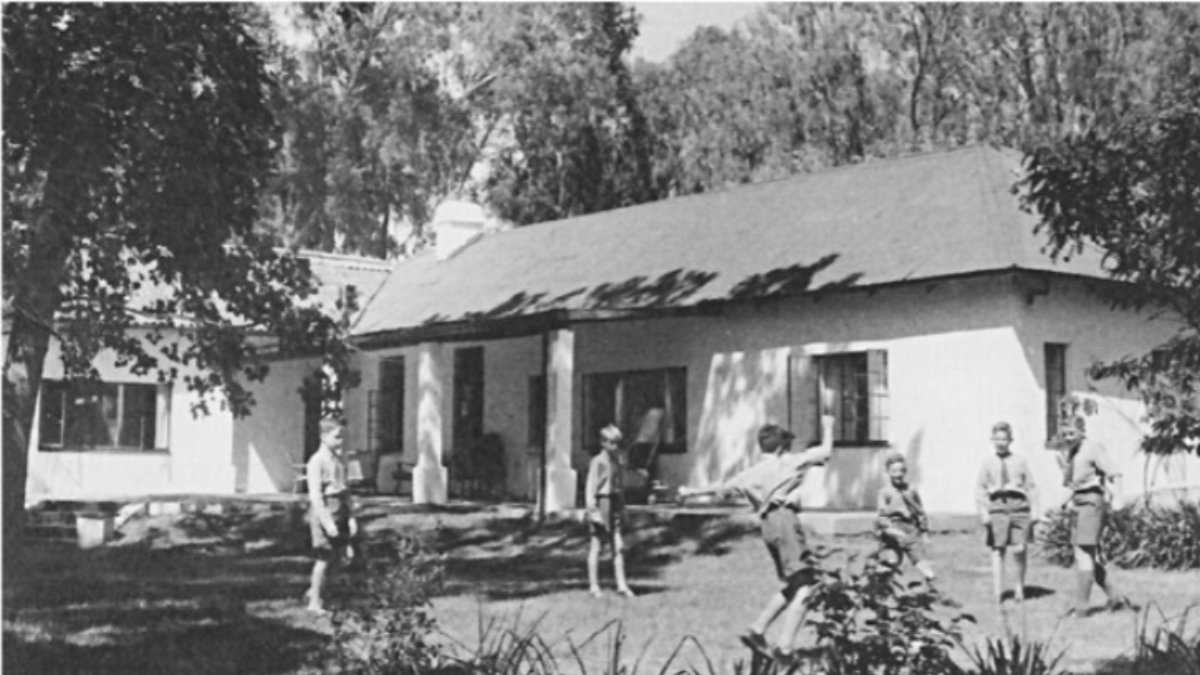
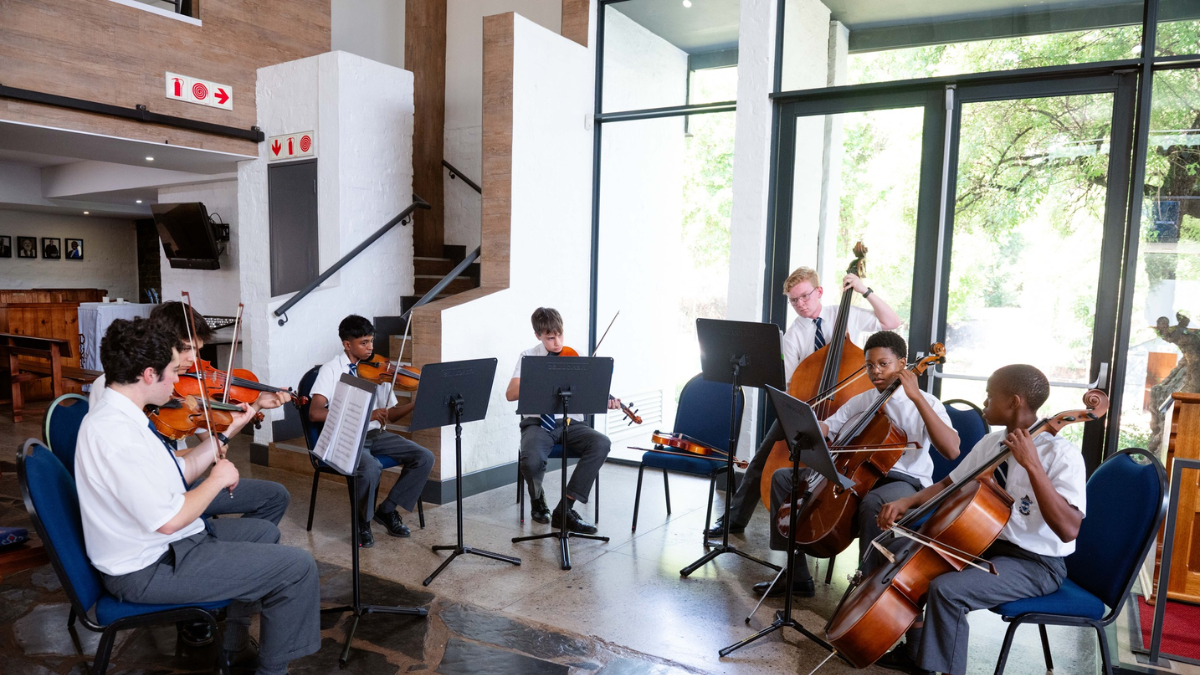
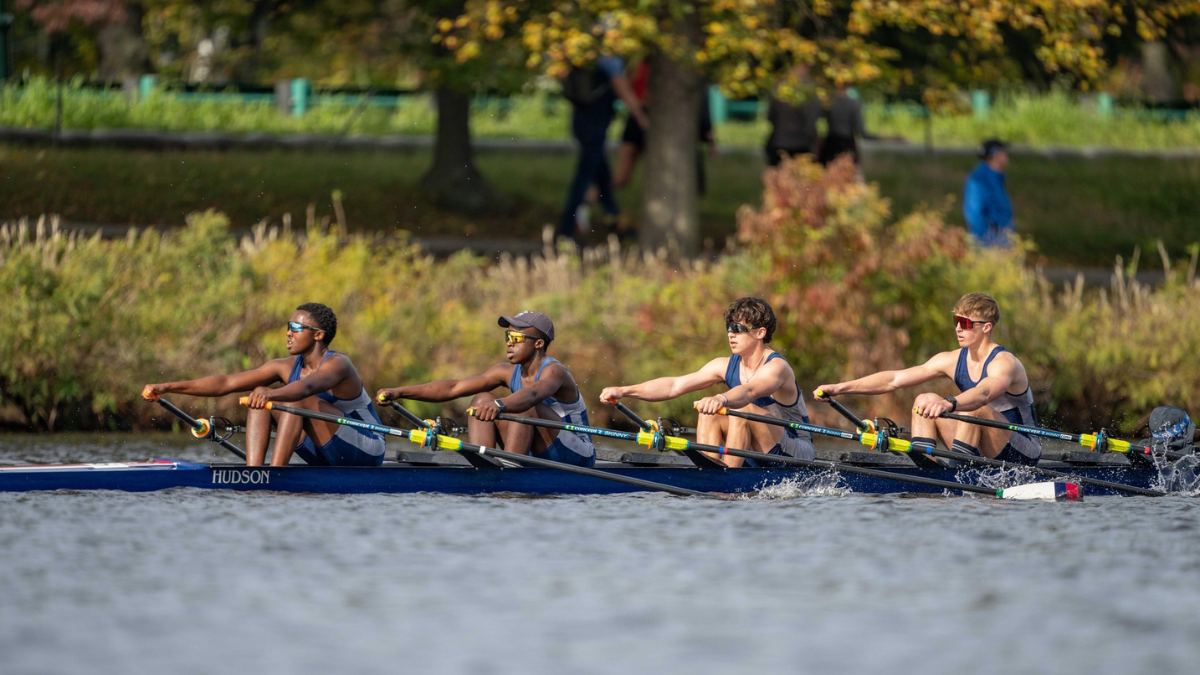
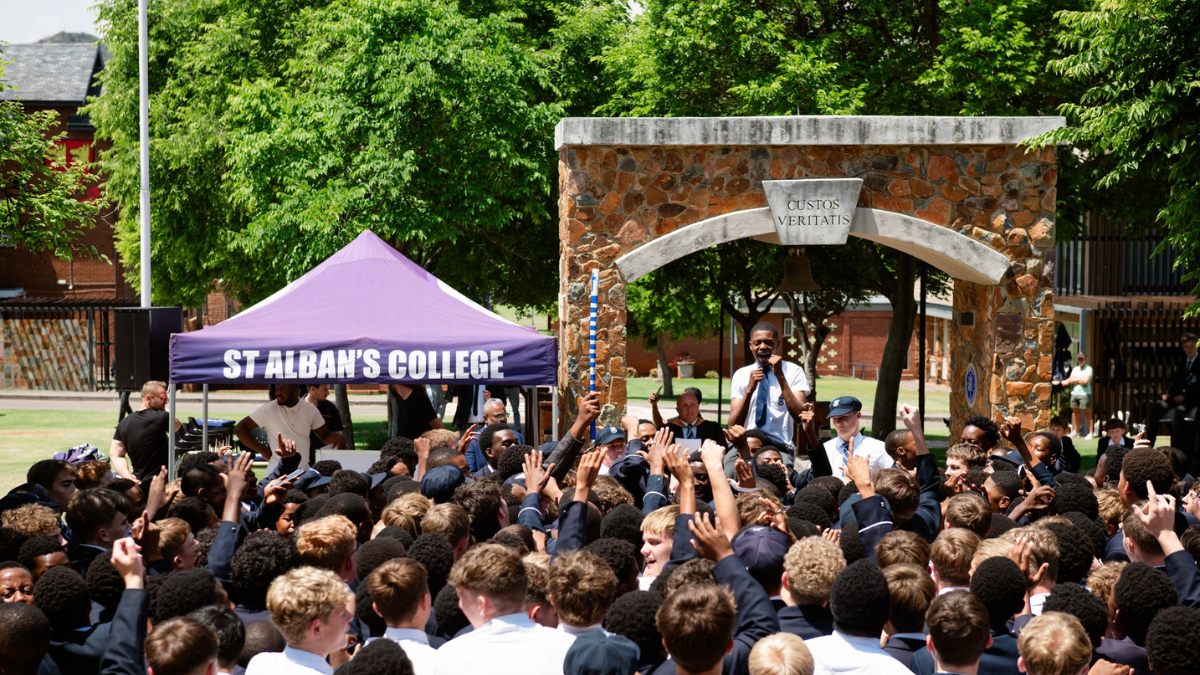
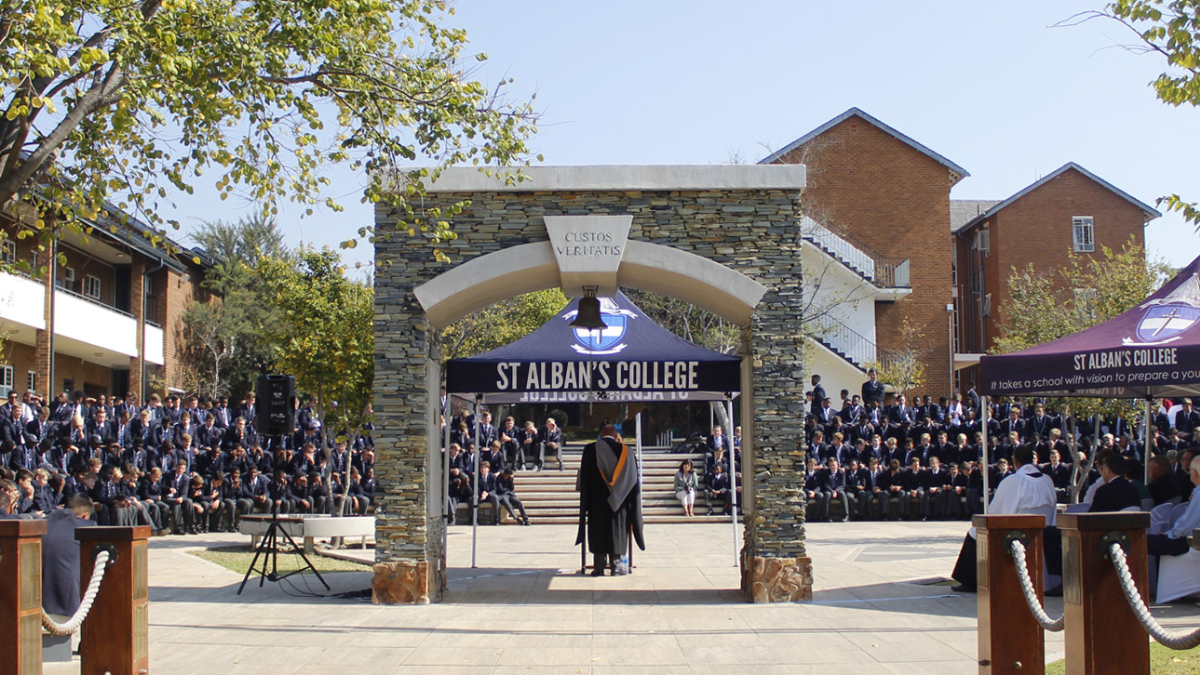
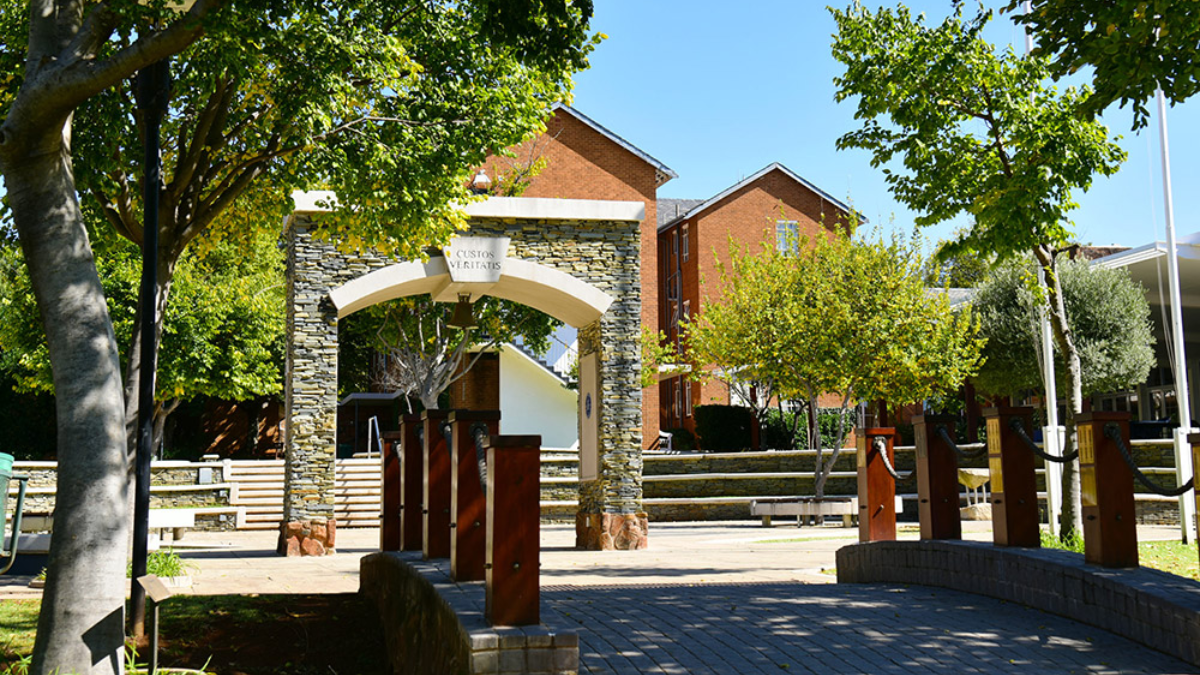
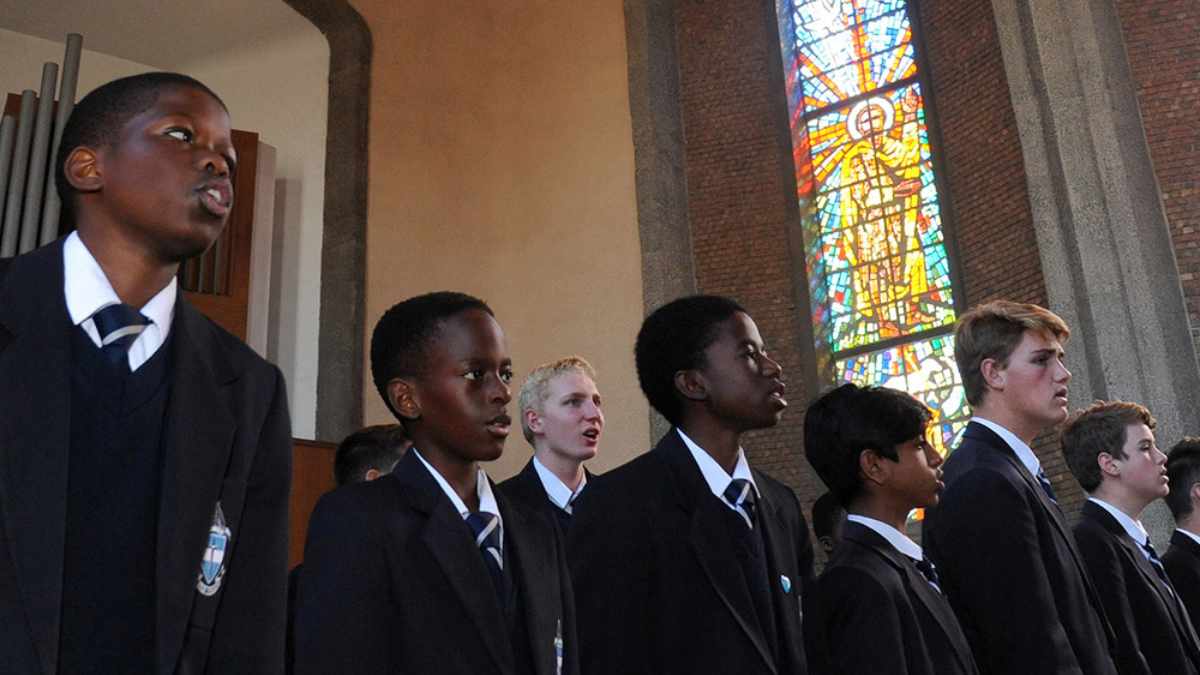
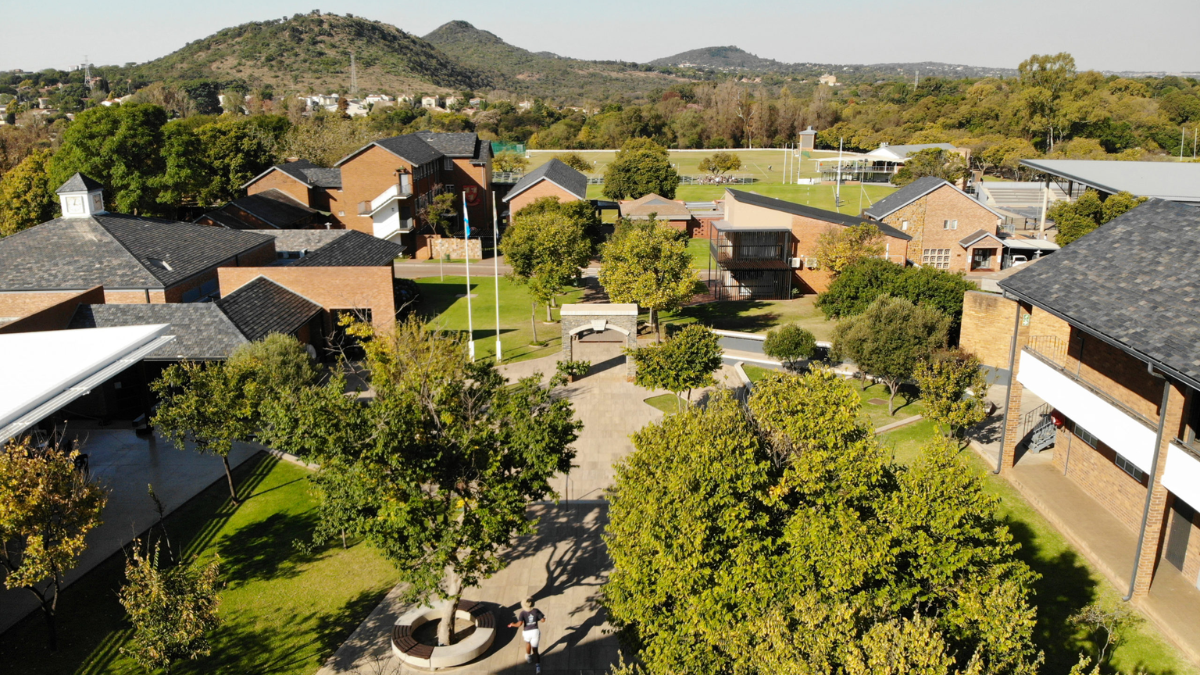
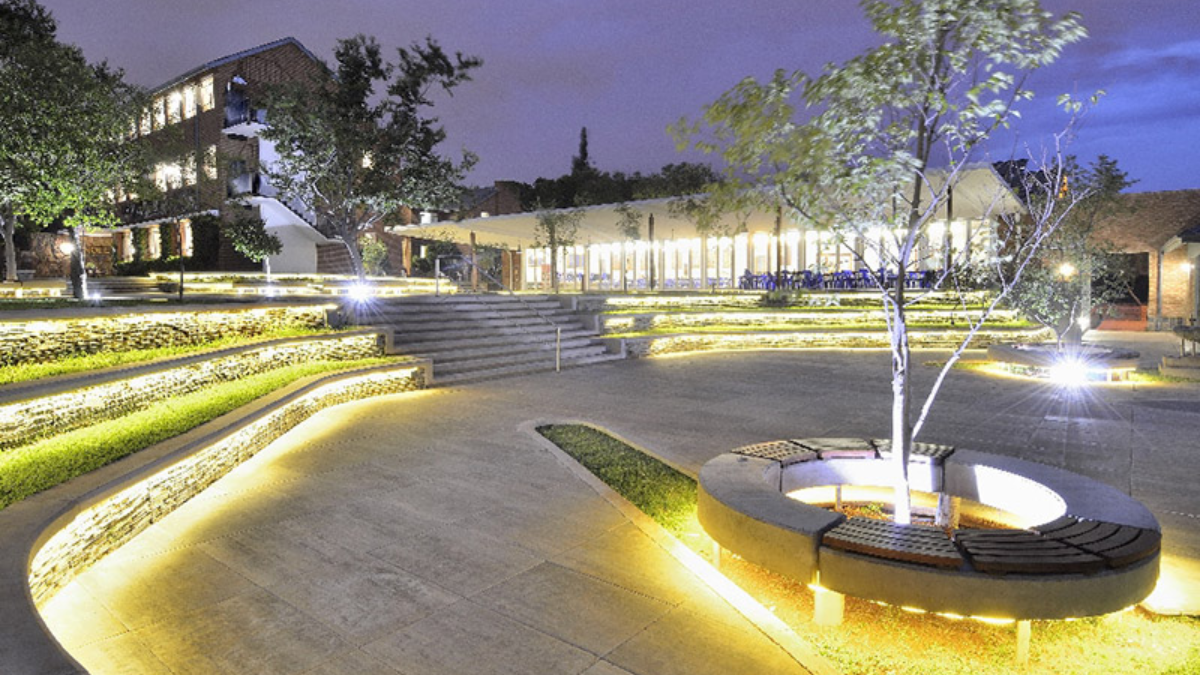
Photos of St Alban’s College













 Loading ...
I am a product of this school, this article embodies the life we lived at St Albans. The ethos is accurate and felt through out the school. Nothing overrated about it. Custos veritatis