
US deals South Africa a major blow



South African exports to the United States will be subject to a punishing 30% tariff starting 7 August, a move that has sent shockwaves through the country’s key industries and triggered urgent calls for a coordinated national response.
US President Donald Trump’s unilateral tariff hike targets South Africa, far exceeding the 15% levied on nations such as Nigeria, Ghana, Lesotho, and Zimbabwe.
The US is South Africa’s second-largest trading partner. In 2024, total bilateral goods trade between the nations sat at R375 billion.
For over two decades, the African Growth and Opportunity Act (Agoa) has provided duty-free access for South African products in sectors such as agriculture, mining, and auto manufacturing.
Trump’s announcement is widely viewed as a death knell for Agoa, even though the programme is only due for review in September.
In response to the escalating crisis, the Department of Trade, Industry and Competition (dtic) has launched a raft of interventions aimed at shielding South African companies and jobs.
Trade Minister Parks Tau confirmed that the dtic has created a dedicated Export Support Desk, which will offer exporters direct support on market diversification, regulatory compliance, and linkages to South African embassies abroad.
“These urgent interventions are part of the dtic’s ongoing commitment to protecting jobs, preserving market access in the United States, and promoting export diversification,” Tau said.
“The stakes are high and we must respond decisively to ensure our export industries remain resilient.”
President Cyril Ramaphosa also confirmed that South Africa had submitted a framework deal to the US and was “finalising a package to support companies that are vulnerable to the reciprocal tariffs.”
“A pivotal moment for South Africa’s trade strategy”

Business Unity South Africa (BUSA), the country’s largest organised business group, described the tariff as a major threat to jobs and investment, warning of severe economic fallout if the government fails to negotiate a trade solution with Washington.
“The delay in finalising a framework agreement between our government and the US to mitigate the proposed 30% tariff is particularly troubling,” said BUSA CEO Khulekani Mathe.
According to BUSA, the automotive sector alone, which exported roughly R24.1 billion in vehicles and parts to the US, could see total tariffs rise to 55% when the existing 25% Section 232 steel duties are included.
This would render South African auto exports “uncompetitive,” placing 20,000 jobs at risk, said the business group.
The agriculture and agro-processing sectors, which export high-value produce like citrus and nuts under Agoa, could lose up to R4.2 billion in export revenue and up to 20,000 jobs, as these products become costlier and less attractive in the US market.
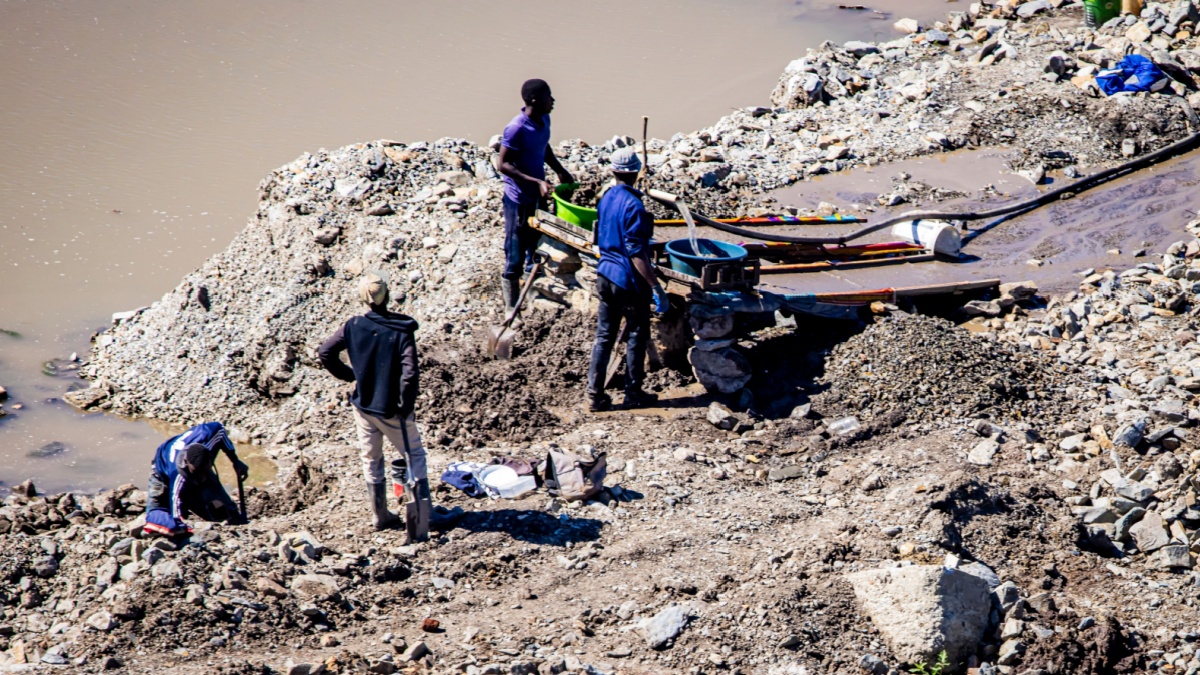
BUSA also flagged risks to the mining sector, where 5,000 jobs in diamond beneficiation and iron ore mining are under threat.
“There is a significant risk of trade being diverted to other regions, such as South America and the European Union,” BUSA warned, citing the success of countries like Japan, the UK, Indonesia, and the EU in negotiating reduced tariffs with the US, even after initial penalties were imposed.
The tariff decision underscores the deteriorating diplomatic relationship between Ramaphosa and Trump.
The US president has repeatedly accused South Africa of enacting “bad policies” and has even suspended aid over claims of alleged discrimination against the Afrikaner minority, allegations the South African government strongly denies.
In May, Ramaphosa held talks with Trump in an effort to mend ties, but the overture failed. Trump has since suggested he may skip the G20 summit in Johannesburg later this year.
Despite this, BUSA believes that a trade deal remains within reach.
“There is an opportunity for a successful agreement to be reached even after 1 August 2025,” Mathe said.
“We must continue to engage the US administration on existing access while building new capabilities, new markets, and a more resilient trade architecture.”
BUSA has called for greater coordination between the South African government and affected sectors, urging a more consultative approach to formulating South Africa’s trade response.
With tariffs imminent and Agoa’s future uncertain, businesses are scrambling to mitigate the damage.
The dtic has acknowledged that while certain goods such as copper, pharmaceuticals, stainless steel scrap, and energy products are exempt, the bulk of South Africa’s high-volume exports will be hit hard.
“The tariff hike poses a direct threat to the country’s export capacity,” said Tau. “Exporters are encouraged to engage directly with the Export Support Desk and visit the dtic website regularly for updates.”










 Loading ...
President Ramaphosa is as usual missing in action. We are in this mess because there is no leadership.