
R400 million of taxpayer funds spent and zero houses built



Nearly a decade after its grand announcement, the much-hyped Daggafontein Mega City project in Springs, Gauteng, remains little more than an empty promise.
Launched in 2016 as a multi-billion rand housing development meant to transform informal settlements into permanent homes by March 2023, the project has yet to see a single house built — despite almost R400 million already spent.
While some internal roads and services have been completed, the sprawling 750-hectare site stands largely untouched.
Meanwhile, nearby informal settlements such as Daggafontein, Kwasa Village, N1, Hollywood, Schoonplaas, Gugulethu, and Everest, along with backyard dwellers in Springs and Kwa-Thema, continue to expand.
The Daggafontein Mega City was envisioned as a flagship solution to Ekurhuleni’s housing backlog and growing homelessness.
It was one of 15 mega projects identified by the Gauteng Department of Human Settlements (GDHuS) to deliver up to 18,000 homes, ranging from RDP units and social housing to affordable rentals and bonded properties for middle-income earners.
Beyond housing, the plan promised a self-contained community, with schools, clinics, shops, sports facilities, and even space for urban farming, as well as thousands of temporary and permanent jobs to boost the local economy.
When former Premier David Makhura, then Human Settlements MEC Paul Mashatile, and former Ekurhuleni Mayor Mzwandile Masina turned the sod in September 2017, completion was set for March 2023. Residents are still waiting.


Pricy foundational work
In 2017, developer Rodash 117 purchased land in Daggafontein, Springs, for R170 million and entered into a development agreement with the GDHuS to deliver a 17,000-unit “mega” housing project.
Rodash was appointed the turnkey developer, while the CoE was tasked with providing bulk infrastructure.
According to a 2019 Gauteng High Court filing, the project was meant to create a mega township consisting of 17,000 individual stands over five years commencing from 2018.
The plan aimed to ease Ekurhuleni’s housing backlog by combining RDP homes, social housing, and bonded units with schools, clinics, and business zones.
Kitso Botlhale Consulting Engineers were contracted to handle the design and tender phases, while TCT Civils was appointed in early 2020 to install civil engineering services.
However, progress soon stalled. TCT’s contract lapsed in December 2022, and the City later said it was re-appointing a new service provider to finalise the bulk water line.
A site visit shows that no houses have been built, though some roads, stormwater drains, and water and sewer reticulation had been completed. Much of that infrastructure has since begun to deteriorate.
CoE spokesperson Zweli Dlamini attributed delays to “issues with service-provider appointments” and funding shortages.
Residents from nearby informal settlements say work on the site has been intermittent for months.
Hundreds of millions spent on the Daggafontein Mega City


GDHuS spokesperson Tahir Sema said that to date, the provincial department has spent R77.57 million through the Human Settlement Development Grant (HSDG) on the installation of internal services.
Sema said that they have completed infrastructure for water and sewer reticulation, as well as road and stormwater systems, for 1192 future walk up housing units.
On top of this, looking at the City’s Annual Reports since they began reporting on capital expenditure on the project in the 2018/19 financial year, through the HSDG.
According to these reports, to date, expenditure has been reported at:
| Financial year | Actual expenditure | Variance from the original budget |
| 2018/19 | R34.92 million | 0% |
| 2019/20 | R118.9 million | +137% |
| 2020/21 | R62.81 million | +116% |
| 2021/22 | R36.49 million | +4% |
| 2022/23 | R45.81 million | +31% |
| 2023/24 | R14.25 million | +43% |
| Total reported | R313.18 million |
However, the reports contain some inconsistencies. For example, the 2019/20 report stated that R202 million had been spent on the project.
Then, in its 2020/21 report, after disclosing an additional R62.81 million on the project, the City repeated that it had “spent R202 million to date” on design and construction of water and sewer internal services.
Looking forward, Dlamini said that the GDHuS is busy making appointments for the top structure service provider for phase 1 of implementation.
Sema said that actual housing construction can only begin once the CoE finishes the bulk infrastructure.
The city said it has set aside R12 million for the 2024/25 financial year to finalise the roads and stormwater and water bulkline. However, this was later adjusted to R9.91 million.
In the 2025/26 financial year, R8 million has been set aside.
Now, the total completion of phase 1 (Extension 4) is estimated at R670 million, and the timeline for completion is now expected in 2029/2030.
“Completing the project will guarantee that 18,000 people who are on the waiting list finally realise their dream of owning a decent house,” said the CoE spokesperson.
“The City is committed to fast-tracking all the mega projects and address the issue of homelessness in our society,” said Dlamini.
“As and when funds are made available, this programme shall be accelerated. We remain committed to restoring the dignity of our people,” he added.
Sema said that further investment and inclusion in the provincial department’s multi-year business plan will proceed once the CoE completes the necessary bulk infrastructure to “ensure fiscal discipline” in line with the PFMA.
He added that the GDHuS has put systems in place to fast-track project delivery, including prioritising mega projects, coordinating with municipalities, and monitoring performance.
He said a provincial task team also works to unblock delays, align projects with spatial plans, and escalate urgent issues to leadership. They are focused on improving their planning, budgeting, and implementation processes in line with the PFMA.
“The Department remains committed to transparent, responsive, and accountable delivery of sustainable human settlements.”
Freedom Font Plus’ Rudolf Herbst said that “the current developments are not in line with the Metro’s vision outlined in its Integrated Development Plan (IDP)… which emphasises sustainable human settlements and improved quality of life for all residents.
“This is unacceptable in the Freedom Front Plus’s view. Ekurhuleni residents deserve transparency and accountability in these projects.”
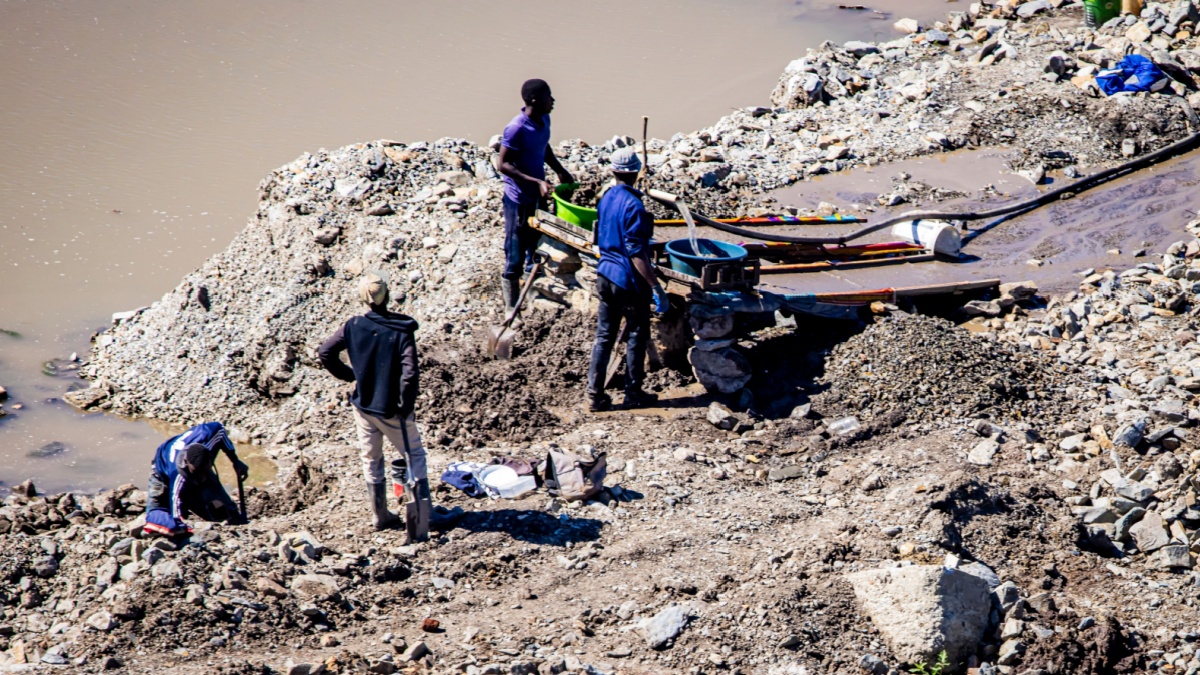
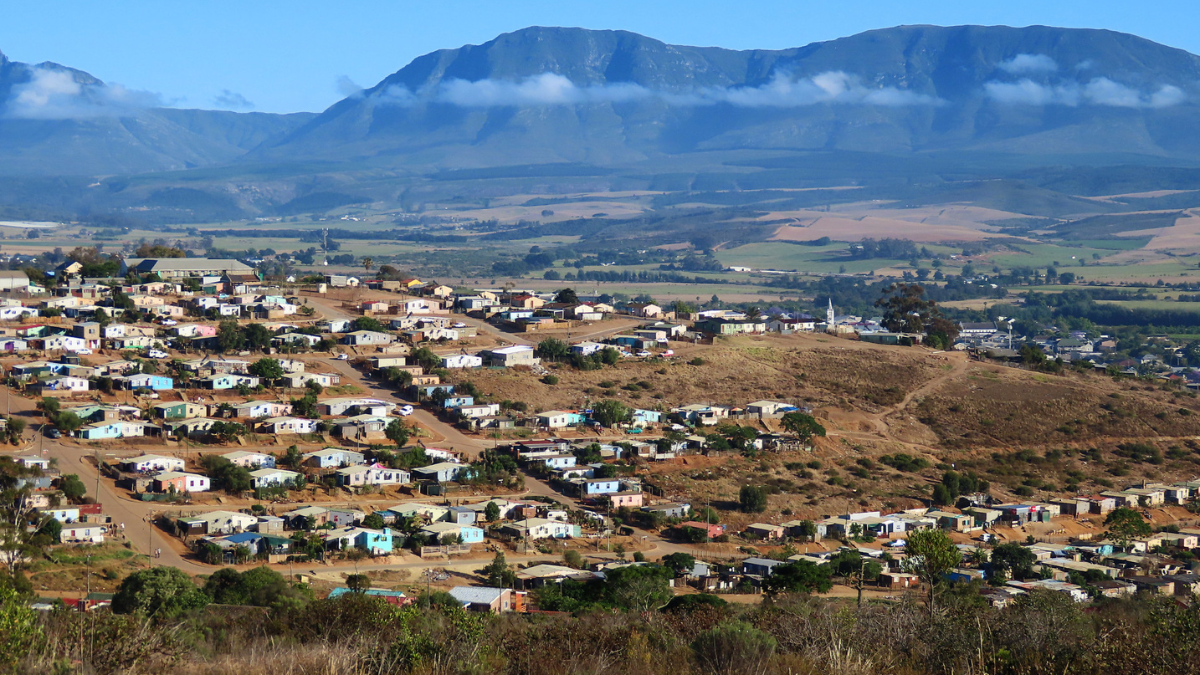
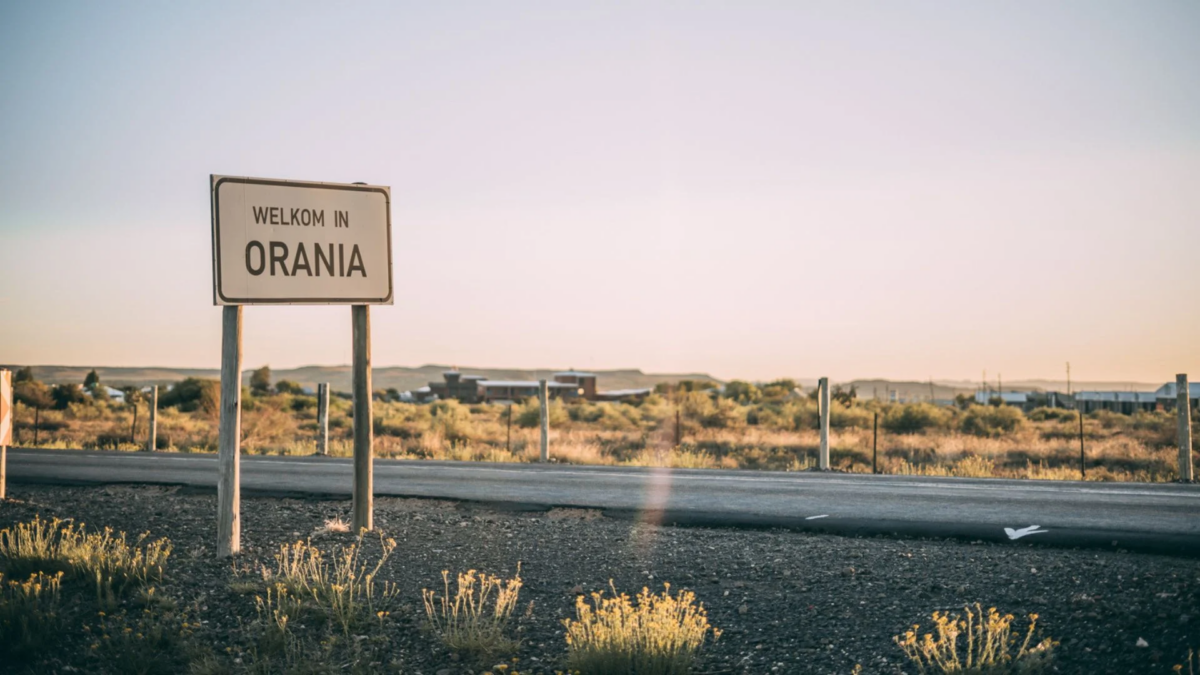
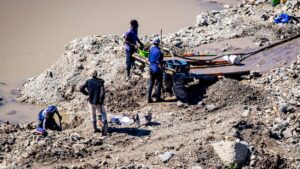
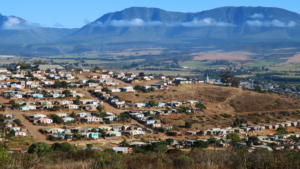
Images of the Daggafontein site now











 Loading ...
Another day and another disaster report highlighting yet again, the shocking incompetence of the ANC led government. Here’s a question; is there any ANC managed entity or ANC led project which is a success since there elevation to political power30 years ago?