
Renaming the Kruger National Park would cost millions and hurt tourism in South Africa



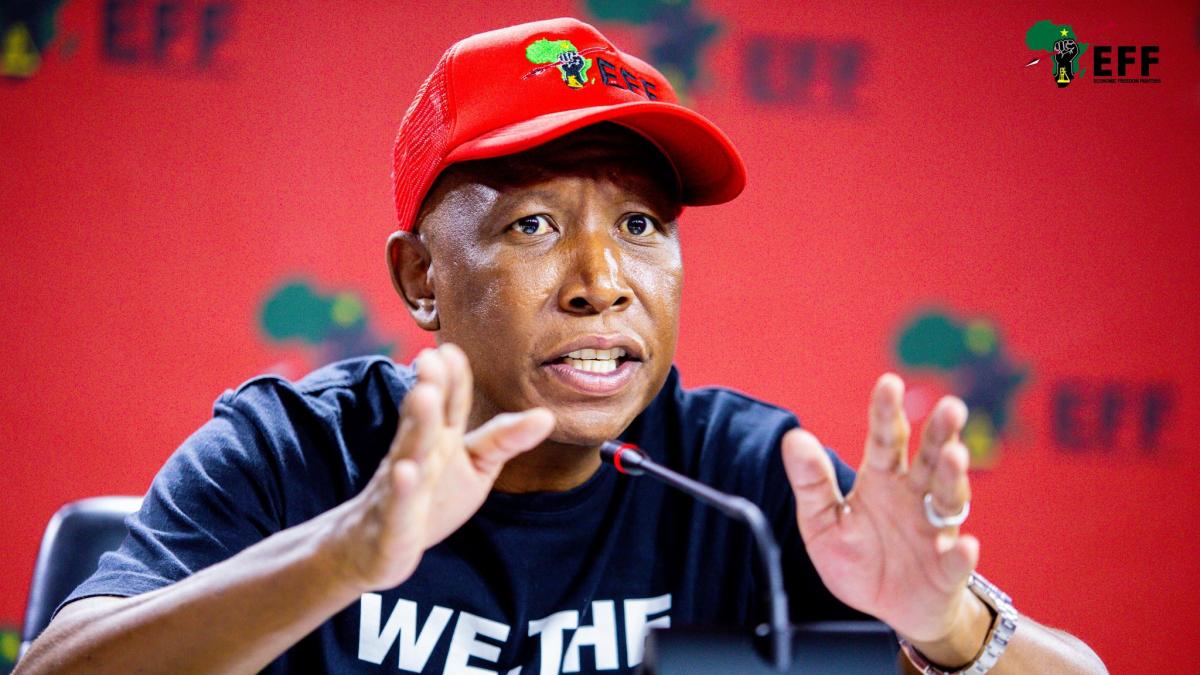
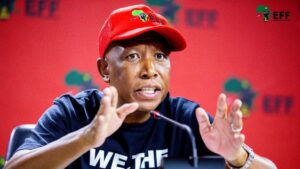
The Economic Freedom Fighters (EFF) recently introduced a motion to change the name of Kruger National Park to Skukuza National Park, which was accepted by the Mpumalanga Provincial legislature.
The EFF said that the name Kruger, from former president Paul Kruger, is named after a “vicious racist who sits as the pride of Afrikaner exceptionalism, invasion and land theft.”
The process to change the park’s name is, however, not as straightforward as a successful vote in the provincial legislature.
According to the Department of Sports, Arts and Culture, the process for changing the name would begin with a compliant application being sent to the Provincial Geographic Names Council (PGNC).
A public consultation process would follow, which must include local authorities, and objections must be dealt with.
Where a person’s name is proposed, such as in the case of Kruger National Park’s proposed rename to Skukuza, there must be consultation and signed consent from affected family members.
The name Skukuza comes from the Tsonga name for James Stevenson-Hamilton, first warden of the Sabie Game Reserve, which was the forerunner of the Kruger National Park.
The name means ‘he who sweeps clean’ and refers to Stevenson-Hamilton’s efforts to control poaching. Stevenson-Hamilton was a driving force behind the establishment of the Kruger National Park
Following this consultation process, the proposal would then be submitted to the South African Geographic Names Council (SAGNC), which checks the application before the decision finally lies with the Minister of Sport, Arts and Culture.
The Mpumalanga province does not own and operate the Kruger National Park; it is managed by SANParks at a national level. Therefore, this is not a provincial decision.
Mpumalanga can, however, initiate this process by sending a complaint application to the council. It is not clear if the provincial legislature plans to do this, but widespread criticism has indicated that the proposal will likely be stalled in the public consultation process.
Rachel Nxele, Vice Chairperson of the South African Tourism Services Association (SATSA), recently appointed to the board of SANParks, told Newsday that changing the name would be expensive and damaging to tourism.
“Changing it would confuse international markets, erase decades of marketing value, and require the travel trade to reprint brochures, redesign itineraries, and reconfigure booking platforms, at the risk of redirecting demand to competitors like the Serengeti or Okavango Delta,” she said.
The rebranding process, from signage to uniforms, to digital systems and global campaigns, would cost “hundreds of millions of rands,” she said.
To complete this, SANParks would be forced to redirect funding away from conservation, anti-poaching and community development.
At the same time, Nxele warned that politically charged changes of this nature could create perceptions of instability, undermining tourist confidence.
Would cost millions to rename the Kruger National Park

Civil rights group Afriforum similarly worried that the renaming process would have “unnecessarily costly rebranding implications,”
“This will result in serious wasteful expenditure. It will likely confuse international tourists and ultimately damage the country’s reputation as a tourist destination,” said Afriforum’s Advisory for Environmental Affairs, Marais de Vaal.
North West University Professor Elmarie Slabbert, who is the director of the research unit Tourism Research in Economics, Environs and Society, agreed.
“Kruger is arguably one of the most famous wildlife brands in the world. It is mentioned alongside names such as the Serengeti and Yellowstone,” she said,
“Renaming it would, without doubt, dilute that value in the short to medium term, as it would take considerable time for a new name to gain the same level of international recognition.”
With these costs aside, Slabbert agreed that the name, Skukuza National Park, might resonate more strongly with local communities, which is an important consideration.
Slabbert stressed, however, that South Africa currently cannot afford to lose international visitors and cannot risk creating confusion around flagship attractions.
“Renaming would almost certainly lead to short-term brand loss, visitor uncertainty, and broader economic costs across the tourism sector.”
She added that in the long term, such a change may be beneficial for cultural inclusivity and repositioning, but that now is not the right time to pursue this, especially considering South Africa’s tourism numbers have not yet returned to pre-COVID-19 levels.
The Democratic Alliance (DA) opposed the proposed name change, adding that it believes retrospective name changes “waste millions of rands and do not build unity in South Africa.”
“Unless geographical names are very hurtful or otherwise indisputably offensive, existing names should be retained,” said DA National Spokesperson Willie Aucamp.
Civil rights group, Afriforum, criticised the party and said that this statement is a “willful distortion of facts” and that Kruger’s contribution to the establishment of the park should be respected.










 Loading ...
The VBS thief talks nonsense constantly