
South African sugar farmers face a double whammy



Nkosinathi Msweli’s sugar cane farm in KwaDukuza – a rural, largely poor region on South Africa’s eastern coast – has for three decades been a solid, albeit small, economic success story, employing eight full-time staff and 30 seasonal workers.
But cheap sugar imports were already eating into his earnings when U.S. President Donald Trump announced a steep tariff on South African imports, creating what Msweli called a “double whammy” that now leaves the 53-year-old facing tough choices.
“All in all, I will have to cut about 20 workers from this current season,” he told Reuters, as he watched his labourers chop cane from soot-blanketed fields. “The person that is here in the field maybe has 10 lives that he’s supporting.”
South Africa’s sugar industry, valued at around 25 billion rand ($1.42 billion), directly and indirectly supports over 300,000 jobs in a country with one of the world’s highest rates of unemployment.
And in a nation where agricultural land ownership is still dominated by a white minority – a legacy of South Africa’s apartheid past – its nearly 26,000 small farmers, who work alongside 1,100 large-scale growers, are predominantly Black.
A combination of market factors and politics, however, is exposing the sector to growing headwinds.
South African farmers are struggling to compete with cheap imports, including from neighbouring Eswatini, which benefits from preferential access under a regional customs treaty. Depressed global prices resulting from large harvests in major producers like India and Brazil have, meanwhile, added to the pain.
And Trump’s 30% tariff on imports from South Africa is set to deal a blow to exports.
South Africa had previously benefited from a duty-free quota for 24,000 metric tons of sugar exports to the U.S. market under Washington’s flagship trade initiative for the continent, the African Growth and Opportunities Act.
While accounting for a relatively small 5% of total sugar exports, the South African Cane Growers’ Association said the U.S. has served as a premium market that offered high prices, helping to sustain domestic jobs.
The scale of potential job losses remains unclear. But the industry association is urging the government to secure a trade deal with Washington that would safeguard exports to the United States.
“If we don’t have good trade relationships with the U.S., it’s going to be detrimental, not just to our sector, but to many others as well,” said Pratish Sharma, a member of the association’s board.
Any deal, if it comes, will likely be too late for this season, however. And as Msweli calculates the costs, he knows there’s suffering on the horizon.
“All this is going to cause starvation and hunger,” he said.
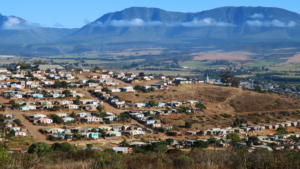
Images of Nkosinathi Msweli’s sugar cane farm


- Reporting by Sisipho Skweyiya; Writing by Nelson Banya; Editing by Olivia Kumwenda-Mtambo and Joe Bavier












 Loading ...
The should sue Afriforum and Elon Musk for their white genocide lies.