
The difference between BEE and Afrikaner empowerment



The primary difference between Black Economic Empowerment (BEE) and the Afrikaner empowerment movement is each’s dependence on the state.
According to Freedom Front Plus (FF+) leader Dr Corné Mulder, the Afrikaner empowerment movement against British rule was founded on complete independence from the state.
Mulder discussed a debate he had with President Cyril Ramaphosa regarding the outcomes of BEE, adding that the ANC leader brought up the fact that Afrikaners had implemented a similar system in the early twentieth century.
“After the Second Anglo-Boer War, you had what they call the poor white question, but it was basically the poor Afrikaner question, because they were the targets of the war,” Mulder said.
“So there was a report called the Carnegie report, which basically stated that if you make people dependent on the state, you create a dependency they can never escape.”
Mulder argues that, as a result, Afrikaners began various processes in about 1918 to create an economy and to “take care of themselves.”
He says this included forming various cooperatives and institutions, which included Federale Volks Belegings, Volkskas, which later became ABSA, Santam, and Sanlam.
However, Mulder points out that this Afrikaner empowerment process started before the National Party came into power and passed laws to further ensure Afrikaner economic security.
“All these institutions were created by the Afrikaner even before 1948. They were created in the 1920s, 30s, and 40s,” he said.
“So they were empowering themselves, and interestingly enough, that psyche is still with the Afrikaners today. If you look at the solidarity movement, their philosophy is ‘we will do it ourselves.’”
The FF+ leader points out that the organisation has built a private technical college called Sol-Tech and an academic university called Akademia, all of which have been done without government subsidy.
He added that he is aware of the fact that state empowerment took effect from 1948, which excluded people of colour in South Africa, when the NP came into power.
However, Mulder emphasises that the philosophy has remained the same throughout.

Serving a select few
Broad-Based Black Economic Empowerment is a government policy that aims to increase economic transformation and the economic participation of Black people in South Africa.
According to the policy, Black people include African, Coloured, Indian and Chinese people.
Similar to the Afrikaner empowerment movement that was founded on the back of the Anglo-Boer War, B-BBEE was established to address the extreme levels of inequality brought about by the apartheid regime, which excluded people of colour from the economy.
However, the policy has drawn criticism from across the board, including Mulder, who argues that while something like B-BBEE is necessary, the way it has been implemented has significantly hindered the South African economy.
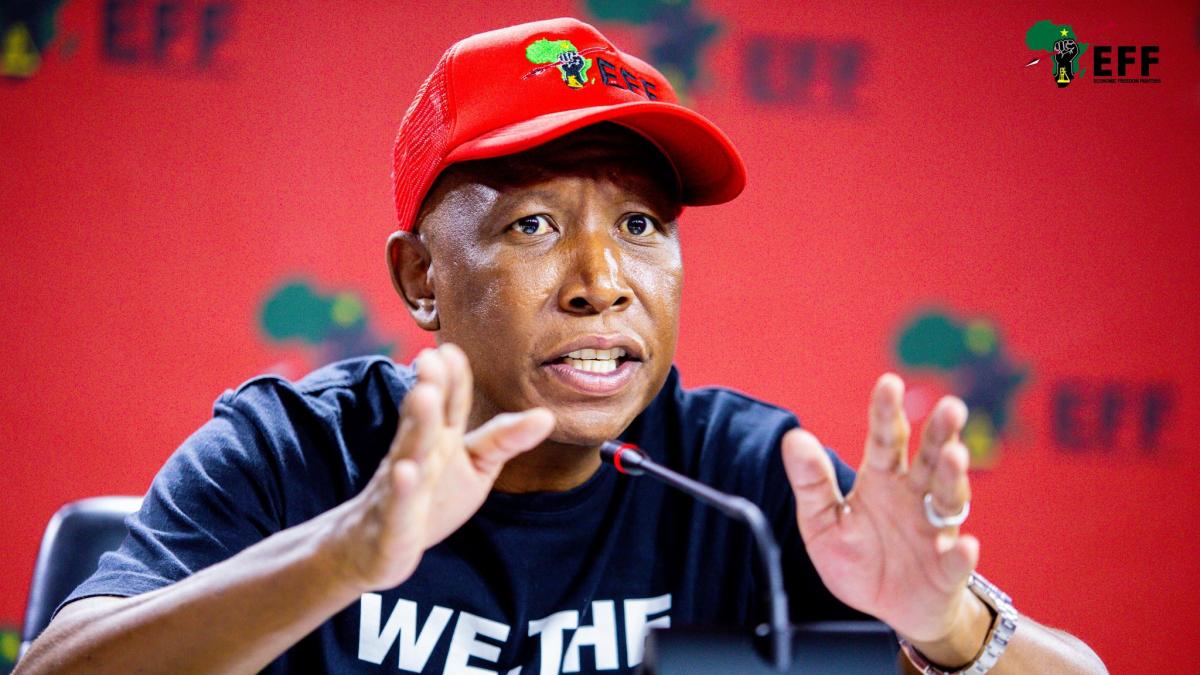
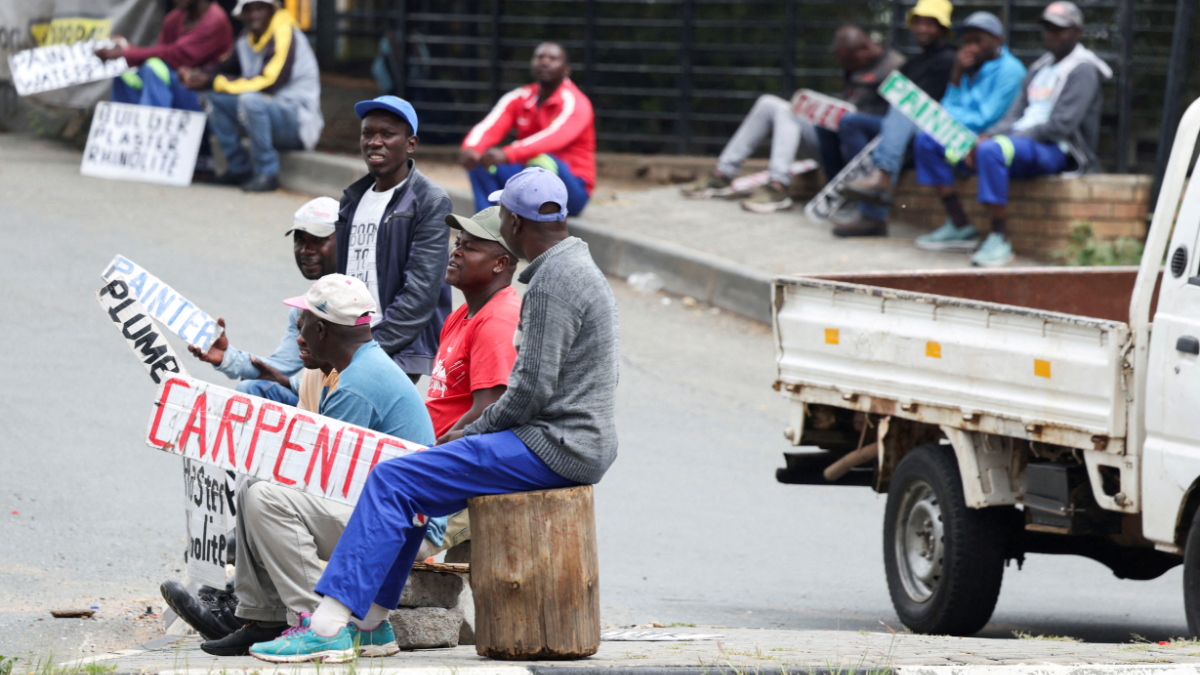
The policy’s primary criticism is that it has only empowered a select few, instead of all those who fall within the policy’s definition of Black people.
“We have struggled to get to 1% growth for the past fifteen years, and our population is growing, which means that we are all getting poorer,” Mulder says.
“I believe that this is because of BEE, because that policy does not empower all non-white people. It has only empowered a small elite.”
Political economist Moeletsi Mbeki has made a similar argument, saying that while BEE is framed as addressing historical injustices, it primarily enriches “a small political elite within the ANC.”
He says that BEE “does not create new wealth. It does not create new entrepreneurs” but incentivises becoming “parasitic on the existing companies and at the same time becoming parasitic on the state.”
Research by Professor William Gumede of the Wits School of Governance about BEE supports this point. He found that R1 trillion has been moved between under 100 people since 1994. The same people have been empowered and re-empowered over and over.















 Loading ...
I do not have to add anything. Dr Mulder and Moeletsi Mbeki said it all.