
New rule for marriage in South Africa


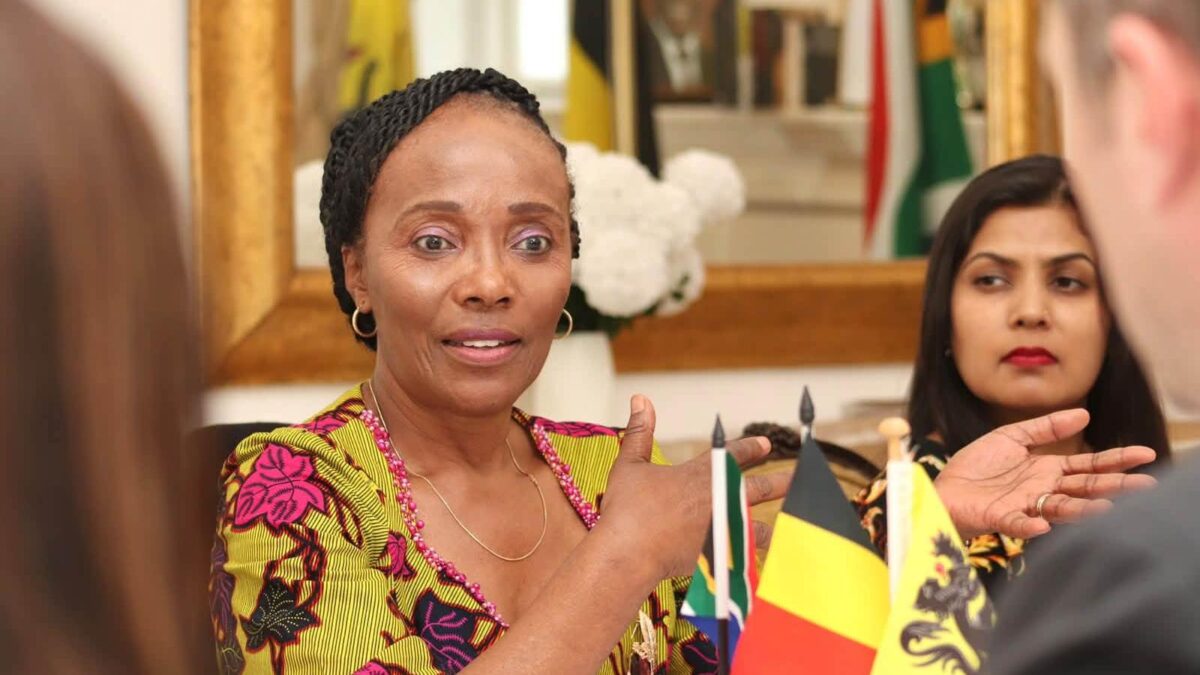
The Department of Home Affairs (DHA) is amending marriage legislation to align the minimum legal age with the Constitution by setting it at 18 years.
This was revealed by the Minister of Women, Youth, and Persons with Disabilities, Sindisiwe Chikunga, in response to a Parliamentary question.
Any South African who is 18 years or older can legally enter into a civil marriage, customary marriage, or civil union without needing consent.
However, this does not mean that citizens under the age of 18 cannot be married. It is permitted with written consent from both parents or legal guardians.
National Assembly member Makoti Khawula asked Chikunga whether she was aware that girls as young as 13 years are forced into marriage in KwaZulu-Natal.
Khawula also asked whether the Minister will investigate the allegations of forced marriages and abuse of cultural practices in the province.
Chikunga confirmed that she was informed about these issues at the Adolescent Pregnancy National Strategic Plan (NSP) consultation held in Durban.
“During the deliberations, it was emphasised that such conduct constitutes a criminal offence and, where minors are involved, may amount to statutory rape,” she said.
Delegates were advised that such matters must be reported to the relevant law enforcement authorities.
Chikunga added that the Department of Home Affairs (DHA) is in the process of amending marriage legislation.
This amendment will align the minimum legal age for marriage with the Constitution by setting it at 18 years.
“This will ensure consistency between customary and civil marriages and remove any legislative inconsistencies,” she said.
In the interim, the Minister of Women, Youth, and Persons with Disabilities urged delegates and community members to report alleged violations to the authorities.
She added that the consultation was attended by representatives from the Office of the KZN Premier and the provincial Department of Social Development.
Other attendees included the Department of Education and Health, the National Prosecuting Authority, and Chapter 9 institutions.
These institutions included the South African Human Rights Commission (SAHRC) and the Commission on Gender Equality (CGE).






 Loading ...
I agree totally!