
The tiny South African town breaking free from Eskom


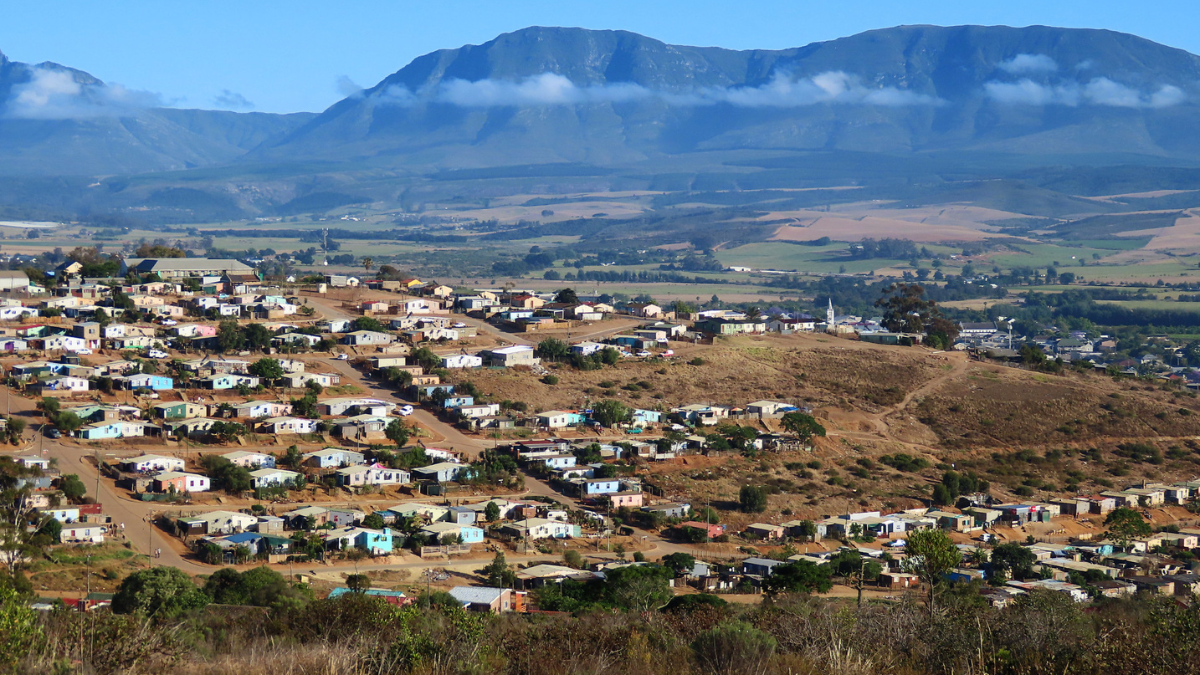
Western Cape Premier Alan Winde announced that the small town of Riversdale will soon become the first in the country to be totally independent from Eskom.
Speaking during the State of the Province Address (SOPA) on 25 February, Winde said that municipalities in the Western Cape are innovating and prioritising service delivery.
“The Hassequa Municipality is an example. The council took incredible initiative in successfully bidding for a Solar PV and Battery Storage project,” he said.
The project received a total allocation of R173 million, given over three financial years, but for residents in Riversdale, it will soon be worth every penny.
“Later this year, I will help flick the switch on this project, which will essentially see the town of Riversdale become independent of Eskom for its growing power needs and the first town in South Africa to do so,” said Winde.
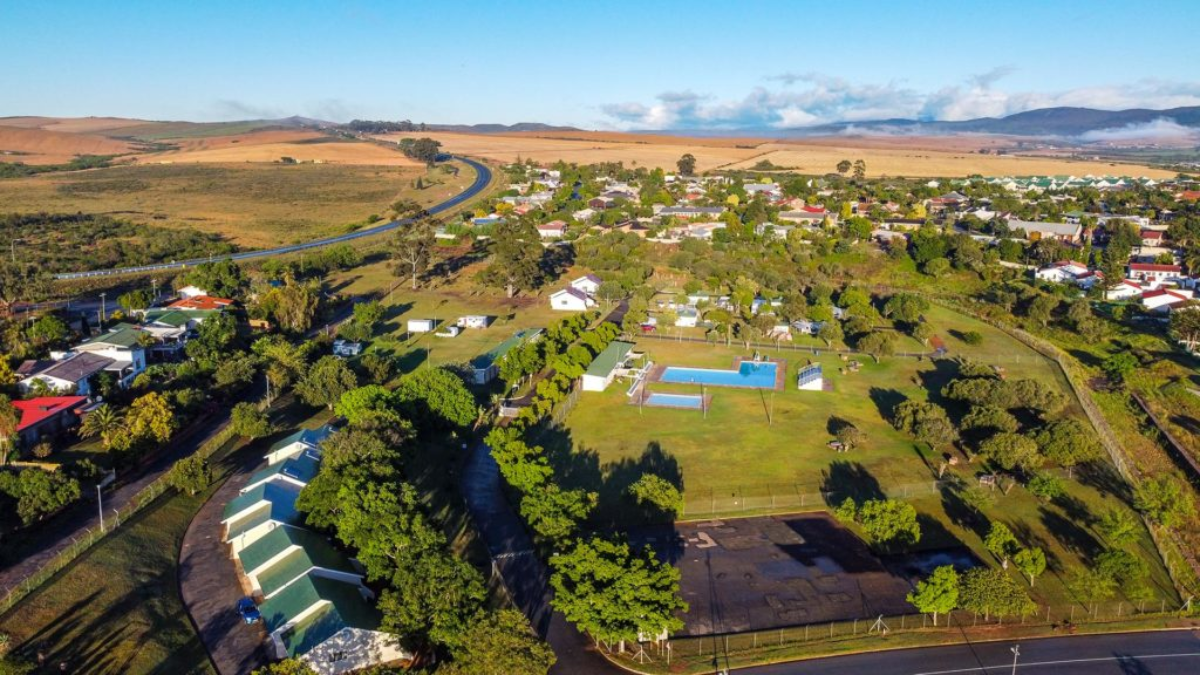
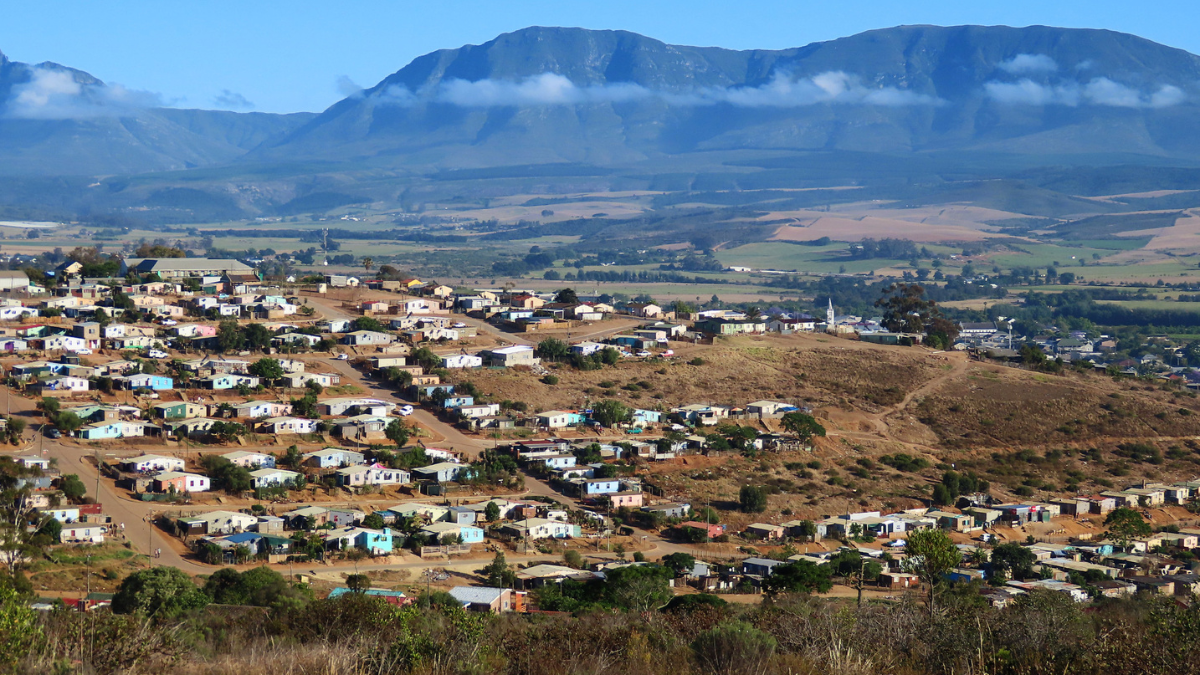
Located along the N2 between Cape Town and George, Riversdale is one of six main towns in the Hessequa region. It is one of the towns along the Floral Kingdom, attracting visitors who come to see its diverse variety of indigenous flora.
The small town won a bid for the renewable energy system over other small towns in the Western Cape. The project is now three years in the making.
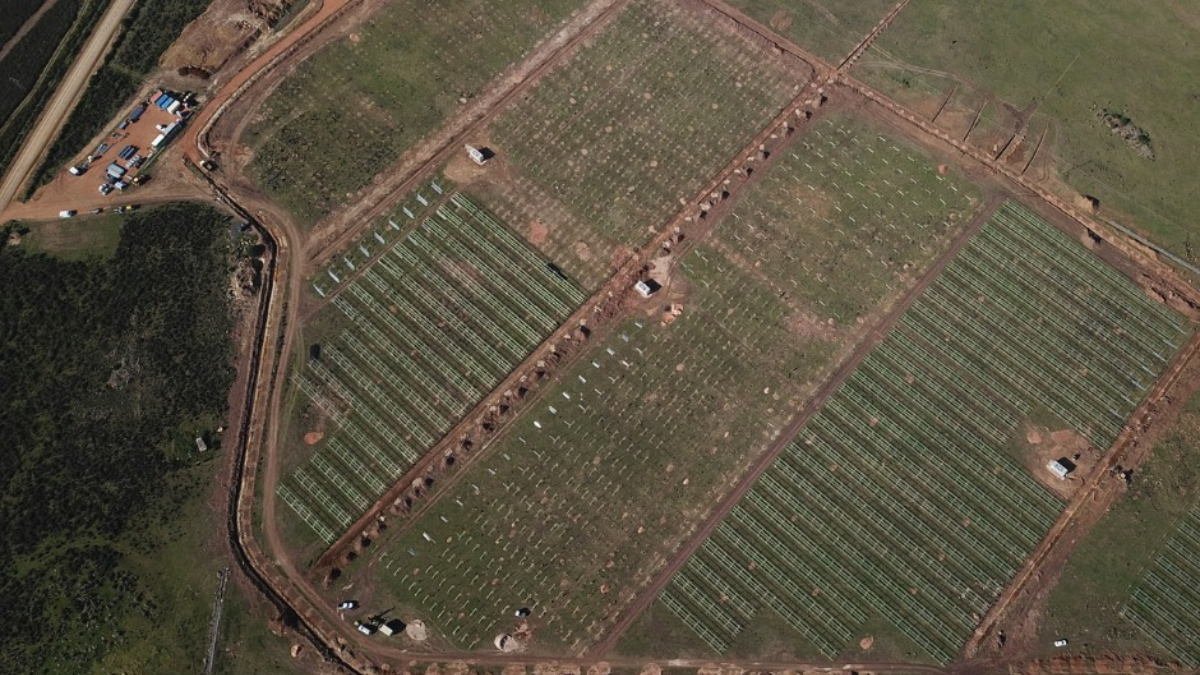
In January 2025, the town held the official sod-turning ceremony for the multi-million Rand renewable energy project, which will be completed in 2026.
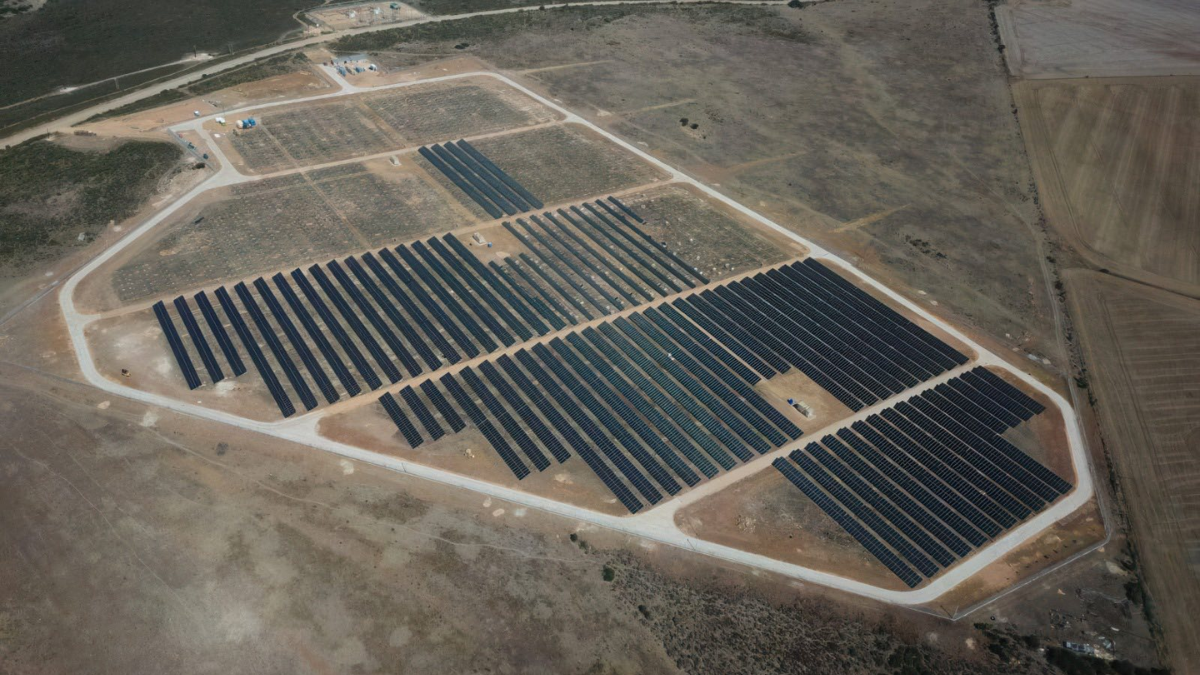
This includes a 10 MW solar farm capable of generating 15 million kilowatt-hours annually, alongside a battery energy storage system (BESS) with a storage capacity of 10 megawatt-hours.
Additionally, a monitoring and control system for real-time performance tracking and optimisation will be installed as well.
The solar system is a grid-interactive system, which means that the town is not technically off the grid, but it will have a sufficient energy supply of its own to power local businesses and households, making it essentially independent from Eskom.
This will not only eliminate energy insecurity and loadshedding, but also reduce the cost of electricity for residents, as Eskom prepares to hike its tariffs over the next two years.
Powering paradise
“This renewable energy project will provide reliable power to the town’s residents, protect critical infrastructure, and support local businesses,” said Western Cape Minister of Infrastructure Tertius Simmers.
“It is a bold step forward in addressing the energy crisis, while also helping to boost Riversdale’s economy,” said
The town depends on tourism for its survival, and loadshedding has been problematic for attracting tourists, with many opting for holiday spots with a reliable power supply.
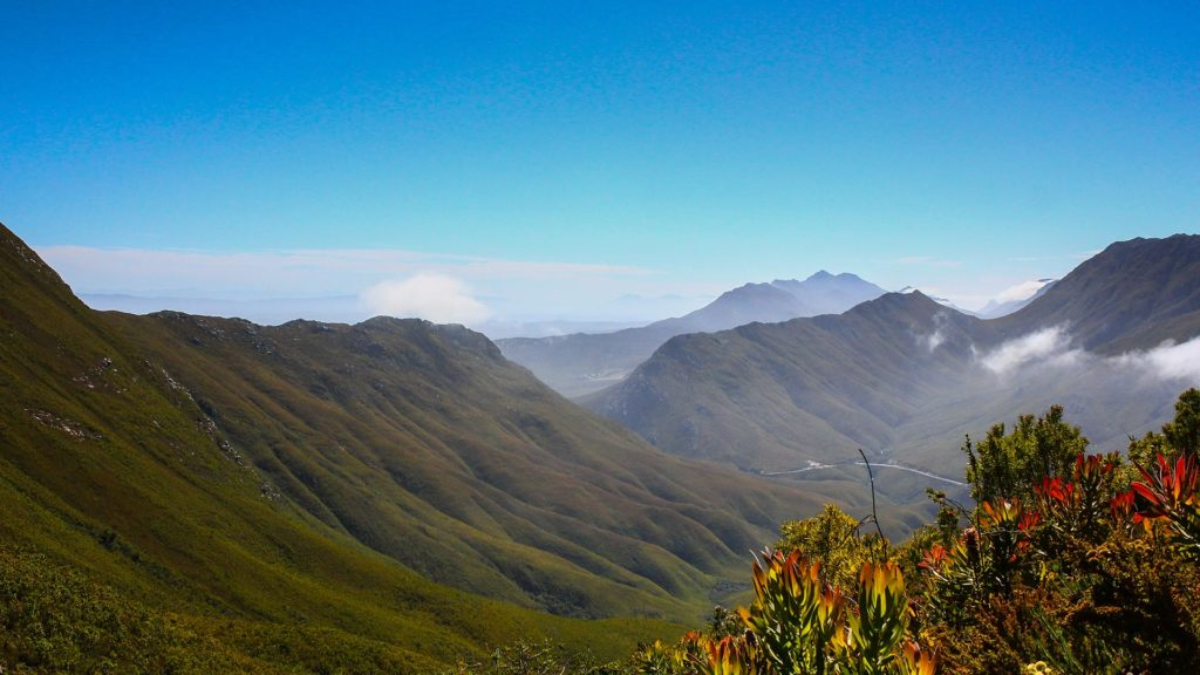
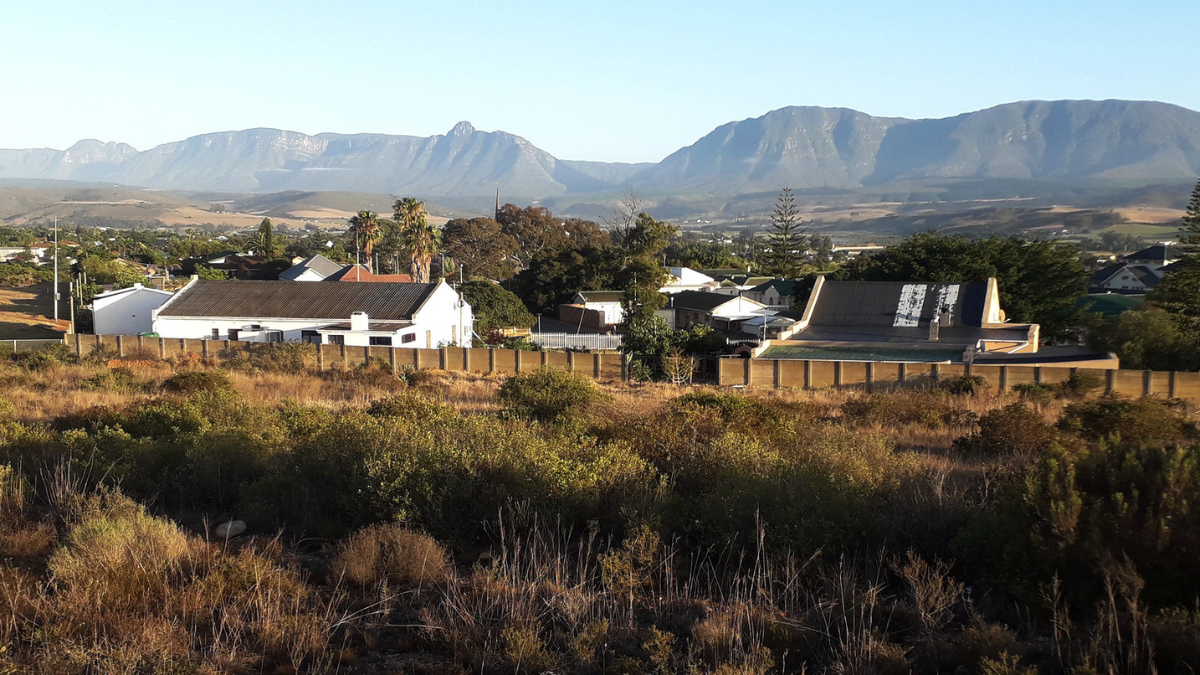
Riversdale lies at the foot of the Sleeping Beauty peak in the Langeberg Mountains, named for depicting the silhouette of a slumbering maiden.
The town was founded in 1838 when the Dutch Reformed Church at Swellendam established a new parish on the farm ‘Doornkraal’ on the banks of the Vet River. It was named Riversdale after Commissioner and first Magistrate Harry Rivers.
It was declared a municipality in 1849. Today, it has a population of about 22,000 residents in its 100 square kilometres.
With a long history, the town is home to a rich cultural heritage and multiple historical landmarks. The old town jail, built in 1838, is now a local coffee shop, still containing a replica of the old gallows.
Riversdale is home to the second-largest collection of Thomas Bowler paintings in South Africa, which visitors can view for free, as well as the country’s only museum of Ukrainian culture.
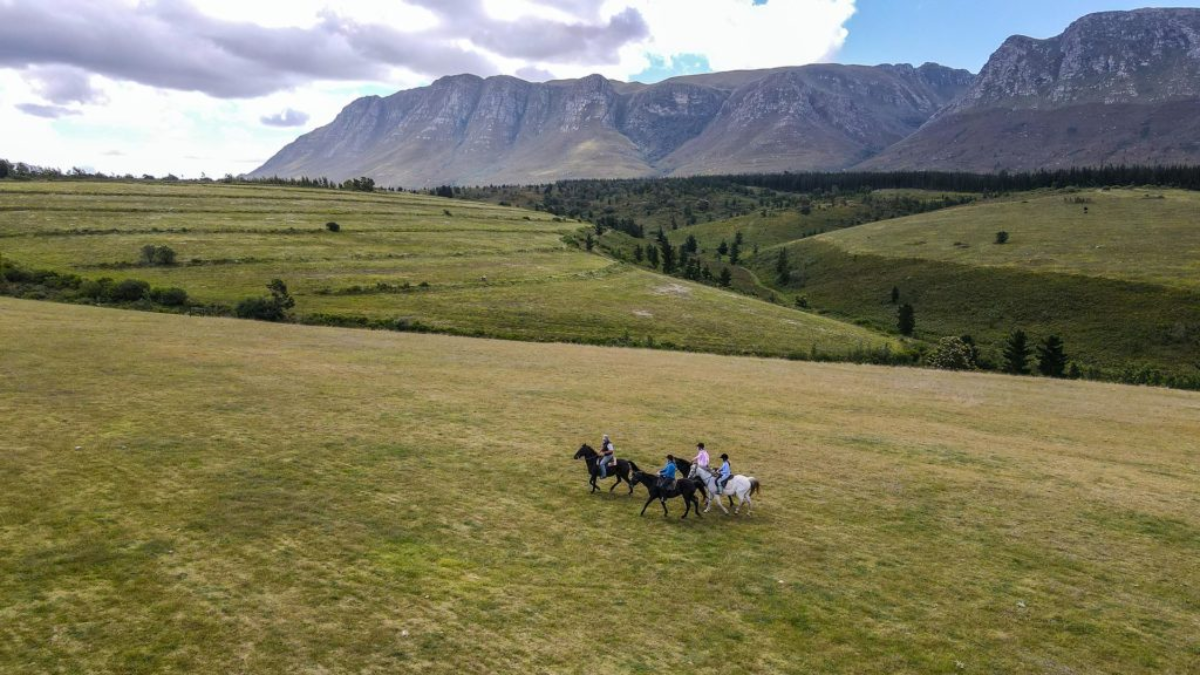
Many visit the area for hiking, bird watching and horse-riding along the fynbos trails of the Langeberg mountains or a round of golf at the Riversdale Golf Course, one of the most picturesque in the Western Cape.
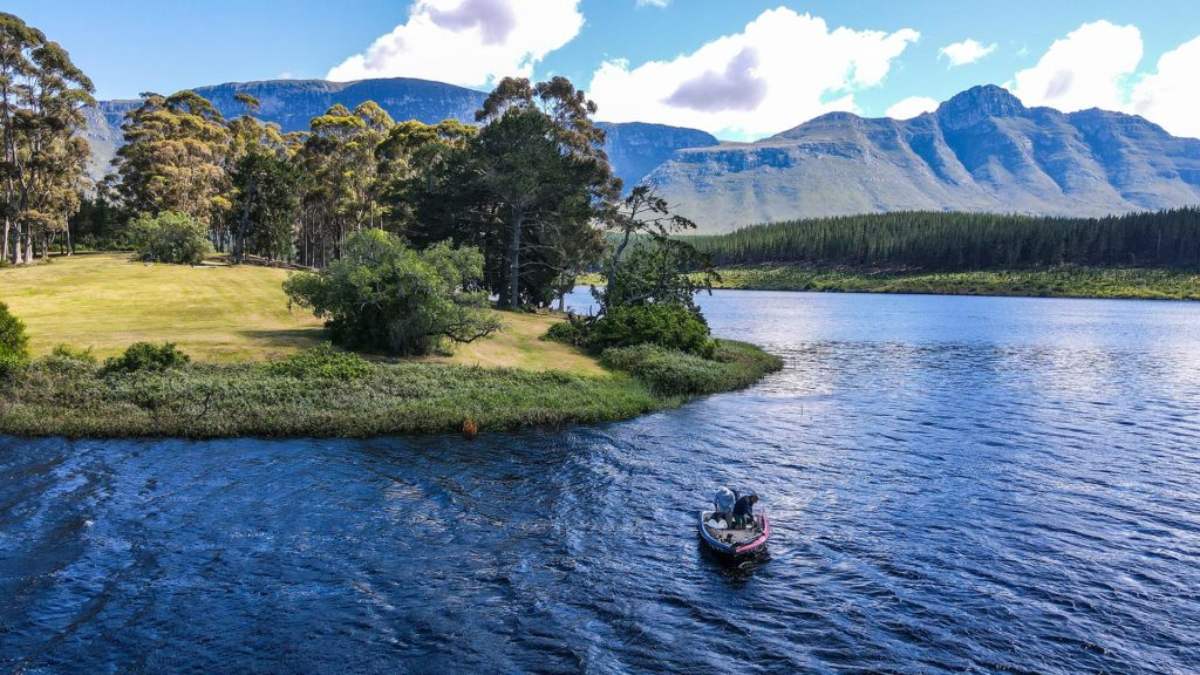
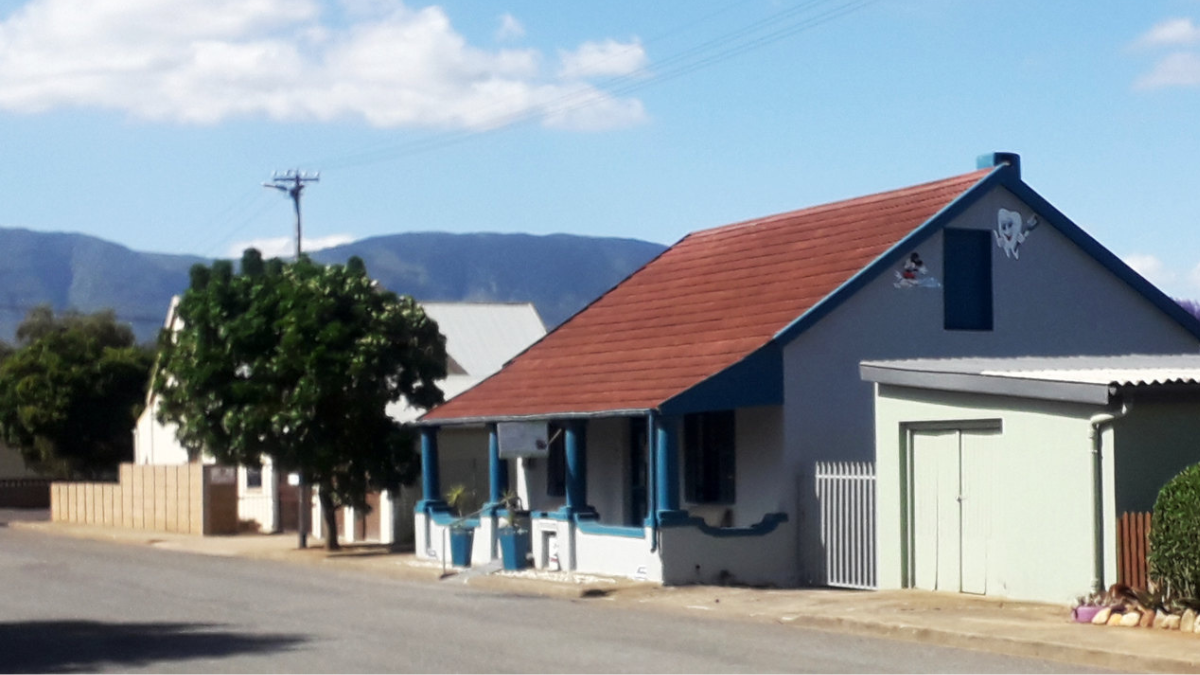
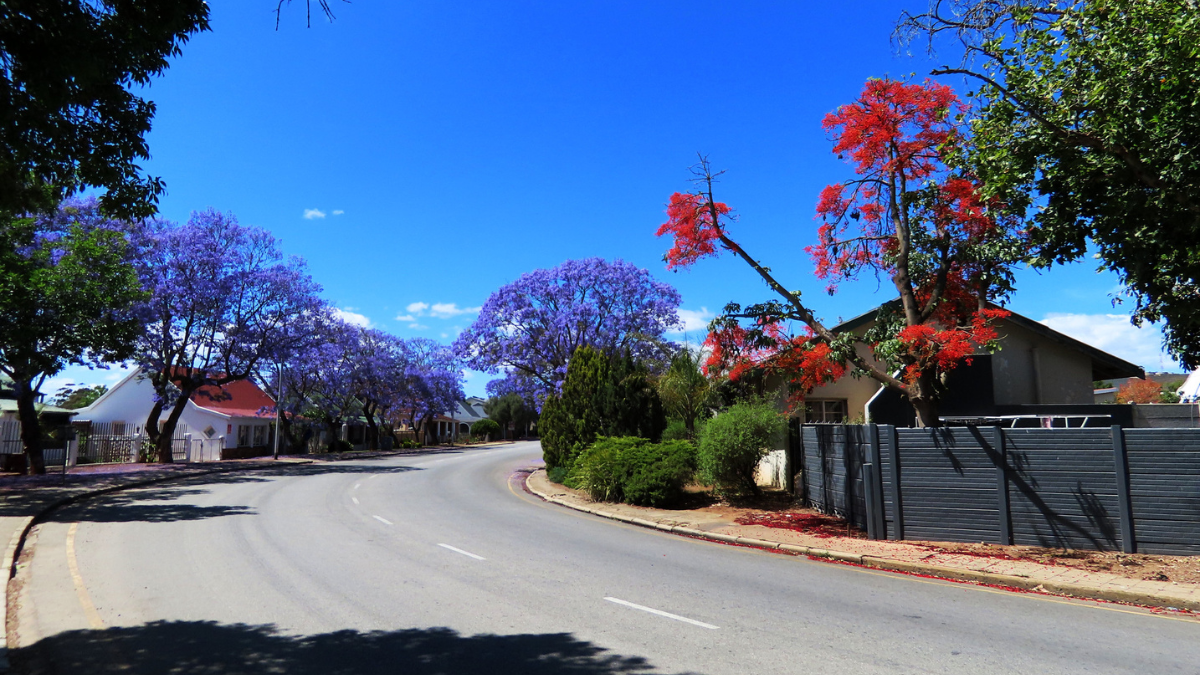
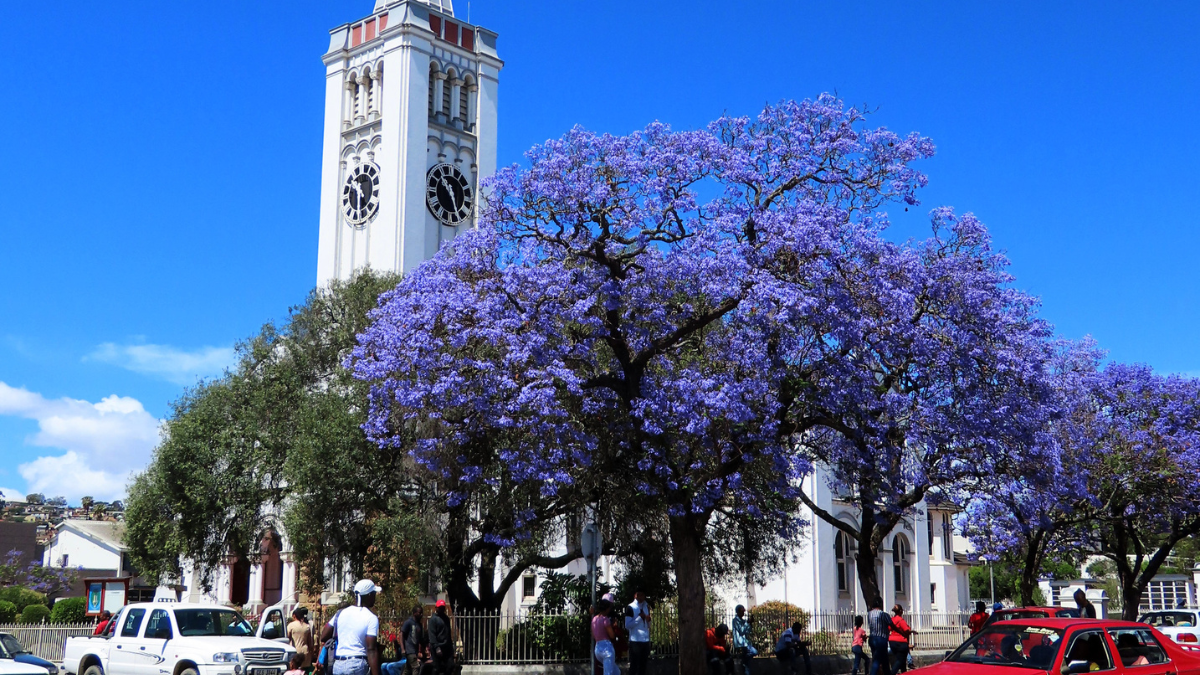
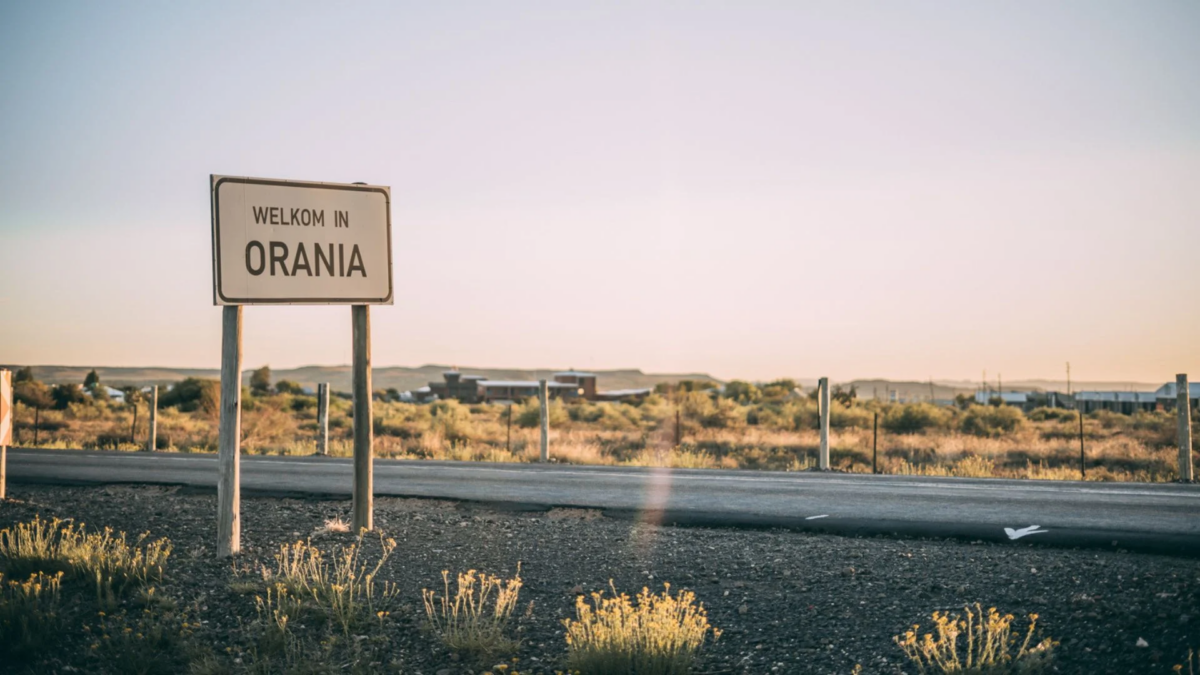
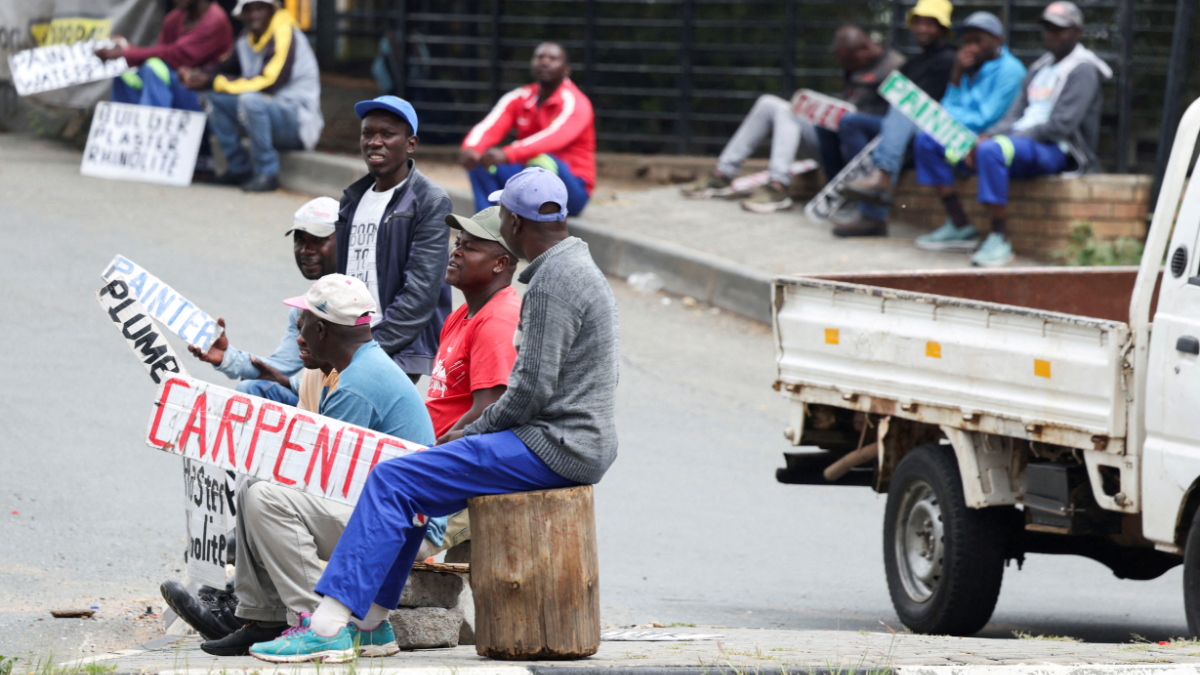
More photos from Riversdale:















 Loading ...