
Johannesburg residents should not have to pay for water they do not have


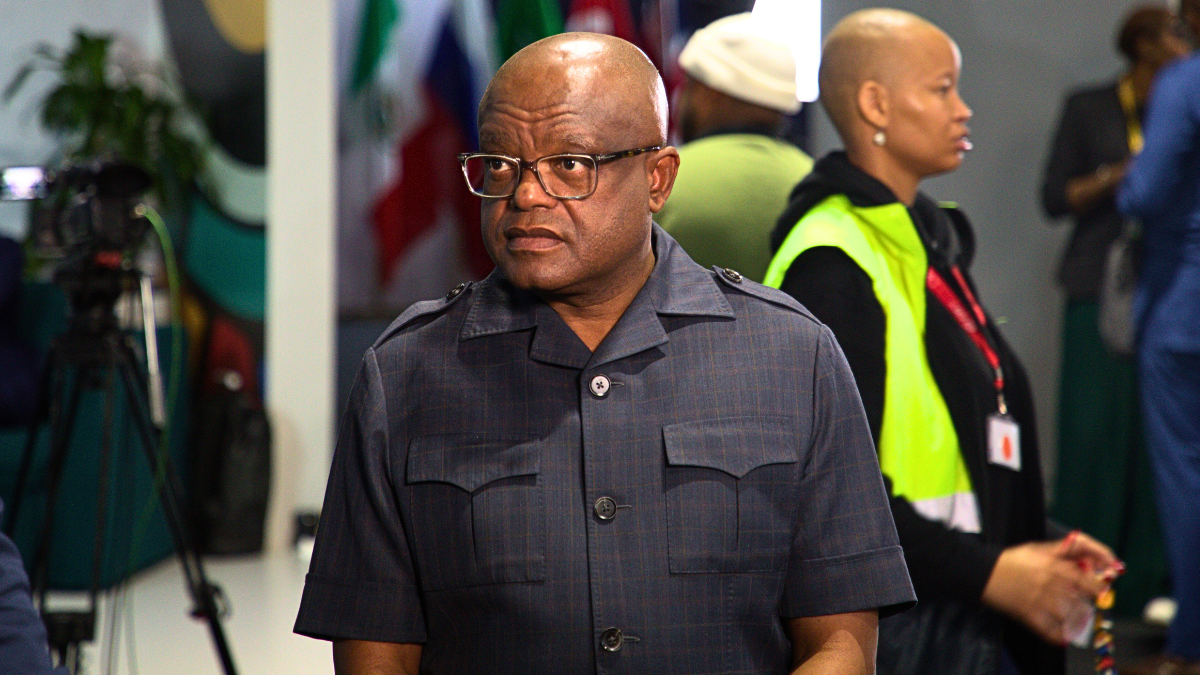
Mayor of Johannesburg Dada Morero says that residents who have been without water for extended periods “should not be billed for what they have not consumed.”
Briefing the media on water supply challenges across Johannesburg and the greater Gauteng region on 11 February, Morero said that simultaneously, the city needs people to keep paying their fees.
Thai is in order for the city to improve water infrastructure, as it is struggling to cover the cost of needed infrastructure repairs and upgrades.
This comes as Johannesburg loses nearly half of its fresh water to leaks, burst pipes and illegal connections.
Morero held the briefing on Wednesday, while residents of Melville in Johannesburg and surrounding areas have taken to the streets to protest after weeks without water.
When asked by the media, Morero admitted that many residents have been billed for consuming water while their taps run dry.
He said that customers should not be billed for water they did not receive “as a matter of principle” and that those who are affected should come forward so the city can look at their bills.
“It could have been that they are currently on estimates. As you know, our credit control management allows us to estimate you for three months,” he explained.
Morero said that customers should submit their invoices and payments will be reversed. “So it should not be difficult, especially for our customers that continue to pay the city without fail,’ he said.
He said that customers who come forward to dispute their bills will be accommodate, adding that it’s not fair on those experiencing water outages.
“But we do need our residents to continue to pay for their rates and taxes, as we need this money to invest into the infrastructure,” he said. “We need to work together to resolve the challenges that affect our communities,” he said.
Additionally, Morero said the city is experiencing an average of 16,000 inaccurate bills on a monthly basis.
He said this is a serious concern, caused by residents submitting incorrect information, by the city’s estimation system, and by the city’s lack of staff to deploy for accurate meter readings.
These frequent and recurring errors could also be the reason why some residents experiencing water outages have still been billed.
Thousands of billing errors

“We’re billing about 1.2 million accounts throughout Johannesburg,” he explained. Of the 16,000 accounts containing billing errors, Morero says the city resolves about 45% of them.
Morero said that Johannesburg Water has seen a 90% success rate in terms of billing. “But, as we’ve said, there are instances where we’ve billed people who have not had water for the longest period,” he added.
Morero said that funding for the repair and upgrade of water infrastructure has become a significant problem for the city.
“We are working very hard to ringfence through the National Treasury, and there’s also a benefit, depending on the work that we do, that we will receive a particular grant from National Treasury which will help us to invest in the infrastructure.”
Morero said the city itself has raised about R500 million from financial institutions to address the infrastructure issue.
“So we continue to look at other models to see how best we can invest money,” he said. While the city’s budget for water infrastructure is R1.7 billion, it has a R27 billion infrastructure project backlog.
Against a backdrop of city-wide anger about widespread water outages in Melville, Midrand, Bezuidenhout Valley, South Hills, Alexandra, Crown Gardens, Diepsloot and Sandton, Joburg Water workers embarked on a go-slow on Monday and Tuesday, demanding performance bonuses.
The strike has now come to an end after an agreement was reached between management and workers, but water supply remains scarce.
The strike came only days after Rand Water announced that the water system is under extreme pressure due to overconsumption in Johannesburg and Tshwane, leading to low water pressure and outages.
Water war room established
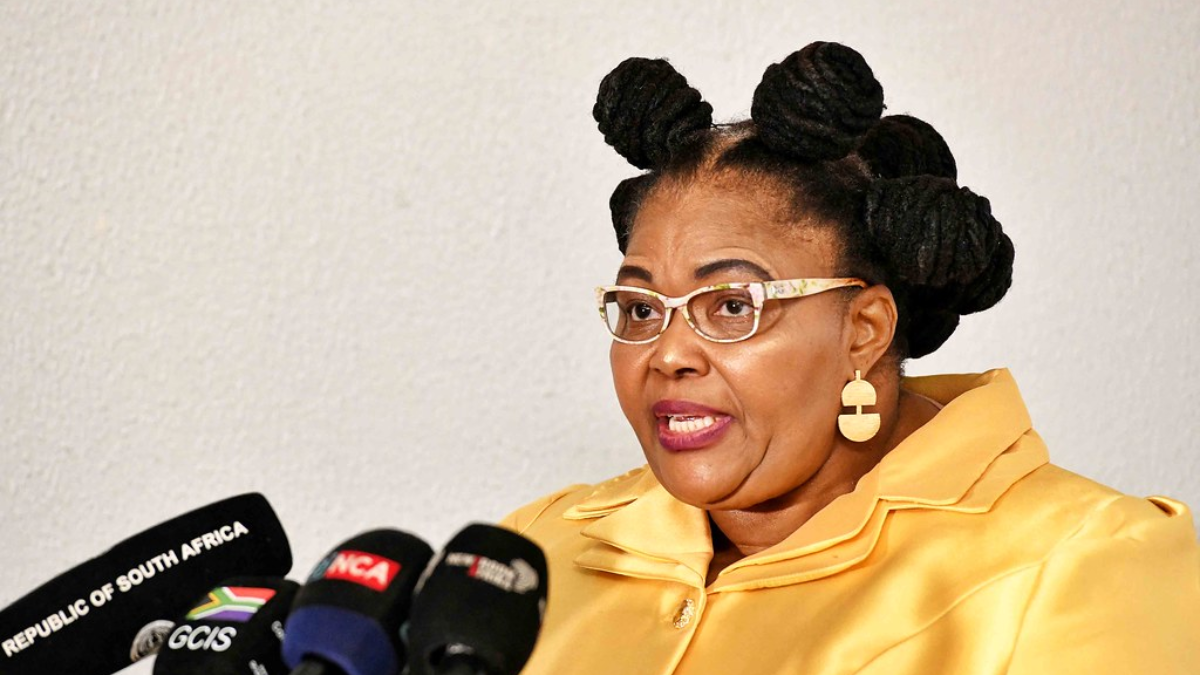
Johannesburg’s non-revenue water statistic is currently over 45%, whereas the Department of Water and Sanitation specifies that this must be below around 25%.
NRW is the volume of potable water distributed for which the municipality receives no income. Looking at just leaks, Johannesburg loses around a third of its water.
The Department of Water and Sanitation (DWS) Director-General Dr. Shaun Phillips told Parliament in September 2025 that Rand Water provides sufficient water to meet municipal needs in Gauteng.
“If they were to reduce leaks in their distribution systems and invest more in distribution infrastructure, including storage and pumping capacity, this issue would not exist,” he said.
Imagine Rand Water as a hose and most Gauteng municipalities as buckets with leaks. No matter how much water is added, they will never be completely filled.
The City of Johannesburg currently has 22 delayed water infrastructure projects due to R72 million in outstanding payments to contractors.
Water expert Dr Anthony Turton told Newsday that when it comes to water outages, “there is a 100% correlation with governance failure as nowhere in South Africa do we have an absolute water scarcity.”
“Taps are dry because municipalities have failed for a variety of reasons, including the mismanagement of funds, inability to collect revenues, lack of ring-fencing for finances and the loss of technical skills due to purges.”
The city of Johannesburg has set up an intergovernmental war room to coordinate and fast-track interventions, but dismissed speculation that the city is nearing a day-zero water scenario.
The task force will include city authorities, Rand Water, the provincial government and the national government, according to the city.
Morero said that the Minister of Water and Sanitation, Pemmy Majodina, is getting on a plane today to get to Johannesburg to assist with the crisis, and that she has been “very hands-on.”
This is only days after the minister said that the National Department cannot fix broken municipal water systems, as it is handcuffed by the constitution to leave reticulation and distribution to local government.








 Loading ...