
Minister of Water washes her hands of South Africa’s water crisis



Minister of Water and Sanitation, Pemmy Majodina, says that she and her department are not to blame for South Africa’s ongoing water crisis.
In an interview with SABC, Majodina said that the Department of Water and Sanitation (DWS) is responsible for providing bulk water supply, which she argues it has done so without issue.
“We have enough water in terms of a bulk water supply. Nobody is complaining about bulk water,” she said.
She said that the department is handcuffed by the constitution in terms of its responsibilities and power over water supply and reticulation.
Under the constitution, she said, the department is required to ensure water resources and bulk water supply.
“On the side of DWS, we are doing everything in our power to ensure that we build enough water sources, and we have done that,” she said.
Reticulation and distribution of water is a responsibility that falls solely to local government, Majodina said.
“Ordinary citizens are saying why don’t you amend the constitution so that when municipalities are dismally failing, then the department must take over, but currently, because we still have this constitution, we’re unable to take over,” she said.
“We have spheres of government, not layers. If it were layers, I was going to have intervened a long time by now.”
She said that leaving the water reticulation to municipalities is what has resulted in under-investment in water infrastructure and crumbling water systems.
She added that, while municipalities fill their vacancies, these individuals lack the necessary technical skills to work in these positions.
“Critical and technical skills are not there in these municipalities, hence, people go days, months, years without water because there’s nobody attending to water infrastructure,” she said.
She said that South Africa has enough water to supply every citizen, but that this is lost due to mismanagement and poor infrastructure.
Not a drop to drink
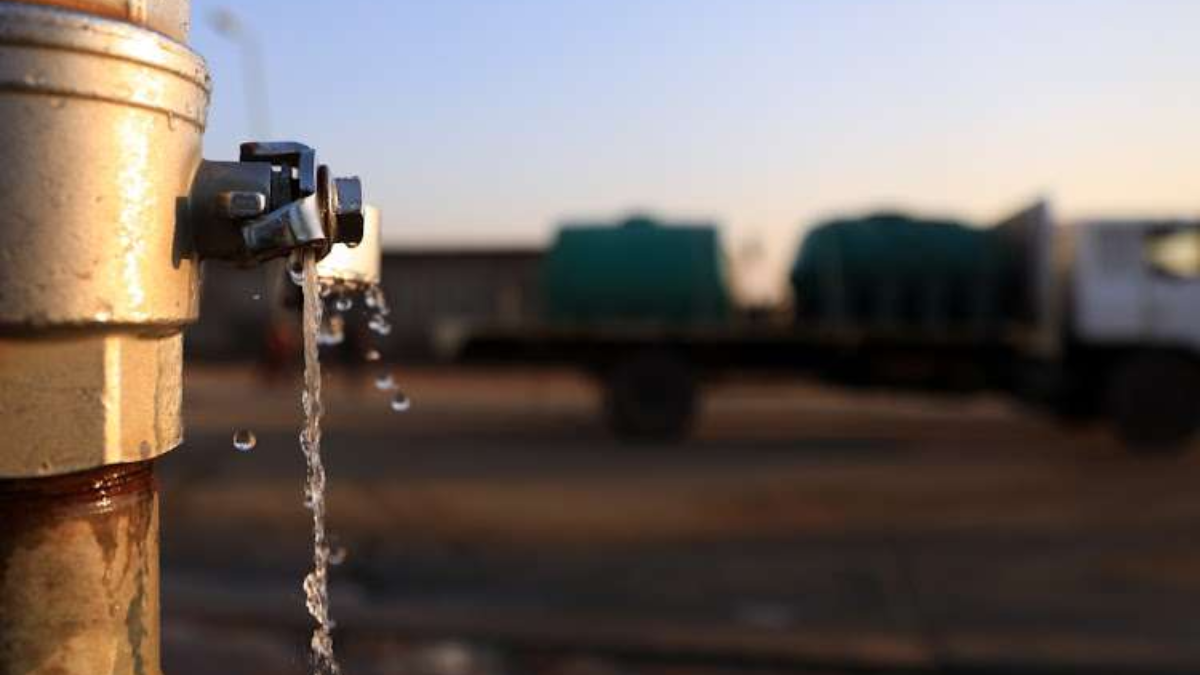
The Department of Water and Sanitation (DWS) Director-General Dr. Shaun Phillips told Parliament in September 2025 that Rand Water provides sufficient water to meet municipal needs in Gauteng.
“If they were to reduce leaks in their distribution systems and invest more in distribution infrastructure, including storage and pumping capacity, this issue would not exist,” he said.
Attributing the water crisis to local government reticulation failures is accurate, according to expert Anthony Turton.
Turton told Newsday that when it comes to water outages, “there is a 100% correlation with governance failure as nowhere in South Africa do we have an absolute water scarcity.”
Imagine Rand Water as a hose and most Gauteng municipalities as buckets with leaks. No matter how much water is added, they will never be completely filled.
The City of Johannesburg currently has 22 delayed water infrastructure projects due to R72 million in outstanding payments to contractors.
Along with the South African constitution and local government, Majodina furthermore blames water mafias for the water crisis.
“I spent sleepless nights over water mafias. They deliberately vandalise infrastructure because they want to subject municipalities in contracting their water tankers,” she said.
Gauteng water supply network on the brink
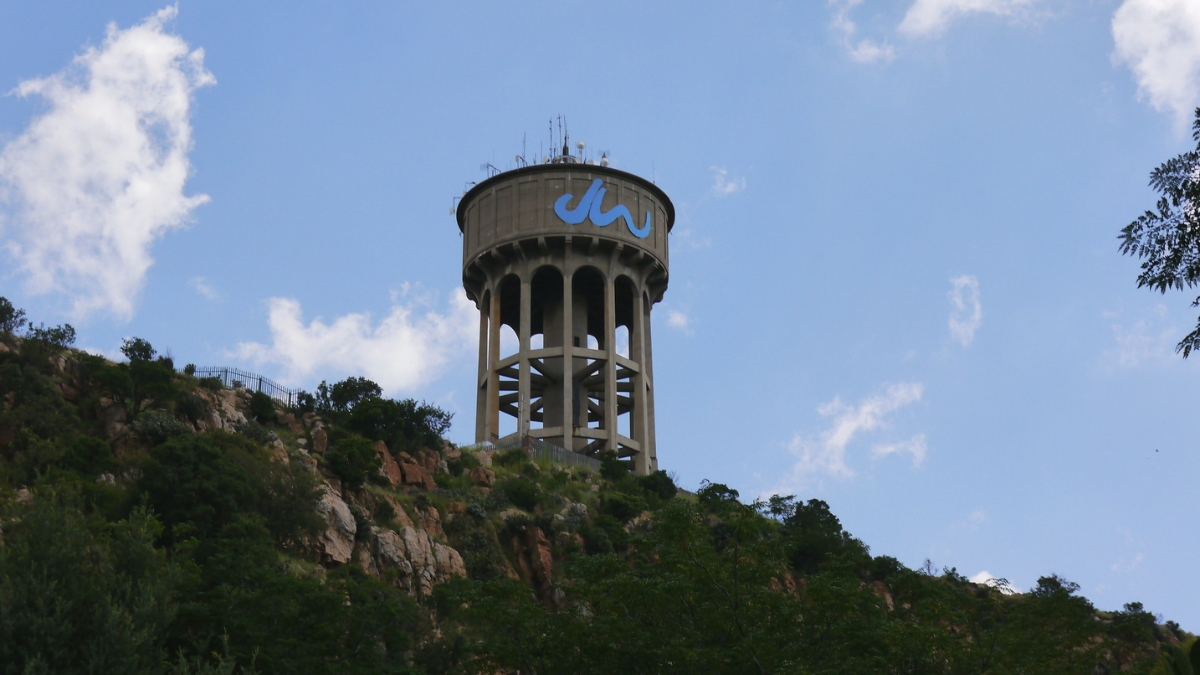
Majodina’s remarks come at a time when Gauteng is experiencing water supply constrains. The province says that overconsumption in Tshwane and Johannesburg is to blame.
“This above normal consumption has exceeded allocated volumes and continues to place significant strain on the overall water supply network,” Rand Water said in a statement.
It added that the current demand is forcing the system to operate under pressure, stretching infrastructure capacity to accommodate the usage levels.
“Rand Water will be reducing water supply to these areas to restore water supply in affected areas and to stabilise the entire bulk water supply system.”
This has led to water outages and low water pressure in some Johannesburg and Tshwane areas.
Ekurhuleni, which was not affected by these outages, has nonetheless restricted the watering of gardens between 6 am and 6 pm and the use of hosepipes or sprinklers to clean driveways or walkways.
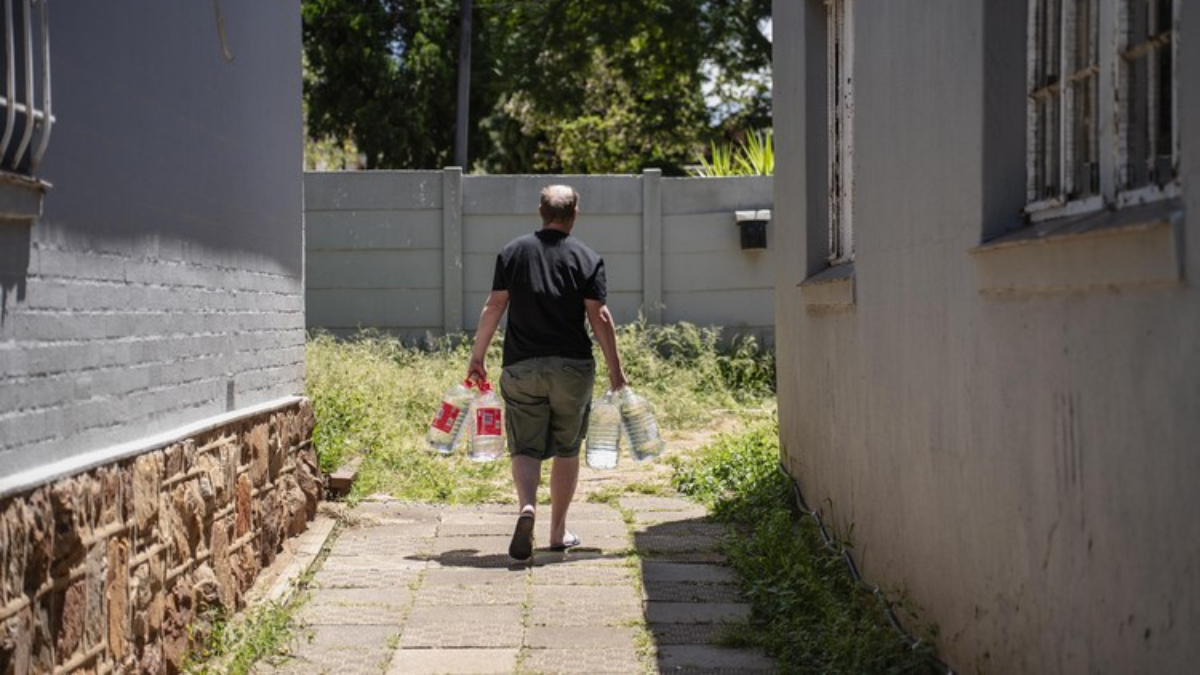
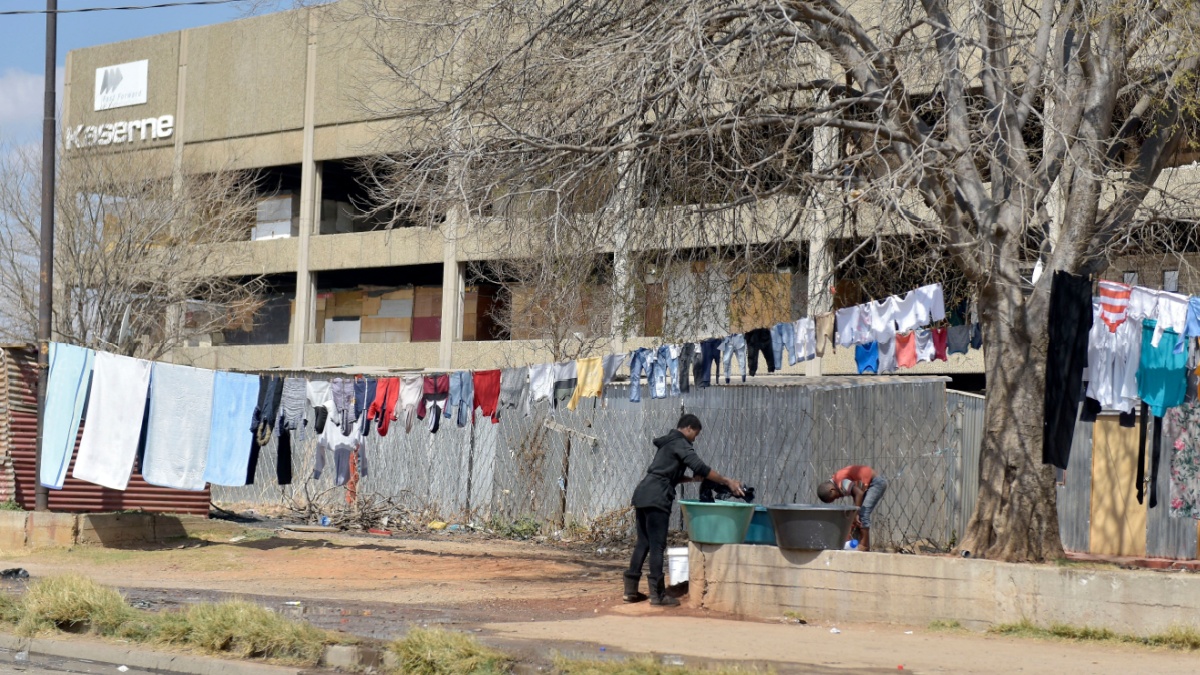
This comes as residents of Johannesburg have suffered multiple recent water outages. In Melville, residents told GroundUp they are moving into the third week of having dry taps.
Residents of Sandton, Midrand, Alexandra and Diepsloot were recently left without water for over a week due to power outages and emergency repairs.
This was after repair work at the Palmiet Pump Station coincided with a power failure at the Zuikerbosch Pump Station.
According to Water Forum, 20 notable disruptions have been reported in Johannesburg alone in the last two weeks.





 Loading ...
You get what someone else voted for. We are dropping to the lowest common denominator. Viva…