
South Africa resumes local FMD vaccine production after two decade hiatus


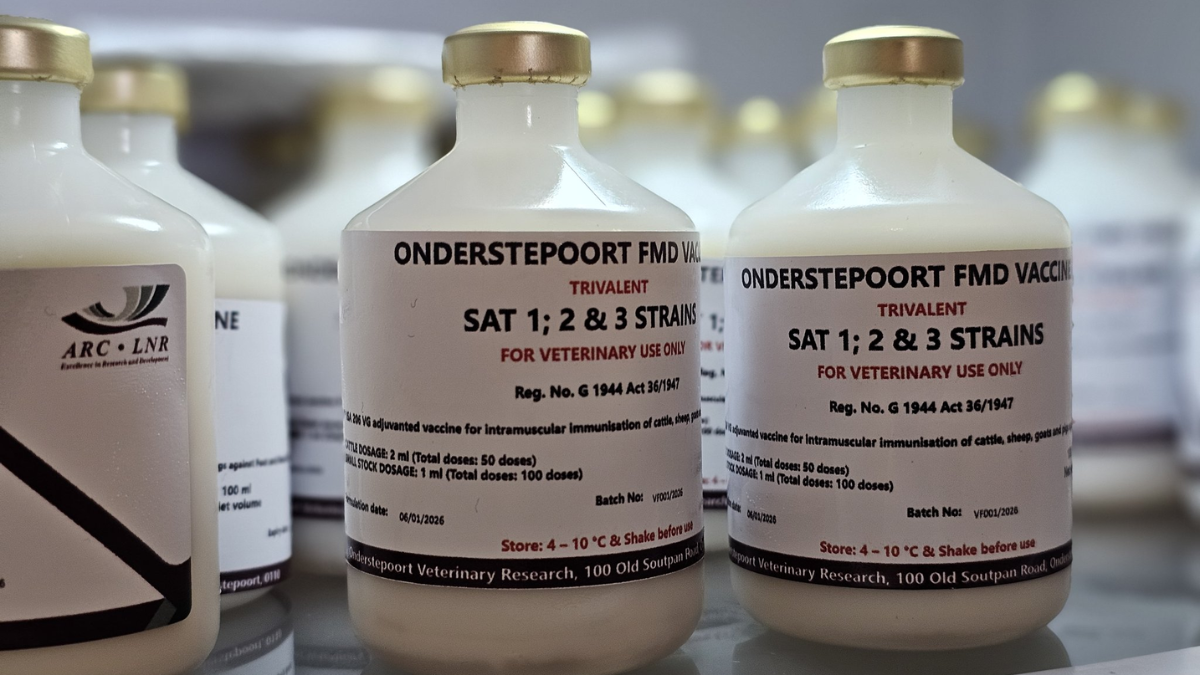
South Africa has resumed local production of Foot-and-Mouth Disease (FMD) vaccines for the first time in more than 20 years, in a move the government says will strengthen the country’s ability to respond to outbreaks and restore key export markets.
Agriculture Minister John Steenhuisen announced the development on February 6 during a visit to the Agricultural Research Council’s (ARC) Onderstepoort Veterinary Research facility, where he received the first locally manufactured batch of 12,900 doses.
Vaccine production at the facility had been halted in 2005 after infrastructure was deemed outdated and no longer compliant with international standards.
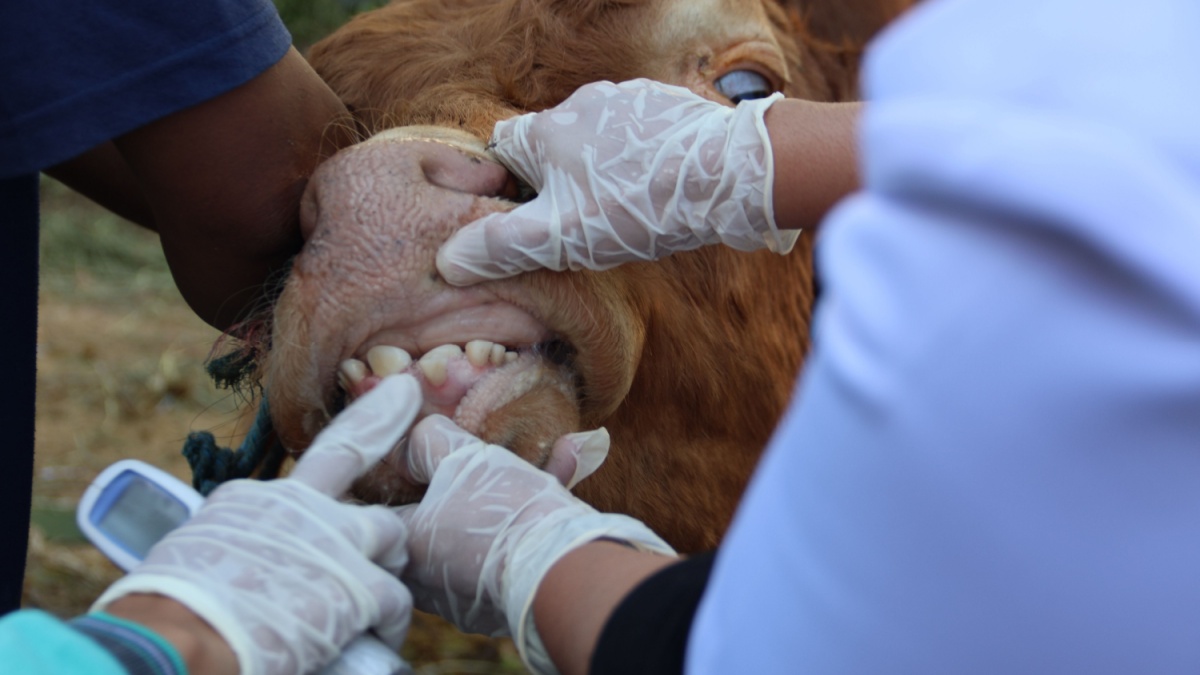
The ARC said the new vaccines were produced using modern bioreactor technology and would be distributed immediately to provinces considered high-risk.
Of the first batch, 2,600 doses will be allocated to the Eastern Cape and 2,300 to the Free State. Gauteng, Limpopo, Mpumalanga and North West will each receive 2,000 doses.
Steenhuisen said the resumption of local production marked a shift toward a more preventative approach to managing the disease, which has disrupted livestock farming and affected trade.
The ARC has indicated it plans to scale up production from March 2026, with output expected to reach 20,000 doses per week initially and a target of 200,000 doses per week by 2027.
To supplement local supply while production capacity is expanded, the Department of Agriculture has also secured vaccine imports.
These include 700,000 doses expected to arrive monthly from the Botswana Vaccine Institute from late February, as well as additional shipments from Argentina-based Biogénesis Bagó and Turkey’s Dollvet.
The Minister said government aimed to regain South Africa’s “FMD-free status with vaccination” from the World Organisation for Animal Health (WOAH), a designation seen as crucial for restoring international market access.
“To our farmers who have watched their livelihoods disappear before their eyes, I hear you, and I feel the weight of this hardship with you,” Steenhuisen said.
“This has been a long, exhausting road, but I want you to know that help is not just coming, it is here”.
Legal challenge over private vaccination ban
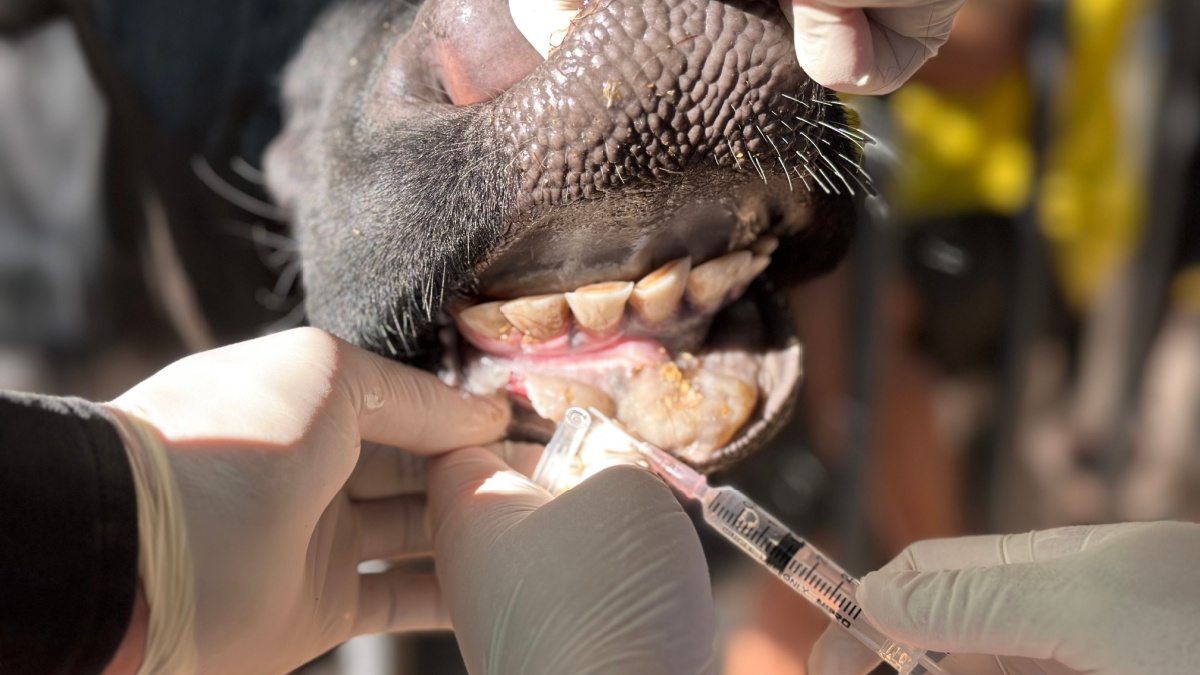
The resumption of local vaccine production comes amid a growing legal dispute over government control of FMD vaccination.
A coalition including Sakeliga, the Southern African Agri Initiative (SAAI), and Free State Agriculture has launched proceedings to challenge Steenhuisen’s prohibition on private vaccination.
The organisations argue that the state’s centralised control over vaccine distribution is unlawful and undermines farmers’ ability to respond to outbreaks.
They contend that Section 11 of the Animal Diseases Act places a duty on landowners and managers to prevent infection, which they argue cannot be fulfilled under the current restrictions.
Following the expiry of a deadline for the Minister to provide legal justification for the ban, Sakeliga said it had instructed its legal team to approach the courts.
Francois Rossouw of SAAI described the current crisis as a severe failure in animal biosecurity, arguing that the private sector should be allowed to assist in vaccination efforts.
Steenhuisen has rejected the calls to allow private vaccinations, warning that loosening control over vaccine use would weaken disease surveillance systems and compromise data required by international trade partners.
The Department of Agriculture has maintained that a centralised vaccination programme is necessary to ensure traceability, monitoring and eventual restoration of export status.












 Loading ...