
Big changes coming to Cape Town’s public transport


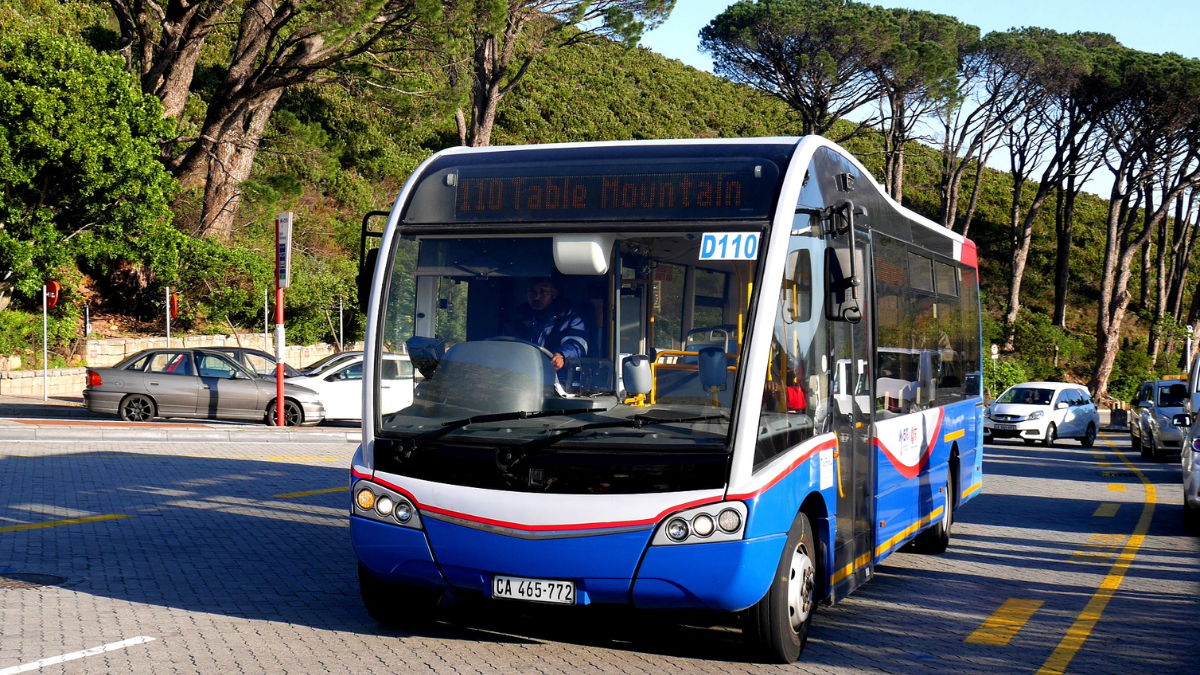
The City of Cape Town is upgrading its public transport system with a fleet of electric buses that will come into operation over the next year.
The City will test four 12-metre electric buses along its various MyCiti routes to understand how this would benefit the city and public transport users.
“The intention is to test the e-buses on as many of the existing MyCiti routes as possible for a period of about 12 months to determine how the buses perform on different route profiles,” the city explained.
This includes documenting how long the batteries last once charged, the impact of passenger numbers, the route profile and climate on battery discharging, and how long it takes to charge batteries.
“Another key aspect of the research relates to maintenance and operational costs of an electric bus fleet – some countries operating e-buses have noted a reduction of up to 70% in operating costs,” the city said.
This would be a significant win for the City of Cape Town, which has historically invested a large portion of its budget towards public transport.
In the 2024/2025 financial year, the city’s Urban Mobility Directorate was its second biggest expense, second only to Water and Sanitation.
The city spent R1.58 billion on urban mobility over the year, exceeding the costs spent on energy, human settlements and safety and security. This included a R647 million investment in MyCiti buses.
Cheaper in the long run
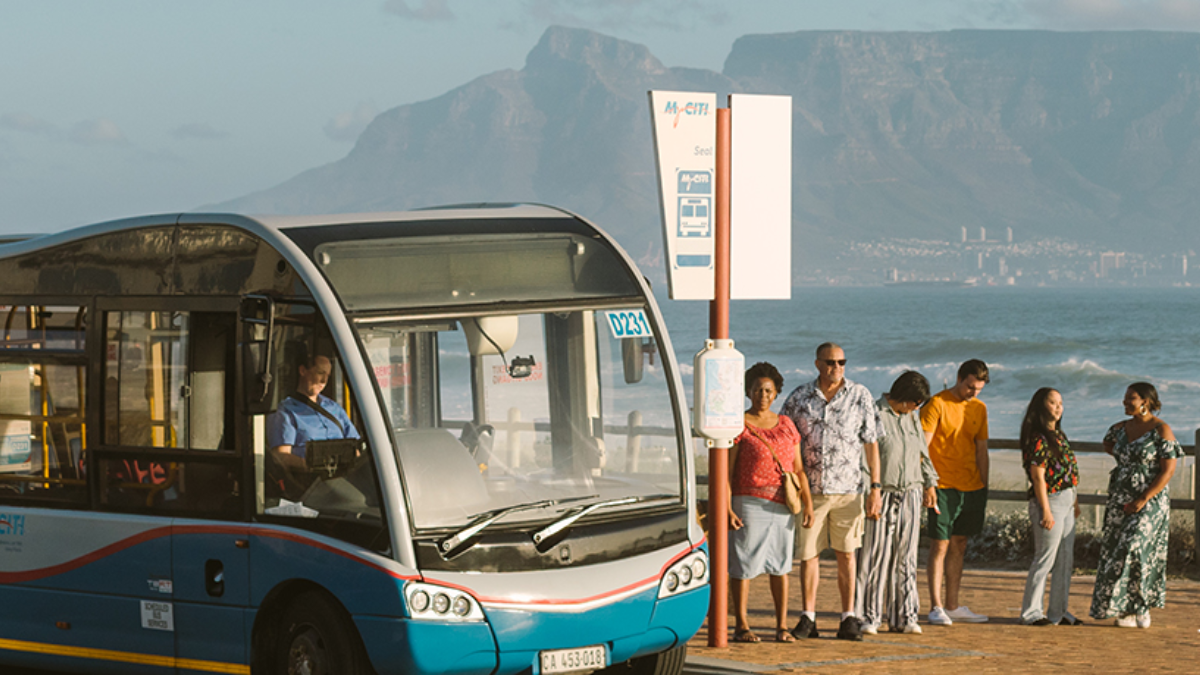
The electric bus fleet’s upfront costs, however, far exceed those of diesel. The testing phase will be supplemented by a EUR90,000 grant from the eBRT0230, as well as a contribution from the city itself.
The city has signed an agreement with the Urban Mobility Initiative, which is the contracting entity acting on behalf of eBRT2030, funded by the European Union under the Horizon Europe Programme.
Despite hefty upfront costs, studies have proven in a South African context that the low operating costs over an e-bus’s lifetime make the total cost of owning e-buses cheaper than diesel buses in the long run.
In a 2024 study published by C40 Cities Climate Leadership Group, entitled Accelerating a Market Transition in South Africa: Insights into the Bus Industry and Emerging Electric Bus Models, five South African cities were tested for the feasibility of electric buses.
It was found that the cost-benefit of electric buses takes about 13 years to realise, and so the city and MyCiti customers are unlikely to see the public transport system become cheaper anytime soon.
The researchers found that the cost of an electric bus was about double that of the same-sized diesel alternative upon purchase
The most costly aspect of the e-bus is the battery itself, which accounts for 30% of the vehicle expense, and the need to replace the battery every eight years, though reports expect battery prices to decrease.
“All over the world, countries undertake a pilot before they roll-out their e-fleet. UCT is our partner in this,” said the City’s Mayoral Committee Member for Urban Mobility, Rob Quintas.
“They will lead the feasibility study and research components of the eBRT2030 project, as well as the additional monitoring and evaluation. We get the benefit of the research, and we can then apply the outcomes in our planning.”
The first electric bus is set to arrive in the first quarter of the financial year if all goes to plan. The research project will continue until at least December 2026, which may be extended to June 2027, if approved.
In the testing phase, the buses will be rolled out in the metro-south east areas, including new routes.
The first e-buses will operate between Mitchells Plain and Khayelitsha, Wynberg and Claremont, as well as in the Cape Town CBD from July 2027.


















 Loading ...